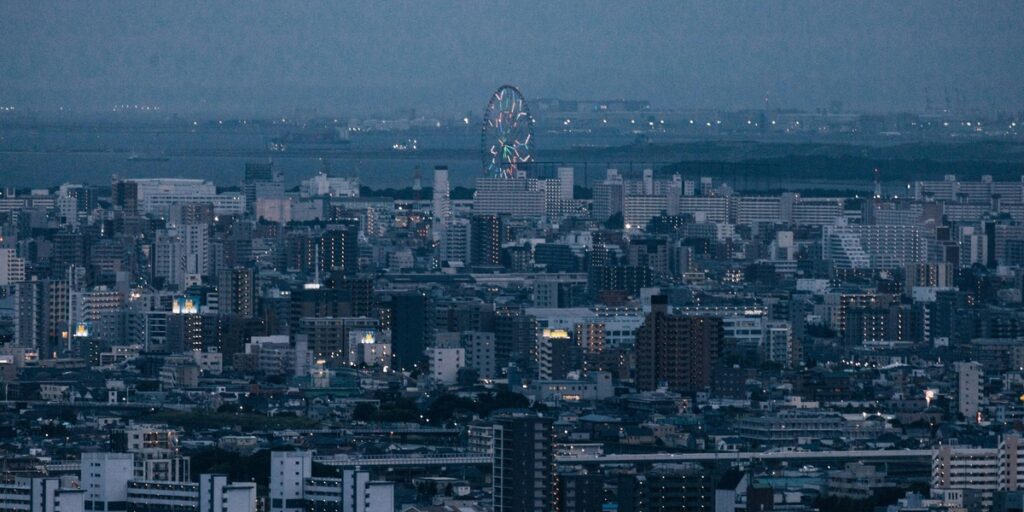
Osaka wears history and reinvention on its sleeve: Osaka Castle, first erected in 1583 by Toyotomi Hideyoshi, still anchors the skyline while the city’s postwar reinvention—epitomized by Expo ’70—pushed Osaka toward playful modernity. That long view helps explain why the city feels both rooted and restless: you can wander sakura-lined moats in the morning and chase high-speed coasters or coastal waves by afternoon.
Travelers should care because Osaka compacts a surprising variety of active experiences into short travel times—urban thrills, island escapes, and mountain hikes are often just 30–90 minutes from central neighborhoods. From island-hopping and sea kayaking to indoor bouldering and samurai experiences, Osaka offers a compact, surprising mix of urban and outdoor adventures that suit first-time visitors and repeat travelers alike.
Urban Thrills: High-energy experiences without leaving the city
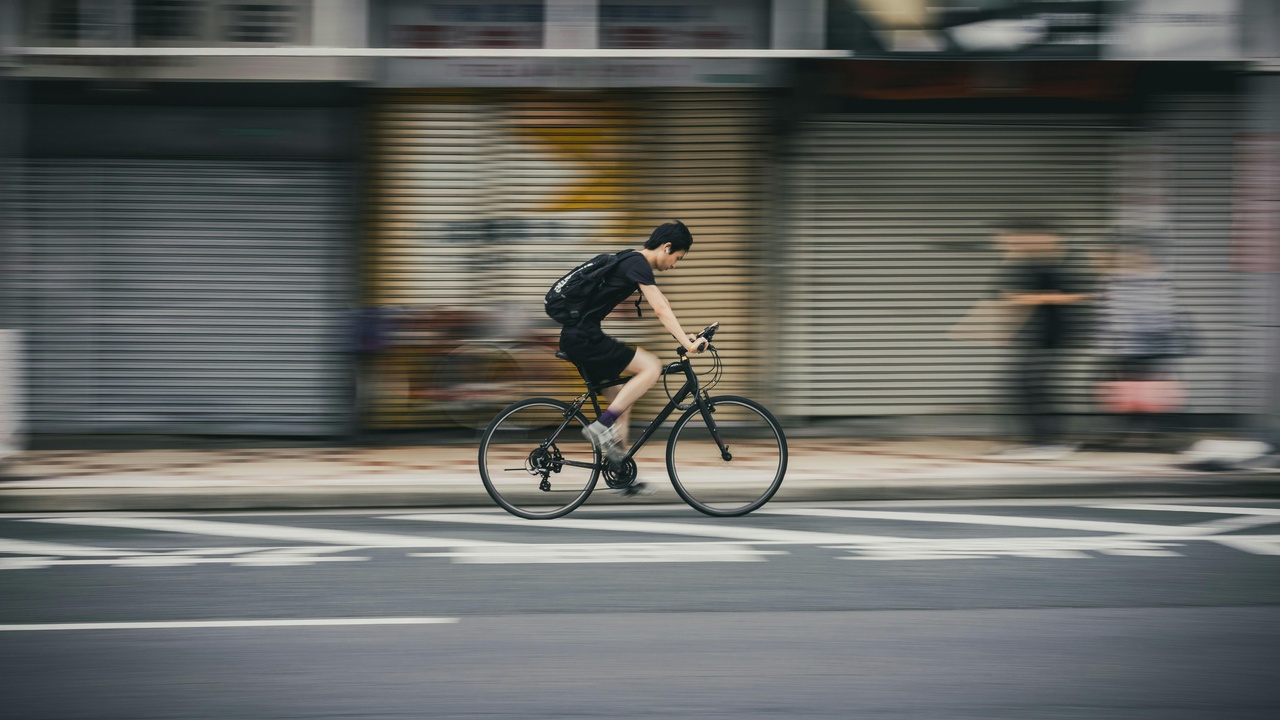
Osaka’s compact center serves adrenaline in small packages: indoor climbing gyms, nighttime e-bike routes along neon canals, and world-class theme-park coasters. Many city thrills are reachable within 30 minutes by subway or local train, so you can stack activities into a half-day or an action-packed evening. If you’re compiling a list of adventurous things to do in Osaka, start with these easy-to-book options and factor in peak times—weekends and holiday evenings are busiest.
Practical tips: reserve popular climbing sessions or Express Passes for Universal Studios Japan ahead of peak season, bring a compact first-aid kit for scrapes, and choose e-bikes if you want distance without sweat. Costs vary from budget-friendly indoor sessions to pricier theme-park extras, and age or height limits apply to high-thrill rides—so check requirements before you go.
1. Indoor bouldering and climbing at top gyms
Indoor bouldering is an accessible, high-energy urban activity perfect for short visits or rainy days. Popular gyms like B-Pump Osaka and Climb Park Base offer beginner routes and rental shoes (routes graded V0–V10), short intro classes, and family-friendly hours. Sessions typically last 2–3 hours, and many climbers rotate through problems so you get a full workout without a multi-hour commitment.
Entry fees typically fall in the ¥1,500–¥3,000 range per session (rental shoes extra). Climbing has grown rapidly in Japan over the past decade, and you’ll find English-friendly staff at larger gyms and periodic local competitions—great if you want to watch or join the community.
2. Night bike tours and e-bike rides through Dotonbori and riverside routes
Night cycling is both active and scenic: guided tours usually last 2–3 hours, combining easy pedaling with street-food stops and photo breaks under neon lights. E-bike rentals are increasingly common, lowering the fitness barrier and enabling longer riverside loops (Nakanoshima) or canal-side rides through Dotonbori.
Expect guided tour prices around ¥4,000–¥7,000 for an evening, with helmet rules enforced at most operators. Avoid the busiest pedestrian windows in Dotonbori by starting slightly earlier or later than peak dinner time, and use bike lanes where provided—guided groups handle navigation and local etiquette, which is helpful for first-time riders.
3. Thrill rides at Universal Studios Japan (roller coasters and immersive attractions)
Universal Studios Japan, opened in 2001, is a short train ride from central Osaka and draws thrill-seekers to headline coasters and elaborate themed lands. Standouts include The Flying Dinosaur—a high-intensity suspended coaster introduced in the mid-2010s—and Hollywood Dream, which offers steep drops and strong forces for coaster fans. Pre-pandemic attendance at USJ was roughly 14 million visitors annually, so plan ahead.
Save time with Express Passes (price varies by day and demand) and aim for weekday mornings if you want shorter lines. Check height and health advisories for each ride—those prone to motion sickness should pace their day. Combining USJ with an evening in the city makes for a full, high-energy itinerary.
Coastal & Island Adventures: Kayaks, snorkeling, and hidden islands
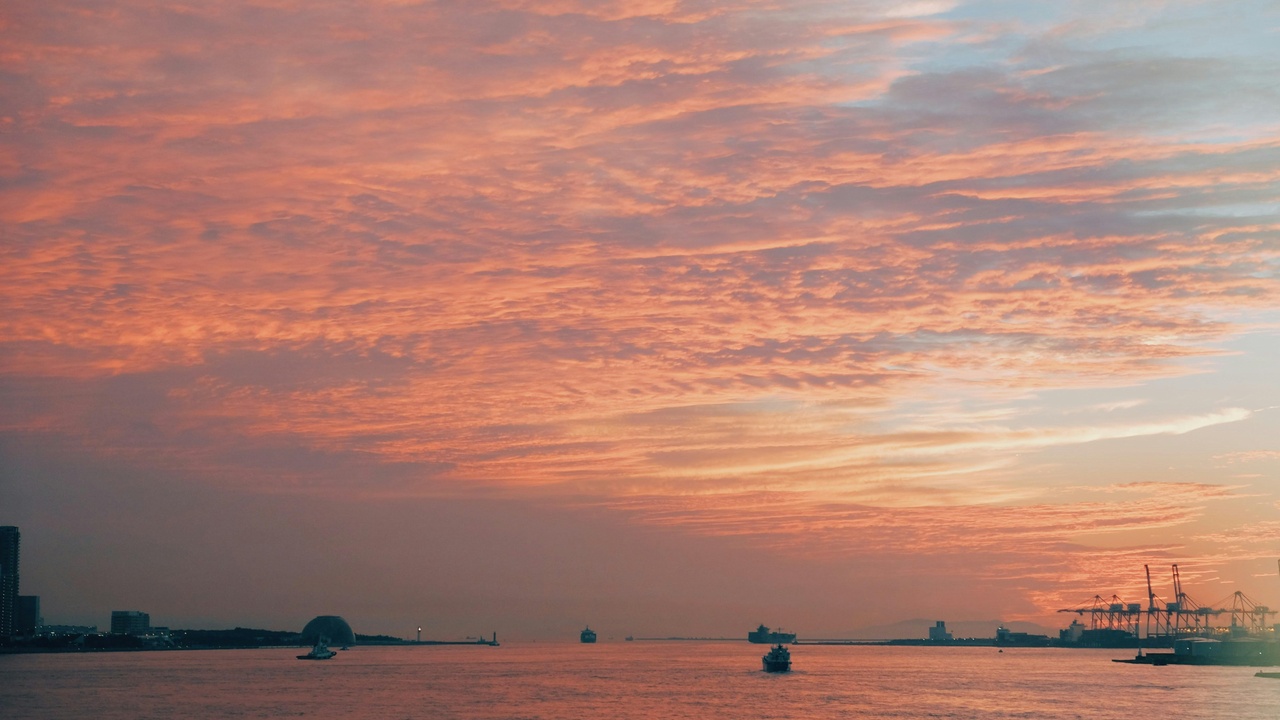
The waters of Osaka Bay unlock surprising escapes: nearby islands like Tomogashima and Awaji Island are reachable within 45–90 minutes by train plus ferry, and sea kayaking lets you approach cliffs and coves few visitors see. Best months for calm seas and good visibility are April–June and September–October, though summer brings warm water for snorkeling.
Safety matters—check tide windows, hire certified guides for open-water paddles, and book transfers in advance for island trips. Day options run from half-day kayak loops to full-day island-hopping and snorkel excursions, with prices reflecting guide inclusion and transport logistics.
4. Sea kayaking and island-hopping to Tomogashima
Tomogashima is a short boat or paddle from the mainland and rewards explorers with rugged trails, abandoned military batteries from the Showa era, and a compact lighthouse. Kayak tours typically last 4–6 hours for guided half- to full-day trips and often include transfers from Sakai or Kada on the Wakayama side.
Guided operators emphasize tide awareness and lifejackets; expect prices roughly between ¥8,000–¥15,000 depending on inclusions (kayak, guide, transfers). Kayaking gives you access to sea cliffs and tidal pools that ferries don’t reach—respect restricted zones and follow local signage when exploring ruins and nature trails.
5. Snorkeling and diving around Awaji Island and Osaka Bay
Awaji Island is the nearest consistent spot for diving and snorkeling from Osaka, with sites offering seasonal visibility and local marine life such as colorful reef fish and occasional nudibranchs. Certified divers (PADI/SSI) will find boat and shore dives; beginners can take guided snorkel trips or try introductory dives with local shops.
Typical guided dive prices range from ¥8,000–¥12,000 per dive (gear rental extra), and shops often bundle transfer services. Late spring and early autumn usually give the best visibility; shore dives are convenient for snorkelers while boat dives open access to deeper, clearer sites.
Mountains, Trails & Cultural Adventure: Hikes, history, and hands-on experiences
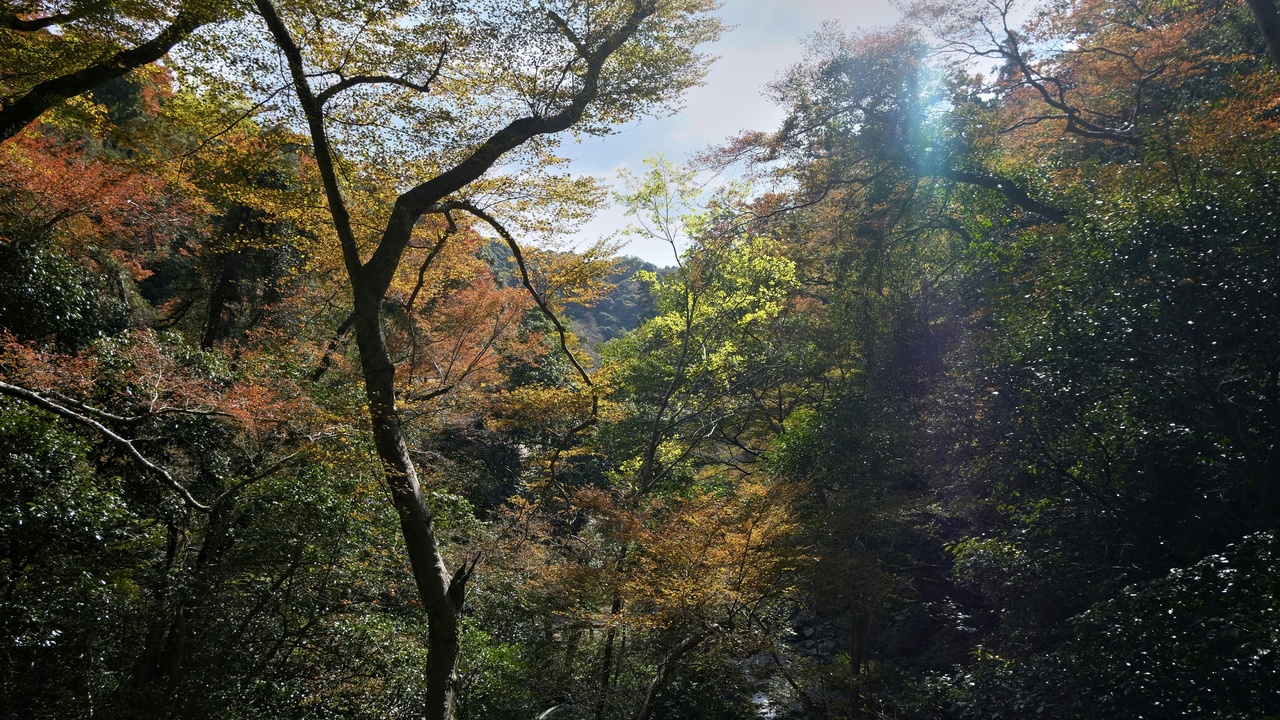
Adventurous travel around Osaka includes short train hops into forests, mountain summits, and workshops that let you handle historic weaponry or don samurai armor. Minoo Park is roughly 30 minutes from central Osaka for an easy waterfall walk, while Mount Kongo (1,125 m) offers a full-day summit for more serious hikers. Seasonal highlights and local festivals add extra layers to these outings.
Bring proper footwear for trails, reserve cultural experiences in advance, and choose day lengths that match your fitness and group—family options exist alongside longer ridge routes for experienced hikers. Respect historic sites and follow local guidance on what areas are off-limits.
6. Hike Minoo Park or tackle Mount Kongo for varying difficulty
Minoo (Minoh) Park is a gentle, forested walk leading to a 33-meter waterfall and makes a great half-day escape (about 1–2 hours round-trip). From Umeda it’s roughly a 30-minute train ride followed by an easy approach path lined with maple trees—November foliage is especially popular.
By contrast, Mount Kongo (summit 1,125 m) is a 4–7 hour outing depending on route and pace; plan for a 60–90 minute train+bus approach from central Osaka. For Kongo bring water, layered clothing, and a map or GPS—you’ll cross exposed ridgelines and variable weather. Both hikes illustrate how quickly mountainous terrain opens up from the city center.
7. Samurai, ninja, and archery experiences: active cultural immersion
Hands-on historic experiences deliver both a physical thrill and cultural context: samurai armor trial studios in central Osaka let you wear traditional gear and pose for photos, while short sword-handling introductions or kyudo (Japanese archery) sessions teach basic technique. Sessions generally last 60–120 minutes, making them easy to slot into a day of sightseeing.
Typical prices range from ¥3,000–¥10,000 depending on inclusions (photography, costume, instructor). Many operators operate near tourist hubs—some even pair the experience with nearby historic sites like Osaka Castle—so book ahead for weekend slots and check age or mobility restrictions.
Summary
Osaka stitches together compact urban thrills, nearby islands, and mountain trails into a traveler’s playground—most activities fit into half-day or full-day plans and are accessible by train and short transfers. Indoor bouldering is a reliable rain-day option, island paddles reveal abandoned forts and pristine coves, and short cultural workshops add memorable, active context to your visit.
- Osaka combines city-based excitement with island and mountain escapes reachable in 30–90 minutes.
- Many activities accommodate short visits—half-day climbs, evening e-bike tours, and full-day island paddles.
- Book guided sea or mountain trips for safety and richer local knowledge (tide windows, route conditions).
- Try a sampler: indoor climb in the morning, Tomogashima kayak in the afternoon; reserve Express Passes or guided kayak slots in advance.