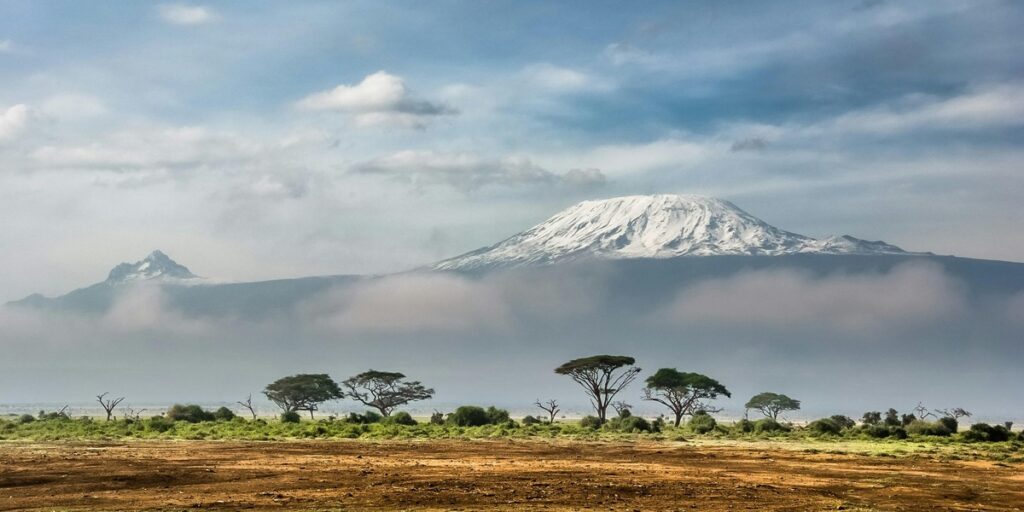
In 1964, Tanganyika and Zanzibar united to form the modern nation of Tanzania, a union that shaped a unique cultural and geographic identity stretching from Mount Kilimanjaro to the spice islands of Zanzibar.
Benefits of living in Tanzania include a mix of growing economic opportunity, warm community life, accessible world-class nature, and improving services that matter to people choosing where to settle. The country is home to roughly 63 million people, and Mount Kilimanjaro rises to 5,895 m — reminders of Tanzania’s demographic scale and dramatic geography. For entrepreneurs, remote workers, and families the combination of tourism, agriculture, relatively affordable living, and better connectivity makes everyday life both practical and appealing.
Economic advantages

1. Growing tourism and hospitality jobs
Tourism supports a large number of jobs across Tanzania and continues to expand as international visitor numbers recover. When direct and indirect impacts are combined, tourism has been estimated at about 15–20% of GDP in past assessments; verify current figures with UNWTO or World Bank reports.
The practical effects show up in lodges, guides, transport providers and local vendors. Serengeti lodges and safari companies in Arusha hire seasonal and full-time staff, while Zanzibar’s beachfront resorts employ cooks, housekeepers and dive instructors year-round. Small-scale entrepreneurs run homestays, boutique hotels and town-based tour operations that serve both international guests and domestic travelers.
Seasonality matters — many safari jobs peak during dry months — but digital nomads and remote workers also plug into local hospitality scenes, filling lower-season demand and creating hybrid income streams for guides and small operators.
2. Agriculture and agribusiness opportunities
Agriculture remains a large part of the economy and workforce, creating room for farm-level entrepreneurs and value-added businesses. Major export crops include coffee, cashew, tea and cloves, and there is clear scope for onshore processing to capture higher margins.
Smallholder cooperatives around Mbeya and the Southern Highlands organize coffee and vegetable production, while cashew processing plants add value before export. Cold-chain startups and contract-farming models are emerging where investors or NGOs help link growers to global buyers.
For residents that want a business angle, opportunities range from running agro-processing units and logistics for perishable goods to offering agritourism stays and farm-to-table restaurants that serve both locals and visitors.
3. Strategic trade location and improving infrastructure
Tanzania’s coastline and ports position it as a regional trade hub, with Dar es Salaam serving as a major gateway for East African commerce. Capacity expansions at the Port of Dar es Salaam and corridor upgrades boost throughput for imports and exports.
Corridor projects such as the Central Corridor link Tanzanian ports to landlocked neighbors like Rwanda and parts of the DR Congo, improving access and lowering transport costs for exporters. Road improvements between Dar es Salaam and Dodoma, plus private investment in logistics parks, create jobs in warehousing, freight handling and transport services.
Residents benefit through better availability of imported goods, local employment in logistics, and easier export routes for small businesses that want to reach regional markets.
Lifestyle and culture
4. Rich cultural life and a strong sense of community
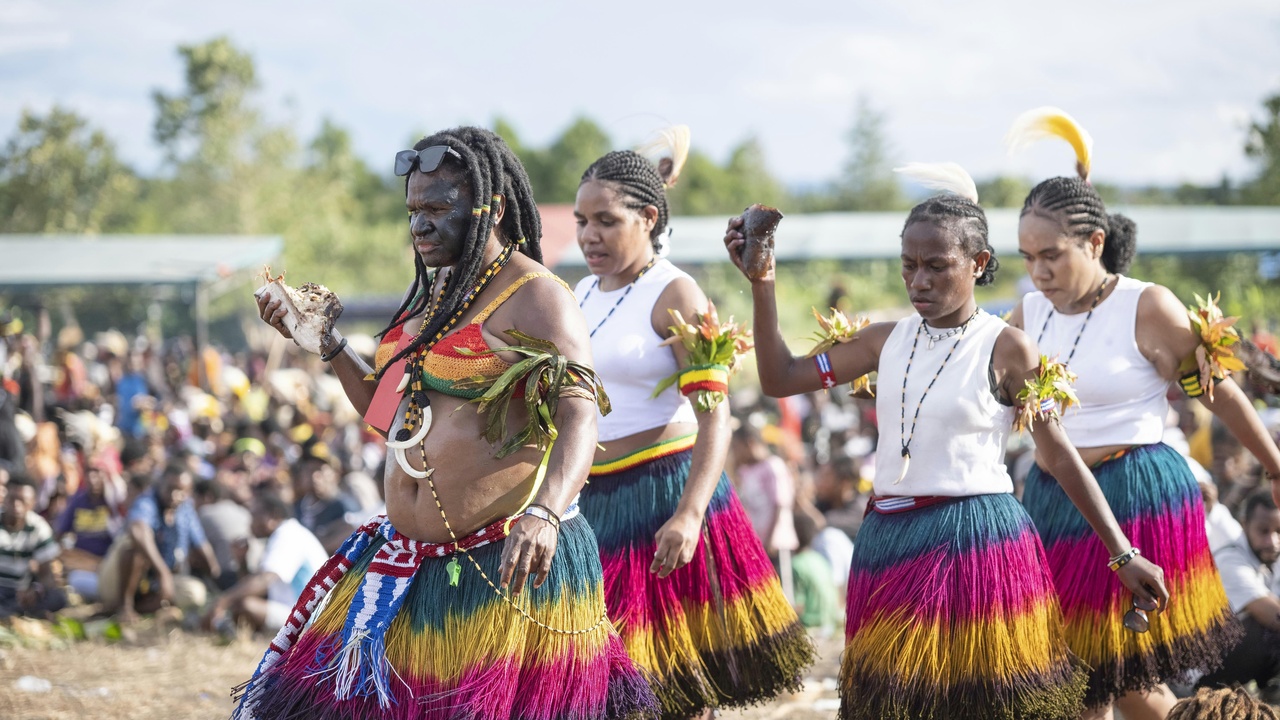
Tanzania’s ethnic and cultural mix — Bantu, Nilotic groups and coastal Swahili influences — produces lively music, cuisine and festivals across regions. Kiswahili serves as a unifying language, making daily interaction and integration easier for newcomers who invest time in learning it.
Neighborhood networks and communal markets provide social infrastructure: markets like Kariakoo in Dar es Salaam are commercial hubs and meeting places, while taarab music nights in Zanzibar and Maasai craft markets around Arusha offer cultural immersion. Local language classes and community centers help newcomers build friendships and practical ties.
That sense of everyday community makes it simpler for families and single residents to find social activities, volunteer opportunities and small business clients in a shared cultural space.
5. Affordable cost of living for many expats and locals
Compared with many Western cities, everyday expenses such as local food, public transport and rents outside prime neighborhoods can be lower in Tanzania. Exact comparisons vary by city and lifestyle, so consult up-to-date cost-of-living sources like Numbeo or national statistics for current figures.
Lower costs translate into practical benefits: residents often hire domestic help affordably, childcare and local services cost less than in many high-income countries, and retirees or remote workers can stretch pensions or online incomes farther. That said, imported goods, international school fees and private healthcare in major cities can be expensive.
Ultimately, choosing Dar es Salaam or Zanzibar will look different from living in smaller towns, so location matters when budgeting.
6. Warm climate and an outdoor lifestyle
Tanzania’s climatic range — from coastal tropics to cooler highlands around Kilimanjaro — supports outdoor living year-round in many areas. People spend mornings at open-air markets, weekends hiking or on beaches, and evenings dining outdoors in waterfront cafés.
Examples include weekend hikes on Mount Meru, beach days on Zanzibar and Pemba, and vibrant outdoor markets for produce and seafood. Residents adapt to seasonal patterns (long rains, short rains) with local housing choices and activity planning.
Access to both seaside and highland settings within a single country makes it easy to pick a climate and lifestyle that suit you.
Natural environment and recreation
7. Access to world-class wildlife and protected parks
Living here means many residents can reach major parks within a day or weekend. The Serengeti, Ngorongoro Conservation Area and other reserves offer frequent recreational access and meaningful volunteer roles in conservation.
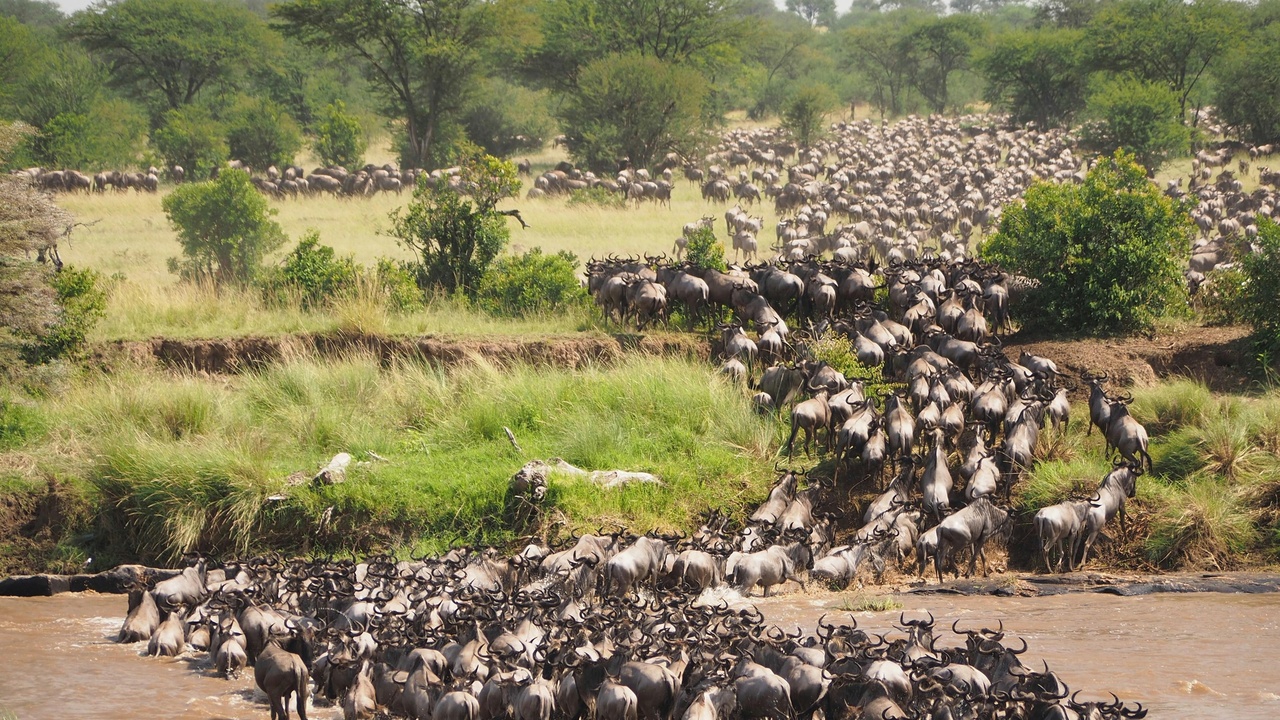
The Great Migration involves roughly 1–1.5 million wildebeest on the move during peak months, a spectacle residents can witness without long international travel. Local guide cooperatives and community-run conservancies provide income while linking people to protected land management.
For hobbyists and professionals alike, opportunities include weekend safaris, guiding careers, and participation in research or community-based tourism that supports both conservation and livelihoods.
8. Beaches, islands, and marine recreation
Tanzania’s long Indian Ocean coastline and islands like Zanzibar, Pemba and Mafia offer snorkeling, diving and island entrepreneurship. Zanzibar’s history as a spice-trade entrepôt remains visible in its markets and coastal culture.
Clear coral reefs around Mnemba Atoll and prolific dive sites on Pemba and Mafia attract divers, while seaweed-farming communities on Pemba provide livelihoods and ways for residents to engage with marine economies. Beachfront restaurants in Nungwi and dive operators create both employment and weekend options for residents.
Easy access to islands supports a lifestyle balanced between coastal leisure and small-business possibilities in tourism and fisheries.
Services, safety and connectivity
9. Improving healthcare and education access
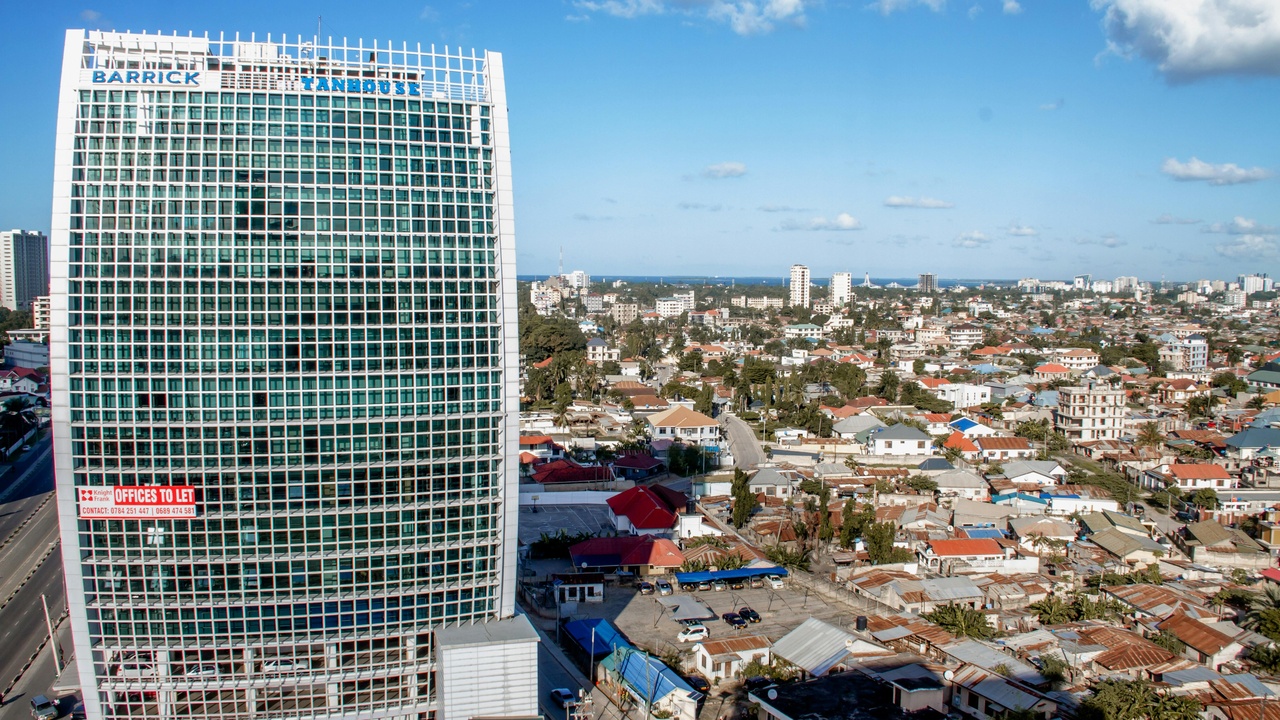
Major urban centers offer national referral hospitals, private clinics and a growing selection of international schools. Muhimbili National Hospital in Dar es Salaam is a key referral center, and private hospitals and specialty clinics have expanded in recent years.
International and private schooling options exist in Dar es Salaam and Arusha, serving expatriate and affluent local families. For remote or rural residents, telemedicine and emergency airlift services are options increasingly used to bridge care gaps.
Expats and wealthier Tanzanians commonly use private facilities for specialty care, while public hospitals and clinics offer broader access; check local offerings in the city or region you plan to live in before moving.
10. Growing transport links and digital connectivity
Transport and connectivity have improved, expanding options for work and commerce. Airports such as Kilimanjaro International Airport and Julius Nyerere International in Dar es Salaam support regional and international flights, while road upgrades increase intercity accessibility.
Mobile services and fintech platforms enable business and everyday payments; mobile money systems that mirror regional examples are widely used and support small enterprises. Fiber and 4G expansion in urban centers make remote work and digital business increasingly practical.
Improving infrastructure attracts investment and raises the quality of life for residents who rely on connectivity for work, education and commerce.
Summary
- Tanzania combines tangible economic opportunities—especially in tourism and agribusiness—with improving transport and logistics that benefit residents and small businesses.
- Culture, climate and affordability support a high quality of life: strong community networks, warm weather and lower everyday costs in many places.
- Access to world-class parks, the Great Migration and blue-water islands like Zanzibar provide unmatched recreation and conservation engagement close to home.
- Benefits of living in Tanzania are increasingly backed by better healthcare, schooling options in major cities, and expanding digital and transport links—worth exploring with a short visit and up-to-date visa and cost-of-living checks.