Coastal hubs and compact inland towns have often acted as independent political centers, shaping trade routes, law and culture beyond their geographic size. Their networks of commerce, diplomacy and defense make these places key pieces in regional histories and modern curiosities alike.
There are 30 City-States, ranging from Amalfi to Venice. Each entry lists Country, Status, Era (years) so you can see where and when these polities held sway — you’ll find below.
How were the places chosen for this list?
Entries are selected for historical or legal independence: cities that functioned as self-governing polities, held recognized diplomatic relations, or issued charters/coinage distinguishing them from regular towns. Sources include historical records and scholarly references; the Status and Era columns indicate differing degrees and periods of autonomy.
How should I read the Country, Status, Era (years) columns when comparing items?
Use Country to group geographic context, Status to note whether a city was fully sovereign, a protectorate, or a vassal, and Era (years) to track temporal overlap. Keep in mind definitions of sovereignty changed over time, so cross-check entries if you need precise legal or chronological comparisons.
City-States
| Name | Country | Status | Era (years) |
|---|---|---|---|
| Singapore | Singapore | Extant | ongoing |
| Vatican City | Vatican City | Extant | ongoing |
| Monaco | Monaco | Extant | ongoing |
| San Marino | San Marino | Extant | ongoing |
| Venice | Italy | Historical | c.697–1797 |
| Genoa | Italy | Historical | c.1005–1797 |
| Florence | Italy | Historical | c.1115–1532 |
| Rome | Italy | Historical | c.753–27 BCE |
| Athens | Greece | Historical | c.8th century BCE–86 BCE |
| Sparta | Greece | Historical | c.10th century BCE–146 BCE |
| Carthage | Tunisia | Historical | c.9th century BCE–146 BCE |
| Tyre | Lebanon | Historical | c.2,000–332 BCE |
| Sidon | Lebanon | Historical | c.2,000–332 BCE |
| Byblos | Lebanon | Historical | c.3,000–200 BCE |
| Novgorod | Russia | Historical | 1136–1478 |
| Pskov | Russia | Historical | 1348–1510 |
| Republic of Ragusa | Croatia | Historical | 1358–1808 |
| Kilwa | Tanzania | Historical | c.10th–15th century |
| Malacca | Malaysia | Historical | c.1400–1511 |
| Tikal | Guatemala | Historical | c.200–900 CE |
| Palenque | Mexico | Historical | c.226–799 CE |
| Copán | Honduras | Historical | c.426–c.827 CE |
| Calakmul | Mexico | Historical | c.250–900 CE |
| Tlaxcala | Mexico | Historical | c.1300–1521 |
| Free City of Danzig | Poland | Historical | 1920–1939 |
| Republic of Kraków | Poland | Historical | 1815–1846 |
| Lucca | Italy | Historical | 1119–1799 |
| Siena | Italy | Historical | 1125–1555 |
| Amalfi | Italy | Historical | 9th–12th centuries |
| Pisa | Italy | Historical | c.11th–1406 |
Images and Descriptions
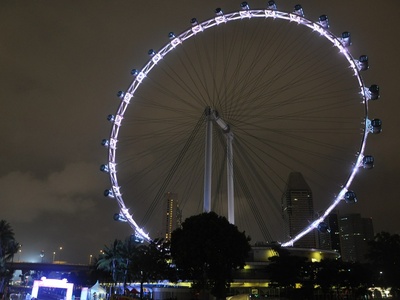
Singapore
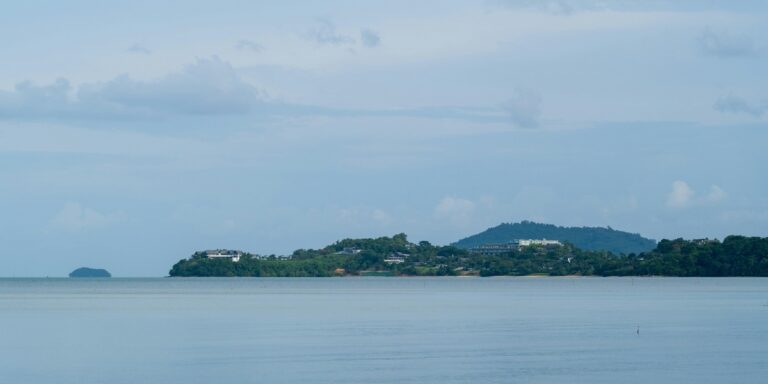
Modern city-state in Southeast Asia centered on the island-city of Singapore; independent since 1965. A global trade, finance and transport hub, notable for rapid postwar development, pragmatic governance and concentrated sovereign territory focused on a single urban metropolis.
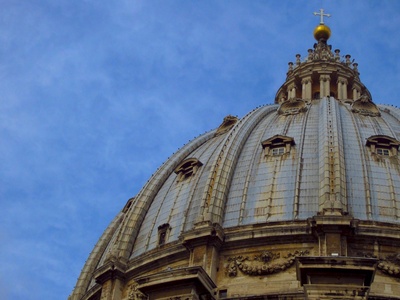
Vatican City
Tiny independent city-state enclaved within Rome, Italy; created in 1929 by the Lateran Treaty. Spiritual and administrative heart of the Roman Catholic Church, notable for St. Peter’s Basilica, the Pope’s sovereignty and a highly compact, ecclesiastical territorial footprint.
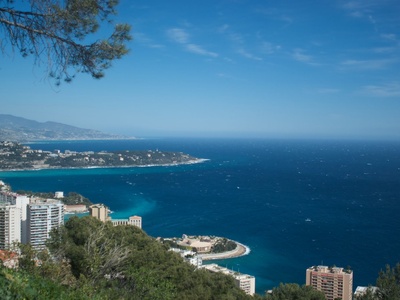
Monaco
Tiny sovereign principality on the French Riviera centered on Monaco City; independent by long-standing treaties. Famous for its casino, luxury tourism and exceptionally high population density, Monaco has retained political sovereignty while maintaining deep economic and cultural ties with France.

San Marino
Enclave microstate surrounded by Italy centered on the City of San Marino atop Mount Titano; claims foundation in AD 301 and continuous republican rule. Noted for preserving medieval institutions and independence despite surrounding larger states across centuries.
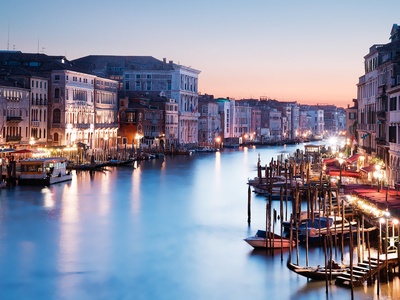
Venice
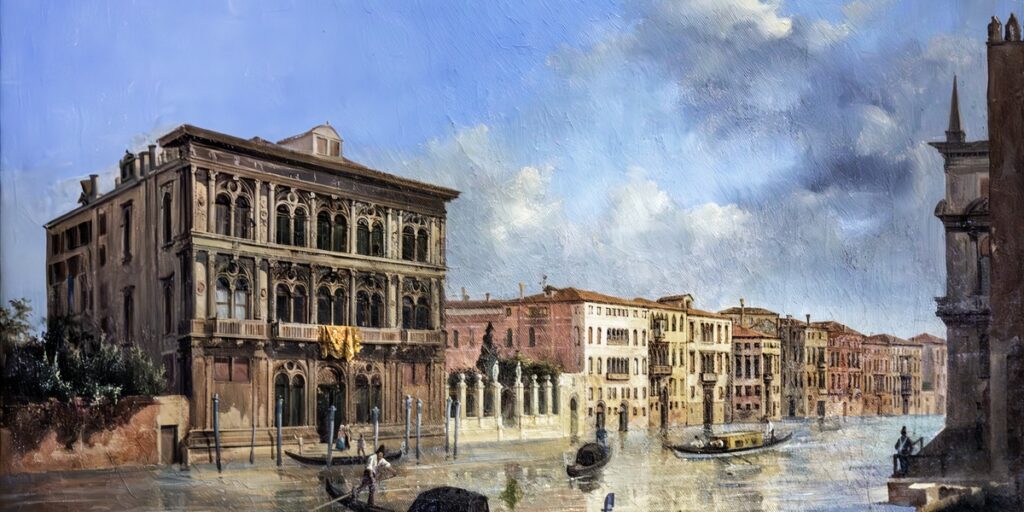
Maritime republic based in Venice, northeastern Italy, independent for over a millennium until Napoleon’s conquest in 1797. Dominant Mediterranean naval and commercial power, notable for its merchant fleets, colonial trading network and distinctive lagoon urbanism and republican institutions.
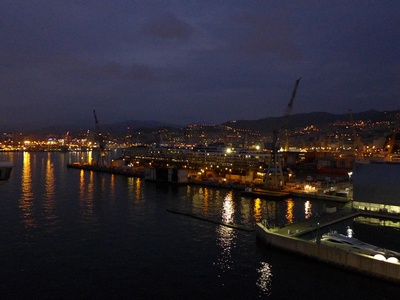
Genoa
Republic of Genoa, an independent maritime city-state on Italy’s Ligurian coast with major influence from the Middle Ages through early modern times. Known for seafaring trade, banking innovation, rivalry with Venice and extensive Mediterranean and Black Sea colonies.
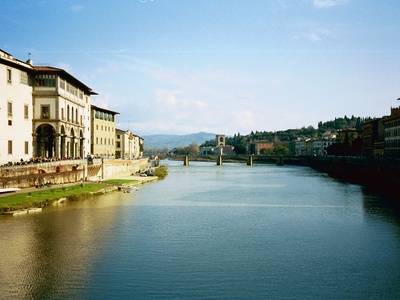
Florence
Republic of Florence, a central Italian city-state that rose from medieval commune to Renaissance powerhouse. Famous as the cradle of the Renaissance, it wielded economic and cultural influence through merchant banking families like the Medici and civic republican institutions.
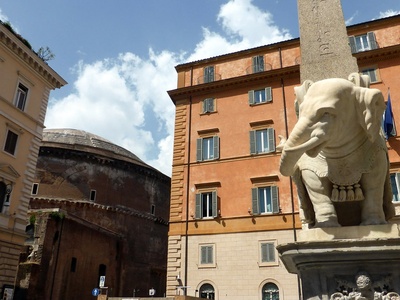
Rome
Ancient Rome began as a city-state on the Tiber, evolving from monarchy to republic before expanding into an Italian and Mediterranean power. Notable for republican institutions, civic religion and political transformation from an independent city to the center of an empire.
Athens
Ancient Athens was an independent Greek polis famous for developing early democracy, maritime power and cultural achievements in philosophy, drama and art. Centered on the city and its territory of Attica, it remains a classic example of a sovereign ancient city-state.
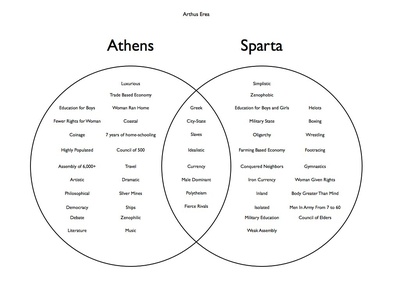
Sparta
Sparta was a militarized Greek polis in Laconia centered on the city of Sparta and surrounding territory; famed for its austere social system, hoplite military dominance and dual kingship, remaining politically independent until Roman conquest in 146 BCE.
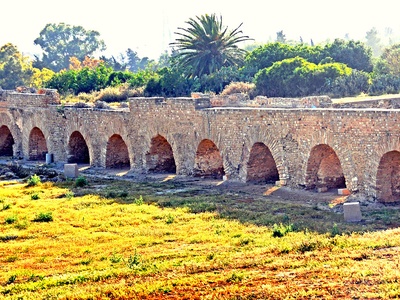
Carthage
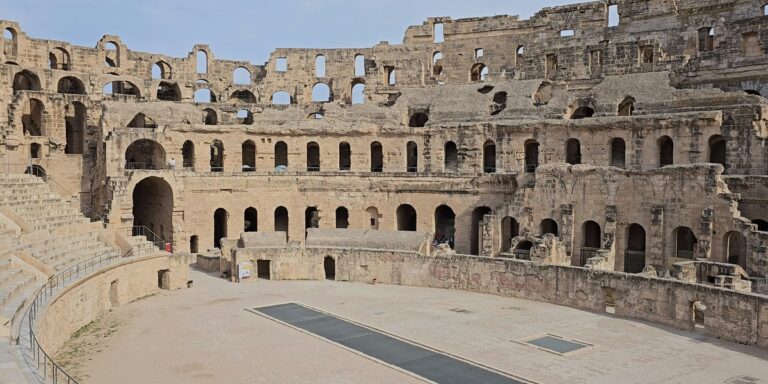
Phoenician-founded city-state on the Tunisian coast that grew into a maritime and commercial empire, notable for trade across the western Mediterranean and fierce rivalry with Rome during the Punic Wars before destruction in 146 BCE.
Tyre
Tyre was a major Phoenician city-state on the Levantine coast noted for maritime trade, purple dye production and colonial expansion across the Mediterranean. It retained political autonomy for millennia until Alexander the Great’s siege and partial destruction in 332 BCE.
Sidon
Sidon was a prominent Phoenician coastal city-state, influential in seafaring commerce, craft industries and colonial trade networks across the Mediterranean. It exercised local sovereignty for centuries before Hellenistic conquest in the 4th century BCE.
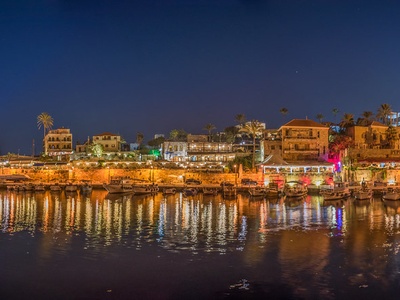
Byblos
Byblos, one of the oldest continuously inhabited Phoenician city-states on the Levantine coast, was pivotal for early alphabet development and maritime trade. It sustained local political autonomy through successive Bronze and Iron Age periods before integration into larger empires.
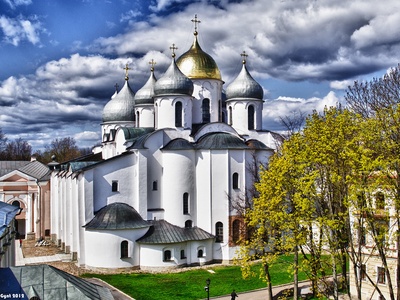
Novgorod
The Novgorod Republic was a medieval East Slavic city-state centered on Veliky Novgorod; governed by a veche (assembly) and powerful merchant class. It controlled extensive hinterlands and trade routes until Moscow absorbed its independence in 1478.
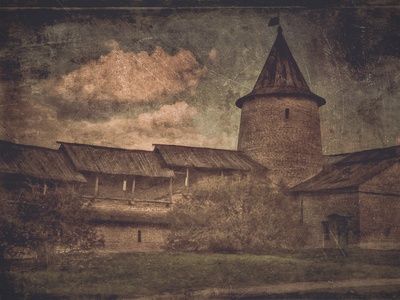
Pskov
Pskov operated as an independent medieval republic and city-state in northwestern Russia with its own assembly and laws. It maintained autonomy through diplomacy and trade but was ultimately annexed by the rising Muscovite state in the early 16th century.
Republic of Ragusa
The Republic of Ragusa, centered on Dubrovnik, was a maritime city-state on the Adriatic noted for skilled diplomacy, merchant fleets and legal institutions. It secured long autonomy through treaties with larger neighbors until Napoleonic dissolution in 1808.
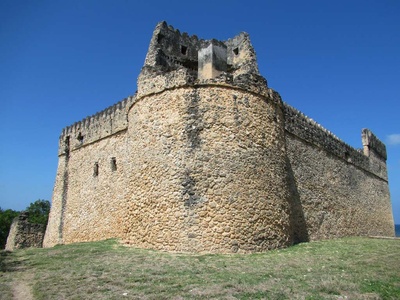
Kilwa
Kilwa Kisiwani was a Swahili city-state on the East African coast that controlled long-distance Indian Ocean trade in gold, ivory and slaves. Notable for wealth and cosmopolitan culture, Kilwa attracted merchants from Persia, Arabia and India before decline in the 15th century.
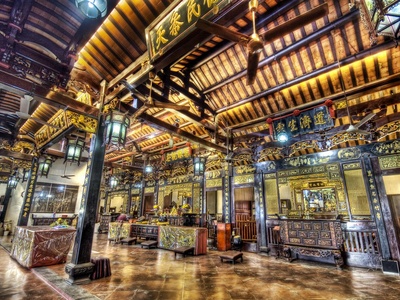
Malacca
The Sultanate of Malacca was a maritime trading city-state on the Malay Peninsula that dominated Straits trade in Southeast Asia. Renowned for strategic location, commercial laws and multicultural port society, it fell to the Portuguese in 1511.
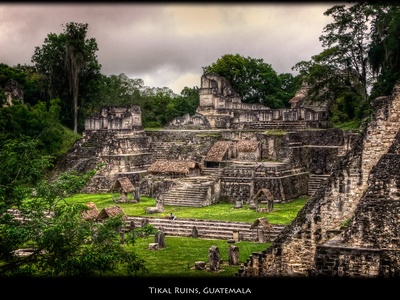
Tikal
Tikal was a major Classic Maya city-state in the Petén region of modern Guatemala, famous for monumental pyramids, stelae and long-distance trade. It exercised regional political sovereignty, engaged in rivalry with other Maya polities and led powerful dynastic rulerships.
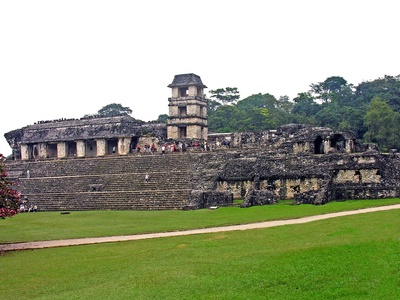
Palenque
Palenque was a Classic Maya city-state in present-day Chiapas, Mexico, noted for sophisticated Maya architecture, hieroglyphic inscriptions and dynastic history. As an independent polity it produced notable rulers and exceptional sculptural and epigraphic records.
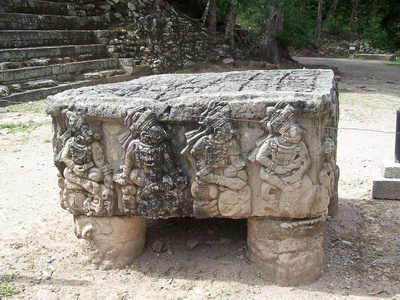
Copán
Copán was a Classic Maya city-state in the Copán Valley, famous for intricate sculpture, stelae, hieroglyphic texts and a dynastic court. It functioned as an autonomous political center controlling local agricultural hinterlands and elite culture.
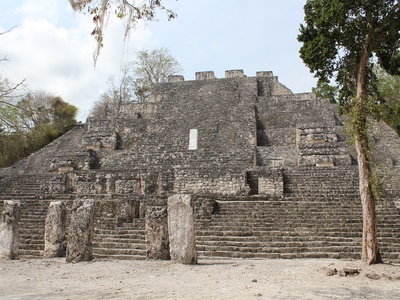
Calakmul
Calakmul was a powerful Classic Maya city-state in the southern Yucatán peninsula, notable for rivalry with Tikal, extensive political alliances and monumental architecture. It exercised regional hegemony through patronage and warfare during the Classic period.
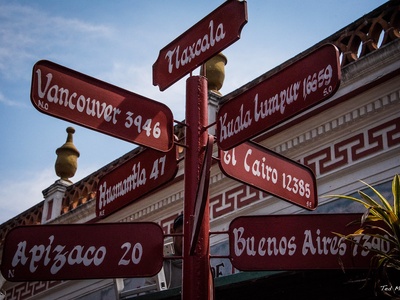
Tlaxcala
Tlaxcala was a Nahua city-state confederation in central Mexico that maintained independence from the Aztec Triple Alliance. Notable for resisting Aztec dominance and later allying with Spanish conquistadors, securing distinct status in early colonial Mexico.
Free City of Danzig
The Free City of Danzig (now Gdańsk, Poland) was a semi-autonomous city-state under League of Nations protection between World Wars, with its own governance and customs. It illustrates 20th-century efforts to balance national claims in contested port cities.
Republic of Kraków
The Free City of Kraków was a small independent city-state established after the Napoleonic Wars and Congress of Vienna. Centered on Kraków, it preserved cultural autonomy and civic institutions until annexation by Austria in 1846 following internal unrest.
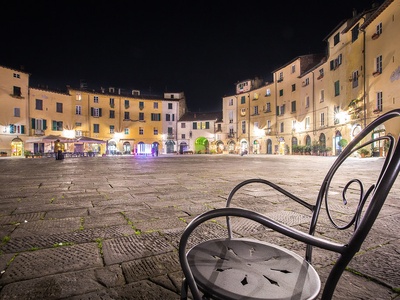
Lucca
The Republic of Lucca was an independent Tuscan city-state governed by its own institutions and merchant elite for centuries. Known for silk production and conservative republican government, it retained autonomy amid regional powers until Napoleonic reorganization.
Siena
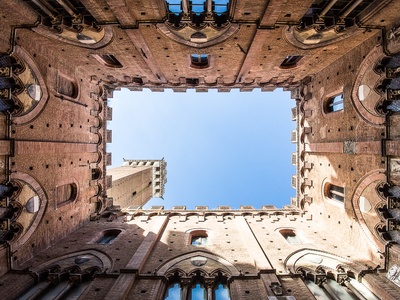
The Republic of Siena was a central Italian city-state famed for independent republican government, banking and artistic patronage. Its rivalry with Florence defined regional politics until defeat in 1555 and absorption into larger territorial states.
Amalfi
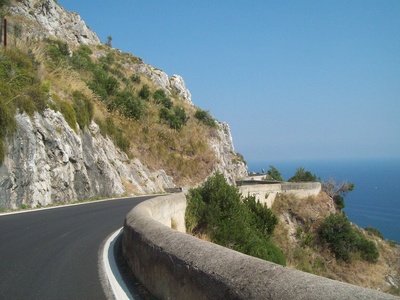
The maritime Duchy of Amalfi was an early medieval Italian city-state on the Amalfi Coast, influential in Mediterranean trade, maritime law and navigation. Its merchant fleets and sea-based networks gave the small city significant regional autonomy before Norman and Venetian competition.
Pisa
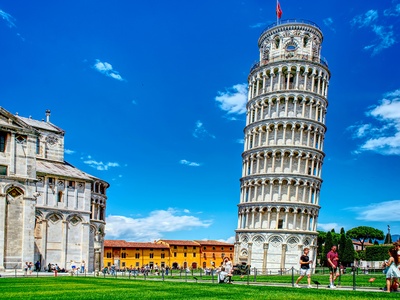
The Republic of Pisa was a maritime city-state on Italy’s western coast, prominent in Mediterranean and Atlantic trade, naval expeditions and Crusader-era expansion. Pisan naval power and banking earned regional influence until defeat by Genoa and Florentine pressures.