Egypt’s language scene mirrors its landscape: urban Cairene speech, Mediterranean coast pronunciations, Nile Delta varieties, and isolated desert and oasis forms all coexist. Local vocabulary and pronunciation shift with history, trade routes and community ties, giving each area a distinct sound.
There are 22 Dialects in Egypt, ranging from Alexandria Coastal Arabic to Western Desert Bedouin Arabic, illustrating coastal, urban, rural and Bedouin extremes. For each entry you’ll find Region,Speakers (est.),Key features (max 15 words); you’ll find below.
How mutually intelligible are these dialects—will speakers from different regions understand each other?
Most Egyptian dialects are mutually intelligible, especially in informal speech; Cairene (urban) forms serve as a common reference thanks to media. Strong rural or Bedouin varieties may require adjustment, but basic conversation and context usually bridge gaps.
Which dialect should a learner focus on for everyday communication in Egypt?
Learn Cairene Egyptian (Cairo dialect) first: it’s widely understood across the country through TV, film and commerce. Once comfortable, pick a regional variety if you plan extended stays or close community interaction.
Dialects in Egypt
| Name | Region | Speakers (est.) | Key features (max 15 words) |
|---|---|---|---|
| Cairene Arabic | Greater Cairo | 20,000,000 | Prestige urban accent; q→glottal stop; widely intelligible |
| Alexandrian Arabic | Alexandria and nearby Mediterranean towns | 5,000,000 | Coastal intonation; distinct vowel quality; maritime vocabulary influences |
| Nile Delta Arabic | Gharbia,Dakahlia,Menoufia,KafrElSheikh,Beheira | 20,000,000 | Rural-urban mix; softer consonants than Sa’idi; local agricultural terms |
| Dumyati (Damietta) Arabic | Damietta governorate and surroundings | 1,100,000 | Distinct alveolar pronunciations; fishery and port lexicon |
| PortSaid Arabic | Port Said governorate | 600,000 | Sharp intonation; maritime loanwords; port-town rhythms |
| Suez-Canal Arabic | Ismailia,Suez,Canal towns | 1,500,000 | Mixed urban features; military and trade lexicon; vowel shifts |
| Fayyumi Arabic | Faiyum oasis and governorate | 2,000,000 | Oasis-influenced lexicon; conservative consonant retention |
| Sa’idi Arabic (Upper Egyptian) | Asyut,Sohag,Qena,Minya,Luxor,Aswan | 24,000,000 | Velarized consonants; different pronouns; conservative archaic features |
| Southern Sa’idi (Aswan/Luxor) Arabic | Luxor,Aswan,KomOmbo | 4,000,000 | Stronger consonant emphases; Nubian substrate influences |
| Middle Egypt Arabic (Minya/BeniSuef) | Al-Minya,Beni Suef and surrounding towns | 5,500,000 | Mix of Sa’idi and Delta traits; variable vowel pronunciations |
| Sinai Bedouin Arabic | Sinai Peninsula (Bedouin tribes) | 300,000 | Bedouin phonology; tribal lexicon; conservative grammar |
| Eastern Desert Bedouin Arabic | Red Sea Hills,Eastern Desert tribes | 60,000 | Conservative Bedouin features; pastoral vocabulary |
| Western Desert Bedouin Arabic | Oases:Bahariya,Farafra,Kharga,Dakhla | 100,000 | Oasis vocabulary; isolated phonetic features; contact with Amazigh languages |
| Siwi (Siwa Berber) | Siwa Oasis (Matrouh governorate) | 23,000 | Berber grammar; unique phonemes; many Arabic loanwords |
| Nobiin (Nubian) | Aswan area,Kom Ombo and Nubian communities | 150,000 | Nubian phonology; agglutinative morphology; Arabic influence |
| Kenzi (Kenuzi-Dongola) | Nubian communities in southern Egypt (Aswan area) | 30,000 | Closely related to Nobiin; unique lexical items; Arabic contact |
| Nubian Arabic | Nubian towns of Aswan and surrounding areas | 120,000 | Arabic with Nubian phonology and vocabulary influences |
| Beja (Bidhaawyeet) | Red Sea Hills and southeastern border areas | 8,000 | Cushitic structure; unique consonant inventory; Arabic contact |
| Domari | Itinerant and Roma communities in Cairo and Alexandria | 10,000 | Indo-Aryan roots; heavy Arabic borrowing; secretive vocabulary |
| Egyptian Sign Language | Deaf communities nationwide, urban centers | 120,000 | Visual-gestural grammar; regionally varying signs; national recognition efforts |
| Nile Delta Rural Arabic | Rural villages across the Nile Delta | 15,000,000 | Agricultural vocabulary; conservative rural pronunciations |
| Alexandria Coastal Arabic | Alexandria outskirts and nearby coast towns | 1,200,000 | Coastal intonation; cross-Mediterranean loanwords |
Images and Descriptions

Cairene Arabic
The urban Cairo accent used in the capital and media; seen as the national prestige variety. Common vocabulary and pronunciation patterns shape much everyday Egyptian speech and popular culture across cities.
Alexandrian Arabic
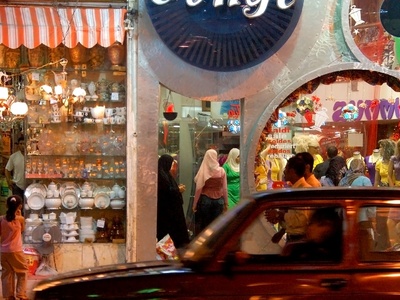
The lively coastal dialect of Alexandria mixes urban Egyptian features with unique pronunciation and seaside expressions. It’s easily recognizable and associated with the city’s maritime history and cosmopolitan identity.
Nile Delta Arabic
Spoken across the fertile Nile Delta, this group of dialects blends rural ruralisms and urbanisms. It’s diverse but mutually intelligible with Cairene speech, and often retains older vocabulary tied to farming life.
Dumyati (Damietta) Arabic
The Damietta city and governorate dialect has unique sound shifts and many nautical and culinary words. It stands out within the Delta for its coastal flavor and local identity.
PortSaid Arabic
The dialect of Port Said reflects its history as a canal and port city: brisk speech, sea-related vocabulary, and an unmistakable local flavor distinct from inland Delta accents.
Suez-Canal Arabic
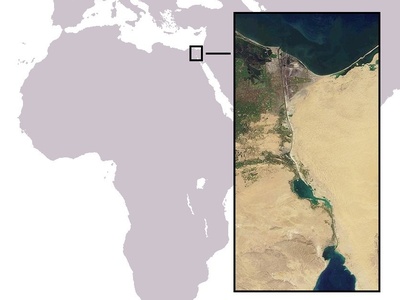
Spoken in the canal cities, this variety mixes Cairene and Delta traits with local trade and military vocabulary—reflecting the area’s strategic, multinational past.
Fayyumi Arabic
The Faiyum dialect has rural, oasis-rooted speech patterns with some conservative phonology and locally specific vocabulary tied to agriculture and traditional life around the lake.
Sa’idi Arabic (Upper Egyptian)
Upper Egyptian (Sa’idi) dialects are robust and quite distinct from northern speech. They preserve older Arabic features, show stronger consonant emphasis, and carry many regional expressions tied to rural and tribal life.
Southern Sa’idi (Aswan/Luxor) Arabic
The southernmost Upper Egyptian speech shows pronounced consonants and some Nubian influence in rhythm and vocabulary. It’s strongly regional, tied to local communities along the far south Nile.
Middle Egypt Arabic (Minya/BeniSuef)
Spoken in central Upper Egypt, this transitional set of dialects blends northern and southern features and has many locally colored expressions reflecting agricultural life.
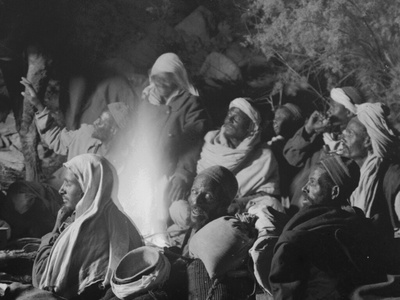
Sinai Bedouin Arabic
Used by Sinai Bedouin communities, this Arabic preserves Bedouin pronunciations and vocabulary, differing noticeably from Nile-valley speech and reflecting mobile, tribal cultural patterns.
Eastern Desert Bedouin Arabic
Spoken by Bedouin groups in the Eastern Desert and Red Sea Hills, this dialect is adapted to nomadic/pastoral life and differs from settled Nile-valley varieties.
Western Desert Bedouin Arabic
Oasis and desert-dwelling Bedouin speak varieties shaped by isolation, trade, and occasional contact with Amazigh and other groups, producing distinct local speech and vocabulary.
Siwi (Siwa Berber)
Siwi is a Berber language spoken in Siwa Oasis with its own grammar and sounds. Living but vulnerable, it coexists with Egyptian Arabic and contains many Arabic loans while retaining Berber identity.
Nobiin (Nubian)
Nobiin is a Nile Nubian language still spoken by communities around Aswan. It has distinct grammar and vocabulary, with growing bilingualism in Arabic among younger generations.
Kenzi (Kenuzi-Dongola)
Kenzi is a Nubian language variety used by some communities in southern Egypt. It shares features with other Nile Nubian languages but maintains local vocabulary and phonology.
Nubian Arabic
This Arabic variety spoken by Nubian communities blends Egyptian Arabic grammar with Nubian sounds and words. It reflects bilingualism and cultural blending along the southern Nile.
Beja (Bidhaawyeet)
Beja is a Cushitic language spoken by small communities in Egypt’s eastern desert and coastal hills. It has distinct grammar and sounds and is under pressure from Arabic.
Domari
Domari, spoken by Romani communities in Egyptian cities, is an Indo-Aryan language long influenced by Arabic. It’s used in tight-knit communities and often contains distinct vocabulary for community life.
Egyptian Sign Language
Egyptian Sign Language is the primary sign language used by deaf communities across Egypt. It has its own grammar and regional variation and is central to deaf education and culture.
Nile Delta Rural Arabic
Spoken in Delta villages, this set of rural dialects retains older agricultural terms and local pronunciations. They differ from nearby urban speech but remain broadly intelligible with other Egyptian varieties.
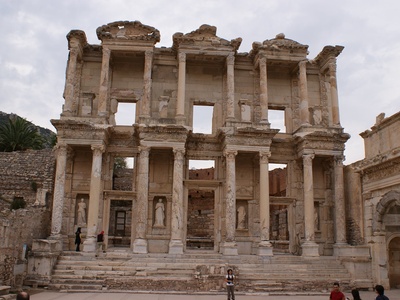
Alexandria Coastal Arabic
Distinct from central Alexandrian urban speech, coastal localities preserve maritime expressions and intonational patterns reflecting long contact with Mediterranean seafaring and commerce.