Dollars turn up in prices, wallets and travel plans more often than you might expect — from bustling cities to remote islands, the same currency name can mean very different things depending on the country. That mix of official use, pegs and informal acceptance makes a single list useful when planning travel, business or research.
There are 52 Countries that use Dollars, ranging from American Samoa to Zimbabwe. The list is organized with Flag,Currency (ISO),Dollar status so you’see at a glance whether a dollar is an official currency, a pegged unit or commonly accepted informally — you’ll find the full table below.
Do all these countries use the US dollar (USD) as their official currency?
No — some countries adopt the US dollar as legal tender (for example Ecuador, El Salvador and Zimbabwe), while others issue their own “dollar” currencies (Australia, Canada, Singapore) or peg a local currency to the USD. The table shows the distinction so you can tell official USD adoption from dollar-named currencies and exchange-rate arrangements.
Will I be able to use cards and ATMs the same way as in the United States?
Card and ATM acceptance varies: major tourist areas usually accept international cards and provide USD cash, but smaller towns or informal markets might only take local cash. Check the listed Dollar status and local banking notes in the table below for practical payment expectations.
Countries that Use Dollars
| Country | Flag | Currency (ISO) | Dollar status |
|---|---|---|---|
| United States | 🇺🇸 | US dollar – USD | Official local dollar |
| Canada | 🇨🇦 | Canadian dollar – CAD | Official local dollar |
| Australia | 🇦🇺 | Australian dollar – AUD | Official local dollar |
| New Zealand | 🇳🇿 | New Zealand dollar – NZD | Official local dollar |
| Singapore | 🇸🇬 | Singapore dollar – SGD | Official local dollar |
| Hong Kong | 🇭🇰 | Hong Kong dollar – HKD | Pegged to USD |
| Taiwan | 🇹🇼 | New Taiwan dollar – TWD | Official local dollar |
| Brunei | 🇧🇳 | Brunei dollar – BND | Official local dollar |
| Fiji | 🇫🇯 | Fijian dollar – FJD | Official local dollar |
| Solomon Islands | 🇸🇧 | Solomon Islands dollar – SBD | Official local dollar |
| Bahamas | 🇧🇸 | Bahamian dollar – BSD | Pegged to USD |
| Bermuda | 🇧🇲 | Bermudian dollar – BMD | Pegged to USD |
| Barbados | 🇧🇧 | Barbadian dollar – BBD | Pegged to USD |
| Belize | 🇧🇿 | Belize dollar – BZD | Pegged to USD |
| Cayman Islands | 🇰🇾 | Cayman Islands dollar – KYD | Pegged to USD |
| Jamaica | 🇯🇲 | Jamaican dollar – JMD | Official local dollar |
| Trinidad and Tobago | 🇹🇹 | Trinidad and Tobago dollar – TTD | Official local dollar |
| Guyana | 🇬🇾 | Guyanese dollar – GYD | Official local dollar |
| Suriname | 🇸🇷 | Surinamese dollar – SRD | Official local dollar |
| Antigua and Barbuda | 🇦🇬 | East Caribbean dollar – XCD | Official local dollar |
| Dominica | 🇩🇲 | East Caribbean dollar – XCD | Official local dollar |
| Grenada | 🇬🇩 | East Caribbean dollar – XCD | Official local dollar |
| Saint Kitts and Nevis | 🇰🇳 | East Caribbean dollar – XCD | Official local dollar |
| Saint Lucia | 🇱🇨 | East Caribbean dollar – XCD | Official local dollar |
| Saint Vincent and the Grenadines | 🇻🇨 | East Caribbean dollar – XCD | Official local dollar |
| Montserrat | 🇲🇸 | East Caribbean dollar – XCD | Official local dollar |
| Anguilla | 🇦🇮 | East Caribbean dollar – XCD | Official local dollar |
| British Virgin Islands | 🇻🇬 | US dollar – USD | USD legal tender |
| Turks and Caicos Islands | 🇹🇨 | US dollar – USD | USD legal tender |
| Puerto Rico | 🇵🇷 | US dollar – USD | USD legal tender |
| Guam | 🇬🇺 | US dollar – USD | USD legal tender |
| Northern Mariana Islands | 🇲🇵 | US dollar – USD | USD legal tender |
| U.S. Virgin Islands | 🇻🇮 | US dollar – USD | USD legal tender |
| American Samoa | 🇦🇸 | US dollar – USD | USD legal tender |
| Caribbean Netherlands | 🇧🇶 | US dollar – USD | USD legal tender |
| Cook Islands | 🇨🇰 | New Zealand dollar – NZD | Official local dollar |
| Niue | 🇳🇺 | New Zealand dollar – NZD | Official local dollar |
| Tokelau | 🇹🇰 | New Zealand dollar – NZD | Official local dollar |
| Pitcairn Islands | 🇵🇳 | New Zealand dollar – NZD | Official local dollar |
| Tuvalu | 🇹🇻 | Australian dollar – AUD | Official local dollar |
| Nauru | 🇳🇷 | Australian dollar – AUD | Official local dollar |
| Kiribati | 🇰🇮 | Australian dollar – AUD | Official local dollar |
| Liberia | 🇱🇷 | Liberian dollar – LRD | Official local dollar |
| Namibia | 🇳🇦 | Namibian dollar – NAD | Official local dollar |
| Zimbabwe | 🇿🇼 | US dollar – USD | De facto dollarized |
| Ecuador | 🇪🇨 | US dollar – USD | USD legal tender |
| El Salvador | 🇸🇻 | US dollar – USD | USD legal tender |
| Panama | 🇵🇦 | US dollar – USD | USD legal tender |
| Timor-Leste | 🇹🇱 | US dollar – USD | USD legal tender |
| Federated States of Micronesia | 🇫🇲 | US dollar – USD | USD legal tender |
| Palau | 🇵🇼 | US dollar – USD | USD legal tender |
| Marshall Islands | 🇲🇭 | US dollar – USD | USD legal tender |
Images and Descriptions

United States
The United States issues the US dollar as its official currency and legal tender across all states and territories. It’s the world’s primary reserve currency, widely used domestically and internationally for trade, finance, and everyday transactions without exception.
Canada
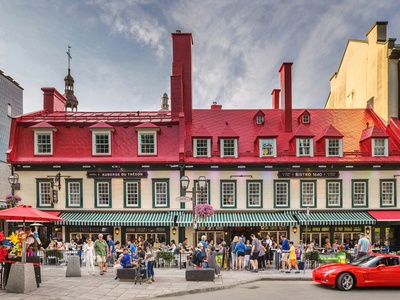
Canada’s official currency is the Canadian dollar, used nationwide for all payments. It floats on global markets, is widely recognized, and coexists with electronic and cross‑border transactions, especially near the US border where currency exchange is common.
Australia
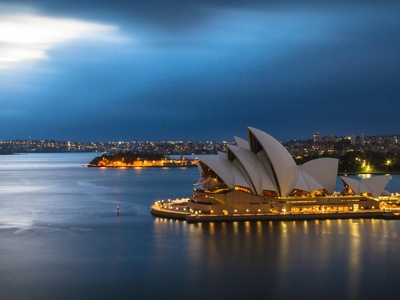
Australia issues the Australian dollar as its sole legal currency. It is widely used across the country, floats freely on forex markets, and is also used by several Pacific states and territories that peg or adopt it for convenience.

New Zealand
The New Zealand dollar is the official currency of New Zealand and is used in dependent territories like the Cook Islands, Niue, Tokelau, and Pitcairn Islands. It floats on markets and serves everyday domestic and regional trade.
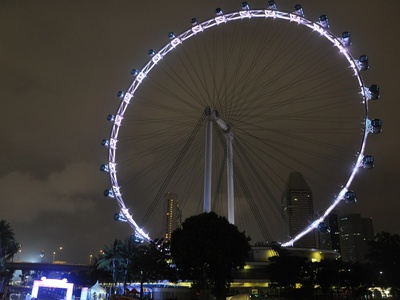
Singapore
Singapore uses the Singapore dollar as its official currency, managed by monetary policy tied to a trade‑weighted basket. It’s the common medium for all transactions, international banking, and regional commerce out of the city‑state.

Hong Kong
Hong Kong issues the Hong Kong dollar and maintains a currency board linking it to the US dollar at a tight range. The HKD is legal tender locally and heavily used in finance and retail, backed by strong reserves.

Taiwan
Taiwan’s New Taiwan dollar is the island’s legal tender and primary medium of exchange. It floats under central bank management and is used for all domestic transactions, savings, and commerce with occasional foreign‑exchange intervention.
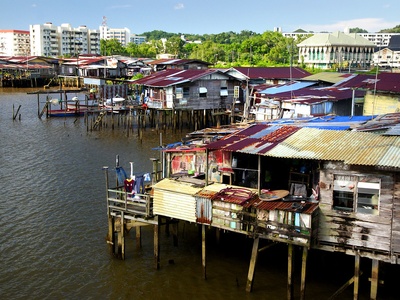
Brunei
Brunei issues the Brunei dollar, which is interchangeable with the Singapore dollar under a currency interchangeability agreement. The BND circulates domestically and is widely accepted in Brunei for everyday payments and savings.
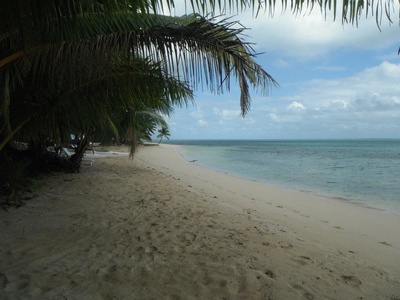
Fiji
Fiji’s official currency is the Fijian dollar, used across the islands for all transactions. It floats on markets, is the standard for wages and prices, and coexists with tourist practices like occasional acceptance of foreign cards and banknotes.
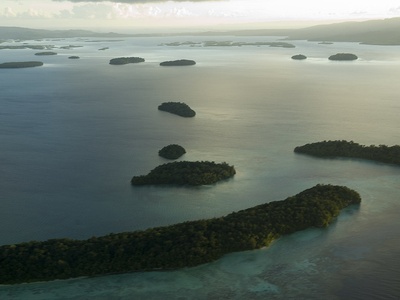
Solomon Islands
The Solomon Islands dollar is the country’s official currency and primary medium of exchange. It’s issued by the central bank, used for domestic trade and government operations, and occasionally converted in tourism hubs.
Bahamas
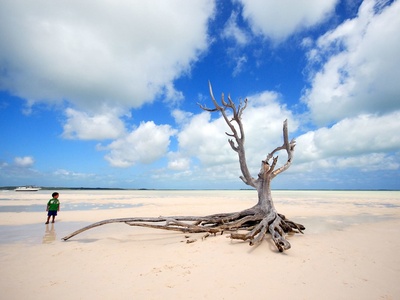
The Bahamian dollar is pegged 1:1 to the US dollar and circulates alongside it. Both currencies are legal tender, making cross‑border trade and tourism easy; US dollars are commonly accepted everywhere in practice.
Bermuda
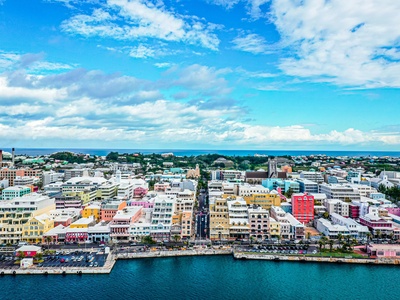
Bermuda issues the Bermudian dollar, pegged at par with the US dollar. US notes circulate freely alongside local currency; pricing often quotes both currencies and US dollars are accepted universally on the islands.
Barbados
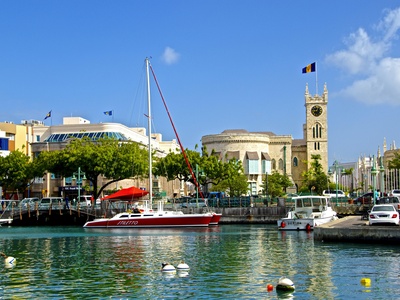
Barbados uses the Barbadian dollar, pegged to the US dollar at a fixed rate. Both cash and electronic payments rely on the local dollar while the peg provides exchange stability for imports and tourism exchanges.
Belize
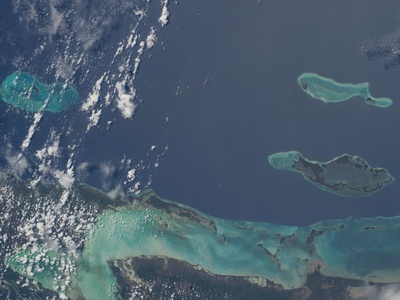
Belize’s dollar is pegged to the US dollar and is the nation’s legal currency. US dollars are widely accepted, especially in tourism, and local authorities manage reserves to maintain the fixed exchange rate for stability.
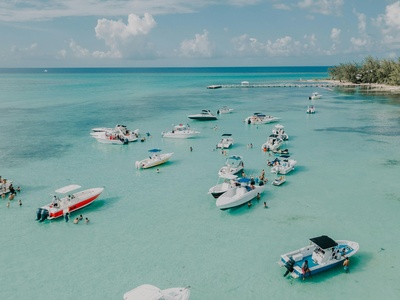
Cayman Islands
The Cayman Islands dollar is officially used and pegged to the US dollar. The currency supports a major offshore finance sector; US dollars are widely accepted by businesses catering to international visitors and financial services.
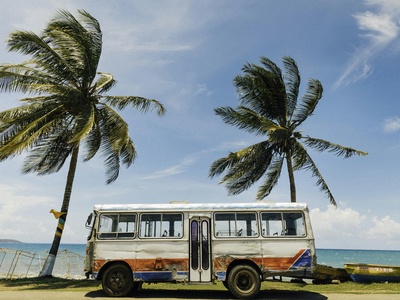
Jamaica
Jamaica’s Jamaican dollar is the country’s legal currency for salaries, retail, and government payments. It floats and is managed by the central bank; US dollars may be used in some tourist contexts but are not official tender.
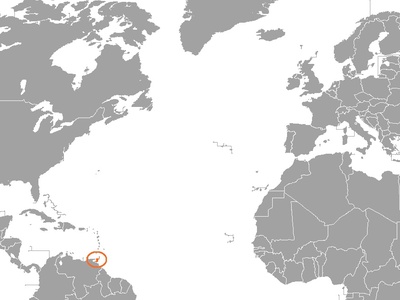
Trinidad and Tobago
Trinidad and Tobago issues the Trinidad and Tobago dollar as its official currency. It is used across the economy, regulated by the central bank, with foreign exchange controls and typical conversions for international trade and travel.
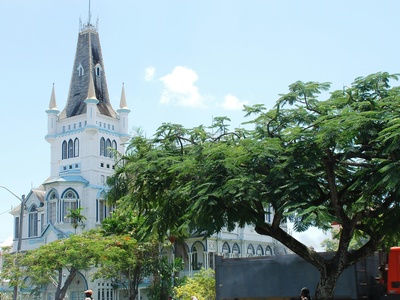
Guyana
Guyana’s Guyanese dollar is the national currency used for domestic commerce, government and banking. It floats with central bank oversight; US dollars are used sometimes for large transactions and trade but are not legal tender.
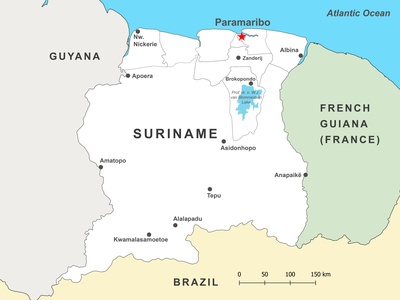
Suriname
Suriname’s official currency is the Surinamese dollar, used for wages, prices, and banking. It floats and is the standard unit for local transactions. Foreign currencies may be used in business, but SRD remains legal tender.

Antigua and Barbuda
Antigua and Barbuda use the East Caribbean dollar through a currency union. The XCD is legal tender for daily transactions and public finance, backed by the regional central bank and common across several island states.
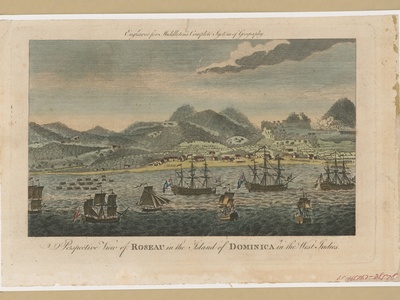
Dominica
Dominica participates in the Eastern Caribbean currency union and uses the East Caribbean dollar for all payments. The shared currency simplifies regional trade and travel among member states and is administered by the ECCB.
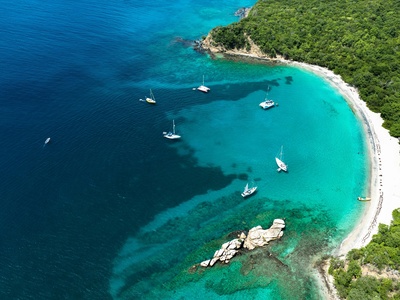
Grenada
Grenada uses the East Caribbean dollar as legal tender across the island. The currency is common to several eastern Caribbean states, facilitating trade, tourism, and a shared monetary policy under the regional central bank.
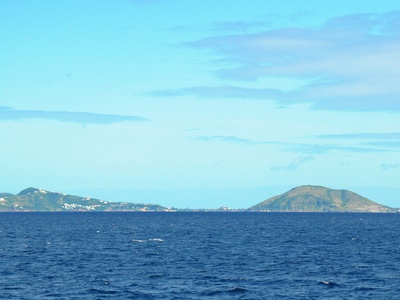
Saint Kitts and Nevis
Saint Kitts and Nevis use the East Caribbean dollar through the regional union. XCD is legal tender across services, commerce, and government operations, making travel and trade seamless within the currency area.
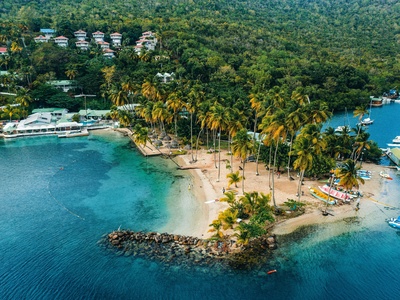
Saint Lucia
Saint Lucia’s legal currency is the East Caribbean dollar, used for daily spending, banking and government transactions. Membership in the currency union supports regional price stability and easier inter‑island commerce.
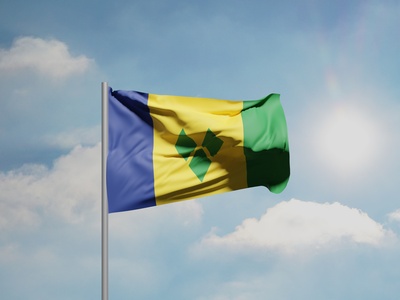
Saint Vincent and the Grenadines
Saint Vincent and the Grenadines uses the East Caribbean dollar as legal tender, shared across several states. The currency underpins domestic trade, tourism pricing, and cross‑border transactions within the currency union.

Montserrat
Montserrat, a British Overseas Territory, uses the East Caribbean dollar just like nearby islands. The XCD is the legal currency for commerce and government activities, simplifying regional economic ties and tourism.
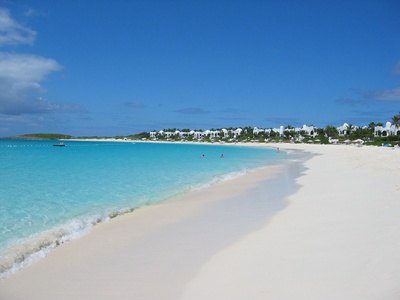
Anguilla
Anguilla uses the East Caribbean dollar as legal tender, aligning with other eastern Caribbean members. The XCD facilitates trade and tourism across islands; banks and businesses price goods and services in the regional currency.
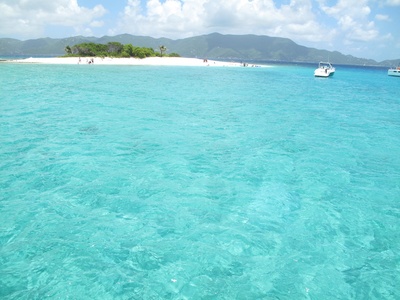
British Virgin Islands
The British Virgin Islands use the US dollar as official legal tender, facilitating tourism and international business. Prices, wages, and banking operate in USD, so visitors and residents transact primarily in US currency with no local alternative.
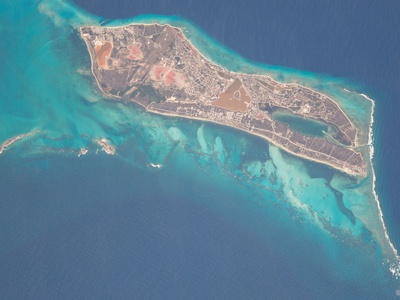
Turks and Caicos Islands
Turks and Caicos officially use the US dollar as legal tender. Tourism, real estate and government services operate in USD, which simplifies foreign exchange for visitors and aligns the territory with US monetary convenience.
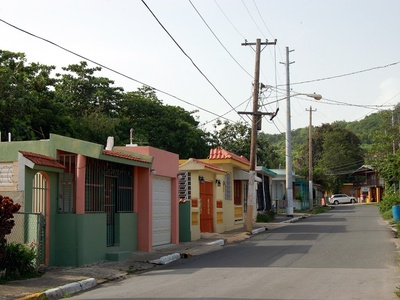
Puerto Rico
Puerto Rico, a US territory, uses the US dollar as its legal currency. All government, banking, and commercial transactions occur in USD, so residents and visitors rely exclusively on US currency for daily life.
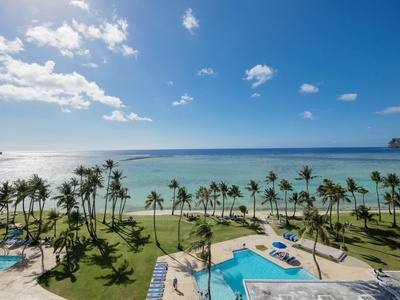
Guam
Guam uses the US dollar as legal tender across the island. Government services, wages, and retail pricing are in USD, ensuring seamless financial integration with the United States and simplified transactions for visitors.
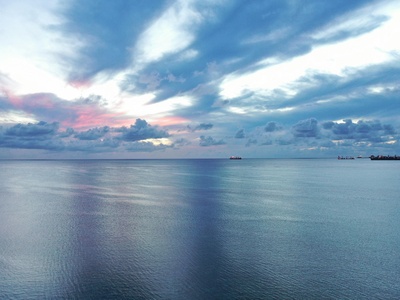
Northern Mariana Islands
The Northern Mariana Islands use the US dollar as official legal tender. All commerce, salaries, and government functions are denominated in USD, aiding economic ties with the mainland and tourism sectors.
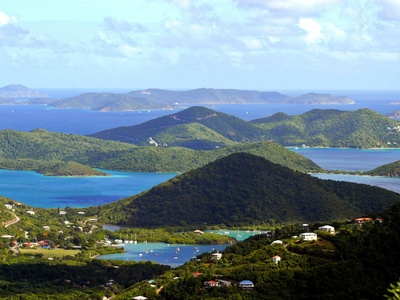
U.S. Virgin Islands
The U.S. Virgin Islands use the US dollar as their legal currency. Retail, services, and government transactions take place in USD, making economic activity straightforward for residents and tourists alike.

American Samoa
American Samoa uses the US dollar as its legal tender. The territory’s economy, public services, and daily commerce operate in USD, maintaining monetary consistency with the United States.
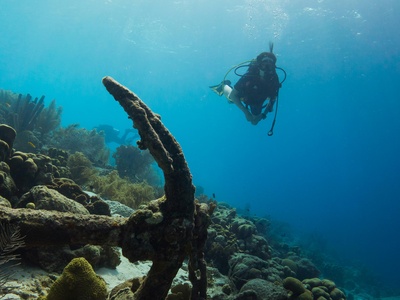
Caribbean Netherlands
The special municipalities of Bonaire, Sint Eustatius and Saba use the US dollar as legal tender since 2011. USD simplifies transactions, tourism, and public accounting compared with the former Netherlands Antillean guilder.
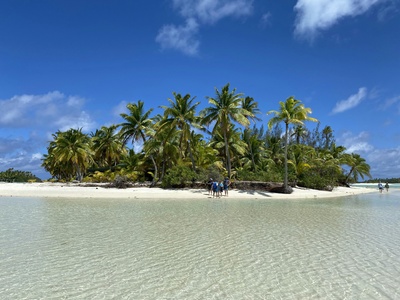
Cook Islands
The Cook Islands uses the New Zealand dollar for everyday transactions and government business; local coins exist but NZD is the primary legal tender. This arrangement eases trade and travel with New Zealand and the wider region.

Niue
Niue uses the New Zealand dollar as its currency for daily commerce and public finance. The island relies on NZD for stability in trade, tourism, and government accounts rather than issuing its own separate currency.
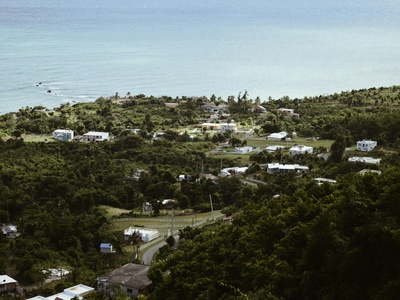
Tokelau
Tokelau uses the New Zealand dollar for all transactions and public services. NZD provides monetary stability for the territory while facilitating remittances, trade and travel with New Zealand and Pacific neighbours.
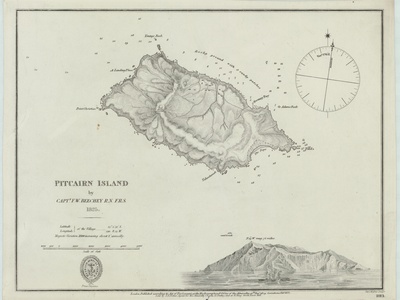
Pitcairn Islands
Pitcairn Islands use the New Zealand dollar as their primary currency for spending and administration. The NZD supports limited local commerce, visitor payments, and government accounting tied to New Zealand’s financial system.
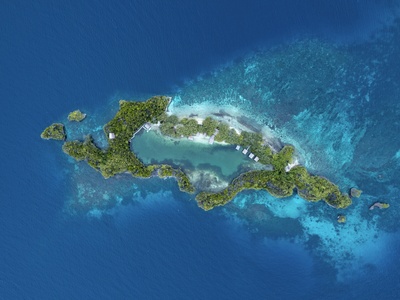
Tuvalu
Tuvalu uses the Australian dollar as its official currency, issuing a few local coins pegged to AUD. Using AUD simplifies imports, government finance and international transactions for the small Pacific nation.
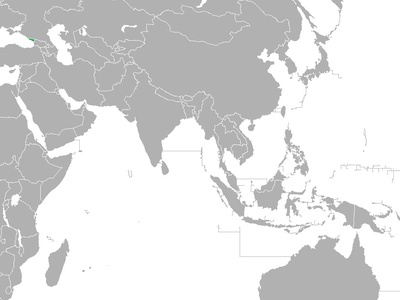
Nauru
Nauru uses the Australian dollar as legal tender for all commerce and government operations. AUD brings monetary stability and simplifies fiscal relations and trade with Australia and regional partners.
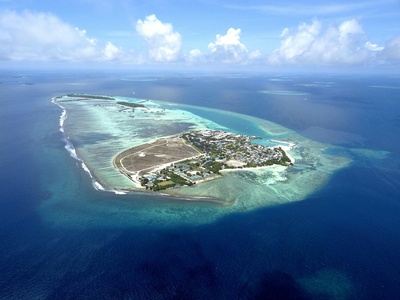
Kiribati
Kiribati uses the Australian dollar as its official currency, with limited local coinage issued for convenience. AUD supports trade, remittances and government finance, simplifying life for residents and visitors.

Liberia
Liberia’s official currency is the Liberian dollar, but US dollars circulate widely for higher‑value transactions, savings and trade. Many businesses quote prices in USD; the economy operates as a de facto dual‑currency system in practice.

Namibia
Namibia issues the Namibian dollar as its legal currency, used for daily transactions and government accounting. It’s pegged to the South African rand rather than the US dollar, but the name remains “dollar” for domestic use.

Zimbabwe
Zimbabwe uses multiple currencies in practice and the US dollar is widely used for commerce, savings, and pricing after periods of hyperinflation. USD circulation is common alongside local units and other foreign currencies in daily life.
Ecuador
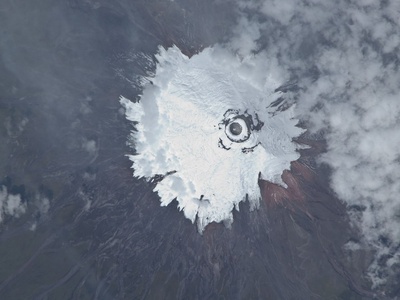
Ecuador dollarized its economy in 2000 and uses the US dollar as official legal tender. All prices, salaries, banking and government accounts are denominated in USD, providing monetary stability but constraining independent policy.

El Salvador
El Salvador adopted the US dollar as legal tender in 2001. The USD is used for wages, taxes, banking and daily transactions, with the government citing lower inflation and easier foreign investment as benefits.
Panama
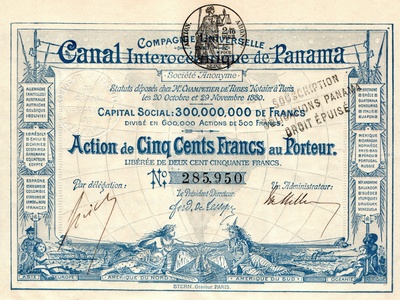
Panama uses the US dollar alongside the Panamanian balboa at a 1:1 rate; US banknotes circulate as de facto currency while the balboa exists mainly as coins. USD serves as a stable medium for trade and finance in the economy.

Timor-Leste
East Timor (Timor‑Leste) uses the US dollar as official legal tender for cash transactions, with local centavo coins for change. USD simplifies trade, foreign aid receipts, and stability following independence and reconstruction efforts.
Federated States of Micronesia
The Federated States of Micronesia use the US dollar as legal tender under a Compact of Free Association with the United States. USD underpins government finance, salaries, and daily commerce across the islands.

Palau
Palau uses the US dollar as legal tender through a Compact of Free Association. The USD supports government funding, tourism, and international trade, simplifying transactions with the United States and foreign visitors.
Marshall Islands
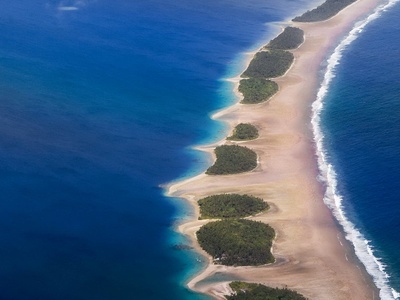
The Marshall Islands use the US dollar as legal tender under a Compact arrangement. USD fuels government budgets, private transactions and the tourism sector, linking the economy closely to US monetary conditions.