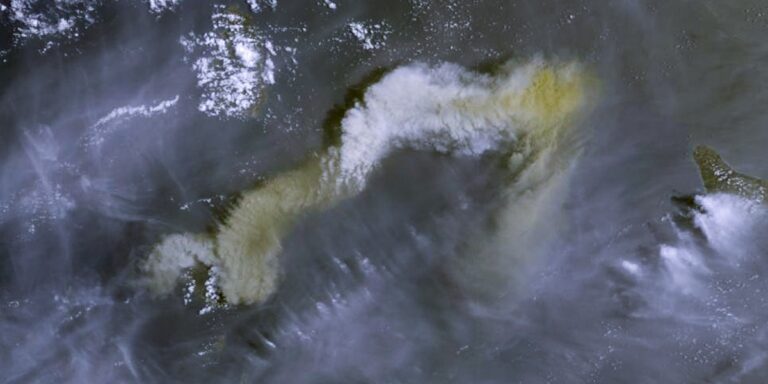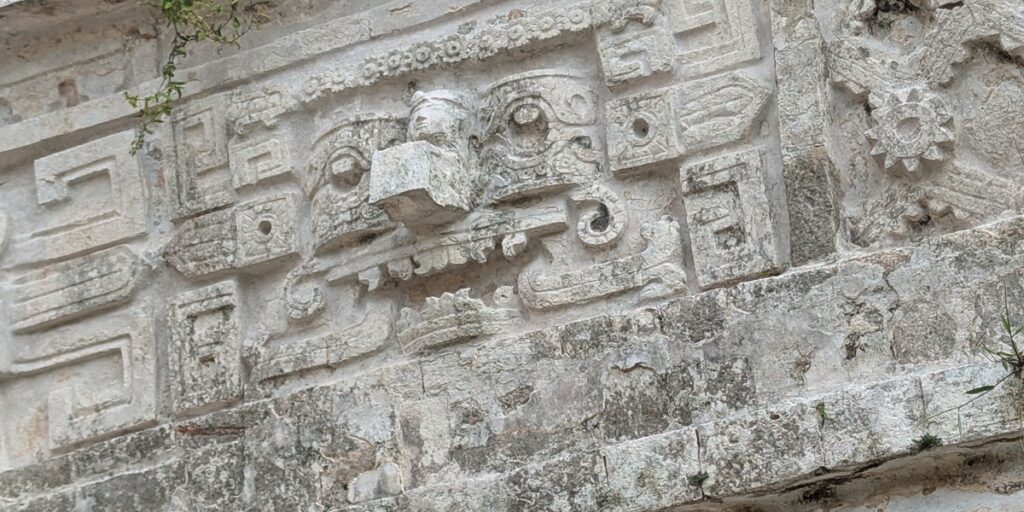
Mexico’s mix of ancient cities, colonial towns and protected natural areas tells the story of a country shaped by millennia of human and ecological activity. Whether you’re researching history, planning a trip, or just curious, a complete list helps make that variety easy to explore.
There are 29 World Heritage Sites in Mexico, ranging from Ancient Maya City and Protected Tropical Forests of Calakmul, Campeche to Xochicalco Archaeological Site. For each entry you’ll find below the State/Region, Type, Year inscribed to help you sort and compare sites, and you’ll find below.
How are sites in Mexico chosen for the World Heritage List?
Sites are nominated by the national government and evaluated against UNESCO criteria for cultural or natural significance; expert bodies review authenticity, integrity and management plans before inscription, and the list notes the year each site was added so you can see how recognition has evolved.
How can I use the table to plan visits across different States/Regions?
Use the State/Region column to group nearby sites, then check Type and Year inscribed for context; combine practical checks—access, opening hours, seasonality and conservation restrictions—with regional routing so you visit efficiently and respect site protections.
World Heritage Sites in Mexico
| Name | State/Region | Type | Year inscribed |
|---|---|---|---|
| Historic Centre of Mexico City and Xochimilco | Mexico City | Cultural | 1987 |
| Historic Centre of Oaxaca and Monte Albán | Oaxaca | Cultural | 1987 |
| Pre-Hispanic City and National Park of Palenque | Chiapas | Cultural | 1987 |
| Pre-Hispanic City of Teotihuacan | State of Mexico | Cultural | 1987 |
| Historic Centre of Puebla | Puebla | Cultural | 1987 |
| Pre-Hispanic City of Chichén Itzá | Yucatán | Cultural | 1988 |
| Historic Town of Guanajuato and Adjacent Mines | Guanajuato | Cultural | 1988 |
| Historic Centre of Morelia | Michoacán | Cultural | 1991 |
| El Tajín, Pre-Hispanic City of El Tajín | Veracruz | Cultural | 1992 |
| Rock Paintings of the Sierra de San Francisco | Baja California Sur | Cultural | 1993 |
| Historic Centre of Zacatecas | Zacatecas | Cultural | 1993 |
| Earliest Monasteries on the Slopes of Popocatépetl | Morelos;Puebla;State of Mexico | Cultural | 1994 |
| Uxmal | Yucatán | Cultural | 1996 |
| Historic Monuments Zone of Querétaro | Querétaro | Cultural | 1996 |
| Paquimé (Casas Grandes) | Chihuahua | Cultural | 1998 |
| Historic Monuments Zone of Tlacotalpan | Veracruz | Cultural | 1998 |
| Xochicalco Archaeological Site | Morelos | Cultural | 1999 |
| Fortified Town of Campeche | Campeche | Cultural | 1999 |
| Ancient Maya City and Protected Tropical Forests of Calakmul, Campeche | Campeche | Mixed | 2002 |
| Franciscan Missions in the Sierra Gorda of Querétaro | Querétaro | Cultural | 2003 |
| Luis Barragán House and Studio | Mexico City | Cultural | 2004 |
| Islands and Protected Areas of the Gulf of California | Baja California;Baja California Sur;Sonora;Sinaloa | Natural | 2005 |
| Central University City Campus of the UNAM | Mexico City | Cultural | 2007 |
| Historic Centre of San Miguel de Allende and the Sanctuary of Atotonilco | Guanajuato | Cultural | 2008 |
| Monarch Butterfly Biosphere Reserve | Michoacán;State of Mexico | Natural | 2008 |
| Camino Real de Tierra Adentro (Royal Road) | Multiple states | Cultural | 2010 |
| Aqueduct of Padre Tembleque Hydraulic System | State of Mexico;Hidalgo | Cultural | 2015 |
| El Pinacate and Gran Desierto de Altar Biosphere Reserve | Sonora | Natural | 2013 |
| Archipiélago de Revillagigedo (Revillagigedo Archipelago) | Colima | Natural | 2016 |
Images and Descriptions
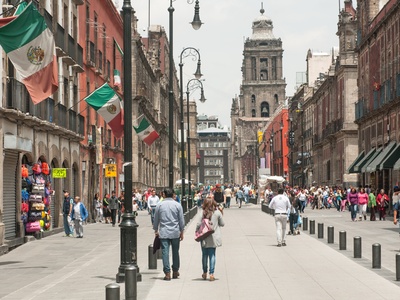
Historic Centre of Mexico City and Xochimilco
A vast historic core mixing Aztec ruins, colonial plazas, grand cathedrals and the floating gardens of Xochimilco. It’s the heart of Mexico’s layered history, offering archaeology, lively markets and colorful trajinera boat rides amid UNESCO-listed urban heritage.
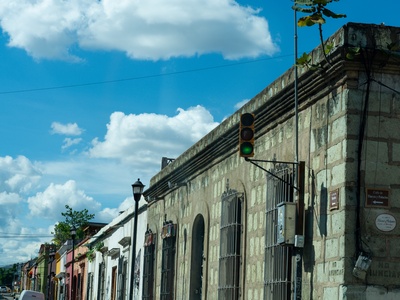
Historic Centre of Oaxaca and Monte Albán
Oaxaca’s colonial streets and nearby Monte Albán’s hilltop Zapotec ruins combine vibrant indigenous culture, baroque churches, crafts and spectacular pre-Hispanic terraces. A rich sensory destination for food, festivals, archaeology and living traditional arts.
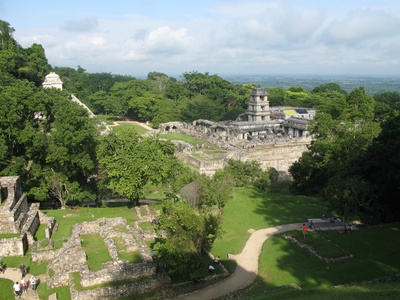
Pre-Hispanic City and National Park of Palenque
Jungle-clad Maya city famous for exquisite sculpture, palace architecture and funerary inscriptions. Palenque’s compact, atmospheric ruins and surrounding rainforest make it a must-visit for archaeology fans and nature lovers exploring Classic Maya civilization.
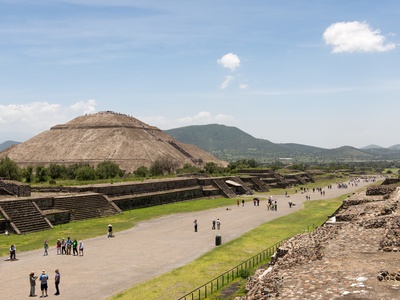
Pre-Hispanic City of Teotihuacan
Monumental avenue, Pyramid of the Sun and Pyramid of the Moon define this vast ancient metropolis. Teotihuacan’s scale and urban planning reveal an influential pre-Aztec culture and remain a compelling stop for history-minded travelers near Mexico City.
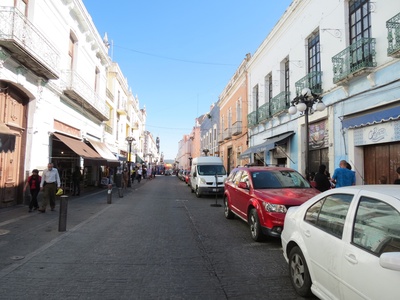
Historic Centre of Puebla
Puebla blends colonial architecture, tiled façades and a rich culinary scene (mole poblano). Its well-preserved historic center features baroque churches, colourful tiles and lively markets, offering a sensory introduction to central Mexican traditions and craft.
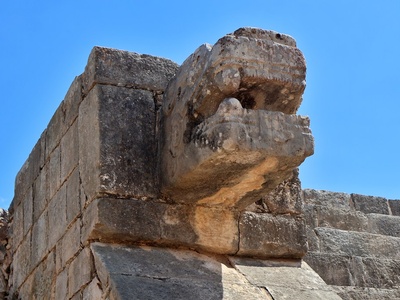
Pre-Hispanic City of Chichén Itzá
One of the most famous Maya sites, Chichén Itzá showcases the towering Kukulcán pyramid, ceremonial plazas and advanced astronomical alignments. It’s a highlight for visitors exploring Yucatán’s Maya legacy and dramatic archaeological architecture.
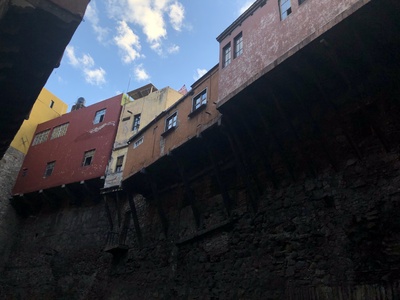
Historic Town of Guanajuato and Adjacent Mines
A picturesque colonial town of narrow alleys, colorful houses and subterranean streets born from rich silver mines. Guanajuato’s dramatic topography, theaters and mining heritage create a romantic, festival-filled cultural destination with deep historical roots.
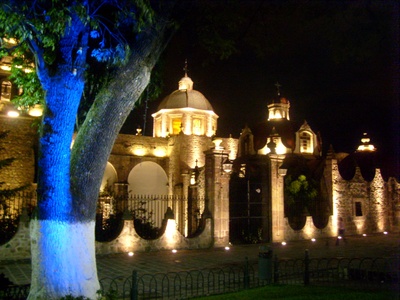
Historic Centre of Morelia
Morelia’s pink stone cathedral, plazas and well-preserved colonial grid showcase elegant 16th–18th century urban design. Renowned for music, crafts and cuisine, the city offers atmospheric streetscapes and cultural life in the heart of Michoacán.

El Tajín, Pre-Hispanic City of El Tajín
A classic Veracruz-era site famous for the Pyramid of the Niches, intricate reliefs and ballcourts. El Tajín reveals complex pre-Aztec architecture and ritual life, attracting visitors interested in regional Mesoamerican diversity and dramatic stonework.
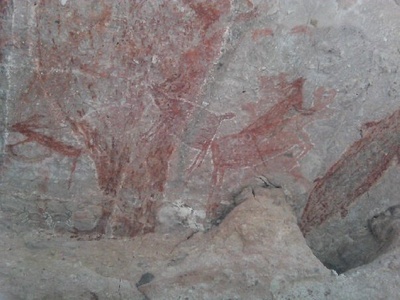
Rock Paintings of the Sierra de San Francisco
Remote canyon shelters contain thousands of vivid prehistoric paintings depicting animals, hunting scenes and spiritual imagery. These cave art panels represent millennia of human presence on the Baja peninsula and offer remarkable insight into ancient coastal cultures.
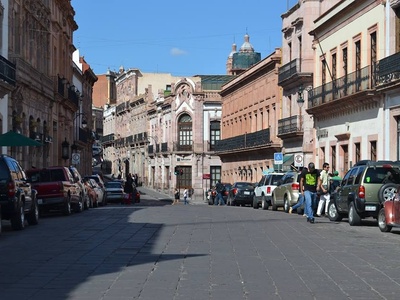
Historic Centre of Zacatecas
Perched on steep hills, Zacatecas features baroque churches, winding streets and a silver-mining legacy visible in ornate façades and mining architecture. The city’s dramatic setting, cultural festivals and museums reflect colonial wealth and regional identity.
Earliest Monasteries on the Slopes of Popocatépetl
A series of 16th-century monasteries built after the Spanish conquest, notable for fortress-like forms and vivid mural painting. They reflect early evangelization, fusion of indigenous and European styles, and are striking examples of colonial religious architecture.
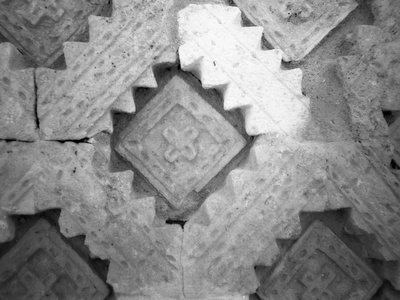
Uxmal
Uxmal boasts finely detailed Puuc-style architecture, including the Pyramid of the Magician and ornate façades. This compact Maya city is celebrated for craftsmanship, stone mosaics and ceremonial plazas, offering a quieter, architecturally rich alternative to larger sites.
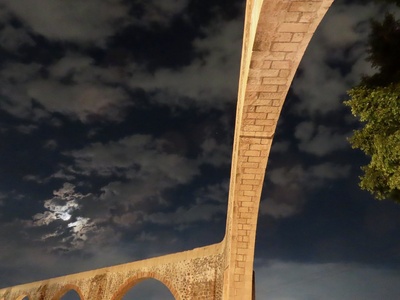
Historic Monuments Zone of Querétaro
Querétaro’s well-preserved colonial core features elegant plazas, aqueducts and an important role in Mexico’s independence era. It blends baroque architecture, historic churches and civic spaces, making it a culturally rich stop in central Mexico.
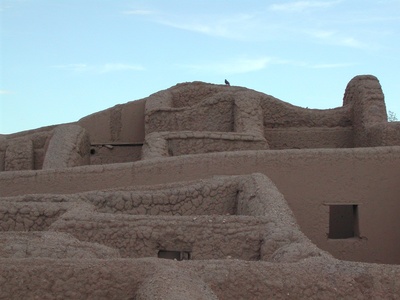
Paquimé (Casas Grandes)
An important pre-Columbian urban complex in northern Mexico, Paquimé displays adobe architecture, multi-storey compounds and water-management systems. It reveals regional trade networks and unique desert-adapted lifestyles of ancient northern Mesoamerican societies.
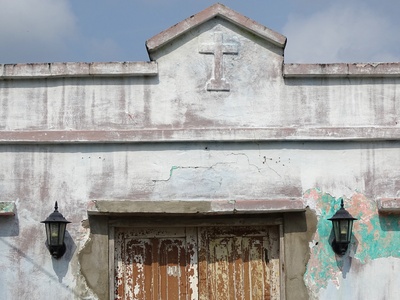
Historic Monuments Zone of Tlacotalpan
A riverside colonial town with brightly painted houses, shaded plazas and seasonal festivals. Tlacotalpan’s relaxed streetscape and cultural traditions along the Papaloapan River offer a charming example of Gulf Coast colonial life and living heritage.
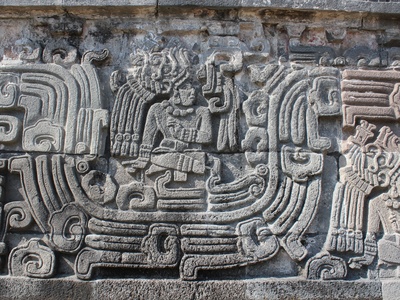
Xochicalco Archaeological Site
Perched on a fortified hill, Xochicalco blends architectural influences and astronomical observatories reflecting postclassic Mesoamerican exchange. Its carved reliefs, ballcourts and strategic setting reveal political and cultural connections across ancient central Mexico.
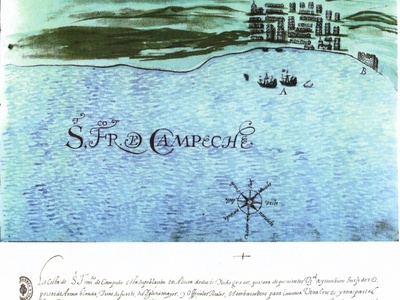
Fortified Town of Campeche
A fortified colonial port on the Gulf of Mexico with impressive walls, forts and baroque architecture. Campeche’s coastal defenses, orderly historic center and colorful streets reflect its strategic role in colonial trade and maritime history.
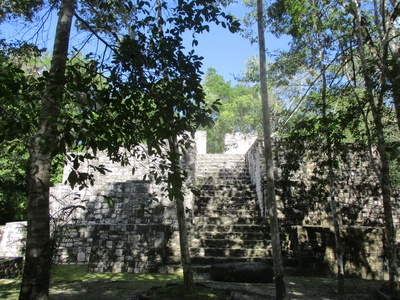
Ancient Maya City and Protected Tropical Forests of Calakmul, Campeche
Calakmul pairs one of the largest Maya urban complexes with vast protected rainforest. The towering pyramids, monumental plazas and rich biodiversity create a rare archaeological–ecological ensemble in Mexico’s Lacandon region.
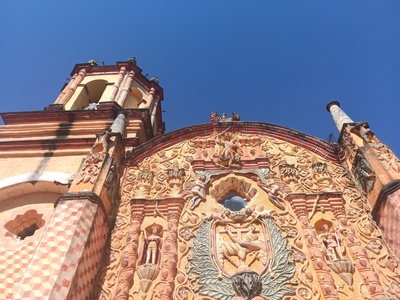
Franciscan Missions in the Sierra Gorda of Querétaro
A group of striking 18th-century missions set in rugged Sierra Gorda landscapes, celebrated for intricate murals and fusion of indigenous motifs with European baroque. They represent creative evangelization and local artistic collaboration.
Luis Barragán House and Studio
The private house and studio of celebrated modernist architect Luis Barragán showcase bold color, light-play and serene spatial composition. It’s a pilgrimage site for architecture enthusiasts interested in Mexico’s influential 20th-century design legacy.
Islands and Protected Areas of the Gulf of California
A marine and island archipelago rich in endemic species, large marine fauna and dramatic seascapes. The Gulf’s islands support unique biodiversity, breeding grounds and remarkable marine ecosystems prized by divers and wildlife observers.
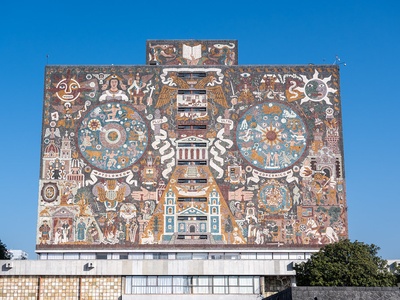
Central University City Campus of the UNAM
UNAM’s campus is an integrated modernist work of architecture and mural art, featuring striking murals by national artists and innovative urban planning. It represents 20th-century Mexican cultural and educational achievement and public art at scale.
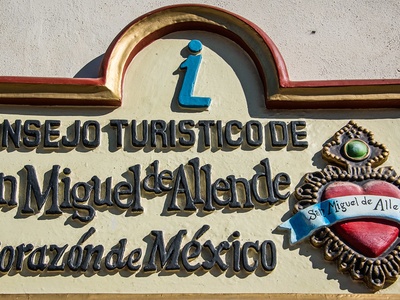
Historic Centre of San Miguel de Allende and the Sanctuary of Atotonilco
San Miguel’s cobbled streets, pastel facades and rich artisan traditions combine with the nearby Atotonilco sanctuary’s vibrant murals. The ensemble highlights colonial urban planning, religious devotion and living creative communities.
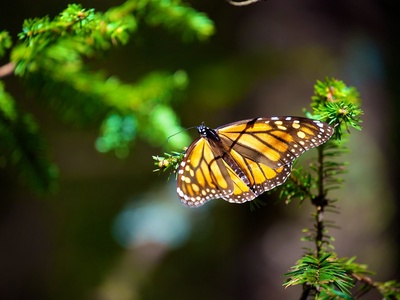
Monarch Butterfly Biosphere Reserve
High-elevation oyamel fir forests host millions of migrating monarch butterflies each winter in a spectacular natural phenomenon. The reserve’s seasonal colonies and community conservation efforts make it a unique, internationally celebrated ecological and cultural phenomenon.
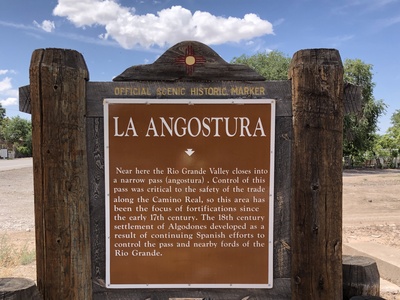
Camino Real de Tierra Adentro (Royal Road)
A long historic trade and cultural route linking Mexico City to the U.S. border, embodied by towns, haciendas and waystations. The serial site traces colonial-era economic networks, cultural exchange and architecture across many Mexican regions.
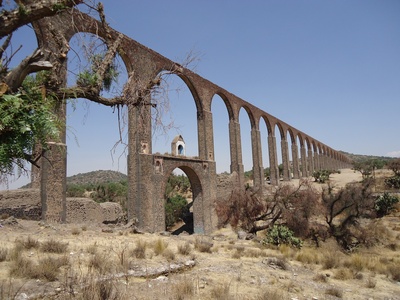
Aqueduct of Padre Tembleque Hydraulic System
An impressive 16th-century hydraulic network of aqueducts, dams and canals engineered during colonial times. The Tembleque system exemplifies hydraulic ingenuity, blending European and indigenous engineering knowledge to transform arid landscapes for agriculture.
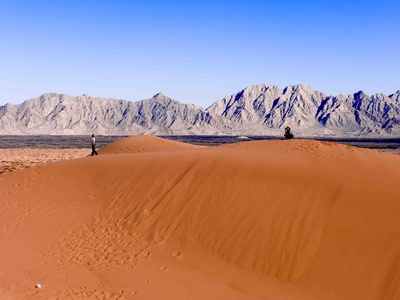
El Pinacate and Gran Desierto de Altar Biosphere Reserve
A dramatic volcanic and dune landscape in northwestern Mexico with massive craters, lava flows and shifting sand seas. Its stark beauty, geological rarity and desert-adapted biodiversity make it an extraordinary natural destination for adventurous travelers.
Archipiélago de Revillagigedo (Revillagigedo Archipelago)
Remote volcanic islands in the Pacific hosting dense marine life, sharks, manta rays and seabird colonies. Revillagigedo’s rich pelagic ecosystems and clear waters create world-class diving and vital protected habitats far offshore.