From coastal shores to Andean highlands, a country’s flag often captures geography, history and local identity in a few simple colors. Red and white are common choices; brown turns up far less often and usually points to a specific cultural or natural element on the flag.
There are 6 countries with red, brown, and white flags, ranging from Belize to Peru. For each entry you’ll find below Flag (emoji),Colors and location,Meaning (max 15 words), arranged so you can quickly compare palettes, placement and symbolism—you’ll find the list below.
Why is brown so rare on national flags?
Brown is less common partly because traditional flag dyes and printing favored brighter pigments, and brown can read as muted at a distance. When it does appear, it usually represents soil, wood, leather or specific fauna tied to national identity, so designers reserve it for precise, meaningful elements.
How should I use the Flag, Colors and location, Meaning columns when reading the list?
Use the Flag (emoji) for quick recognition, Colors and location to see where each hue appears on the flag, and Meaning (max 15 words) for a concise explanation—this helps spot patterns across regions like Central America versus the Andes.
Countries with Red, Brown, and White Flags
| Country | Flag (emoji) | Colors and location | Meaning (max 15 words) |
|---|---|---|---|
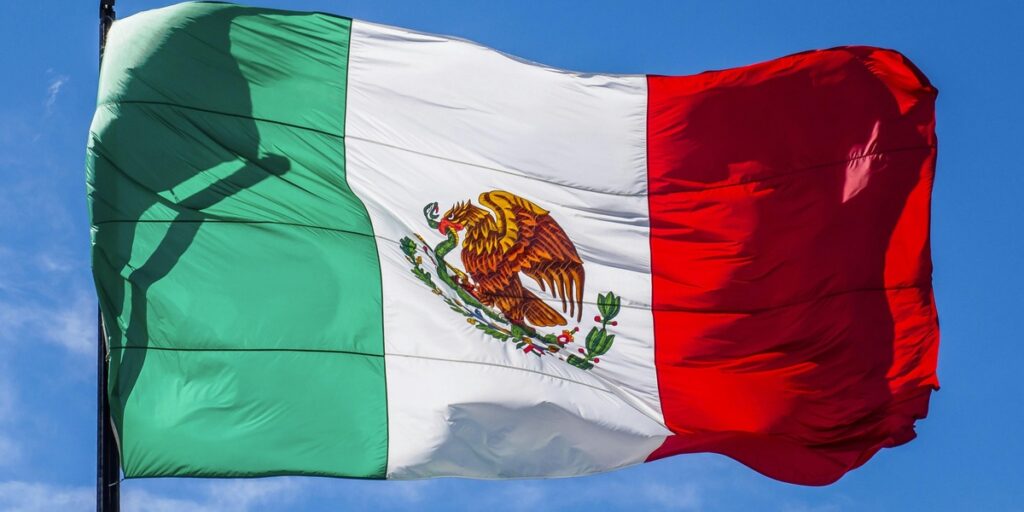
| Mexico | 🇲🇽 | Red: right stripe; Brown: eagle in coat of arms; White: central stripe | Eagle symbolizes nation; white unity; red blood of heroes |
| Belize | 🇧🇿 | Red: thin top/bottom stripes; Brown: mahogany tree and figures in coat of arms; White: shield and scroll | Mahogany heritage; brown denotes woodworkers and people; red unity |
| Peru | 🇵🇪 | Red: outer vertical bands; Brown: vicuña in coat of arms; White: central band | Vicuña represents fauna; red bravery; white peace |
| Haiti | 🇭🇹 | Red: lower half (and other red elements); Brown: palm trunk and wooden drum in coat of arms; White: background panel for coat of arms | Palm independence symbol; brown denotes natural/wooden elements; red courage |
| Bolivia | 🇧🇴 | Red: top stripe (tricolor field); Brown: llama in coat of arms; White: details/background elements within the shield | Llama represents fauna and economy; red for valor; white for purity |
| Dominican Republic | 🇩🇴 | Red: quarters; Brown: Bible in central coat of arms; White: central cross dividing the flag | Bible faith symbol; white cross unity; red bravery |
Descriptions
Mexico
Mexico’s vertical tricolor shows green, white and red; the central coat of arms depicts a brown golden eagle devouring a snake on a cactus, bringing brown, red and white together in the emblem and field.
Belize
Belize’s blue flag includes thin red stripes and a central white shield; the coat of arms depicts two brown-skinned men and a brown mahogany tree, so brown, white and red appear prominently in the emblem and borders.
Peru
Peru’s state flag (with coat of arms) shows red-white-red vertical bands; the central white contains the coat of arms with a light-brown vicuña, adding brown to the emblem alongside national red and white.
Haiti
Haiti’s bicolor flag (blue over red) bears a central white panel with the national coat of arms; the crest includes a brown palm trunk and wooden drum, bringing distinct brown, white and red together on the flag.
Bolivia
Bolivia’s tricolor horizontal flag is red-yellow-green; the state coat of arms includes a brown llama and white details within the shield, so brown, red and white coexist primarily on the state variant of the national flag.
Dominican Republic
The Dominican Republic’s flag features a white cross dividing blue and red quarters; the central coat of arms shows a brown Bible and other elements, yielding a clear presence of red, brown and white on the national flag.