Central America sits between two continents and mixes Indigenous, European, and Afro-Caribbean influences in its languages and cultures. Travel, trade, and shared history have made Spanish the dominant language across most of the isthmus, shaping local media, education, and daily life.
There are 6 Spanish-speaking Countries in Central America, ranging from Costa Rica to Panama. For each country below you’ll find Flag, Capital, Spanish status to make comparisons quick and practical—you’ll find below.
Which countries in Central America are Spanish-speaking?
They are Guatemala, El Salvador, Honduras, Nicaragua, Costa Rica, and Panama. (Belize uses English as its official language, though Spanish is widely spoken in many communities there.)
Do these countries speak the same Spanish?
No — regional differences show up in vocabulary, pronunciation, and grammar (for example, voseo is common in parts of Central America while tú is used elsewhere), but speakers generally understand one another; local expressions and loanwords reflect each country’s history and neighboring influences.
Spanish-Speaking Countries in Central America
| Country | Flag | Capital | Spanish status |
|---|---|---|---|
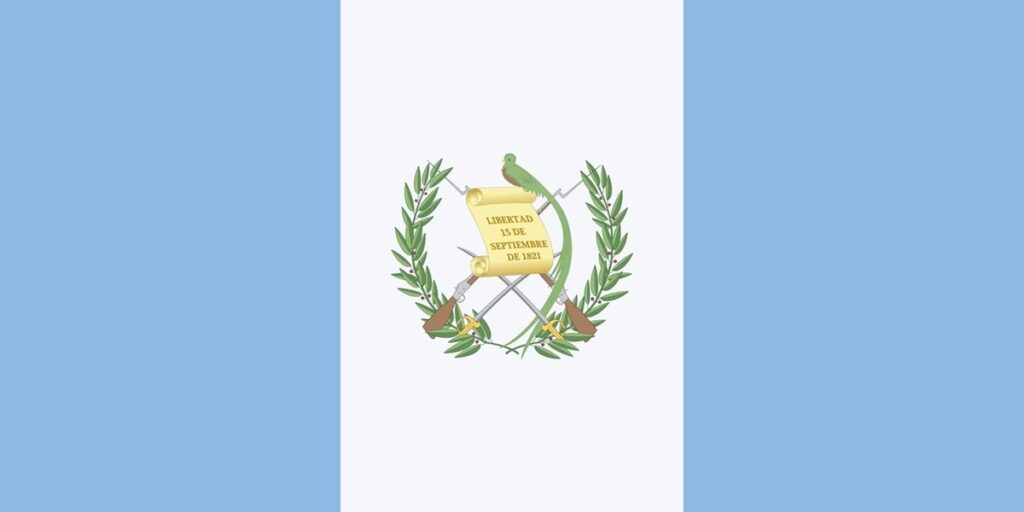
| Guatemala | 🇬🇹 | Guatemala City | De facto primary national language |
| El Salvador | 🇸🇻 | San Salvador | Official national language |
| Honduras | 🇭🇳 | Tegucigalpa | Official national language |
| Nicaragua | 🇳🇮 | Managua | Official national language |
| Costa Rica | 🇨🇷 | San José | Official national language |
| Panama | 🇵🇦 | Panama City | Official national language |
Images and Descriptions
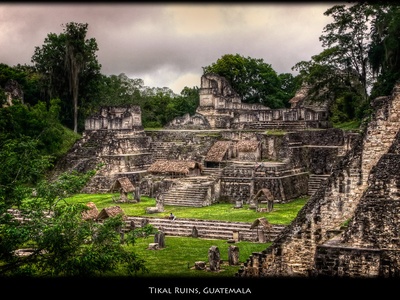
Guatemala
Spanish is the de facto national language used in government and media alongside 24 recognized Mayan, Garífuna and Xinca languages. Guatemalan Spanish features highland influences and local vocabulary. Tip: Learn basic greetings and carry a phrasebook; indigenous regions may prefer local languages.
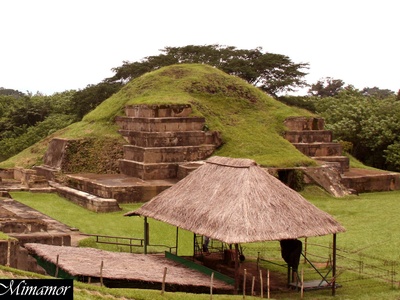
El Salvador
Spanish is the official language across El Salvador, spoken by the vast majority with a Central American coastal accent and casual “vos” usage. Indigenous Nawat survives in small communities. Tip: Use “usted” for formal situations and learn common slang for friendlier interactions.
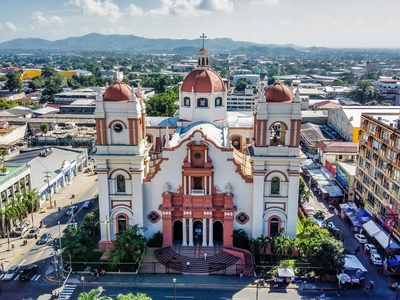
Honduras
Spanish is the official national language and dominates urban life, while Garífuna and indigenous Lenca communities preserve other tongues. Honduran Spanish has Caribbean influences and relaxed pronunciation. Tip: Practice numbers and directions—useful in markets and bus terminals.
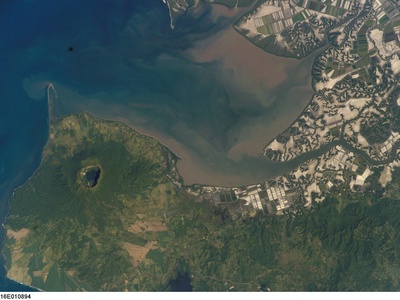
Nicaragua
Spanish is the official language nationwide, with distinctive Nicaraguan intonation and coastal Creole Spanish influences. Indigenous Miskito and other languages exist regionally. Tip: Learn polite phrases and carry bilingual maps when traveling to the Mosquito Coast (La Mosquitia).

Costa Rica
Spanish is Costa Rica’s official language, known for clear pronunciation and the friendly “usted” form. Local speech includes unique vocabulary like “mae.” Indigenous Bribri and Ngäbere languages are regionally important. Tip: Use “por favor” and “gracias”—Costa Ricans appreciate politeness.
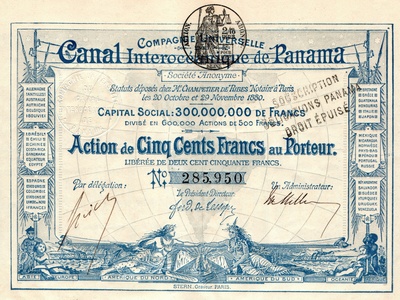
Panama
Spanish is Panama’s official language, mixed with Caribbean and Panamanian slang; indigenous Kuna and Ngäbe languages thrive in comarcas. Panama City is bilingual in places. Tip: Learn transport vocabulary—”autobús” and “taxi”—and be ready for rapid local speech.