Turkey hosts a large and growing international student population—about 200,000 students from abroad study there—making it a top regional destination for higher education (YÖK; Türkiye Scholarships). Its campuses blend rich history, comparatively low tuition, and expanding English programs, yet the practical side of study abroad has tangible downsides. Prospective international students and families should care because choices now affect finances, career portability, and personal safety for the duration of a degree or exchange. This piece lays out seven concrete drawbacks that can materially change outcomes, grouped into three categories: academic & language, financial & administrative, and social & lifestyle. Read these to avoid common surprises and decide whether the trade-offs fit your goals. (You’ll also find numeric examples and authoritative sources to check.)
Academic & Language Challenges
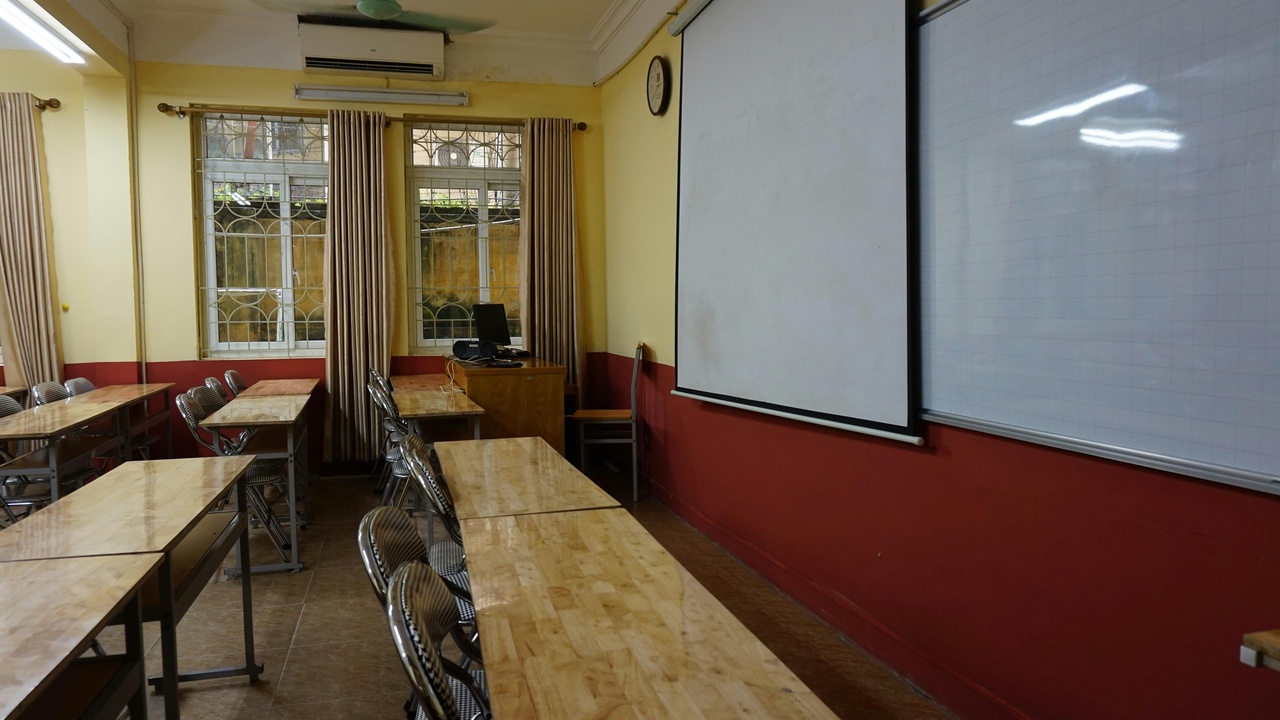
Language of instruction and differences in academic systems create real friction for non-Turkish speakers. These issues reduce class participation, delay graduation, and complicate how your degree is viewed abroad. Know that language proficiency, credit recognition, and unfamiliar grading practices are not minor headaches—they affect internships, scholarship renewals, and graduate-school plans.
1. Heavy reliance on Turkish-language instruction
Many bachelor’s programs at public universities are delivered in Turkish, which is an immediate barrier for students without prior study of the language. The percentage of English-taught programs varies by campus—some institutions (like Boğaziçi University and Middle East Technical University) offer many undergraduate courses in English, while others use Turkish almost exclusively (check individual university catalogs or YÖK listings for exact figures: YÖK).
Language gaps show up as missed nuances in lectures, slower reading of academic texts, and limited classroom participation. A common mitigation route is TÖMER (Turkish language centers on many campuses), which offers intensive pre-sessional courses often lasting 8–16 weeks. Those courses help, but they add time and cost to the degree plan, and not all students reach full academic fluency during one pre-session.
Practical advice: confirm the program language before applying, consider intensive Turkish study (TÖMER or private courses), or prioritize institutions with English-medium tracks if you need immediate classroom fluency.
2. Difficulty transferring credits and diploma recognition
Credits earned in Turkey don’t always transfer cleanly to home universities, and Turkish diplomas may require formal equivalency steps. The Council of Higher Education’s equivalency procedures (YÖK) are the official route for degree recognition—processing can take weeks to several months depending on documentation and whether course syllabi are needed (YÖK).
Exchange students often find home institutions request detailed syllabi or learning outcomes for each course; some students end up taking bridging classes when they return. To avoid surprises, obtain course descriptions up front, get faculty contacts for later verification, and check transfer policies with your registrar before enrolling.
3. Academic standards and grading differences
Assessment styles and grading scales differ across Turkey and from many foreign systems. Turkish courses commonly use a 0–100 numeric scale (or local equivalents) and some departments rely heavily on end-of-term exams rather than continuous assessment. Converting those grades to a familiar GPA can yield unexpected results for scholarship thresholds or graduate admissions.
For example, a local 70/100 minimum may or may not map to a particular GPA used by your home institution—verify conversion rules early with both universities. Understanding local assessment practices also matters for internship eligibility, since some programs require maintaining a specific local average to qualify.
Financial & Administrative Hurdles
Tuition in Turkey is often lower than in Western Europe or North America, but total cost and bureaucracy can be tricky. Exchange-rate swings, one-off fees, and tight administrative windows (visas and permits) create stress for students and families. Plan for hidden costs and build time into administrative tasks to avoid penalties or interrupted study.
4. Hidden costs and variable tuition
Tuition is rarely the full financial picture. Public university fees can range widely—some undergraduate programs cost roughly €1,000–€7,000 per year depending on program and residency status—while living expenses vary by city. Expect monthly living costs in many university towns to fall roughly in the $300–$700/month range, with Istanbul and coastal cities at the higher end (Numbeo).
Other one-time items—registration fees, lab fees, health insurance, and housing deposits—add up. For students relying on part-time work, remember that work-permit rules limit on-campus and off-campus opportunities. Türkiye Scholarships (Türkiye Bursları) and university bursaries can offset costs, but competition is strong and funding rarely covers all incidental expenses.
Budgeting tip: model scenarios for exchange-rate changes and add a buffer of at least 3–6 months’ living costs when applying or signing a lease.
5. Visa, residence permit and bureaucracy
Student visas and residence permits require careful, timely action and can disrupt study when deadlines are missed. Typical timelines include embassy visa processing before travel and a residence permit application after arrival via the e-Devlet system and local immigration office; processing windows commonly span 30–90 days depending on workload and document completeness (see the Directorate General of Migration Management for current guidance: DGMM).
Late renewals may trigger fines or temporary legal issues that affect registration or travel. Common stumbling blocks are missing notarized translations, proof of sufficient funds, or health-insurance documents. Use the university international office for step-by-step help, keep hard and digital copies of everything, and set calendar reminders well before expiry dates.
Social, Safety & Lifestyle Adjustments
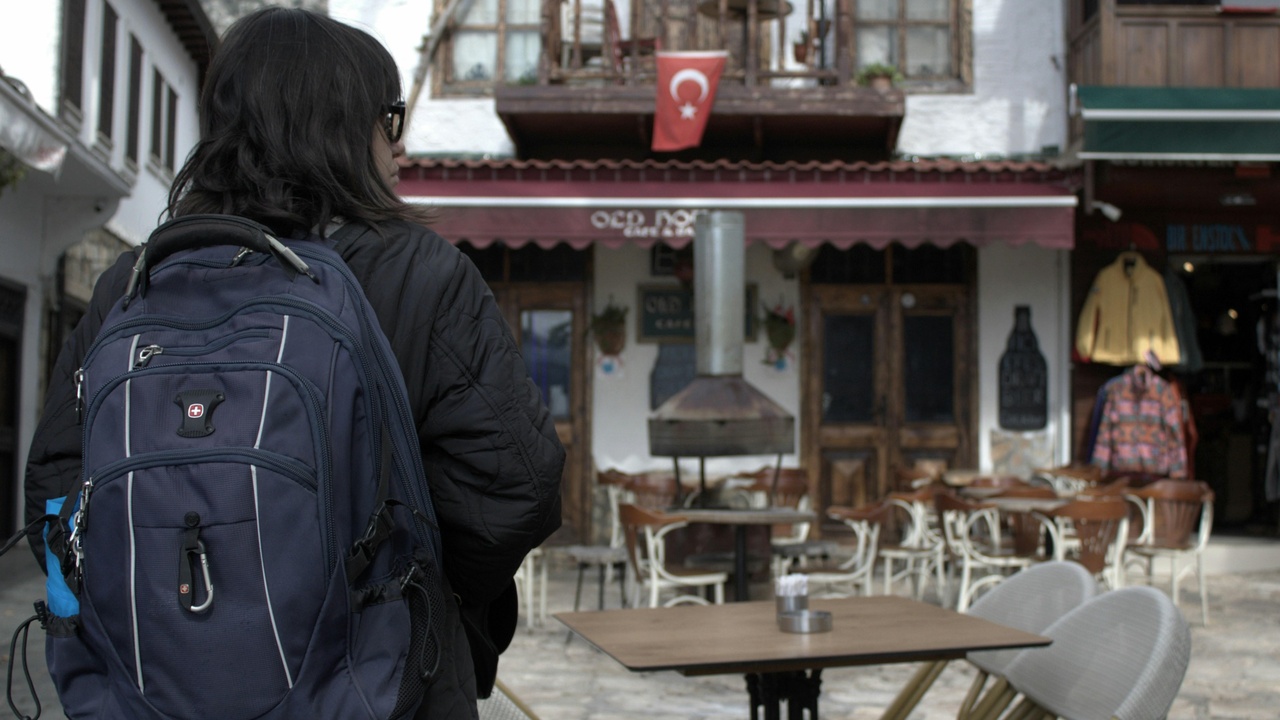
Social life, housing quality, and safety vary across Turkey and affect student well-being more than many expect. Cultural adjustment, local norms, and uneven student services influence mental health, academic focus, and access to internships. Planning housing and integration strategies before arrival improves the experience significantly.
6. Challenges with housing and student services
Campus housing (KYK state dormitories) has limited capacity in popular cities, and private rentals often require deposits, guarantors, or unusual lease terms. Monthly rents for a shared apartment can range from roughly $150–$400 in smaller cities to $400–$800 in Istanbul; deposits commonly equal one or two months’ rent (verify local rates before committing).
Private platforms like Sahibinden or local estate agents are common, but scams exist—asking for large advance wire transfers to unverifiable accounts is a red flag. University housing services, early KYK dorm applications, and meeting landlords in person are practical safeguards. Poor housing choice can lengthen commutes and cut into study time.
7. Social integration, safety concerns and discrimination
Many international students report positive cultural exchange, yet some face social isolation, regional safety differences, or occasional discrimination. Local attitudes can differ between metropolitan areas like Istanbul and smaller towns, and embassy advisories provide city-specific safety notes worth checking before you move.
Social friction can lead to mental-health challenges or limit internship networks. Remedies that help include joining university international student offices and buddy programs, registering with your embassy, and connecting with student clubs or expat groups in the city. These channels also point you to counseling services and legal help when needed.
Summary
- Verify language of instruction early—many programs are in Turkish; consider TÖMER or 8–16 week pre-sessional courses if you need academic Turkish.
- Budget beyond tuition: plan for tuition ranges (roughly €1,000–€7,000 at some public programs), monthly living costs ($300–$700+), deposits and one-off fees—factor exchange-rate volatility into your finances (Türkiye Scholarships, YÖK).
- Start visa and residence-permit steps immediately after acceptance; DGMM timelines and university international offices can prevent late-renewal fines—expect 30–90 day processing windows (DGMM).
- Prioritize housing and integration: apply early for KYK dorms, vet private listings on platforms like Sahibinden, register with your embassy, and join campus buddy or student-club programs to avoid isolation.
- Before you apply or sign anything, confirm credit-transfer and diploma equivalency rules with your home registrar and YÖK to avoid surprises after you graduate; these practical checks can save months.