On August 15, 1960, the Republic of the Congo declared independence from France — an event that marked the start of a modern national story set against some of Africa’s most intact rainforests and river landscapes.
Travel here combines remarkable wildlife, living river cultures and a sense of relative solitude that many safari-goers no longer find in the better-known parks. With a population of roughly 5.5 million, the country still has vast, lightly visited wilderness and cities shaped by the Congo River.
Many travelers default to crowded safari hubs and miss lesser-known gems. From rare primates in vast rainforests to vibrant river cities and off-the-beaten-path adventure, here are 10 reasons the Republic of the Congo deserves serious consideration from curious travelers — grouped into Wildlife & Nature, Rivers & Landscapes, Culture & History, and Adventure & Practical Travel tips.
Pristine Rainforests & Exceptional Wildlife
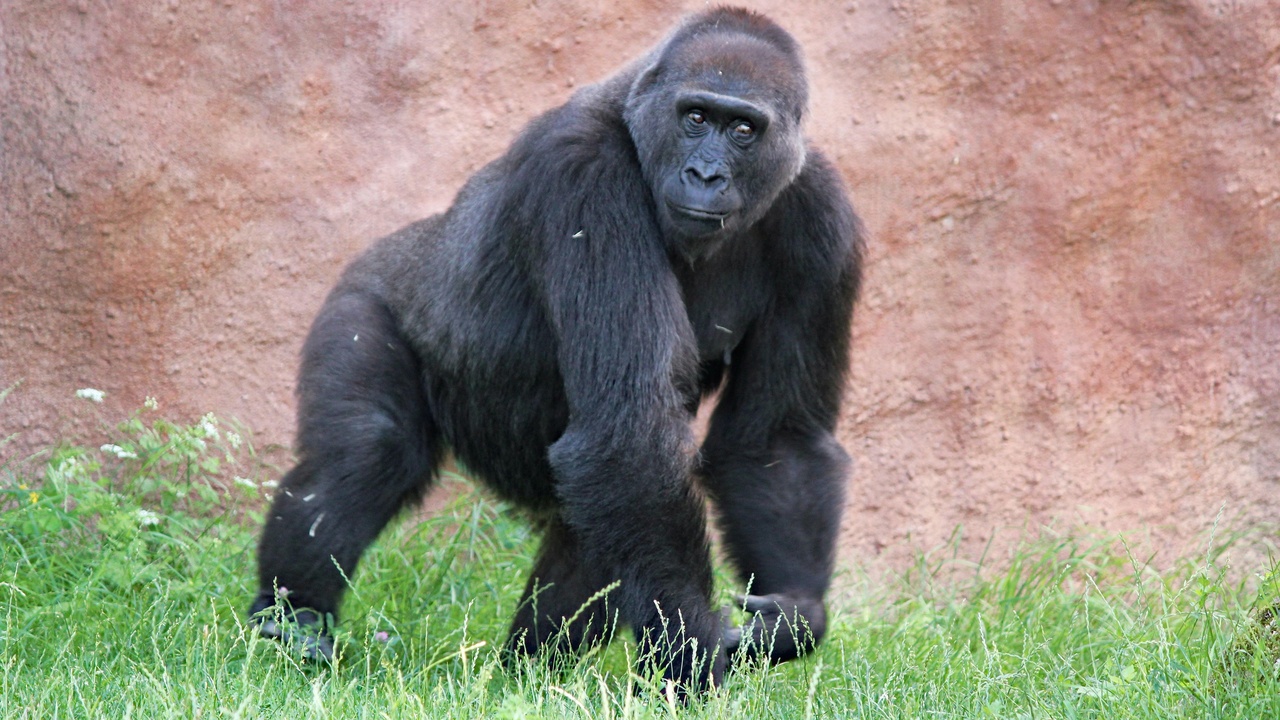
The Republic of the Congo sits at the heart of the Congo Basin, one of the planet’s largest rainforests (about 3.7 million km²). The country protects large blocks of primary forest — relatively intact habitat where wildlife still behaves naturally because visitor numbers remain low compared with neighboring safari destinations.
Protected areas such as Odzala-Kokoua and Lac Télé are hubs for conservation, research and small-scale tourism, offering more intimate encounters with species that are rarely seen elsewhere.
1. See Western Lowland Gorillas and Other Rare Primates
The Republic of the Congo offers some of Africa’s best opportunities to see western lowland gorillas and habituated ape groups. Odzala‑Kokoua National Park (roughly 13,600 km²) and the Lac Télé area host research camps and guided tracking teams focused on gorilla monitoring and protection.
A typical tracking day begins before dawn with local trackers and a small guide group, walking light trails to locate gorilla families, then spending a carefully managed observation period. Visitors report close, respectful encounters and the rare privilege of watching gorillas in primary forest.
2. Rich Biodiversity — Forest Elephants, Duikers and Birdlife
Beyond apes, the forests shelter forest elephants, several species of duiker and hundreds of bird species — the Congo Basin as a whole supports immense ornithological diversity. Regional bird lists commonly exceed several hundred species, making the area rewarding for specialists and keen birders alike.
Wildlife viewing here is varied: trek to find forest elephants on foot, watch primates from hides or go by boat for riverine species. Many conservation projects tie tourism revenues to local livelihoods, so guided sightings often support community conservation.
3. Intact Forest Landscapes for Low-Impact Eco-Tourism
A lot of the country’s forest remains undeveloped for mass tourism, which means real wilderness experiences are possible. Small eco-lodges, expedition camps and community-run sites offer stays that prioritize low impact and local partnership.
Look for operators that work with park authorities and local trackers; those partnerships improve both wildlife outcomes and visitor experiences. Small groups, simple camps and expert guides make for authentic stays near Odzala or Lac Télé.
Rivers, Coastlines & Spectacular Scenery
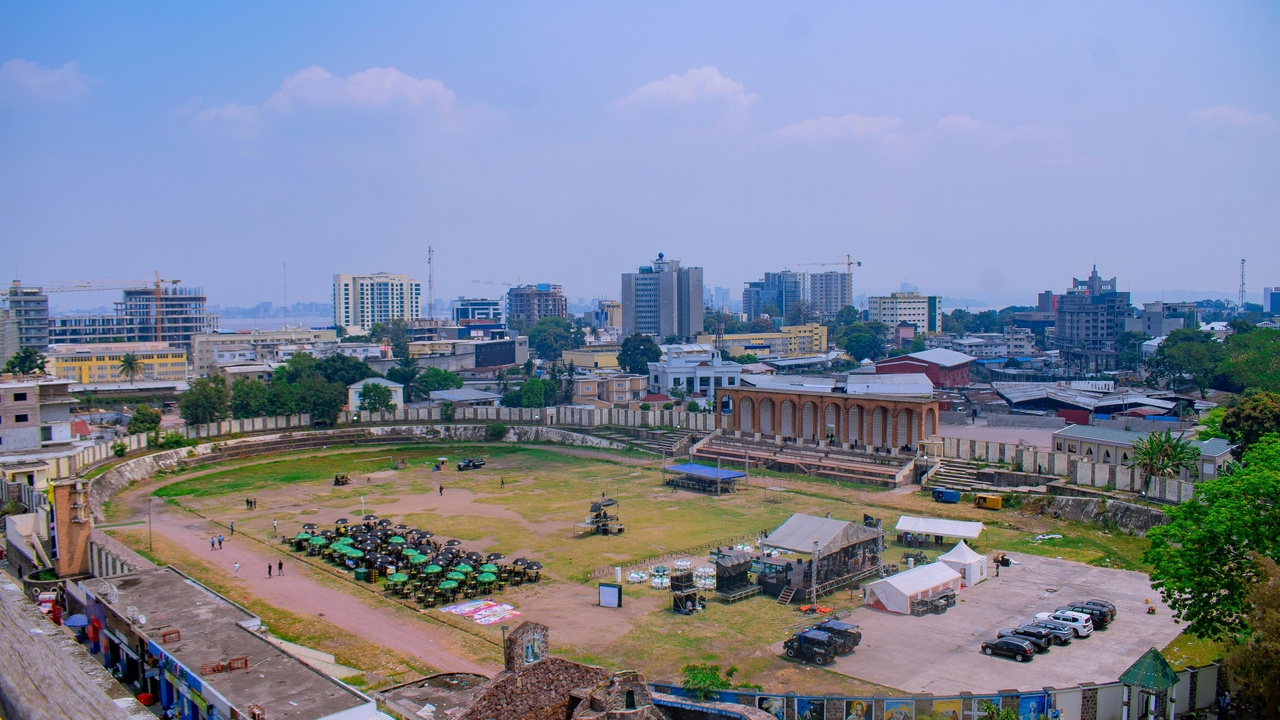
The Congo River corridor shapes cities, cultures and travel routes. At about 4,700 km long, the river is both a major transport artery and a dramatic backdrop to urban life — most famously where Brazzaville faces Kinshasa across a wide expanse of water.
Waterways, coastal beaches and port towns add diverse scenery to forest experiences, and many of the country’s best days are spent on boats, pirogues and riverfront promenades.
4. Explore the Mighty Congo River and Brazzaville’s Riverfront
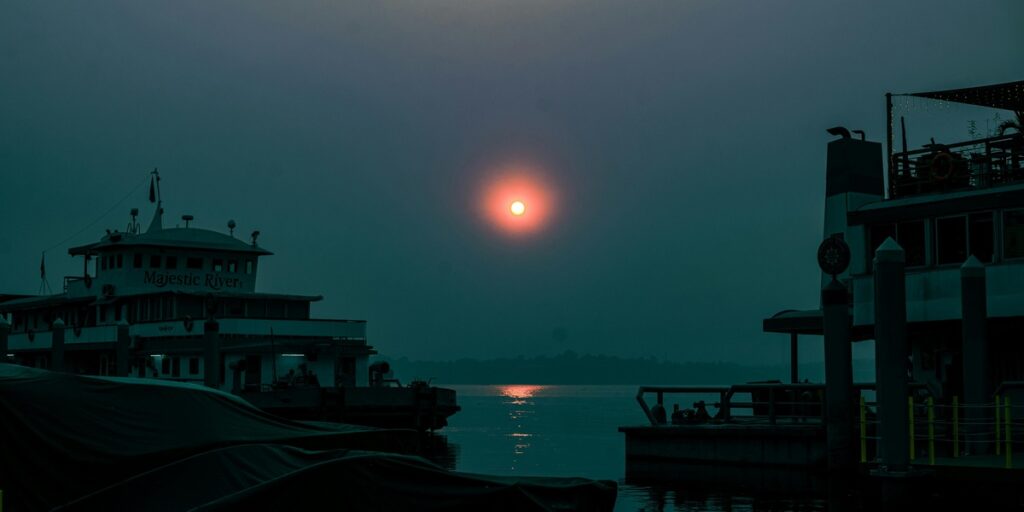
The Congo River is both symbolic and practical: it defines transport, commerce and leisure. Brazzaville’s riverfront offers markets, riverside cafés and photographic vistas, especially at sunset when the quay fills with locals and fishermen.
A short river cruise or a ferry crossing to the Kinshasa side provides perspective on two capitals separated only by water. Local ferry and pontoon services are part of daily life; guided short trips give safe, scenic ways to experience the river first-hand.
5. Coastal Beaches and Pointe-Noire’s Maritime Scene
Pointe‑Noire, the country’s main port and economic center, brings an Atlantic edge to the Republic of the Congo. Beaches, seafood markets and a different coastal ecology offer contrast to inland forests.
Spend time wandering seaside neighborhoods, sampling fresh fish at markets or taking short coastal boat trips. The city’s colonial-era buildings and bustling port activity add cultural flavor to beach time.
6. Boat Trips, Fishing and Village Visits Along Tributaries
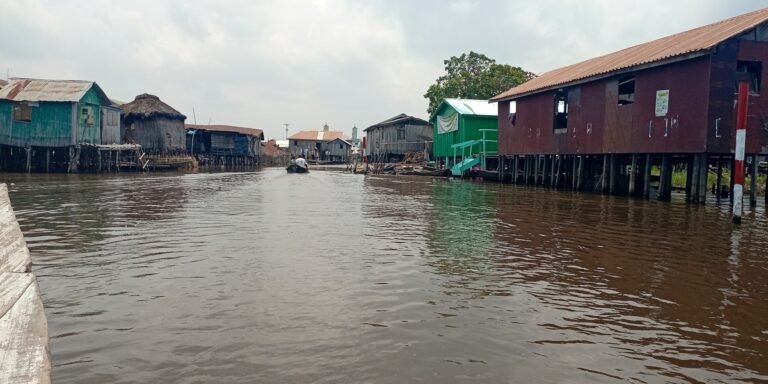
Many memorable days here are spent in pirogues visiting riverside villages, fishing with local boatmen and watching wildlife along forested waterways. Seasonal water levels change access and wildlife behavior, so timing (high vs. low water) matters.
Booking a local pirogue trip through a lodge or community guide is straightforward — bring water-resistant gear, sunscreen and a good insect repellent. Sunrise birding by boat or a half-day village visit often yields close cultural encounters and wildlife viewing.
Culture, History & Local Life
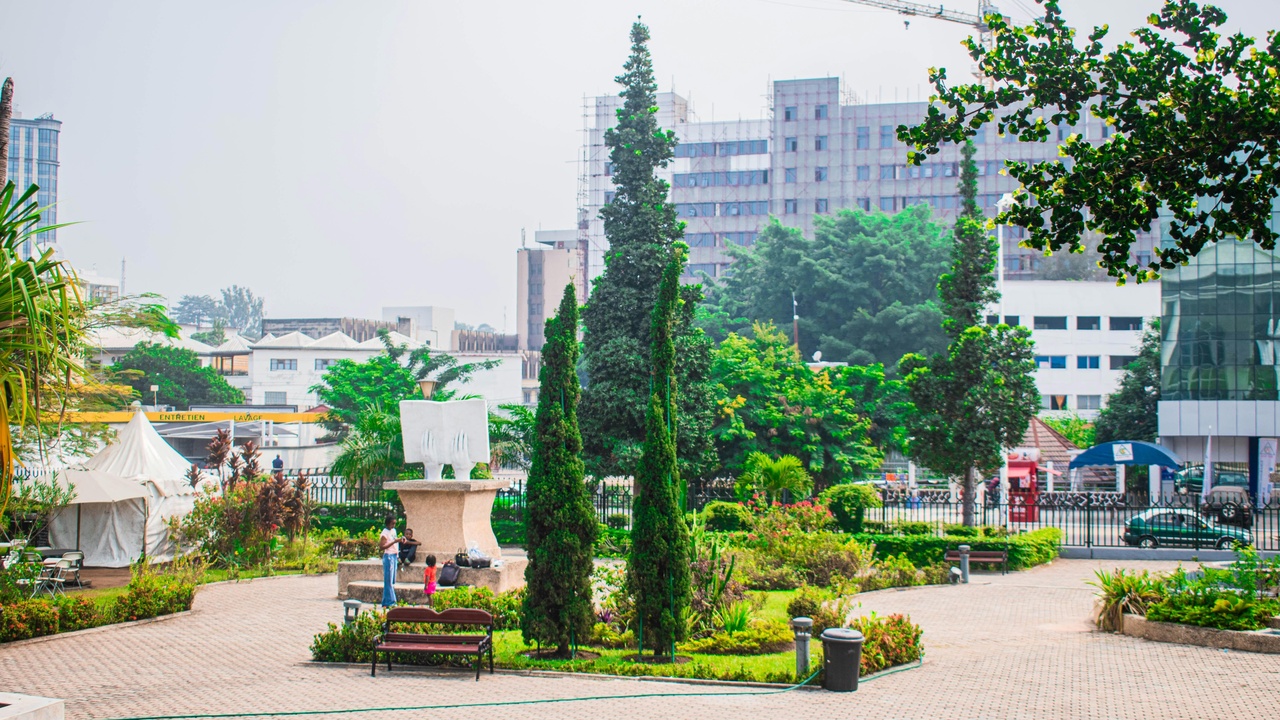
The Republic of the Congo has layered histories — precolonial societies, a French colonial period and post-independence cultural development since 15 August 1960. That mix shows in markets, music and civic architecture.
Markets hum with trade, live music is everywhere and museums and public buildings tell the story of a young nation with deep regional traditions.
7. Vibrant Markets, Music and Congolese Culture
Markets are central social spaces — crowded stalls sell produce, fish, textiles and handcrafted objects. Brazzaville’s central markets and street vendors are great places to taste local food and see everyday life at close range.
Music is a living tradition here: Congolese rumba and soukous rhythms spill from venues and bars. When visiting markets or photographing people, be polite about asking permission, offer a small fee for posed shots and respect local bargaining customs.
8. Colonial History, Museums and Architectural Highlights
The country’s colonial past and its independence in 1960 left tangible traces in architecture and civic spaces. The Palais du Peuple in Brazzaville and small national museums display political history, art and ethnographic collections.
A short walking route through Brazzaville will take you past colonial-era buildings, civic squares and riverside quays. Check opening hours for museums and consider a local guide to add context to plaques and exhibits.
Adventure Travel, Practicalities & Off-the-Beaten-Path Appeal
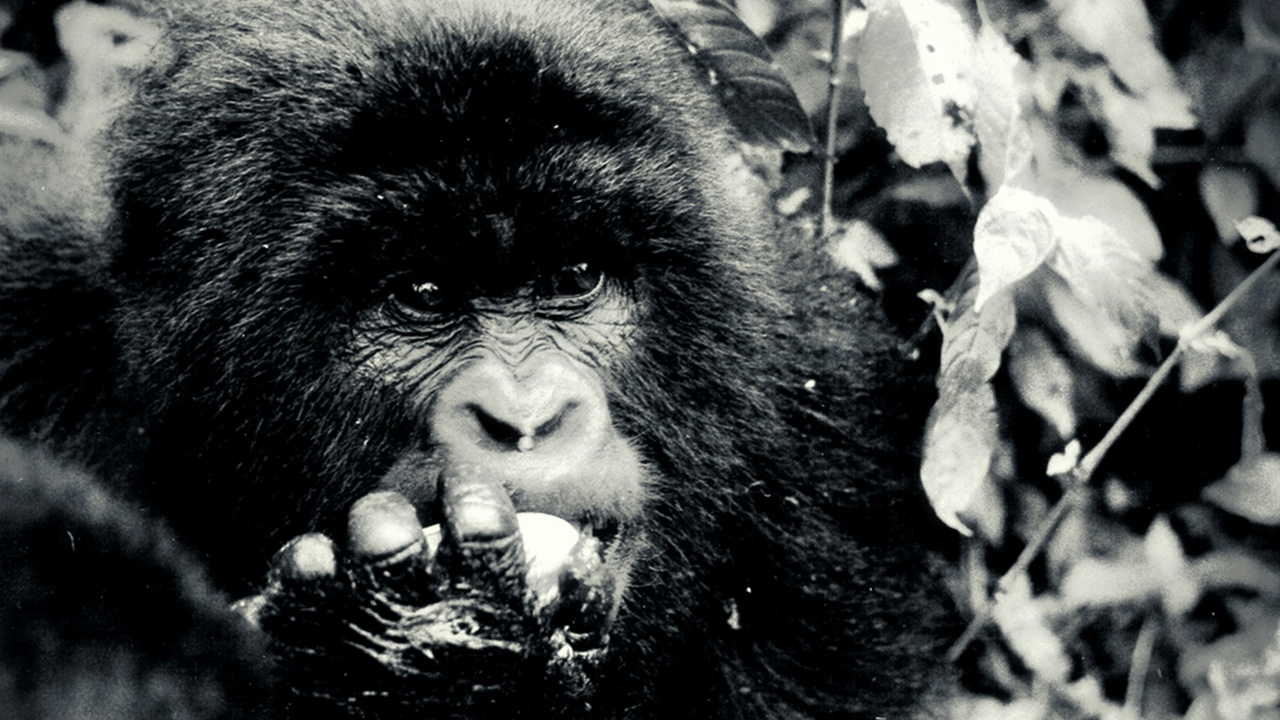
The Republic of the Congo rewards travelers who seek less-traveled routes: small-group expeditions, forest treks and railway journeys deliver hands-on travel away from tour buses and crowded campsites.
Practical planning makes these trips smooth: respect seasons, choose accredited operators and prioritize conservation-minded providers who employ local staff and support community projects.
9. Remote Trekking, Safaris and Small-Group Expeditions
The country offers multi-day forest treks, guided night walks and expedition-style stays that put you close to wildlife. Operators typically run 3–7 day itineraries based around national parks and reserves.
Prepare with appropriate vaccinations, moderate fitness for walking on uneven trails and lightweight, protective clothing. Small groups and experienced local guides increase the odds of good wildlife sightings while minimizing impact.
10. Affordable, Off-the-Beaten-Path Travel for Curious Explorers
Lower visitor numbers often mean better value for nature-focused travel: modest lodge rates and small-group departures compare favorably with mainstream safari parks. Tourism infrastructure is emerging, so expect simple comforts rather than luxury resorts in many areas.
Combine a city stay in Brazzaville with a park visit to Odzala for contrast. Domestic flights, charter transfers and the scenic Congo‑Ocean Railway (between Brazzaville and Pointe‑Noire) can connect regions, but schedules change — book through reputable agents and confirmed operators.
Practical booking tips: travel in the drier months for easier forest access, verify operator credentials and ask how tourism fees support conservation or community projects. Small investments in vetted guides go a long way for safety and positive impact.
Summary
- Intact Congo Basin forests offer rare wildlife encounters, from western lowland gorillas (Odzala) to forest elephants and rich birdlife.
- The Congo River shapes city life — Brazzaville’s riverfront opposite Kinshasa and river trips provide uniquely scenic, cultural experiences.
- Pointe‑Noire and coastal stretches add maritime culture and beaches to inland rainforest adventures.
- Low visitor numbers, community-linked eco-lodges and small-group expeditions reward curious travelers seeking authentic, conservation-minded trips.