
TLDR
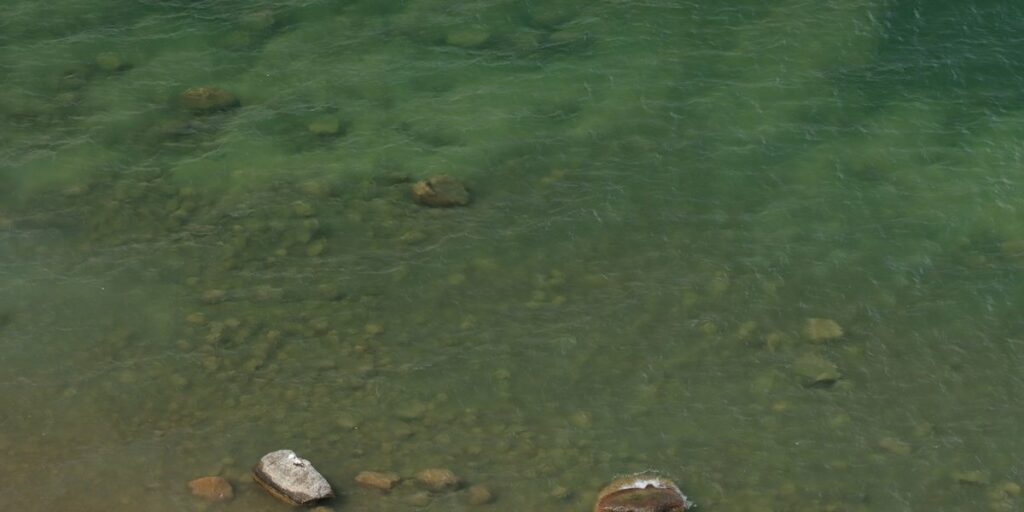
Neusiedler See, straddling Austria and Hungary, is Europe’s shallowest lake of any real size — its average depth barely clears a meter, and in dry years it has come close to vanishing outright. Lake Balaton, Hungary’s “inland sea,” isn’t far behind at 3.2 meters average, which is exactly why the water there warms up faster than almost anywhere else on the continent. Below is the full ranking, from shallowest to (relatively) deepest, with what each lake’s shallowness actually means if you’re planning to swim in it.
Table of Contents
- Why some of Europe’s biggest lakes are also its shallowest
- Europe’s shallowest lakes, ranked
- Neusiedler See, Austria/Hungary
- Hornborgasjön, Sweden
- Razelm-Sinoe lagoon complex, Romania
- Vistula Lagoon, Poland/Russia
- Curonian Lagoon, Lithuania/Russia
- Szczecin Lagoon, Germany/Poland
- Lake Balaton, Hungary
- Lake Trasimeno, Italy
- Markermeer, Netherlands
- IJsselmeer, Netherlands
- Lake Skadar, Montenegro/Albania
- Lake Peipus, Estonia/Russia
- What extreme shallowness does to a lake
Why some of Europe’s biggest lakes are also its shallowest
Size and depth have almost nothing to do with each other. Balaton covers more surface area than most European reservoirs and averages barely a person’s height in water. That’s not a coincidence — it’s geology. A lake carved out by a retreating glacier scoops deep; a lake that formed when a river delta silted up a coastal bay stays flat and wide. Most of the lakes on this list owe their shallowness to one of three origin stories: they’re endorheic basins with no outlet (Neusiedler See), reclaimed sections of a former sea (IJsselmeer, Markermeer), or brackish lagoons sealed off from open water by a sandbar or spit (the Baltic lagoons, the Curonian, the Vistula, Szczecin).
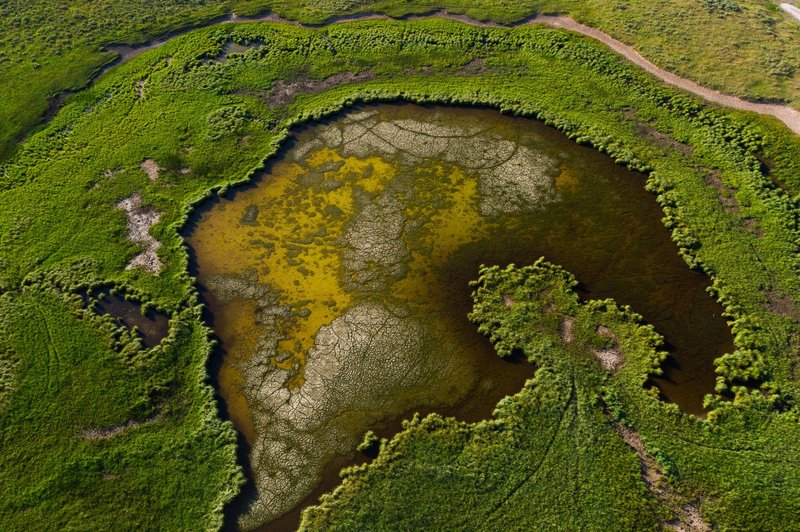
That shape has consequences well beyond trivia. Shallow lakes heat up and cool down fast, mix oxygen through their whole water column instead of stratifying, and support reed beds and wading birds that a 300-meter-deep alpine lake never will. It also means they’re more vulnerable — a bad drought year can drop water levels enough to close beaches or strand boats.
Europe’s shallowest lakes, ranked
| Lake | Country | Avg. Depth | Max Depth | Surface Area |
|---|---|---|---|---|
| Neusiedler See | Austria / Hungary | ~1.0 m (3.3 ft) | ~1.8 m (6 ft) | 315 km² |
| Hornborgasjön | Sweden | ~0.6 m (2 ft) | ~2 m (6.5 ft) | 28 km² |
| Razelm-Sinoe lagoons | Romania | ~1.6 m (5.2 ft) | ~3.5 m (11.5 ft) | 1,015 km² |
| Vistula Lagoon | Poland / Russia | ~2.7 m (8.9 ft) | 5.2 m (17 ft) | 838 km² |
| Curonian Lagoon | Lithuania / Russia | ~3.8 m (12.5 ft) | 5.8 m (19 ft) | 1,584 km² |
| Szczecin Lagoon | Germany / Poland | ~3.8 m (12.5 ft) | 8.5 m (28 ft) | 687 km² |
| Lake Balaton | Hungary | 3.2 m (10.5 ft) | 12.2 m (40 ft) | 592 km² |
| Lake Trasimeno | Italy | 4.7 m (15.4 ft) | 6.3 m (20.7 ft) | 128 km² |
| Markermeer | Netherlands | ~3.6 m (11.8 ft) | ~5 m (16.4 ft) | 700 km² |
| IJsselmeer | Netherlands | ~4.5 m (14.8 ft) | ~7 m (23 ft) | 1,100 km² |
| Lake Skadar | Montenegro / Albania | ~5 m (16.4 ft)* | up to 60 m in karst pits | 391-530 km² |
| Lake Peipus | Estonia / Russia | 7.1 m (23.3 ft) | 15.3 m (50 ft) | 3,555 km² |
*Skadar’s average is deceptive — most of the basin is a shallow floodplain, but a scatter of submerged karst sinkholes plunge far deeper.
Neusiedler See, Austria/Hungary — swim, but check the water level first
Neusiedler See is Central Europe’s largest endorheic lake, meaning no river drains out of it — water only leaves by evaporation. That’s the whole reason it’s this shallow: there’s nothing carving it deeper, and dry summers can shrink it noticeably within a single season. In the early 1860s the lakebed dried out almost entirely, and it’s happened on a smaller scale since. Reed beds now cover close to half the surface area, particularly on the Hungarian side around Fertő-Hanság National Park, which makes it one of the most important bird habitats in the region.
For swimmers, the appeal is warm water — it heats up fast in a basin this shallow, often reaching the low 20s Celsius by midsummer — and a lakebed that’s mostly soft mud rather than sand. Stick to the maintained bathing spots (Podersdorf and Rust on the Austrian side are the standards); the reed-choked margins aren’t set up for wading in.
Hornborgasjön, Sweden — skip the swim, come for the cranes
Hornborgasjön is so shallow that a poorly managed drainage project in the 20th century nearly killed it outright, turning open water into marsh. A restoration effort starting in the 1990s pumped the lake back up, and today its average depth still sits under a meter across most of its area. It’s not a swimming destination — the water is often just wading depth and the bottom is soft peat — but it’s become one of Europe’s best-known crane migration sites, with tens of thousands of common cranes stopping over each spring.
Razelm-Sinoe lagoon complex, Romania — skip, but worth seeing
This is a chain of lagoons sealed off from the Black Sea by the same sandbar system that built the Danube Delta, and it shares the delta’s ecological weight — it’s part of the same UNESCO-listed wetland. The water is brackish, shallow enough in most stretches to see the bottom, and heavily used for fish farming rather than recreation. It’s a boat-and-birdwatching destination, not a beach.
Vistula Lagoon, Poland/Russia — skip for swimming, go for the spit
Cut off from the Baltic by the Vistula Spit, this lagoon is fed by freshwater rivers on one side and connects to salt water through a narrow strait on the other, which keeps it brackish and nutrient-rich. That nutrient load, combined with shallow depth, means it’s prone to algal blooms in warm months — not ideal for a swim, though the spit itself, split between Poland and the Kaliningrad exclave, draws its own visitors.
Curonian Lagoon, Lithuania/Russia — swim on the spit side
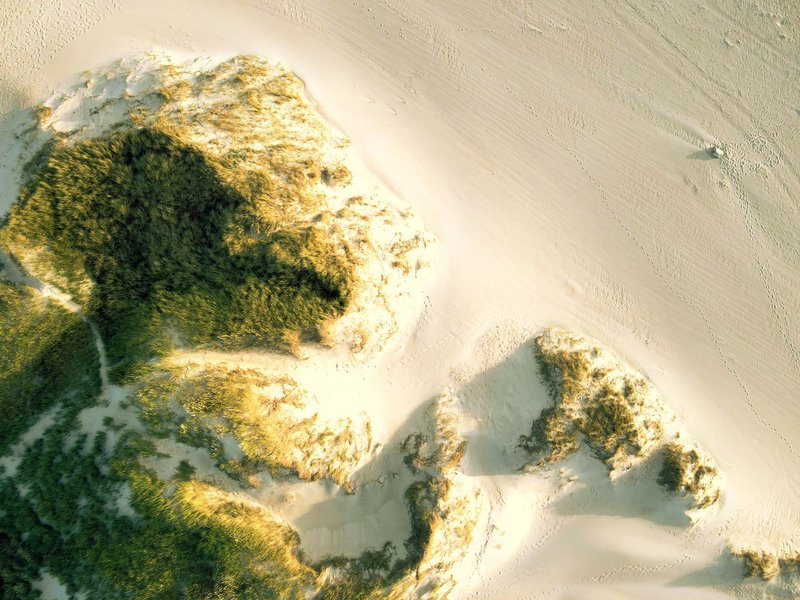
The Curonian Lagoon sits behind the Curonian Spit, a 98-kilometer band of dunes so distinctive UNESCO lists it as a World Heritage Site. The lagoon itself is shallow and freshwater on the Lithuanian end, fed by the Neman River, and gets brackish near the Baltic connection at the Klaipėda strait. Swimming is popular on the spit’s lagoon-facing beaches around Nida, where the water is calmer and warmer than the open Baltic side just a dune away.
Szczecin Lagoon, Germany/Poland — skip
Formed where the Oder River meets the Baltic, Szczecin Lagoon is split between Germany and Poland and functions more as a shipping and fishing waterway than a recreational one. Shallow water plus heavy nutrient runoff from the Oder’s agricultural basin means algae blooms are common in summer — this one’s for boat traffic, not swimmers.
Lake Balaton, Hungary — swim, it’s the whole point
Balaton is Central Europe’s answer to a seaside holiday, and its shallowness is the actual selling point. At 3.2 meters average depth, the water warms quickly — often into the mid-20s Celsius by July — and stays warm long after deeper lakes have cooled off. The northern shore drops off faster and is popular with divers and windsurfers; the southern shore is famous for water so shallow you can walk out a hundred meters and still be standing. That gentle slope is why Balaton’s south shore became Hungary’s family-holiday coast rather than its adventure-sports one.
Lake Trasimeno, Italy — swim, it’s genuinely warm
Trasimeno has no significant inflow or outflow, which is unusual for a lake this size in Italy, and it means the water level responds directly to rainfall rather than river management. It’s shallow enough, and gets warm enough, that it’s one of the few Italian lakes where swimming feels more like the Adriatic coast than an alpine lake. Three small islands sit inside it, and the lakebed near shore is mostly sand and silt rather than rock.
Markermeer, Netherlands — skip
Markermeer was cut off from what’s now the IJsselmeer in 1976 by a causeway, and separating it stopped the natural sediment flow that used to keep the water clear — it’s turned notably murkier since. It’s shallow, cold most of the year, and mainly used for sailing rather than swimming; a large ecological restoration project (Marker Wadden, a set of artificial islands) has been underway to rebuild its wetland habitat.
IJsselmeer, Netherlands — swim in the sheltered spots
IJsselmeer used to be a saltwater bay of the North Sea called the Zuiderzee until the Afsluitdijk, completed in 1932, sealed it off and turned it freshwater over the following decades. That’s a textbook case of a reclaimed polder lake — shallow because it was engineered, not carved. It’s popular for sailing and, in sheltered bays and designated swimming spots, for a summer dip, though the open water can be choppy given the lake’s size.
Lake Skadar, Montenegro/Albania — swim near shore, respect the karst
Skadar is the Balkans’ largest lake and mostly a shallow floodplain lined with water lilies and reed beds, home to one of Europe’s largest pelican colonies. What makes its depth profile odd is the karst geology underneath: scattered sinkholes called “oko” (eyes) plunge tens of meters straight down within an otherwise shallow lake. Swimming near the shore and in the shallow bays is common and the water gets pleasantly warm in summer, but it’s worth knowing the bottom isn’t uniform.
Lake Peipus, Estonia/Russia — swim, especially the southern shore
Peipus is Europe’s largest transboundary lake and the deepest on this list, though “deepest here” still means most of it is wading-to-chest depth — the maximum of 15.3 meters occurs in only a small area. It froze solid enough in 1242 to host the Battle on the Ice between Alexander Nevsky and the Livonian Order, a detail that only makes sense once you know how shallow and slow-warming this basin is. Today the Estonian shore has sandy beaches that warm up reliably by midsummer, making it one of the better swimming lakes in the eastern Baltic states.
What extreme shallowness does to a lake
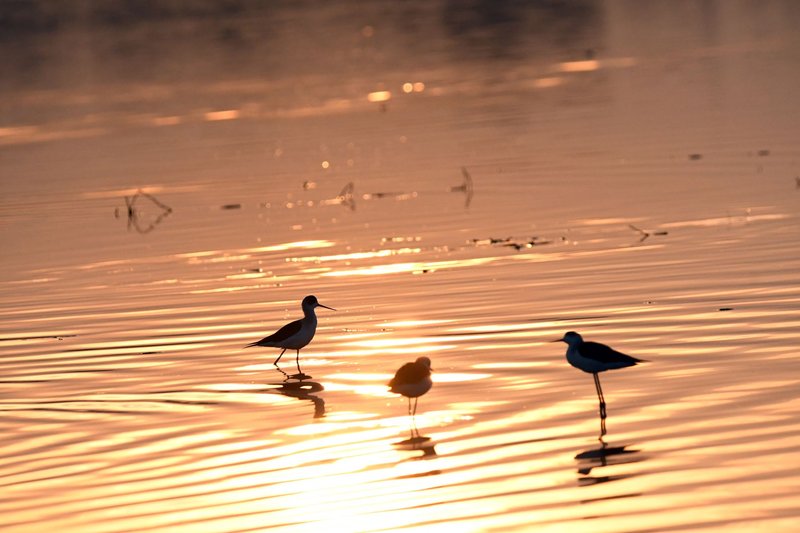
Every lake on this list shares a few traits that trace straight back to depth. Shallow water mixes top to bottom instead of settling into the warm-surface, cold-bottom layers you’d get in a deep glacial lake, so oxygen reaches the whole water column and temperature swings fast with the seasons. That’s good news for reed beds, aquatic plants, and the fish and birds that depend on them — it’s a large part of why Neusiedler See, Hornborgasjön, and Skadar all rank among Europe’s most important wetland bird sites, according to the IUCN’s wetland assessments.
It’s also a liability. Shallow, nutrient-rich water is exactly the recipe for eutrophication — algal blooms fed by agricultural runoff, which several lagoons on this list (Vistula, Szczecin) deal with every summer. And because there’s so little volume to buffer against evaporation, endorheic lakes like Neusiedler See can lose a meaningful chunk of their surface area in a single dry year, a pattern researchers have tied to shifting precipitation patterns across Central Europe.
None of that makes these lakes lesser than the deep alpine ones that dominate most “best lakes” lists. It makes them a different kind of ecosystem — one where you can usually see the bottom, the water warms up fast enough to actually swim in, and the birdlife tends to be better than the postcard.