Asia is full of places where time seems to have stopped: ruined marketplaces, silent homes along old trade routes, and islands left to the elements after military or industrial use. These sites reveal layers of history and changing human patterns, from medieval border towns to Cold War-era installations.
There are 15 Ghost Towns in Asia, ranging from Ani to Vozrozhdeniye Island. For each entry you’ll find below the data organized as Country, Coordinates (lat,long), Abandonment reason so you can quickly compare histories and locations — you’ll find those details below.
Why were these towns abandoned?
Abandonment reasons vary: war and shifting borders, economic collapse or resource depletion, environmental change, and planned evacuations for safety or military use. Each town has its own mix of causes, and the list below notes the primary reason for each site so you can see common patterns and unique cases.
Can I visit these ghost towns, and what should I consider?
Some sites are open to visitors, others lie on restricted land or require permits; safety and preservation concerns also apply. Check local rules, respect closures, avoid trespassing, and prepare for remote conditions (transport, weather, no services) before planning a visit.
Ghost Towns in Asia
| Name | Country | Coordinates (lat,long) | Abandonment reason |
|---|---|---|---|
| Hashima (Gunkanjima) | Japan | 32.63,129.74 | Mine closure (1974) |
| Houtouwan (Shengshan Island) | China | 30.85,122.36 | Depopulation/urban migration |
| Dhanushkodi | India | 9.14,79.46 | Cyclone destruction (1964) |
| Kuldhara | India | 26.92,70.45 | Mass exodus/abandonment (19th century) |
| Bhangarh | India | 27.10,76.27 | Decline/legendary curse (18th century) |
| Kayaköy (Levissi) | Turkey | 36.85,29.25 | Population exchange (1923) |
| Varosha (Famagusta) | Cyprus | 35.13,33.92 | War/occupation and sealing (1974) |
| Kadykchan | Russia | 62.38,150.74 | Mine closure and safety incidents |
| Vozrozhdeniye Island | Kazakhstan | 45.83,59.00 | Soviet BW testing and abandonment |
| Ani | Turkey | 40.34,43.38 | Medieval decline and warfare (14th century) |
| Hasankeyf | Turkey | 37.88,41.42 | Dam construction and flooding evacuation |
| Kowloon Walled City (site) | Hong Kong (China) | 22.34,114.19 | Demolition and clearance (1990s) |
| Sanzhi Pod City | Taiwan | 25.26,121.42 | Financial collapse and safety concerns |
| Bokor Hill Station | Cambodia | 10.64,104.04 | Economic decline and abandonment (mid-20th c.) |
| Shicheng (Lion City) | China | 29.54,118.27 | Dam flooding/submergence (1959) |
Images and Descriptions
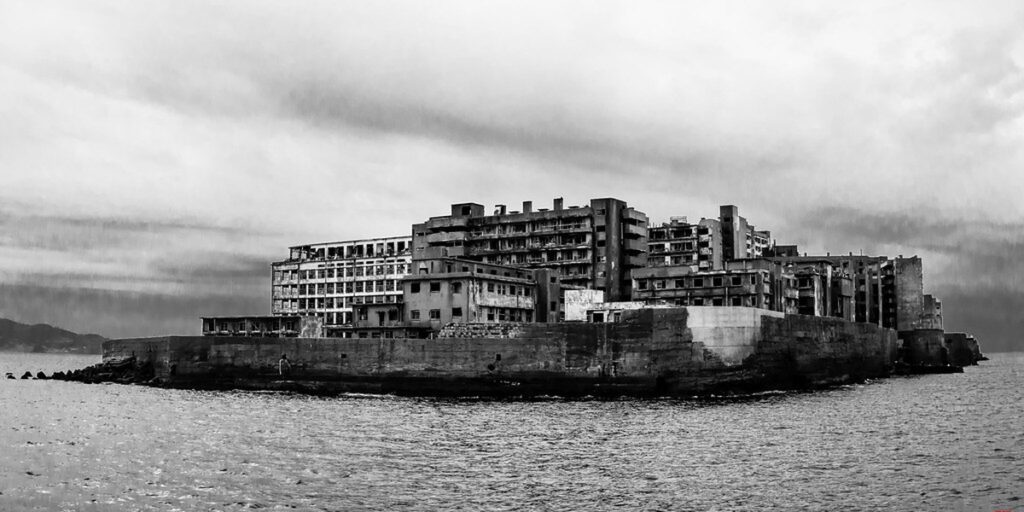
Hashima (Gunkanjima)
Small, fortified coal-mining island off Nagasaki abandoned after coal ran out. Concrete apartment blocks and sea-worn towers remain; guided boat tours operate with strict access limits. It’s iconic for industrial decay and dramatic skyline photography.

Houtouwan (Shengshan Island)
Once a bustling fishing village on Shengshan Island, residents left in the early 2000s. Nature has reclaimed the concrete houses and piers; the vine-covered ruins are a popular photo spot reached by boat and a short hike.
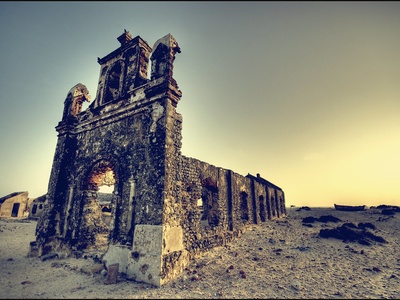
Dhanushkodi
Tip of Rameswaram, destroyed by the 1964 cyclone and left as a windswept ruin. Collapsed railway, broken temples and skeletal buildings sit on white sands; reachable by road for adventurous visitors, with no services on-site.
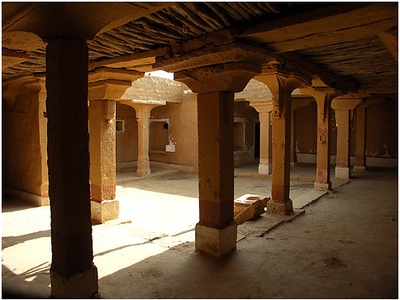
Kuldhara
Deserted village near Jaisalmer said to have been abandoned overnight. Sand-blasted stone houses and lanes offer a ghostly desert atmosphere; popular with tourists and local guides, especially during daytime visits.
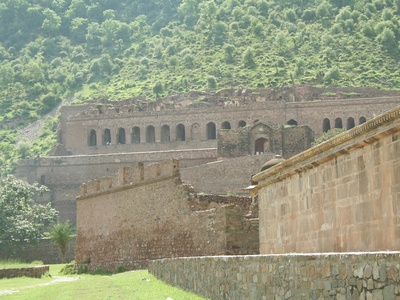
Bhangarh
Ruined fortified town in Rajasthan famous for its ghost stories. Stone buildings and a ruined palace draw curious visitors; entry is legally prohibited after sunset, so plan daytime visits and guided excursions from nearby towns.
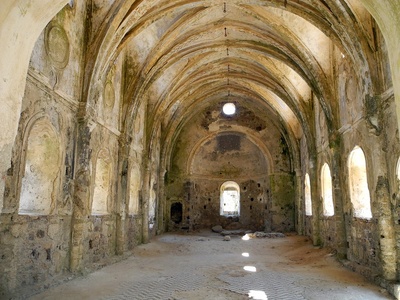
Kayaköy (Levissi)
Stone village near Fethiye vacated in the 1923 Greco-Turkish population exchange. Roofless houses, churches and narrow lanes form an evocative open-air ruin with marked paths and easy access; popular with photographers and history visitors.
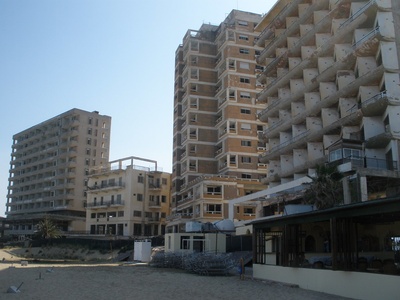
Varosha (Famagusta)
Seaside district of Famagusta left frozen after the 1974 conflict, with hotels and shops standing empty. The area has been fenced and access restricted for decades; any visit requires checking current political and access conditions.
Kadykchan
Remote Magadan-region coal town abandoned after Soviet-era mine closures and accidents in the 1990s. Stripped apartment blocks and decaying infrastructure remain; the site is remote, often visited only by adventurous explorers with local arrangements.
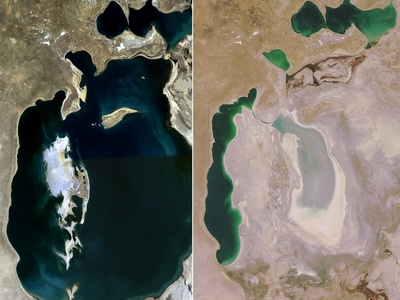
Vozrozhdeniye Island
Former Soviet biological-weapons testing island in the Aral Sea region abandoned after USSR collapse and sea shrinkage. Dilapidated facilities and historical contamination concerns make it sensitive; excursions are rare and expert caution is advised.
Ani
Ruined medieval Armenian city on the Turkish-Armenian border, deserted centuries ago. Extensive stone churches, walls and streets overlook the plain; well-documented archaeological site with trails and interpretive signage for history-minded visitors.
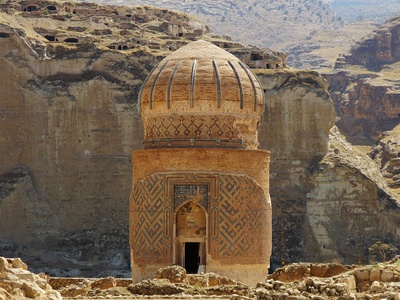
Hasankeyf
Ancient town on the Tigris largely evacuated and partly submerged by a recent dam project. Many historic structures were lost or relocated; visitors can view remaining ruins and the new reservoir, but access and conditions have changed dramatically.
Kowloon Walled City (site)
Infamously dense enclave in Hong Kong cleared and demolished in the early 1990s. The physical settlement no longer exists, but the park and museum displays on-site tell the story; it remains of great interest to urban historians.
Sanzhi Pod City
Abandoned futuristic pod housing project near New Taipei City, halted and left in the 1980s. Most structures later demolished, but its eerie, sculptural legacy and photos continue to attract urban-exploration enthusiasts; little remains to physically explore.
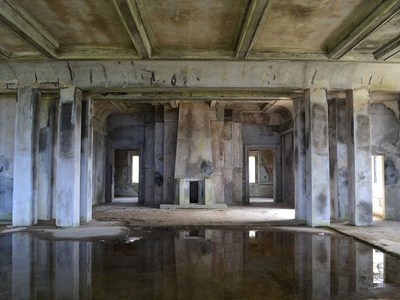
Bokor Hill Station
French colonial hill station near Kampot, abandoned mid-century and later partially reused. Crumbling colonial hotels, a faded casino and church overlook the coast; accessible by road and popular for atmospheric photography and cooler mountain air.
Shicheng (Lion City)
Ming–Qing era city submerged under Qiandao (Thousand) Lake after dam construction. Well-preserved stone streets and temples lie underwater and draw divers; boat tours and licensed dive operators offer the rare chance to explore or view the site.