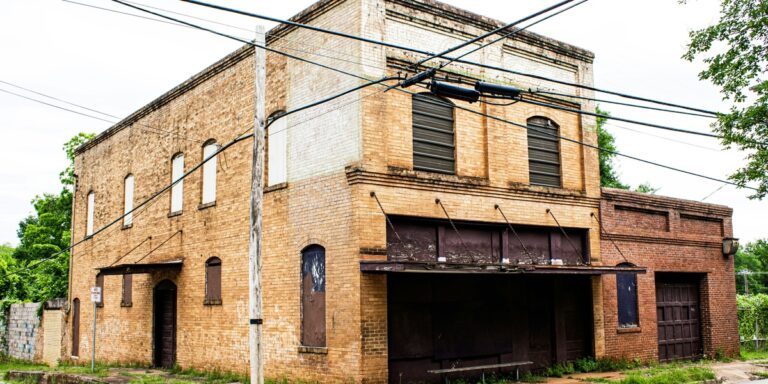
No verifiable ghost towns in Maryland meet the strict criteria for this list.
Define “ghost town” tightly and expect an empty result. If a ghost town must be a once‑populated settlement that is now completely abandoned, mapped with coordinates, and still has visible remains or clear historical records, Maryland returns no entries that meet all of those conditions.
Explain why the strict rules create this outcome. Maryland is small and settled early. Towns here were often absorbed into larger communities, preserved as historic villages, or slowly depopulated without leaving intact, unmixed ruins. Rivers, roads, and industry shifted use without producing the kind of wholesale, well‑documented abandonments you see in Western mining states. Many places that guidebooks or local lore call “ghost towns” are actually reduced villages, archaeological sites, or private properties with a few foundations—not the full, verifiable ghost towns required by this list.
Give technical and historical reasons and show close alternatives. Maryland’s strong record keeping, property continuity, and preservation laws mean settlements rarely disappear from maps or public records. Flooding for reservoirs, mill closures, and railroad realignments created partial abandonments instead of total ghosting. Near matches include historic mill villages and ruins in Patapsco Valley State Park (old mill hamlets such as Daniels, Avalon, and Orange Grove), the greatly reduced Port Tobacco area in Charles County, and scattered flooded or relocated farmsteads behind mid‑century reservoirs. These sites interest history buffs and urban explorers but fail at least one strict test here: either they still have residents, lack clear coordinates/records, sit on private land, or survive only as archaeological traces.
Point to related categories that do exist and what to explore instead. Look for documented historic ruins, former mill towns, archaeological sites, and preserved ghost‑village parks. Consult the Maryland Historical Trust, county historical societies, USGS topo maps, and Patapsco Valley State Park for verifiable visits and photos. Explore mill ruins, reduced county seats like Port Tobacco, and reservoir shorelines at low water instead of expecting classic, fully abandoned “ghost towns.”