The Netherlands wears its history on the landscape: reclaimed polders, fortified towns, merchant houses and industrial works tell stories of engineering, trade and everyday life. Walking through cities or along coastal defenses, you can trace centuries of change in compact, easy-to-reach places.
There are 68 Historical Places in Netherlands, ranging from Afsluitdijk to Zuiderzee Museum. The list is organized with Location (city/region), Built (year/century), Significance (max 15 words), and you’ll find it below.
How can I pick which sites to visit if I have only a few days?
Focus on a region to minimize travel—Amsterdam/Haarlem for urban heritage, Zeeland for coastal works, or Friesland for maritime history. Mix one large, timed attraction (museum or fort) with several open-air or district visits, and check opening times so you don’t plan a closed-site day.
Are these historical places generally accessible by public transport year-round?
Many major sites are reachable by train and bus year-round, but rural forts, dikes and seasonal museums may need a bike or car and have limited winter hours; always check the site’s transport options and seasonal opening info before you go.
Historical Places in Netherlands
| Name | Location (city/region) | Built (year/century) | Significance (max 15 words) |
|---|---|---|---|
| Amsterdam Canal Ring | Amsterdam, North Holland | 17th c. | Example of 17th-century urban planning and canals |
| Anne Frank House | Amsterdam, North Holland | 17th c. | Hiding place of Anne Frank and wartime diary |
| Rijksmuseum | Amsterdam, North Holland | 1885 | National museum with Dutch Golden Age masterpieces |
| Royal Palace Amsterdam | Amsterdam, North Holland | 1655 | Former town hall, royal palace and Baroque architecture |
| Westerkerk | Amsterdam, North Holland | 1631 | Notable Protestant church near Anne Frank House |
| Muiderslot | Muiden, North Holland | 1280 | Medieval moat castle and strategic riverside fortress |
| De Haar Castle | Haarzuilens, Utrecht | 14th c. | Largest Dutch castle, medieval origins with 19th-century restoration |
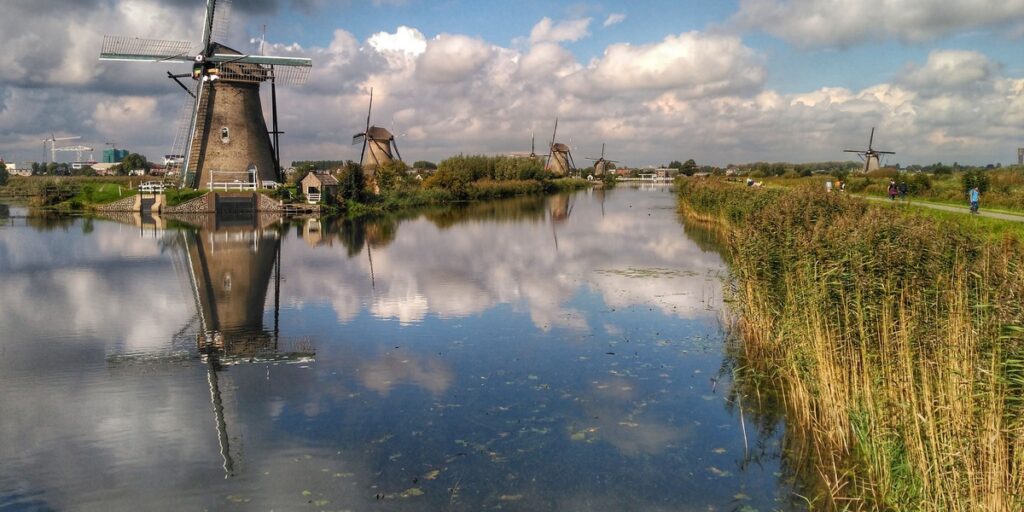
| Kinderdijk | Kinderdijk, South Holland | 18th c. | Iconic windmill ensemble demonstrating Dutch water management |
| Zaanse Schans | Zaandam, North Holland | 18th–19th c. | Historic windmills and craftsmen houses open-air museum |
| Van Nelle Factory | Rotterdam, South Holland | 1925 | Modernist industrial UNESCO site and factory architecture |
| Rietveld Schröder House | Utrecht, Utrecht | 1924 | De Stijl architectural masterpiece and UNESCO site |
| Defence Line of Amsterdam | Amsterdam region, North Holland | 19th c. | Ring of forts defending Amsterdam, UNESCO World Heritage |
| Beemster Polder | Beemster, North Holland | 17th c. | Reclaimed polder landscape with planned 17th-century farmland, UNESCO |
| Schokland | Noordoostpolder, Flevoland | 10th c. | Former island with archaeological remains and reclaimed land, UNESCO |
| Delft City Centre | Delft, South Holland | 13th c. | Historic town famed for Delftware, Vermeer, and canals |
| Binnenhof | The Hague, South Holland | 13th c. | Medieval complex housing Dutch parliament and governance |
| Mauritshuis | The Hague, South Holland | 17th c. | 17th-century townhouse with Dutch Golden Age masterpieces |
| Peace Palace | The Hague, South Holland | 1913 | Home to international law institutions and historic diplomacy |
| Leiden City Centre | Leiden, South Holland | 13th c. | Historic university city with 16th–17th-century architecture and canals |
| Oldehove | Leeuwarden, Friesland | 1529 | Leaning medieval tower and city landmark |
| St. Bavo Church (Grote Kerk) | Haarlem, North Holland | 14th–16th c. | Gothic church with famous organ and architecture |
| Maastricht City Centre | Maastricht, Limburg | 1st c. AD | One of the Netherlands’ oldest cities with Roman and medieval remains |
| Valkenburg Castle | Valkenburg, Limburg | 12th c. | Ruined hilltop castle and medieval fortress remains |
| Valkhof (Nijmegen) | Nijmegen, Gelderland | 1st c. AD | Roman fortress site with medieval castle remains |
| Hunebedden | Drenthe, Drenthe | c. 3,400 BCE | Neolithic megalithic tombs representing prehistoric heritage |
| Kamp Vught | Vught, North Brabant | 1943 | WWII concentration camp memorial and museum |
| Westerbork | Hooghalen, Drenthe | 1939 | WWII transit camp museum and memorial site |
| Fort Bourtange | Bourtange, Groningen | 1593 | Reconstructed star fort reflecting 17th–18th-century fortifications |
| Naarden Vesting | Naarden, North Holland | 17th c. | Vauban-style fortified town with impressive star fortifications |
| Loevestein Castle | Poederoijen, Gelderland | 1361 | Medieval river castle and historic prison site |
| Middelburg City Centre | Middelburg, Zeeland | 9th c. | Medieval trading city with abbey and VOC history |
| Zierikzee | Zierikzee, Zeeland | 13th c. | Harbour town with medieval gates and brick Gothic architecture |
| Veere | Veere, Zeeland | 14th c. | Historic trading town with medieval harbour and foreign trade links |
| Brielle | Brielle, South Holland | 16th c. | Historic fortified town notable for 1572 capture in the Dutch Revolt |
| Koppelpoort | Amersfoort, Utrecht | 14th c. | Medieval combined water and land gate in city wall |
| Dom Tower | Utrecht, Utrecht | 1382 | Tallest church tower in the Netherlands and medieval landmark |
| Doorwerth Castle | Doorwerth, Gelderland | 13th c. | Medieval castle overlooking the Rhine valley |
| Slot Zuylen | Oud-Zuilen, Utrecht | 13th c. | Historic castle with preserved interiors and family archives |
| Afsluitdijk | Friesland/North Holland border | 1932 | Major 20th-century dam reclaiming Zuiderzee; engineering landmark |
| Zuiderzee Museum | Enkhuizen, North Holland | 20th c. | Open-air museum preserving maritime and fishing heritage |
| Drommedaris | Enkhuizen, North Holland | 1540 | Historic harbour gate and defensive tower |
| St. John’s Church Gouda | Gouda, South Holland | 15th c. | Large Gothic church famed for stained-glass windows |
| Waag Alkmaar | Alkmaar, North Holland | 14th c. | Historic weigh house central to traditional cheese market |
| Teylers Museum | Haarlem, North Holland | 1784 | Oldest Dutch museum with scientific and art collections |
| Orvelte | Orvelte, Drenthe | 17th–19th c. | Preserved historic village and open-air museum with traditional crafts |
| Giethoorn | Giethoorn, Overijssel | 17th c. | Canal village with historic thatched houses, ‘Venice of the North’ |
| Kampen City Centre | Kampen, Overijssel | 13th c. | Hanseatic town with medieval gates and warehouses |
| Sassenpoort | Zwolle, Overijssel | 14th c. | Well-preserved medieval city gate of Zwolle |
| Martinitoren | Groningen, Groningen | 15th c. | Iconic church tower and symbol of Groningen city |
| Het Loo Palace | Apeldoorn, Gelderland | 1684 | Baroque royal palace and former royal residence |
| Noordeinde Palace | The Hague, South Holland | 16th c. | Working royal palace and historic royal office building |
| Oosterscheldekering | Eastern Scheldt, Zeeland | 1986 | Key Delta Works storm surge barrier and engineering landmark |
| Kröller-Müller Museum | Otterlo, Gelderland | 1938 | Large Van Gogh collection in a national park setting |
| Eise Eisinga Planetarium | Franeker, Friesland | 1774 | Oldest working planetarium in a private home, scientific heritage |
| Helmond Castle | Helmond, North Brabant | 14th c. | Moated medieval castle with restored interiors |
| Huis Bergh | ‘s-Heerenberg, Gelderland | 1200s | One of the Netherlands’ largest medieval castles with art collection |
| Rembrandt House | Amsterdam, North Holland | 1639 | Former studio of Rembrandt, now a museum about his life |
| Heksenwaag Oudewater | Oudewater, Utrecht | 16th c. | Historic weigh house associated with witch trials folklore |
| Slot Loevestein already listed | Poederoijen, Gelderland | 1361 | Medieval river castle and historic prison site |
| Sint Jans Cathedral (‘s-Hertogenbosch) | Den Bosch, North Brabant | 1530 | Late Gothic cathedral with notable sculptures and artworks |
| Willemstad Fortifications | Willemstad, North Brabant | 16th c. | Well-preserved fortified town and maritime fortress |
| Berg en Dal Museum (Archaeological area) | Berg en Dal, Gelderland | Bronze Age–Roman | Archaeological landscape with prehistoric and Roman remains |
| Hortus Botanicus Leiden | Leiden, South Holland | 1590 | One of the oldest botanical gardens linked to Leiden University |
| Basilica of Saint Bavo (Haarlem) | Haarlem, North Holland | 14th–16th c. | Large Gothic basilica with historic art and organ |
| Valkhof Museum | Nijmegen, Gelderland | Roman–medieval | Museum at Roman site presenting local archaeological and medieval history |
| Fort Kijkduin | Den Helder, North Holland | 1782 | Coastal fortification now housing maritime and military exhibits |
| Town Hall Gouda | Gouda, South Holland | 1448 | Late Gothic town hall, one of Europe’s oldest Gothic town halls |
| Molenmuseum De Wachter | Baarle-Nassau, North Brabant | 19th c. | Historic mill complex and industrial heritage museum |
Images and Descriptions
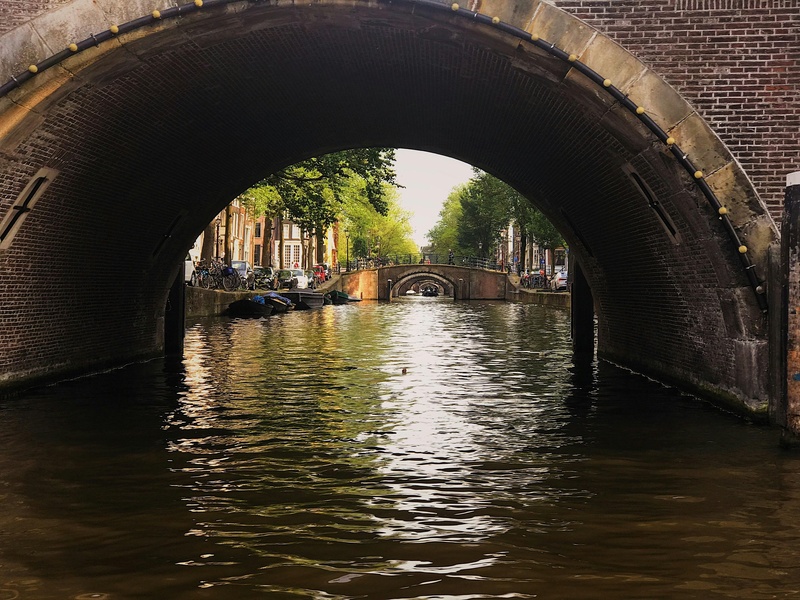
Amsterdam Canal Ring
Concentric 17th-century canals in Amsterdam forming a historic urban layout. UNESCO World Heritage. Showcase Dutch Golden Age houses, bridges and city planning. Serve as the city’s cultural and historic heart and a key example of urban water management.
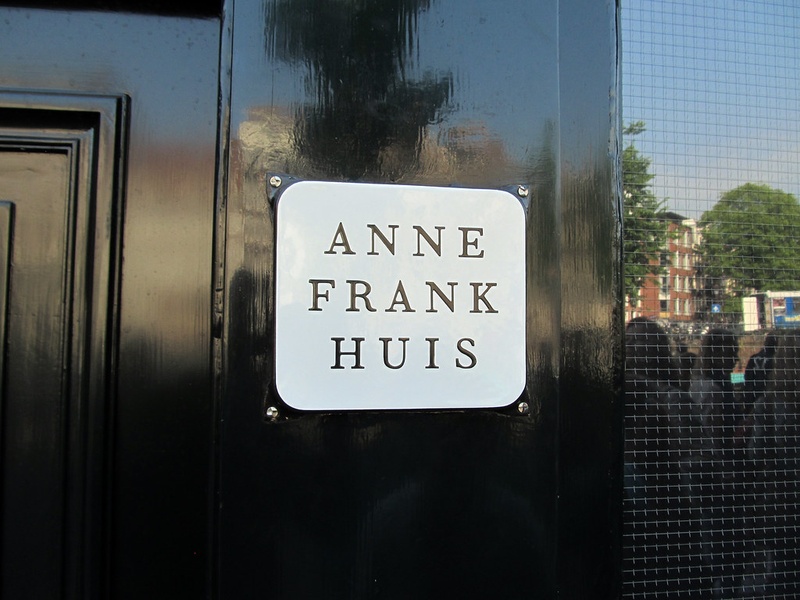
Anne Frank House
Museum in Amsterdam at the hiding place of Anne Frank and her family during WWII. Preserves the secret annex and original diary exhibits. Offers deep insight into Jewish persecution and wartime life.
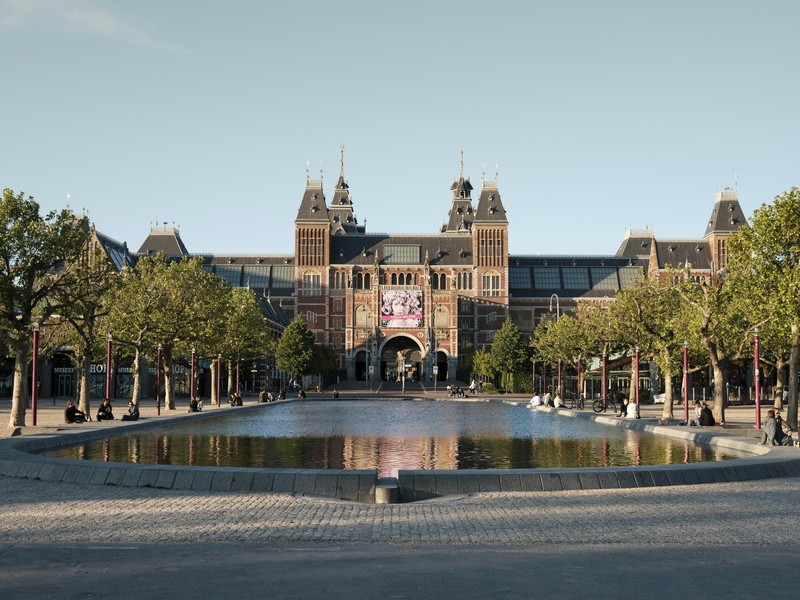
Rijksmuseum
National museum in Amsterdam housing Dutch art and history from the Middle Ages to modern times. Holds masterpieces by Rembrandt and Vermeer. Acts as a central reference for Dutch cultural heritage.
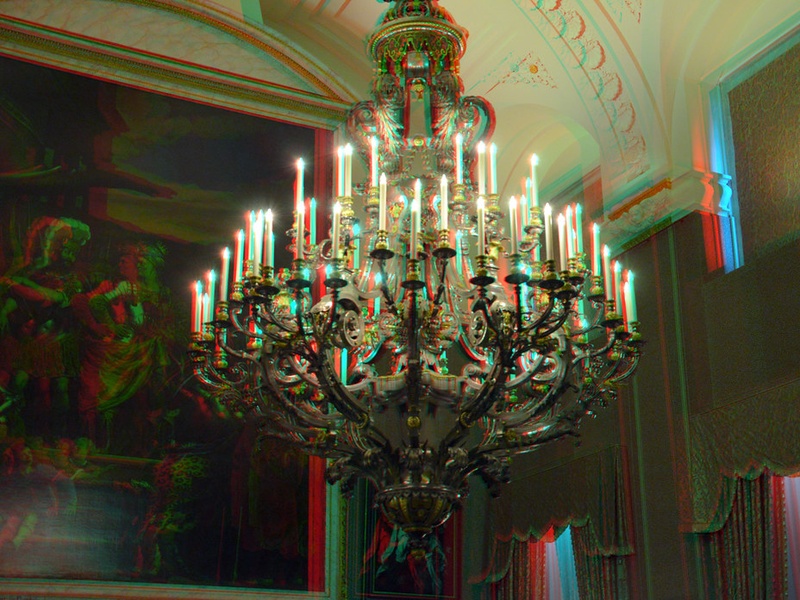
Royal Palace Amsterdam
17th-century city palace on Dam Square originally built as Amsterdam City Hall. Used for royal events and state functions. Illustrates Dutch civic power in the Golden Age.
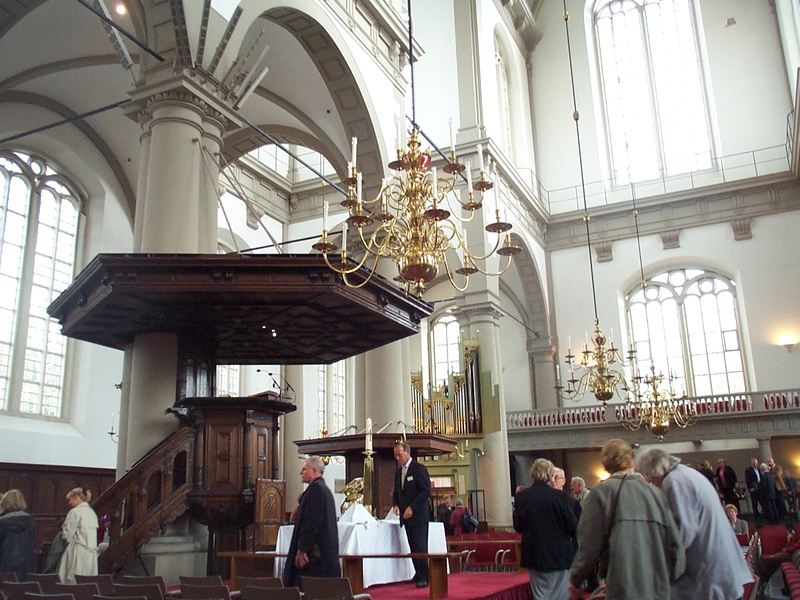
Westerkerk
Dutch Reformed church near the Anne Frank House, built in the early 17th century. Noted for its tall tower and classical Renaissance design. Marks important civic and religious history in Amsterdam.
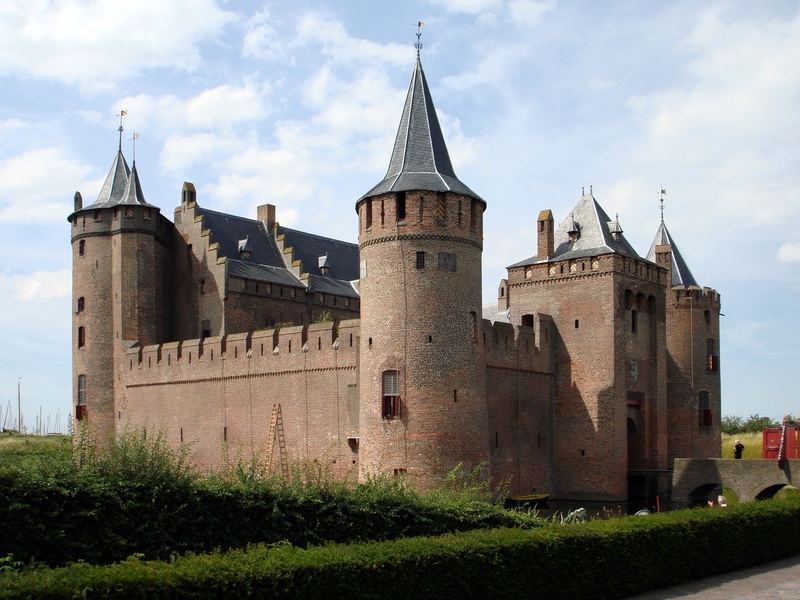
Muiderslot
Medieval castle near Amsterdam dating from the 13th century. Restored fortress with moats, towers and period interiors. Represents feudal defense and noble life in Dutch history.
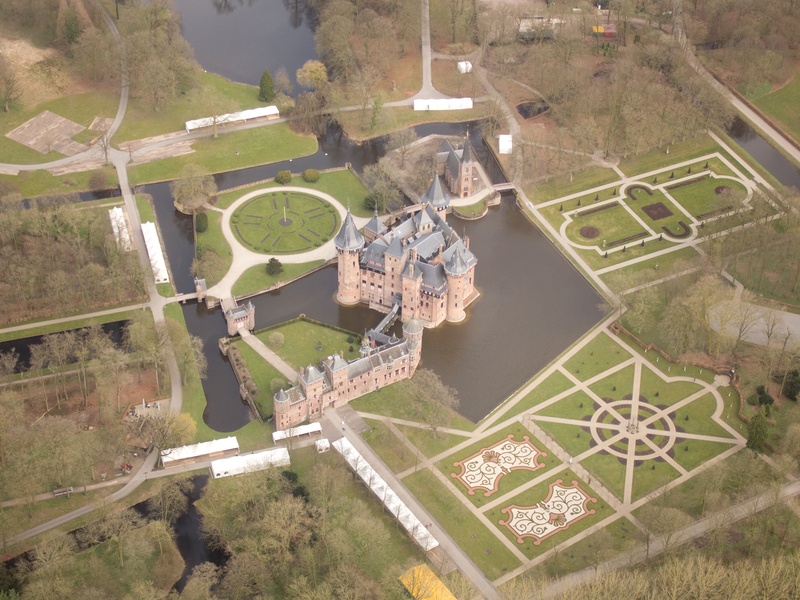
De Haar Castle
Large neo-Gothic castle near Utrecht rebuilt in the late 19th century. Features lavish interiors, gardens and restored medieval elements. Illustrates aristocratic life and historic revival architecture.
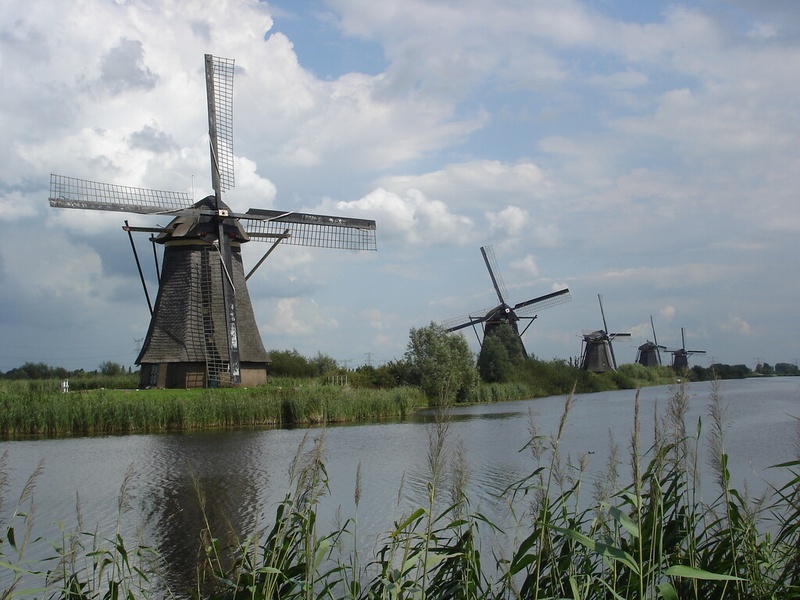
Kinderdijk
18th-century windmill complex in South Holland. UNESCO World Heritage site. Demonstrates traditional Dutch water management using windmills and polders.
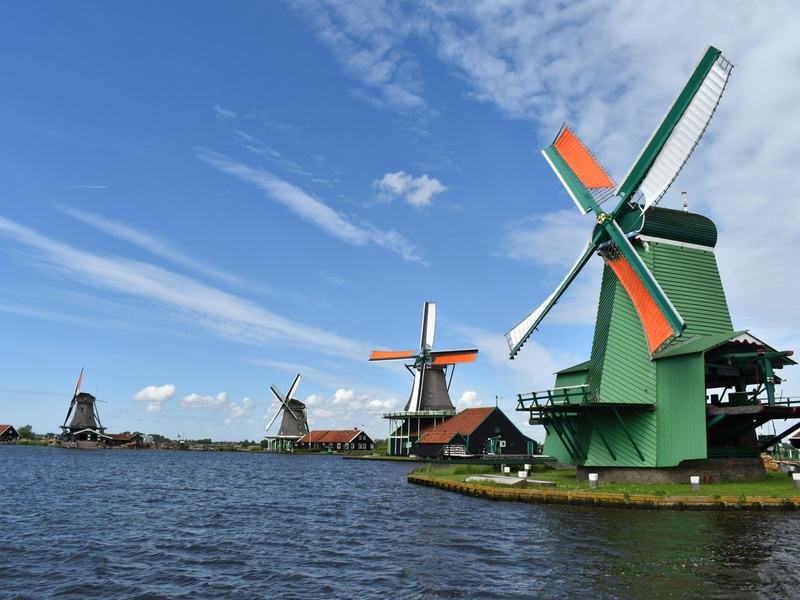
Zaanse Schans
Open-air museum with historic windmills and wooden houses near Zaandam. Recreated 18th–19th-century industrial and craft landscape. Shows early industrial production and regional architecture.
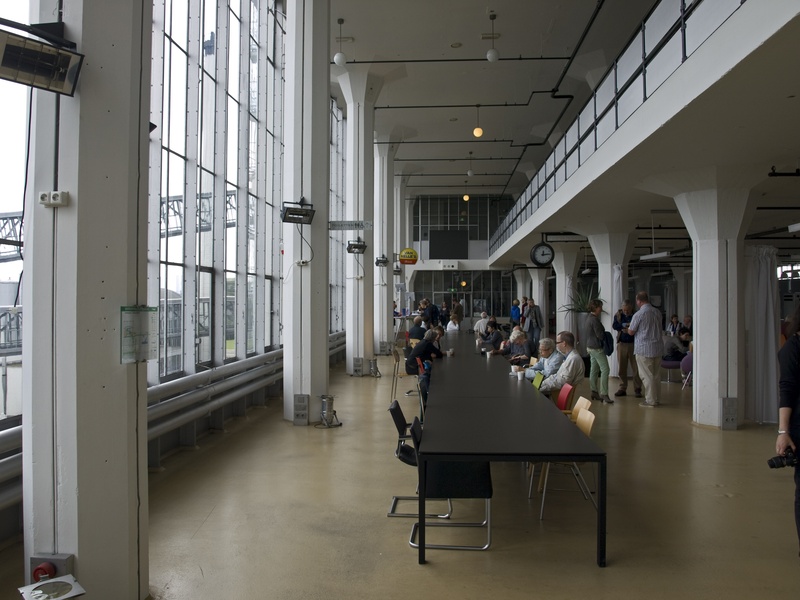
Van Nelle Factory
Former 20th-century factory in Rotterdam noted for modernist architecture. UNESCO World Heritage for industrial heritage and design. Exemplifies functionalism and early assembly-line industry.
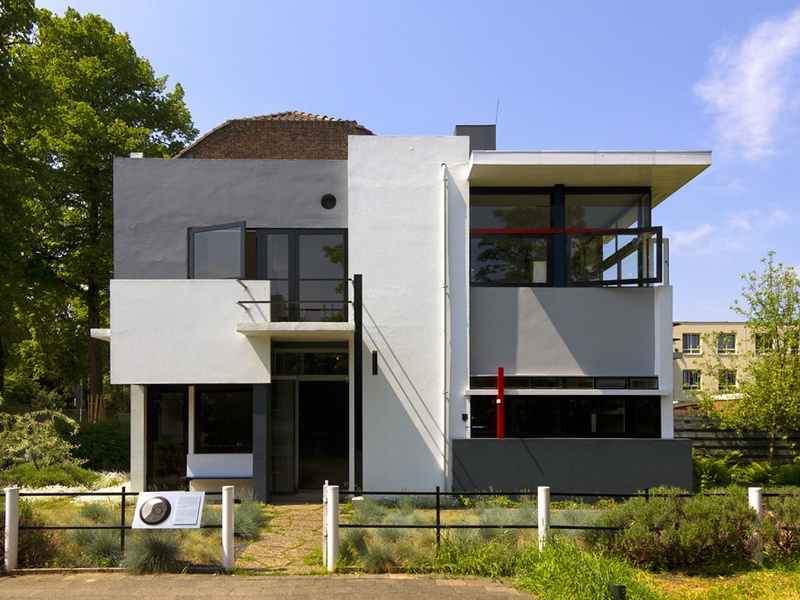
Rietveld Schröder House
1918 modernist house in Utrecht by Gerrit Rietveld. UNESCO World Heritage for De Stijl architecture. Displays radical open-plan design and primary-color aesthetic.
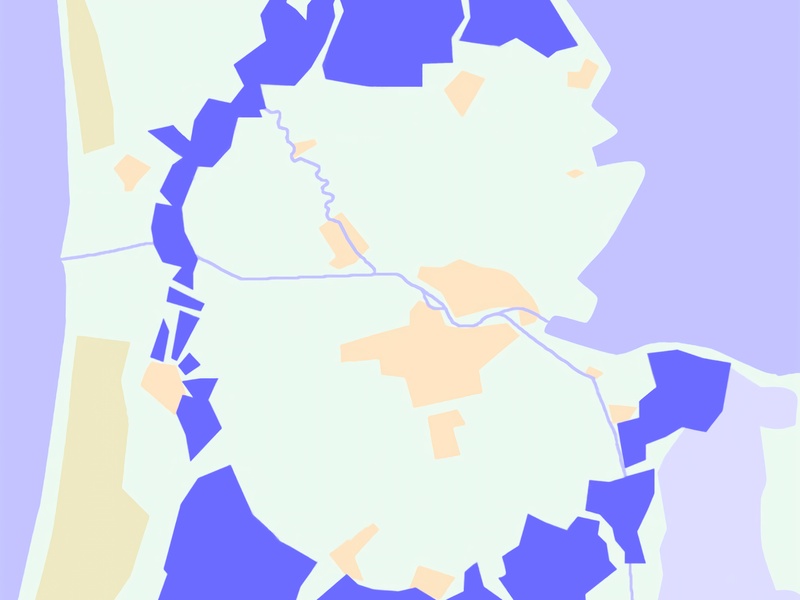
Defence Line of Amsterdam
19th-century ring of forts and inundation zones around Amsterdam. UNESCO World Heritage. Illustrates a unique water-based military defense system.
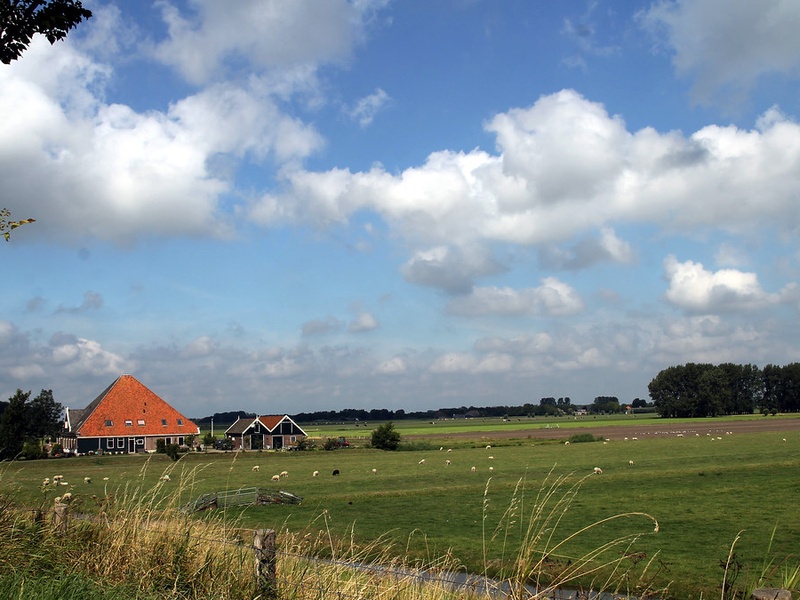
Beemster Polder
Early 17th-century reclaimed polder in North Holland. UNESCO World Heritage for planned land reclamation and polder landscape. Shows Dutch engineering in land drainage and agricultural planning.

Schokland
Former island in the Noordoostpolder submerged and reclaimed in the 19th century. UNESCO World Heritage. Represents human struggle against sea and large-scale land reclamation.
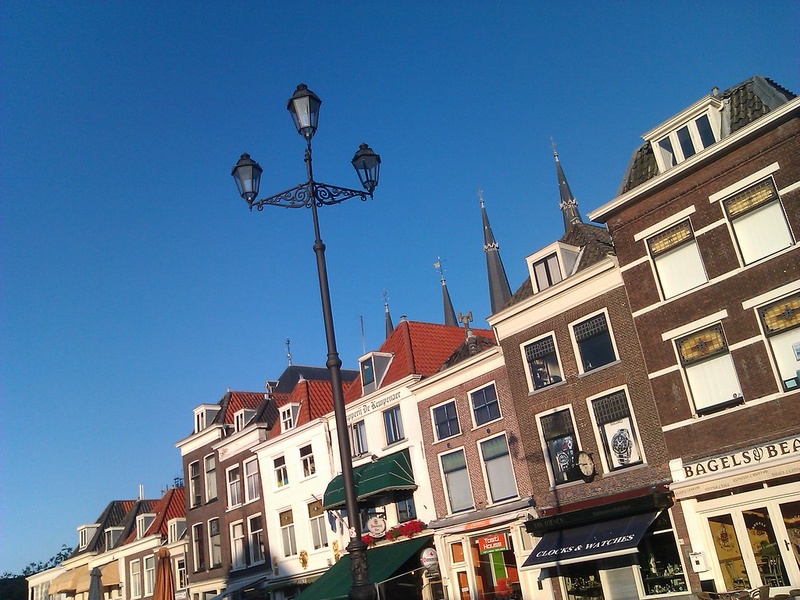
Delft City Centre
Historic town center noted for canals, blue pottery and medieval buildings. Birthplace of painter Vermeer and seat of traditional craftsmanship. Preserves Gothic and Renaissance architecture.
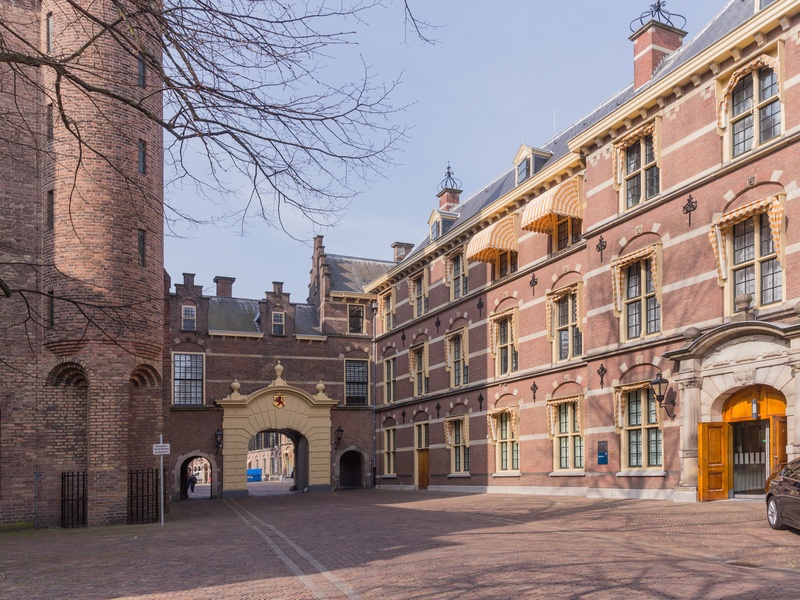
Binnenhof
Medieval complex in The Hague that houses Dutch parliament. Central role in national governance for centuries. Symbolic political and architectural site.
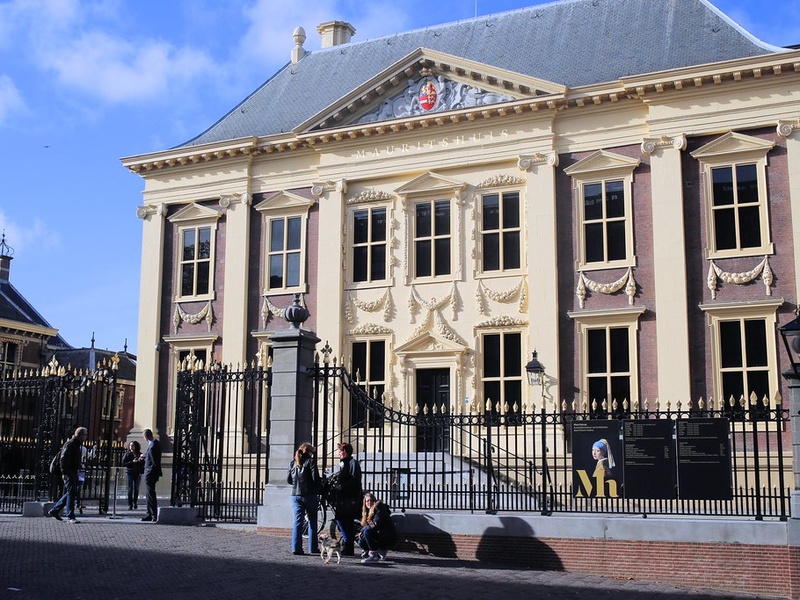
Mauritshuis
Compact art museum in The Hague with Dutch Golden Age paintings. Holds Vermeer’s ‘Girl with a Pearl Earring’ and Rembrandt works. Key site for art history and cultural study.
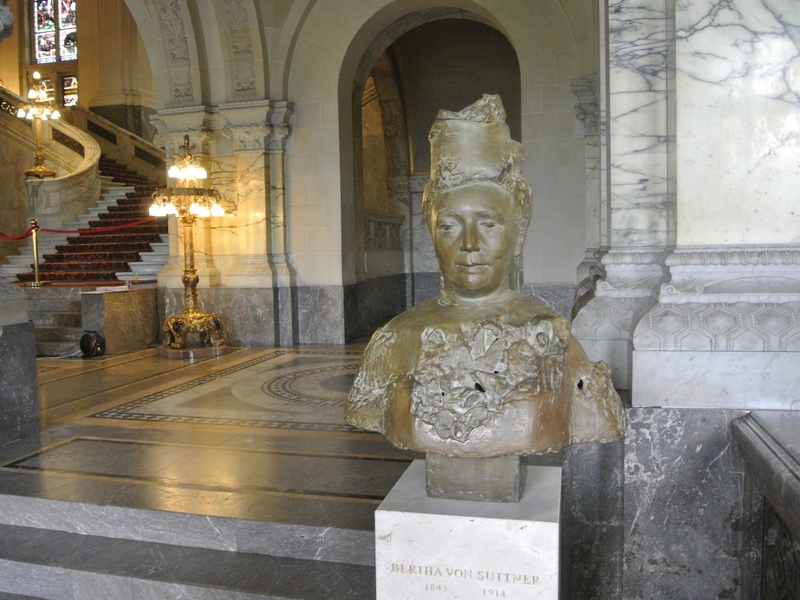
Peace Palace
Early 20th-century palace in The Hague that houses the International Court of Justice. Symbol of international law and peace efforts. Contains important legal archives and historic halls.
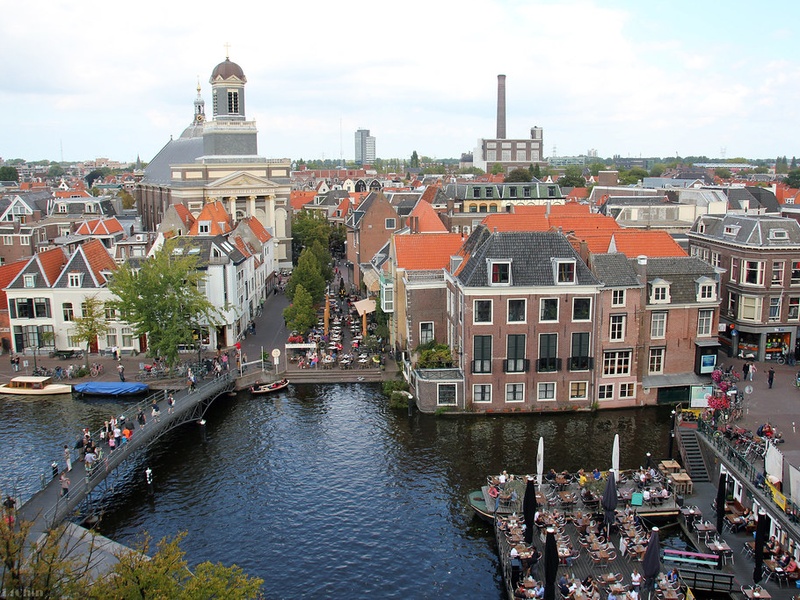
Leiden City Centre
Historic university town with old canals, buildings and the oldest university in the Netherlands (1575). Important center for science, printing and the Dutch Golden Age.
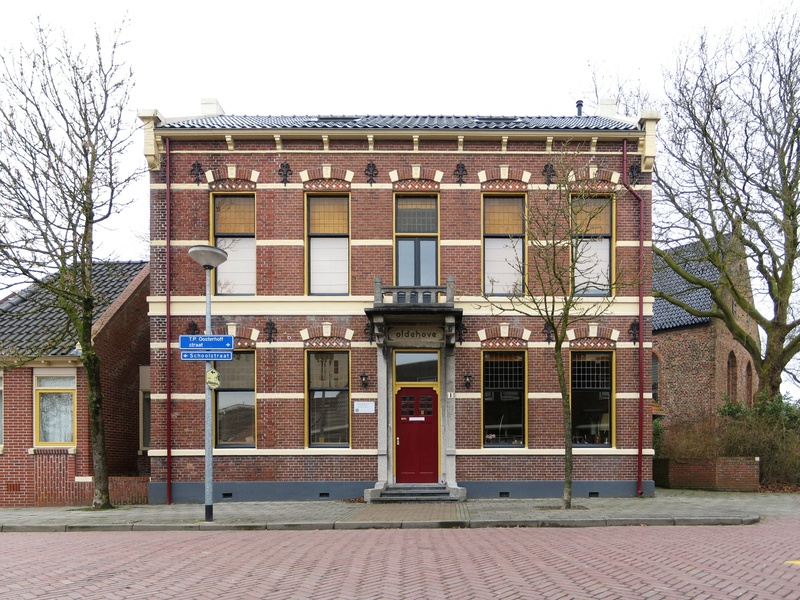
Oldehove
Leaning medieval church tower in Leeuwarden and Groningen region dating from the 12th century. Famous unfinished and tilted tower. Serves as a local landmark and medieval curiosity.
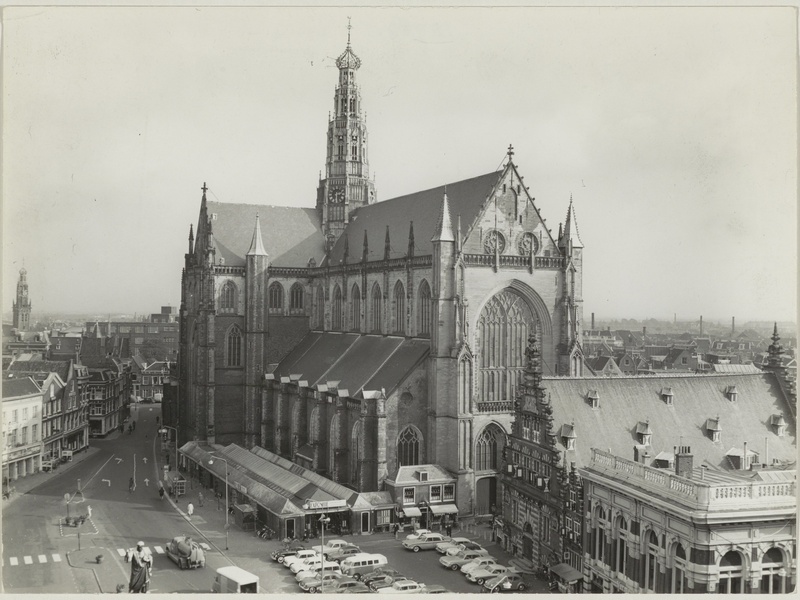
St. Bavo Church (Grote Kerk)
Large Gothic church in Haarlem dating from the 14th–16th centuries. Houses a famous Müller organ played by Mozart and Handel. Central to regional religious and musical history.
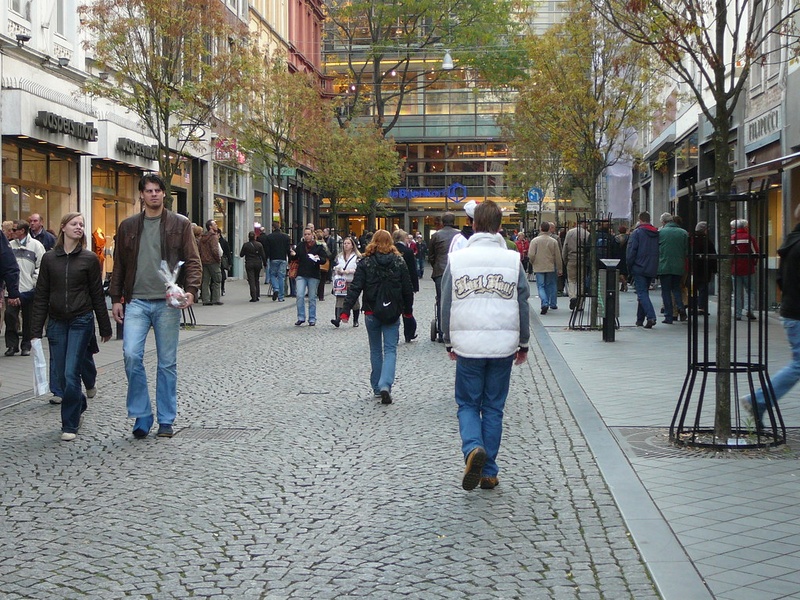
Maastricht City Centre
Ancient city with Roman roots, medieval walls and historic squares in Limburg. Blends Roman, medieval and Renaissance heritage. Important for cross-border cultural exchange.
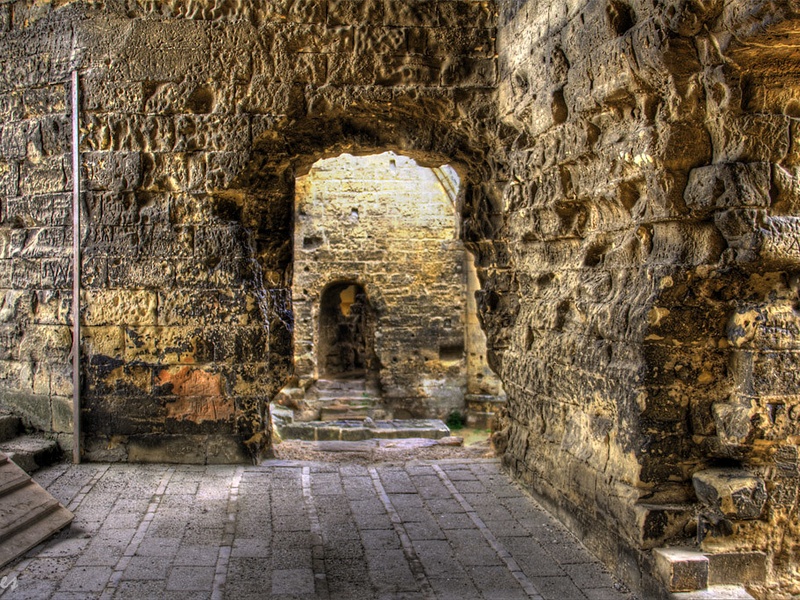
Valkenburg Castle
Ruined medieval hilltop castle in Valkenburg dating from the 11th century. Unique hilltop fortification in the Netherlands. Offers insight into medieval defense and regional conflict.
Valkhof (Nijmegen)
Historic castle site in Nijmegen with Roman and medieval remains. Key archaeological and historical site showing continuous occupation since Roman times. Marks early urban development in the Netherlands.
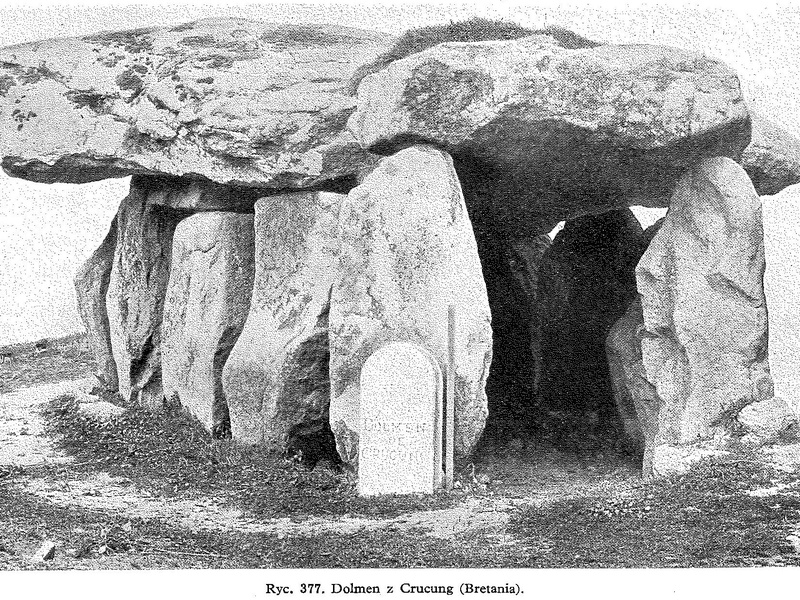
Hunebedden
Neolithic stone grave monuments in Drenthe dating to around 3000–2000 BCE. Among the oldest man-made stone structures in the country. Show prehistoric burial and social practices.
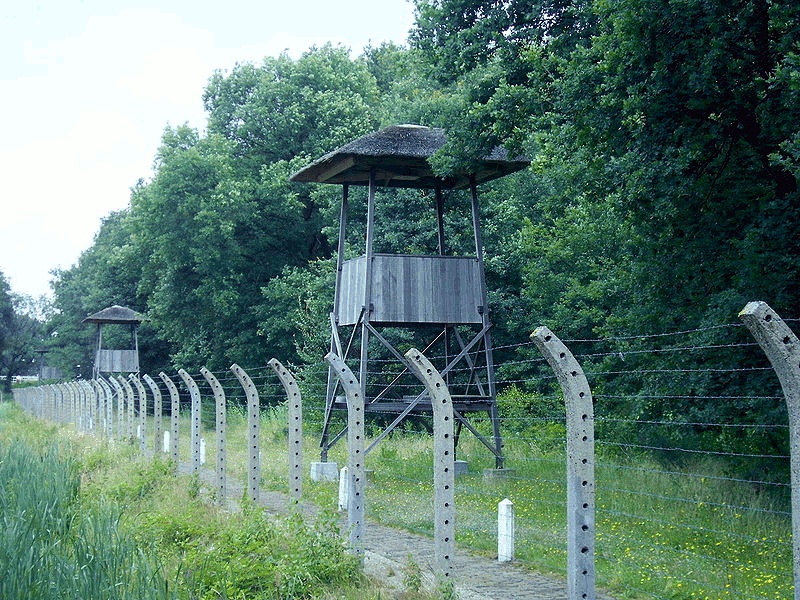
Kamp Vught
Former WWII concentration camp near ‘s-Hertogenbosch with memorial and museum. Documents Nazi occupation, forced labor and wartime atrocities. Serves as a site for remembrance and education.
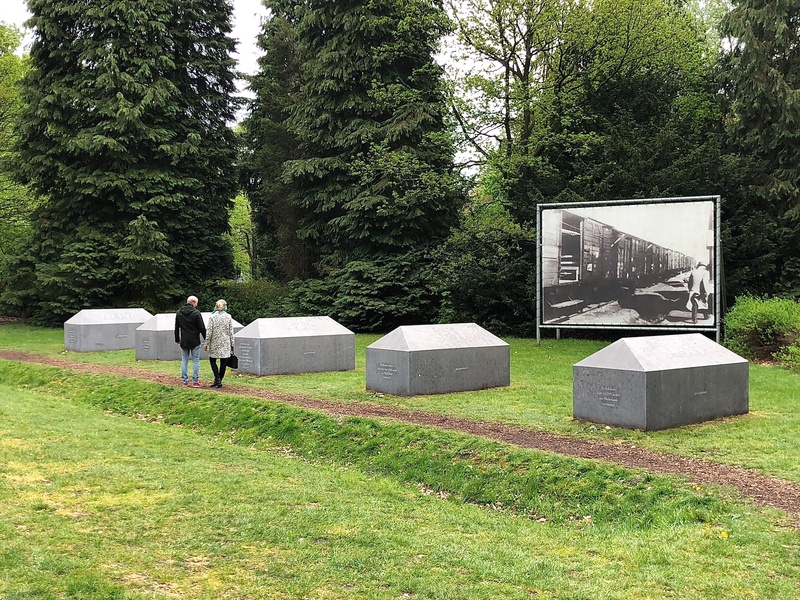
Westerbork
Transit camp in Drenthe used in WWII to deport Jews to extermination camps. Now a memorial and museum. Important for Holocaust history and personal testimonies.
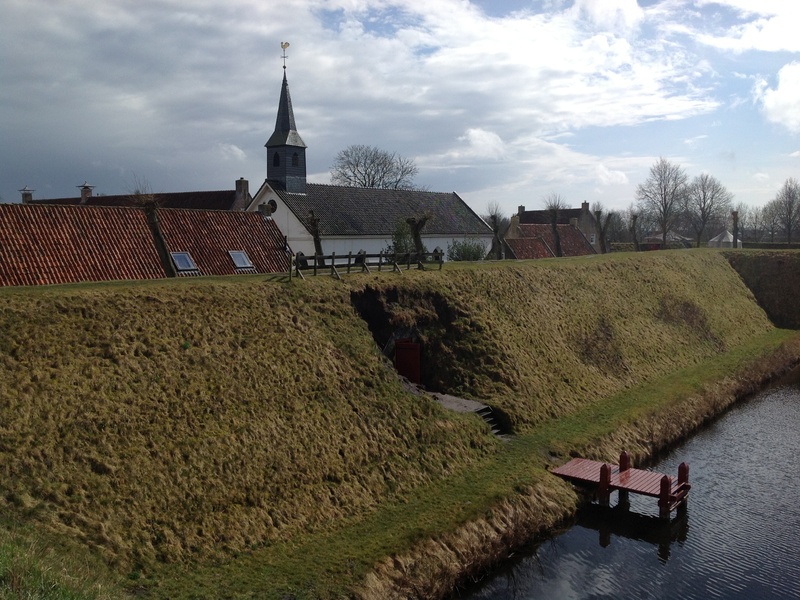
Fort Bourtange
Star-shaped 16th-century fortress near Groningen rebuilt in the 18th century. Restored defensive bastion with moat and ramparts. Demonstrates fortress design and border defense history.
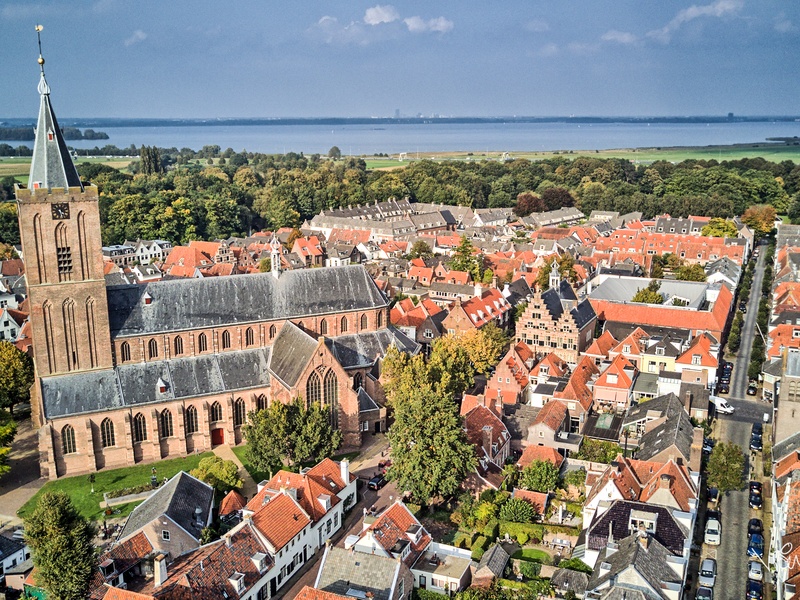
Naarden Vesting
Well-preserved 17th-century fortified town with star-shaped ramparts. Shows Dutch military urban planning and Renaissance fortification style. Includes museums and historic gates.
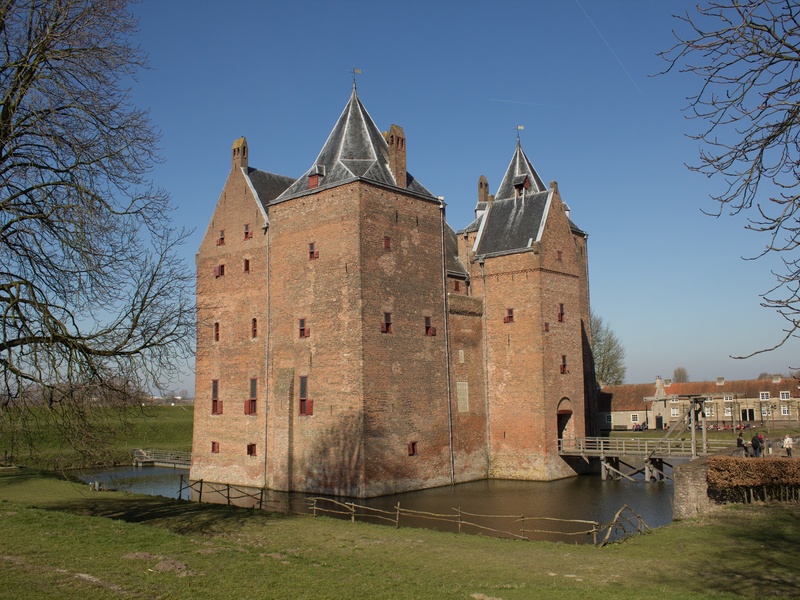
Loevestein Castle
Medieval island castle at the confluence of rivers in Gelderland, built in the 14th century. Known for medieval prison history and defensive role. Illustrates water-based fortress design.
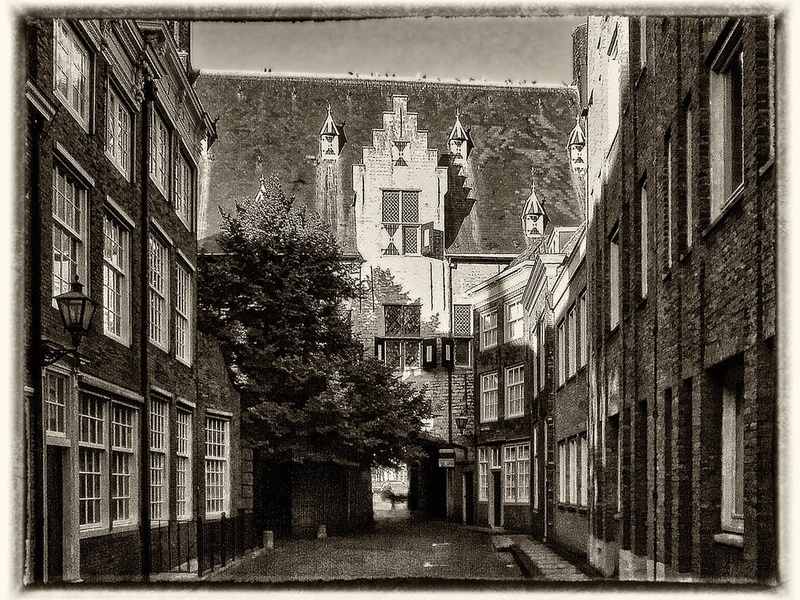
Middelburg City Centre
Historic center of Zeeland’s capital with Gothic abbey and merchant houses. Wealthy trading past during the Dutch Golden Age. Important for maritime and trade history.
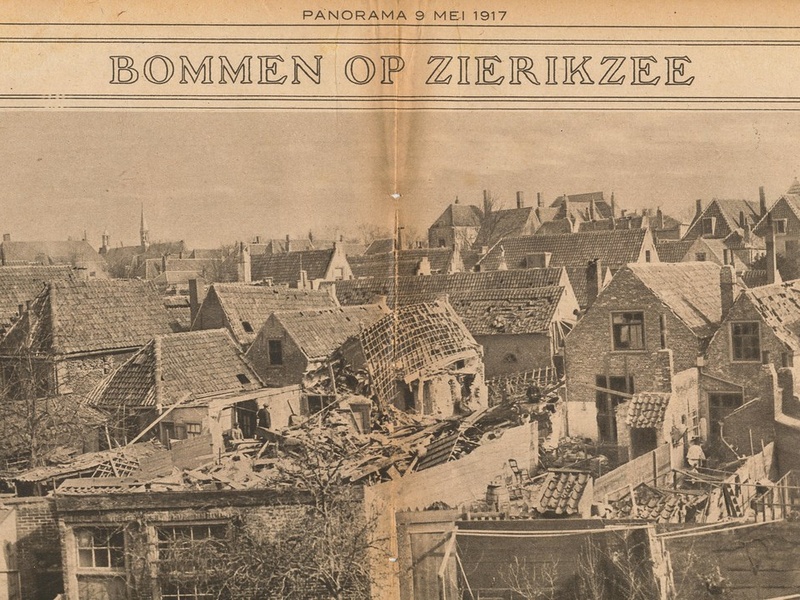
Zierikzee
Medieval port town in Zeeland with historic port walls, towers and Gothic buildings. Shows trading and maritime heritage from the Middle Ages. Retains many original monuments.
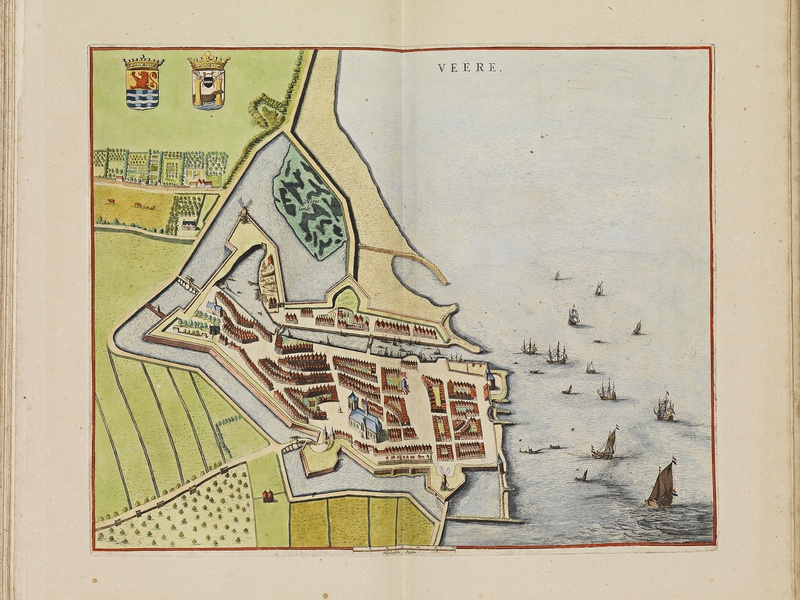
Veere
Small historic trading town in Zeeland with Scottish trade links and well-preserved medieval townscape. Illustrates Hanseatic and international trade ties. Contains a distinctive town hall.
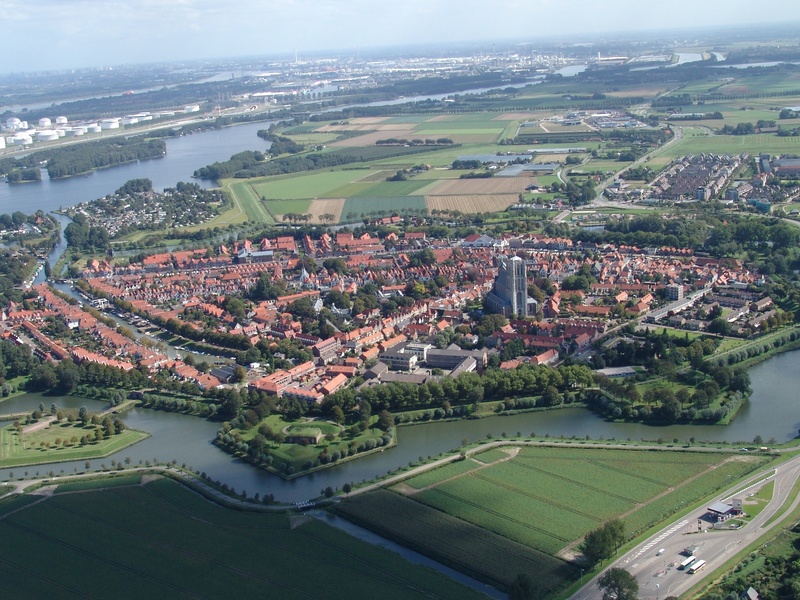
Brielle
Historic port town in South Holland noted for 1572 capture during the Dutch Revolt. Preserved medieval fortifications and walls. Important for early modern Dutch independence history.
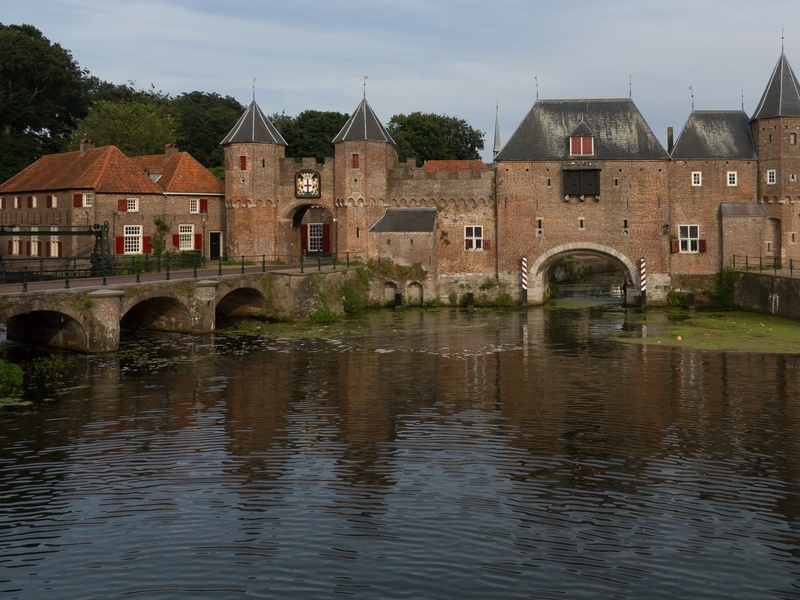
Koppelpoort
Medieval city gate and bridge in Amersfoort dating from the 14th century. Combines land and water defenses with Gothic design. Key example of medieval urban fortification.
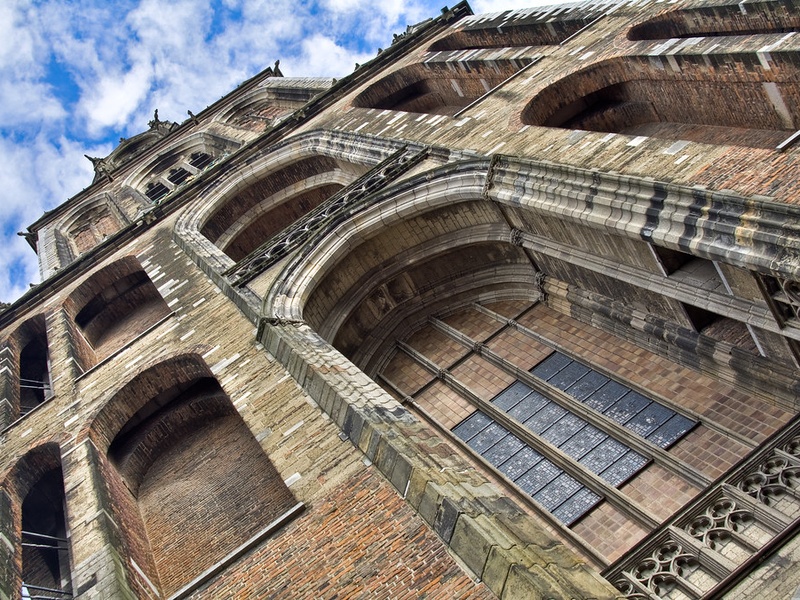
Dom Tower
Tall Gothic church tower in Utrecht built in the 14th century. Symbol of the city and former cathedral belfry. Offers views and reflects medieval ecclesiastical power.
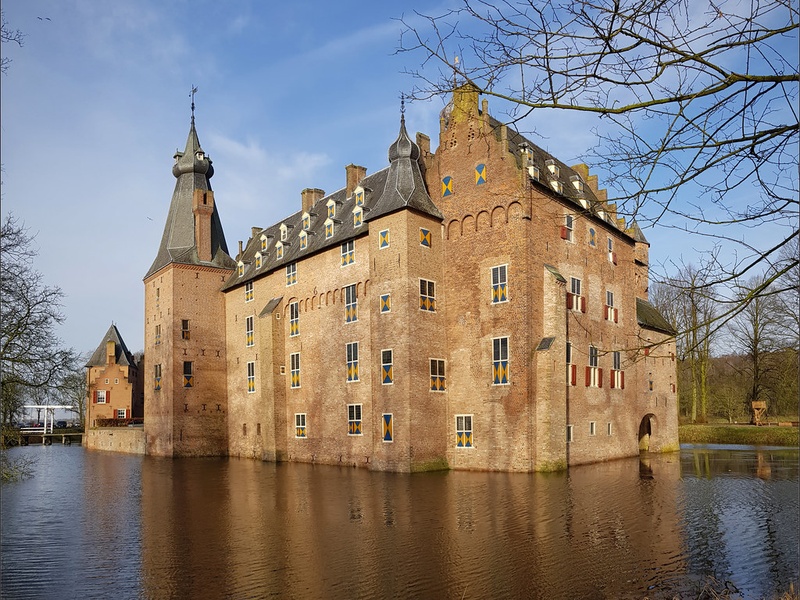
Doorwerth Castle
Riverside medieval castle near Arnhem with historic rooms and restored battlements. Dates from the 13th century and shows centuries of rebuilding. Represents noble residence and military use.
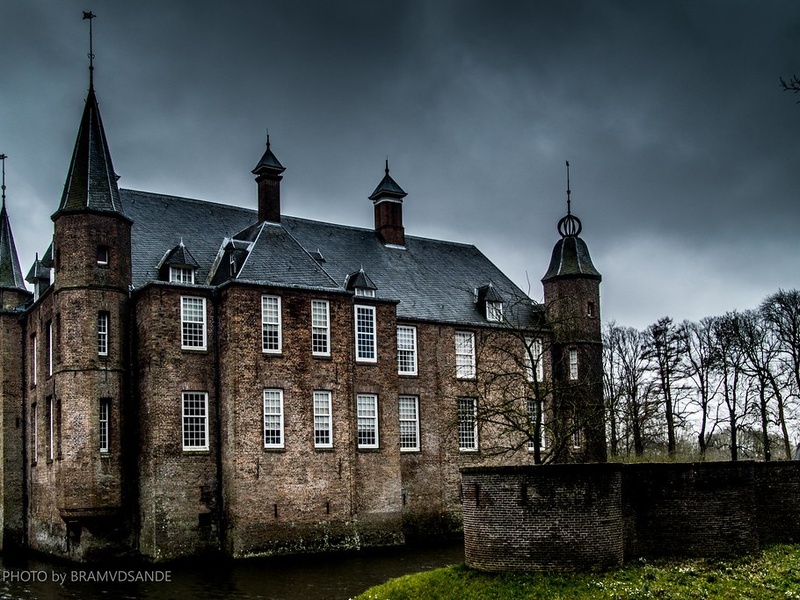
Slot Zuylen
Small medieval castle near Utrecht dating from the 13th century with later renovations. Contains family archives and historic interiors. Illustrates private manor life and regional history.
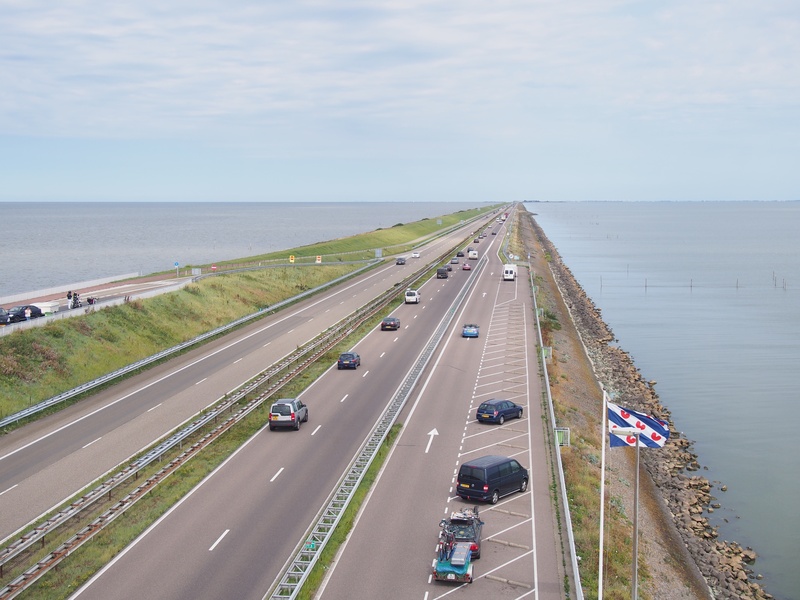
Afsluitdijk
Major 20th-century dam and causeway closing the Zuiderzee and creating the IJsselmeer. Key Dutch engineering and flood-defense project. Transformed coastal landscape and agriculture.
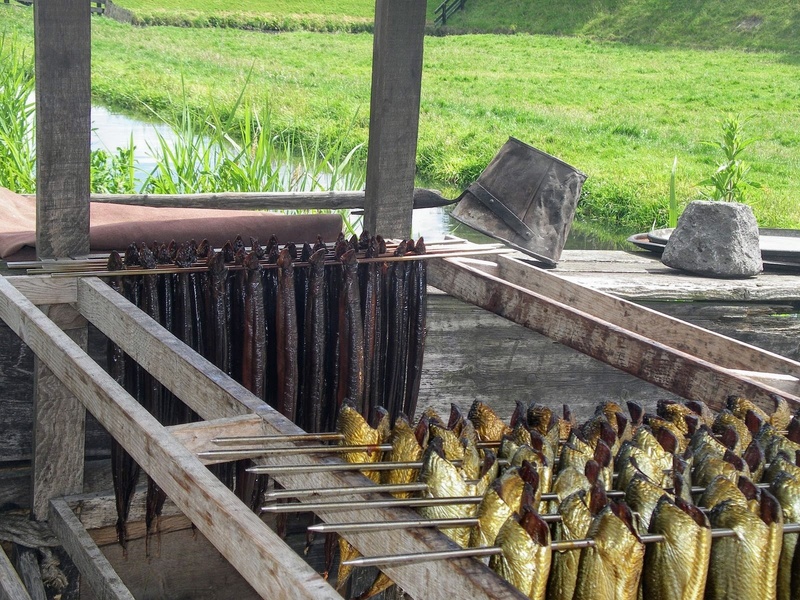
Zuiderzee Museum
Open-air and indoor museum in Enkhuizen focused on maritime life and the former Zuiderzee. Recreated fishing villages, boats and houses. Explains sea reclamation and community life.
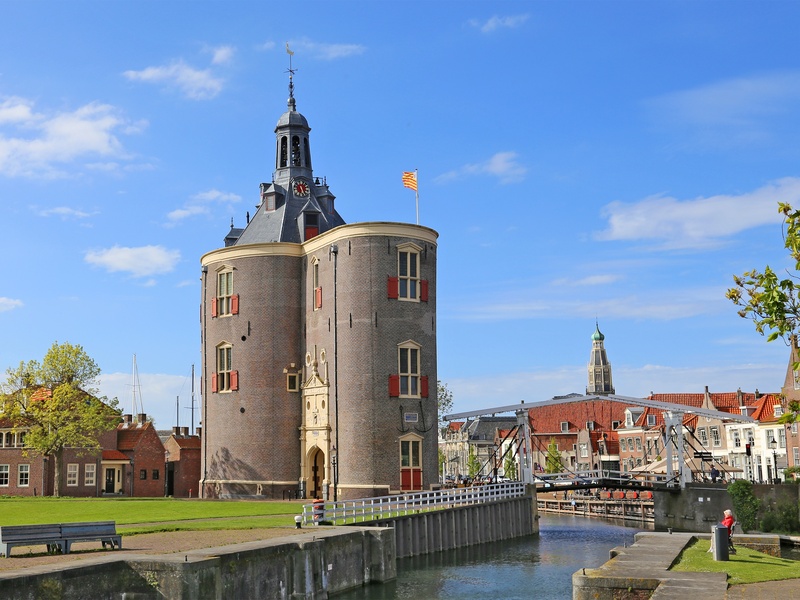
Drommedaris
Historic gate tower in Enkhuizen dating from the 16th century. Serves as a city landmark and maritime fortress element. Reflects Renaissance military architecture.
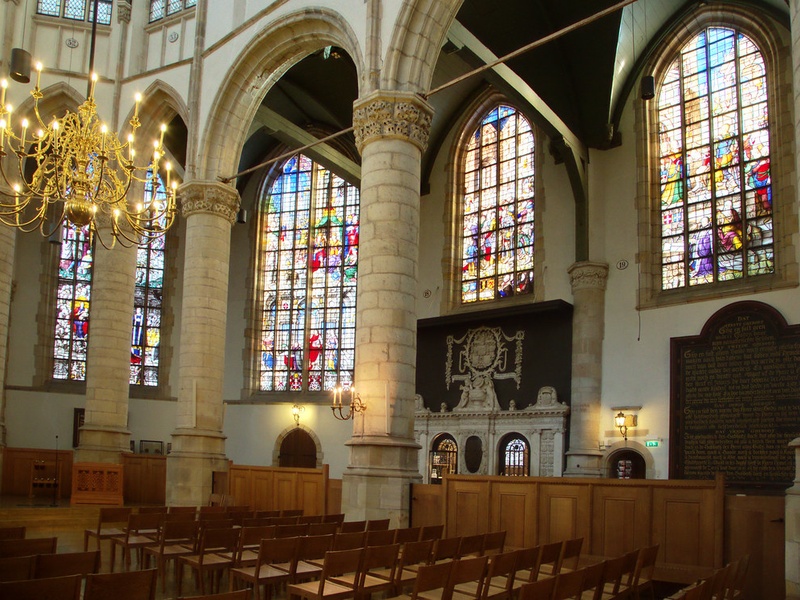
St. John’s Church Gouda
Large Gothic church in Gouda from the 14th–16th centuries. Famous for stained-glass windows and monumental tombs. Central to civic and religious identity in Gouda.
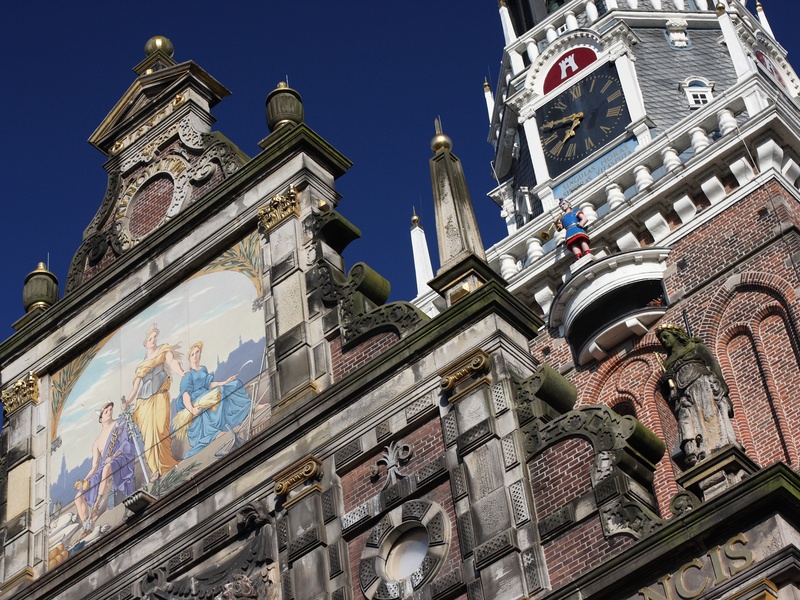
Waag Alkmaar
Historic weigh house in Alkmaar built in the 14th century on the Cheese Market. Symbol of commercial regulation and the cheese trade. Still associated with local market traditions.
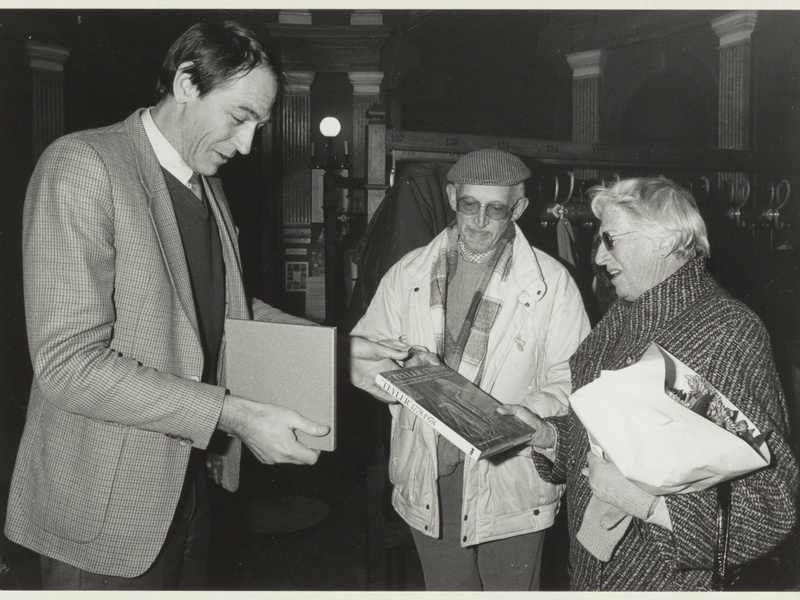
Teylers Museum
Oldest museum in the Netherlands in Haarlem, founded in 1778. Contains art, natural history and scientific instruments. Important for Enlightenment-era collections and learning.
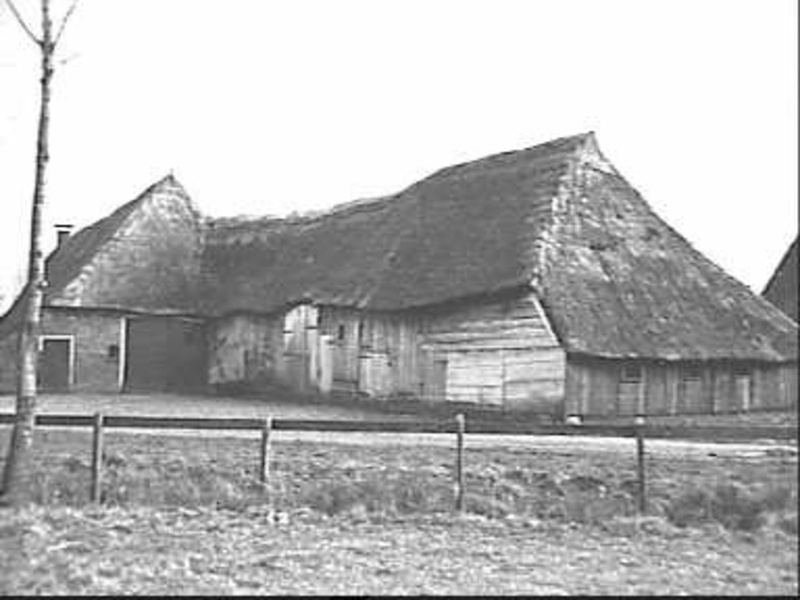
Orvelte
Conserved rural village in Drenthe with historic farmhouses and crafts. Functions as an open-air village museum. Shows traditional countryside life and regional building styles.
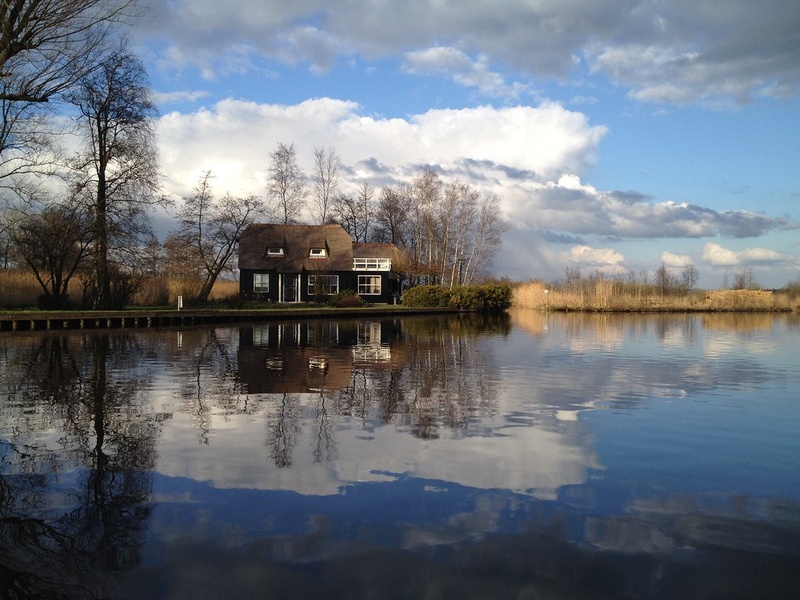
Giethoorn
Water village in Overijssel known for canals, thatched-roof houses and absence of roads in parts. Historic peat-digging village with preserved rural layout. Shows unique Dutch water-based living.
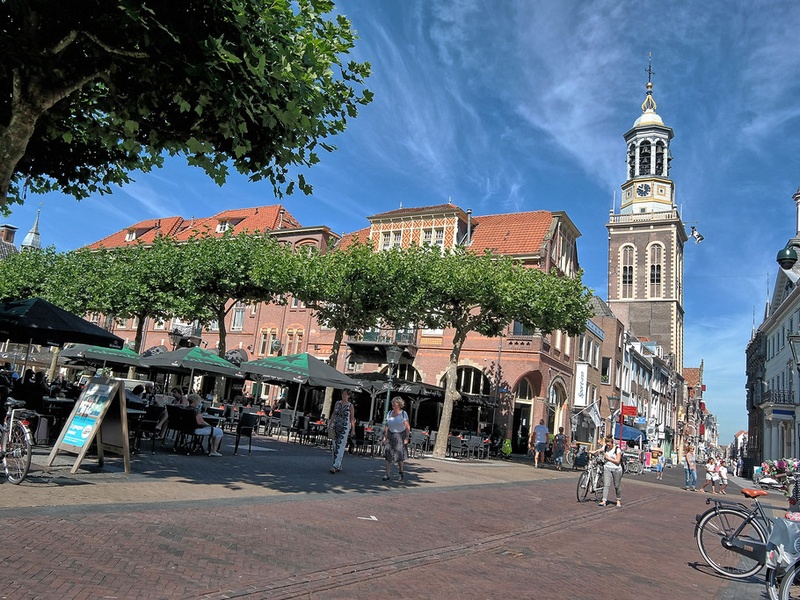
Kampen City Centre
Hanseatic town on the IJssel with medieval gates, warehouses and churches. Important medieval trading center. Retains a strong historic waterfront and masonry buildings.
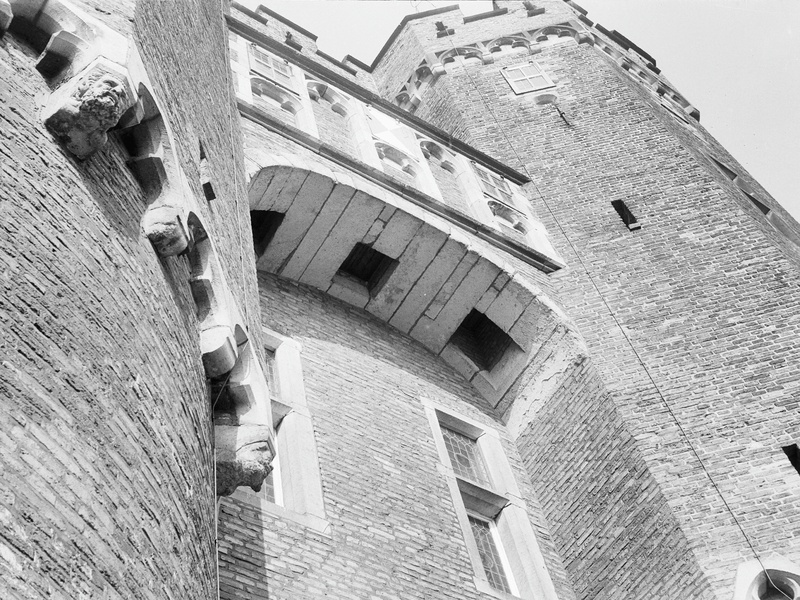
Sassenpoort
Medieval city gate in Kampen built in the 14th century. Noted for Gothic brickwork and towers. Symbol of Hanseatic prosperity and city defense.
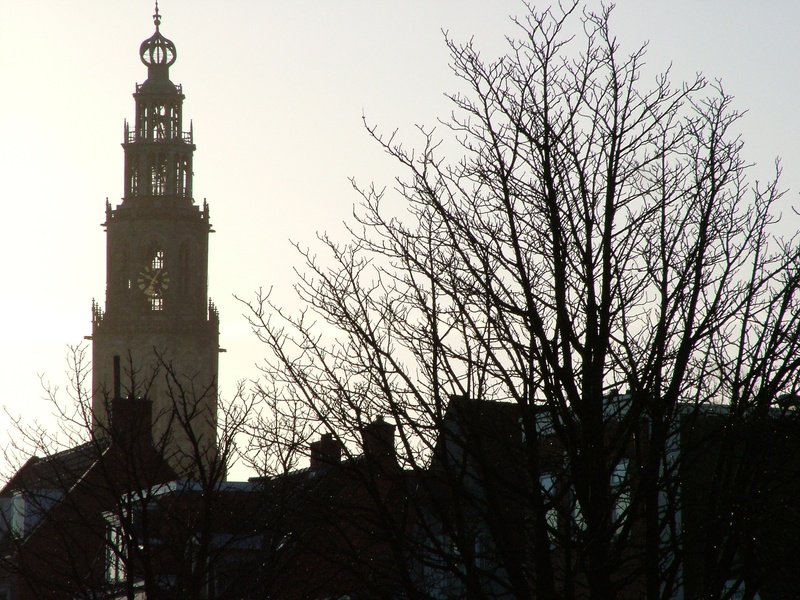
Martinitoren
Tall church tower in Groningen from the 15th century. Landmark of the city with panoramic views. Illustrates Gothic civic architecture and regional prominence.
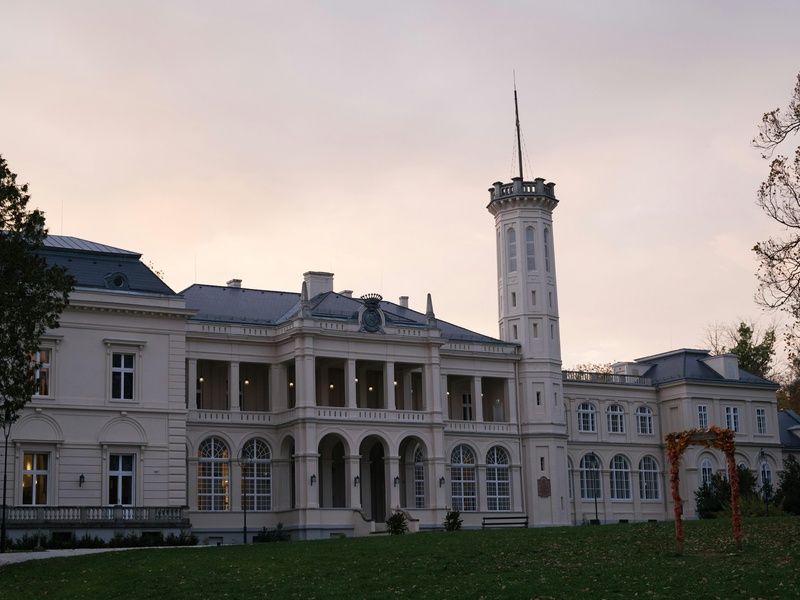
Het Loo Palace
Baroque royal palace in Apeldoorn built in the 17th century as a hunting lodge. Restored gardens and state rooms reflect royal life. Important for royal and landscape history.
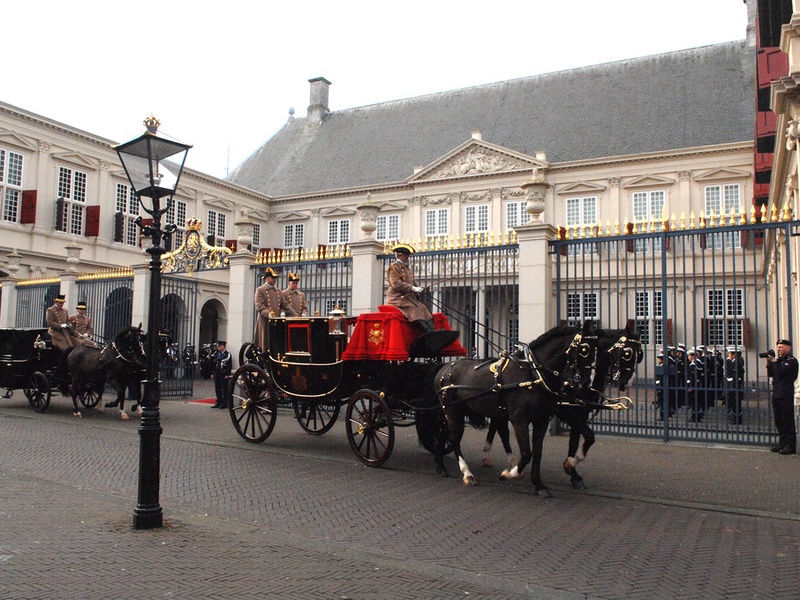
Noordeinde Palace
One of the Dutch royal palaces in The Hague with administrative and ceremonial functions. Historic urban palace with classical façade. Part of national institutional heritage.
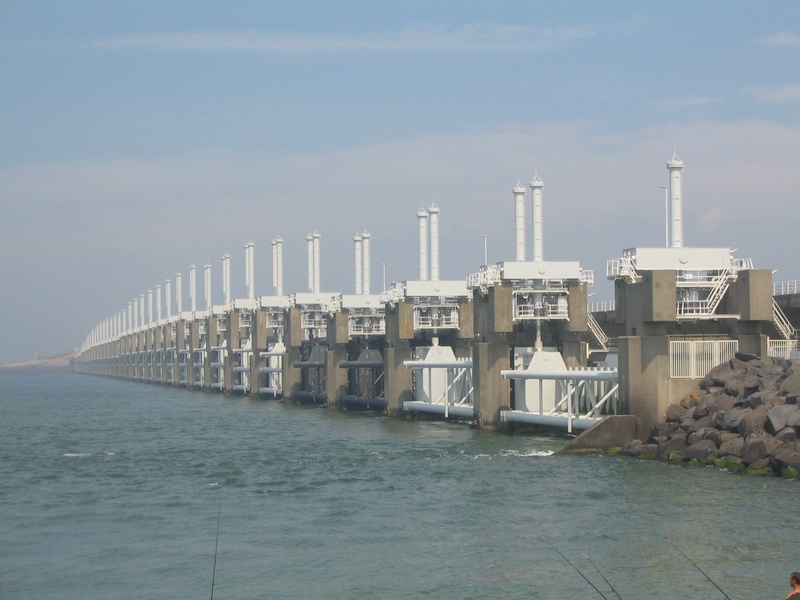
Oosterscheldekering
Large 20th-century storm surge barrier in Zeeland and part of the Delta Works. Major flood-defense engineering project protecting against North Sea surges. Icon of modern water management.
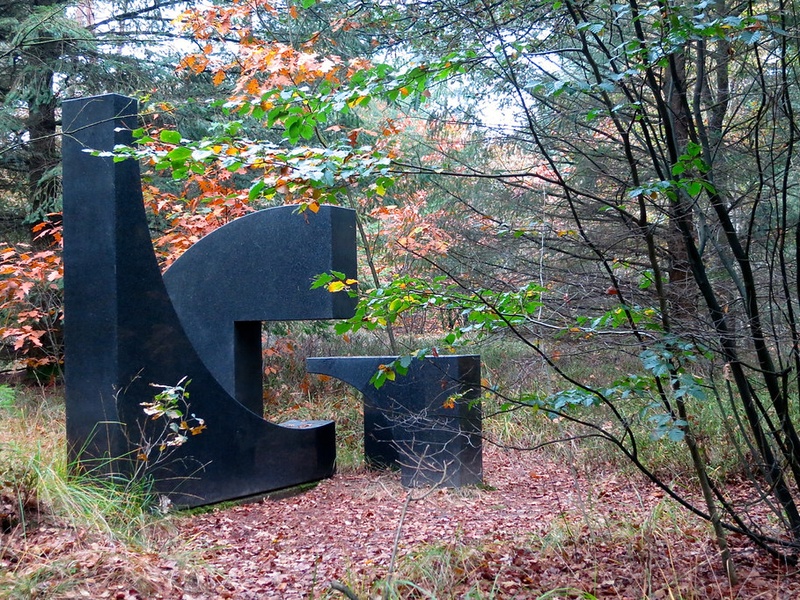
Kröller-Müller Museum
Museum in Hoge Veluwe Park with large Van Gogh collection and sculpture garden. Combines art and landscape. Important for modern art and museum-world integration.
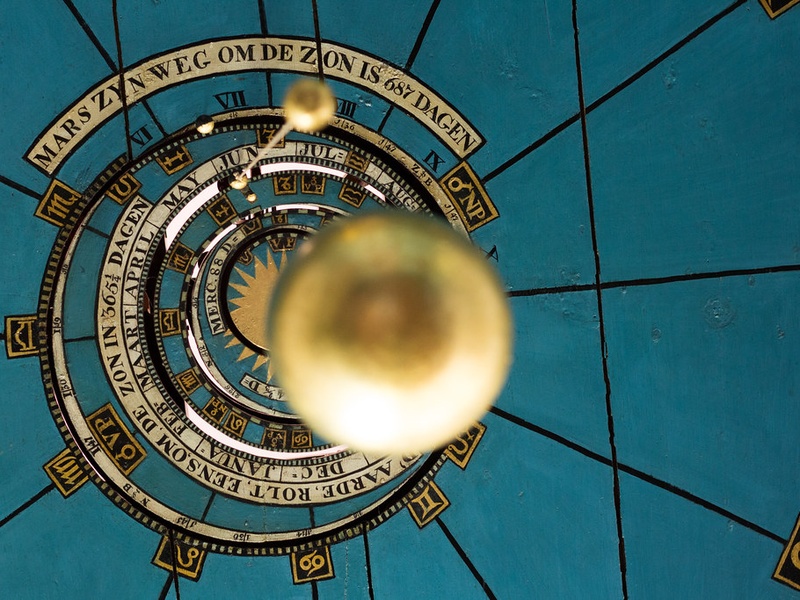
Eise Eisinga Planetarium
18th-century working planetarium in Franeker built in a living room showing the solar system. Oldest working orrery still in original location. Illustrates early public science and craftsmanship.
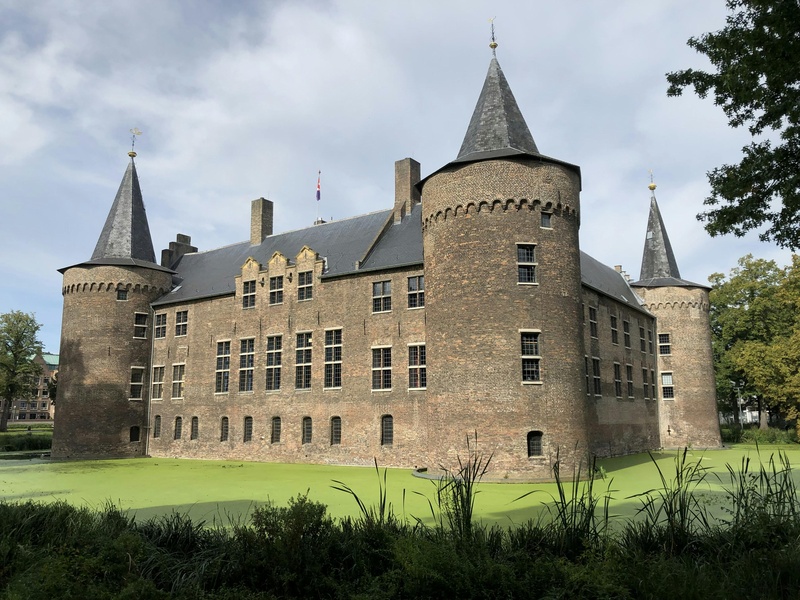
Helmond Castle
Medieval castle in Helmond with 14th-century keep and later restorations. Now a museum with medieval exhibits. Shows local feudal history and castle architecture.
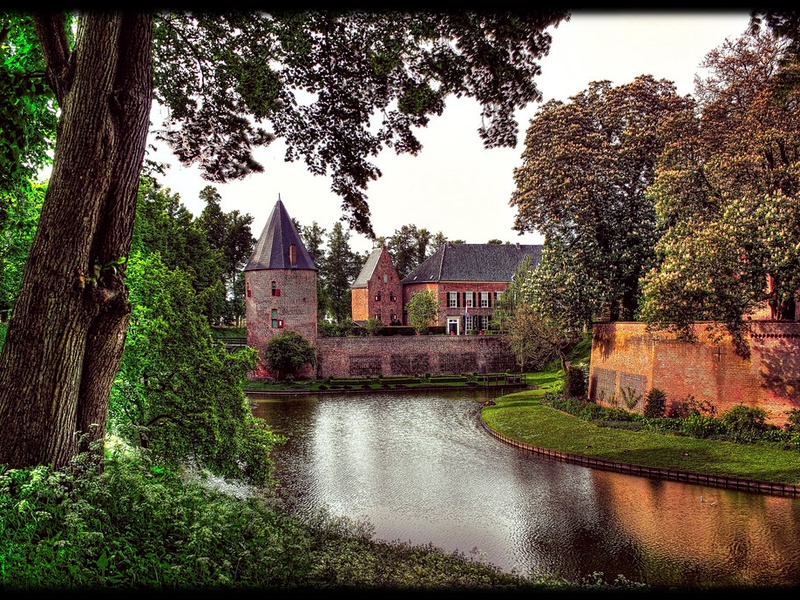
Huis Bergh
Large medieval castle in ‘s-Heerenberg dating from the 13th century. Restored rooms and art collections highlight noble lives. Important as a major private fortress and art repository.
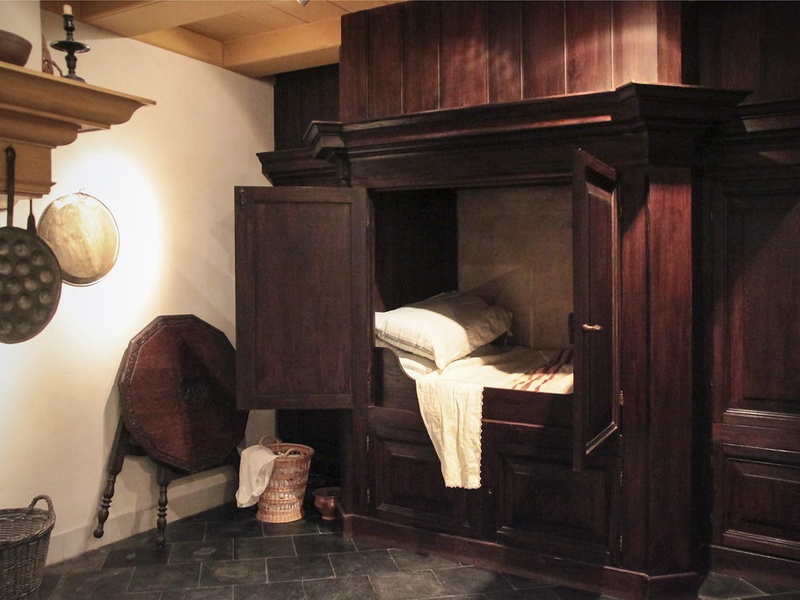
Rembrandt House
Former home and studio of Rembrandt in Amsterdam, now a museum. Displays etchings, reconstructions and period rooms. Central for study of the artist’s life and workshop.
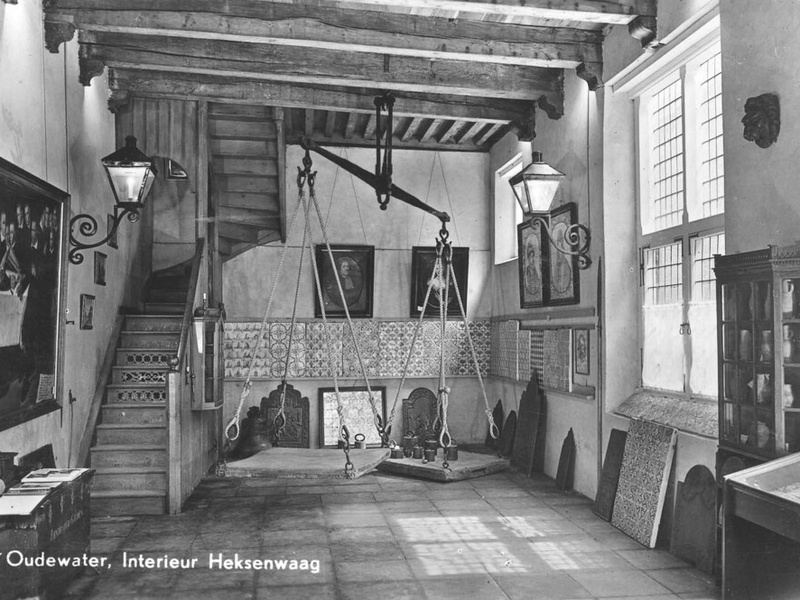
Heksenwaag Oudewater
Medieval weigh house in Oudewater where people were weighed to test for witchcraft. Historic civic building from the 16th century. Represents social and legal history regarding witch trials.
Slot Loevestein already listed
Duplicate entry referring to Loevestein Castle. Same medieval island castle noted for strategic river location and prison history.
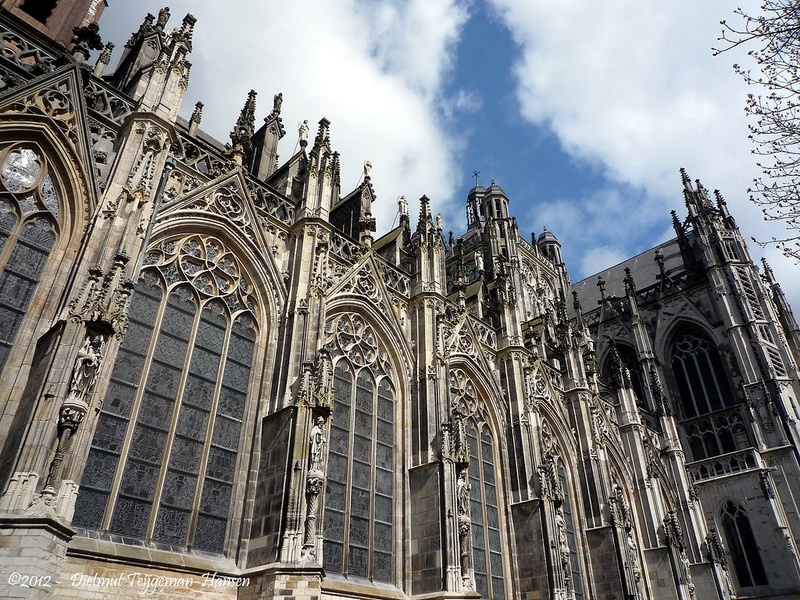
Sint Jans Cathedral (‘s-Hertogenbosch)
Late Gothic cathedral in ‘s-Hertogenbosch dating from the 13th–16th centuries. Noted for sculpted portals and elaborate interior. Major example of Brabantine Gothic architecture.
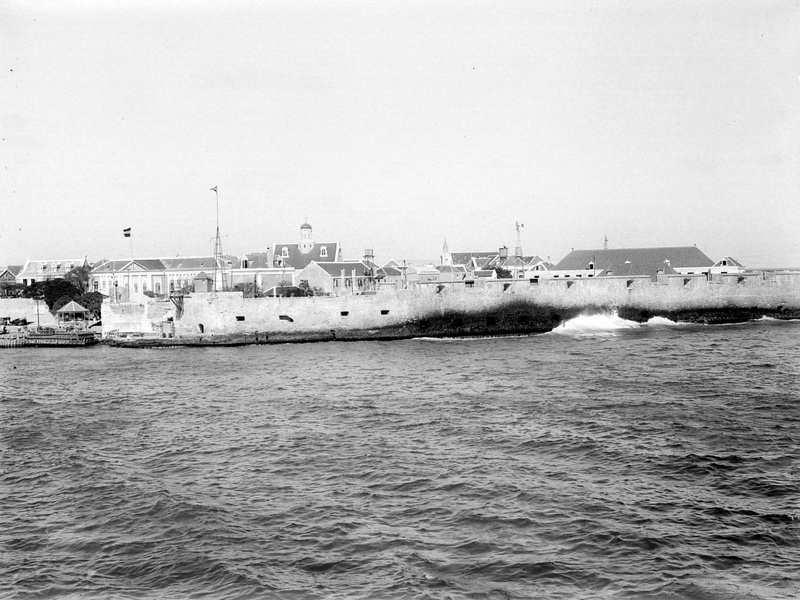
Willemstad Fortifications
Well-preserved 17th-century fortifications on the Hollands Diep. Part of Dutch waterline defenses with bastions and moats. Illustrate military engineering and town planning.
Berg en Dal Museum (Archaeological area)
Archaeological park showing prehistoric and Roman remains near Nijmegen. Combines museum exhibits with outdoor sites. Important for understanding early regional habitation.
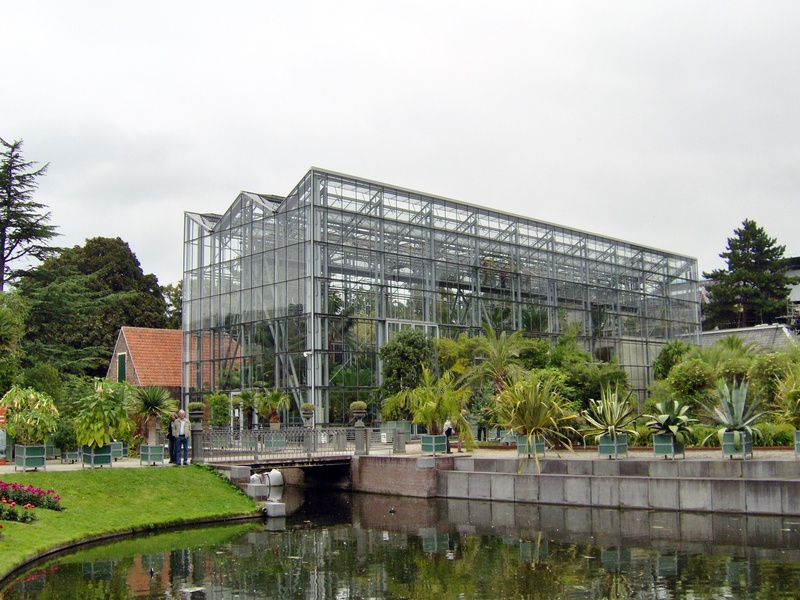
Hortus Botanicus Leiden
One of the oldest botanical gardens in the world, founded in 1590. Holds historic plant collections and glasshouses. Central to botanical science and Dutch scholarly history.
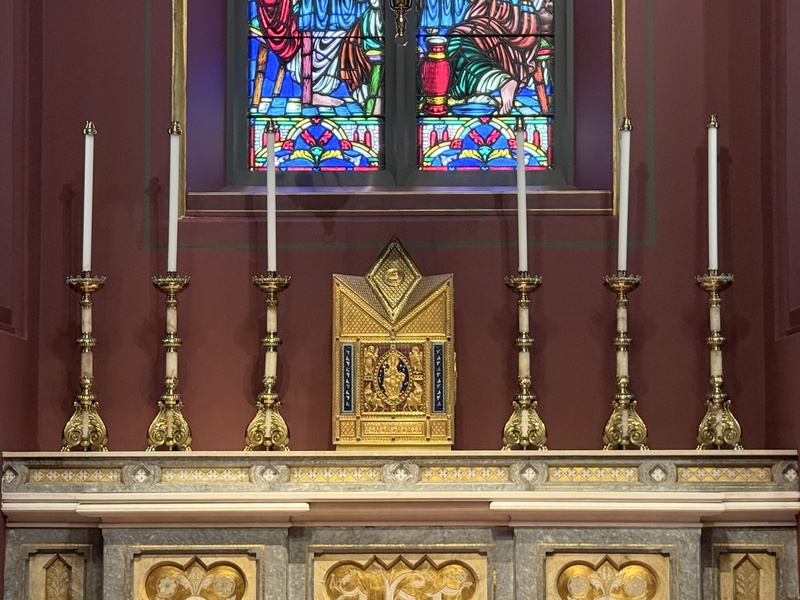
Basilica of Saint Bavo (Haarlem)
Neo-Gothic basilica in Haarlem built in the 19th century on a medieval foundation. Noted for stained glass and organ. Reflects religious and architectural revival movements.
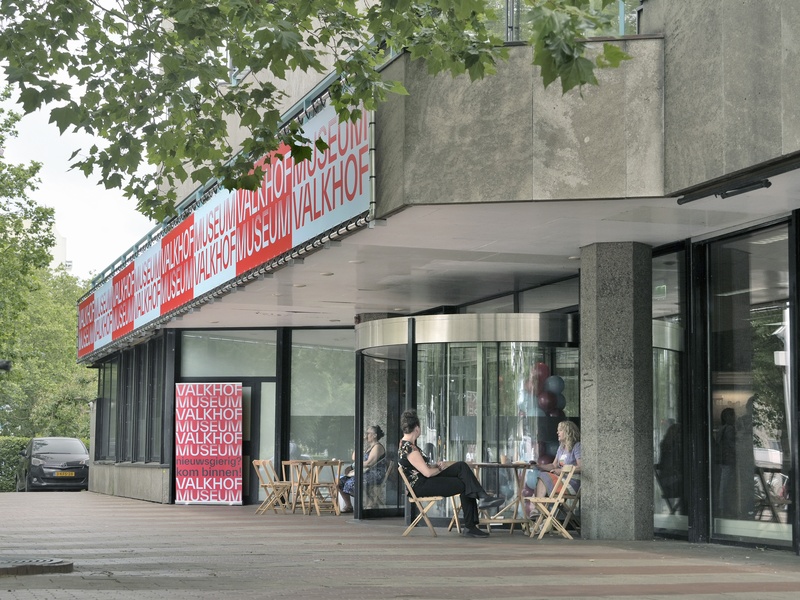
Valkhof Museum
Museum in Nijmegen with Roman and medieval archaeological finds and medieval art. Located on the historic Valkhof hill. Documents long urban continuity from Roman times.
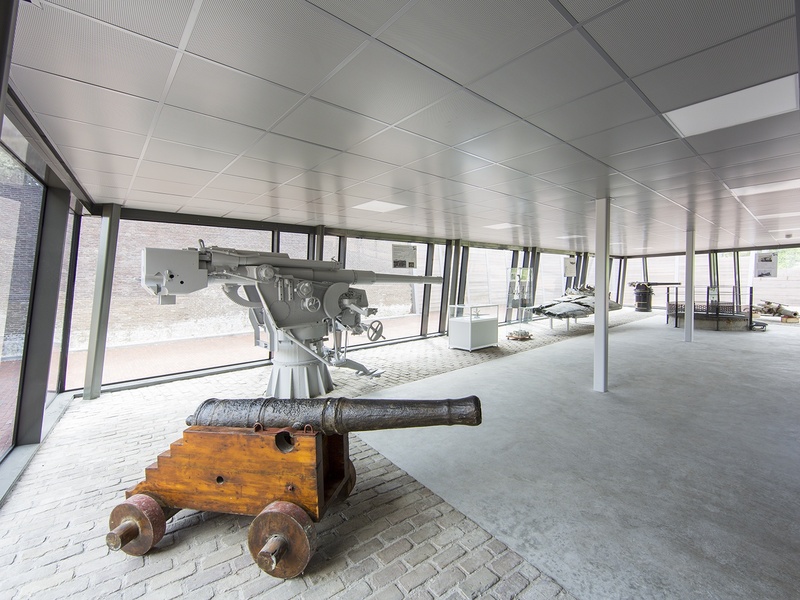
Fort Kijkduin
Coastal fortress near Den Helder from the 17th century with naval and defense exhibits. Shows maritime defense and coastal fortifications. Contains historic cannons and displays.
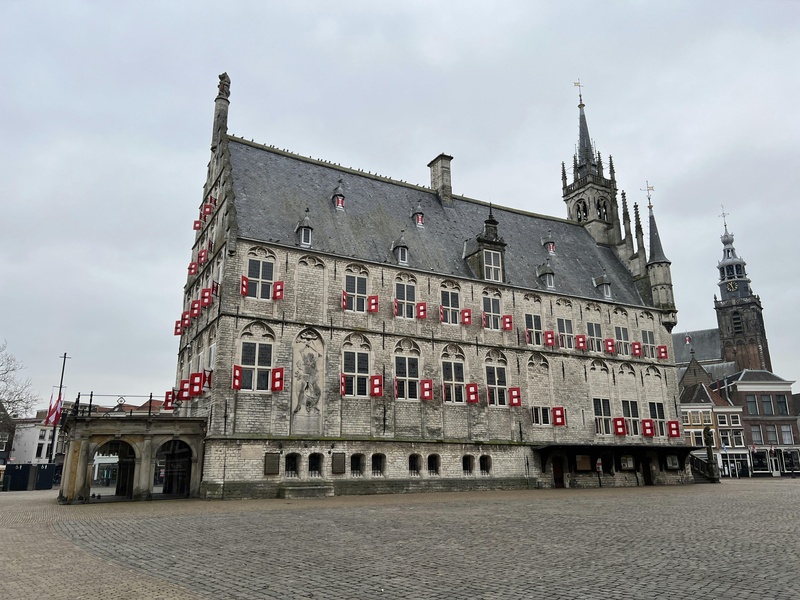
Town Hall Gouda
Late Gothic town hall in Gouda dating from the 15th century. Iconic civic building on the market square. Symbol of municipal governance and medieval town prosperity.
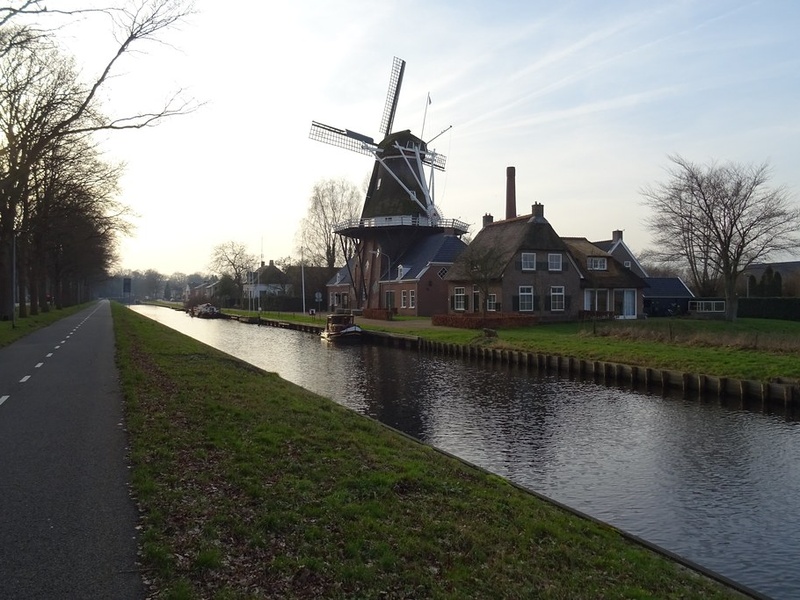
Molenmuseum De Wachter
Working windmill museum in Westzaan showing milling and rural crafts. Combines historic mill machinery with demonstrations. Preserves traditional industrial heritage.