
Here’s the thing nobody tells you before you start googling lakes in South Africa: the country barely has any true natural lakes. Geologists count only a handful. Most of the big blue shapes you see on a map are dams, estuaries, or coastal lagoons that everyone calls lakes anyway.
That sounds like a downer. It isn’t. South Africa’s “lakes” include a UNESCO World Heritage estuary full of hippos, a freshwater giant tucked behind coastal dunes, a sacred lake in Limpopo that locals say swallows anything you throw in, and dams so big they have their own ferries and houseboats. You just need to know which is which before you book a swim.
This guide sorts 14 of them by region, tells you straight whether each is natural or man-made, and covers the part the glossy listicles skip — how to get there, the nearest town, and when to go.
Table of Contents
- Natural lakes vs dams: the honest version
- Quick comparison table
- KwaZulu-Natal: the lake country
- Western Cape: Garden Route and Cape Town
- Limpopo and the north
- The big inland dams
- Frequently asked questions
Natural lakes vs dams: the honest version
South Africa sits on an old, geologically stable plateau. It never got carved up by glaciers the way Canada or Scandinavia did, so it never inherited their thousands of glacial lakes. What it has instead is a cluster of natural coastal lakes along the KwaZulu-Natal shore — formed where rivers met the sea and got dammed by ancient dunes — plus a long list of reservoirs built for water and power.
So when a search result promises you “lakes,” roughly three things are actually on offer:
- True natural lakes — Lake Sibaya, Kosi Lake system, the Wilderness lakes, Lake Fundudzi. Mostly coastal and freshwater.
- Estuaries and lagoons — Lake St Lucia, Zeekoevlei. Brackish, tidal, often called lakes out of habit.
- Dams — Vaal, Gariep, Hartbeespoort, Sterkfontein. Man-made, but several are huge and genuinely worth a weekend.
None of that makes the trip less good. It just changes what you pack and whether the water is salty. It’s a pattern that repeats across the region, too — neighboring Lesotho faces the same natural-versus-dam split, where the headline water bodies are nearly all reservoirs rather than true lakes.
Quick comparison table
| Lake | Province | Type | Best for |
|---|---|---|---|
| Lake St Lucia | KwaZulu-Natal | Estuary | Hippos, crocs, boat safaris |
| Lake Sibaya | KwaZulu-Natal | Natural (freshwater) | Birdwatching, solitude |
| Kosi Lakes | KwaZulu-Natal | Natural (estuarine) | Snorkeling, fish traps |
| Lake Eteza | KwaZulu-Natal | Natural | Birdwatching |
| Wilderness lakes | Western Cape | Natural | Canoeing, hiking |
| Groenvlei | Western Cape | Natural (freshwater) | Fishing, paddling |
| Zeekoevlei | Western Cape | Natural lagoon | Watersports near Cape Town |
| Lake Fundudzi | Limpopo | Natural (sacred) | Scenery, culture |
| Hartbeespoort Dam | North West | Dam | Day trips from Joburg |
| Vaal Dam | Gauteng/Free State | Dam | Sailing, watersports |
| Gariep Dam | Free State/E. Cape | Dam | Houseboats, fishing |
| Sterkfontein Dam | Free State | Dam | Clear water, Drakensberg views |
| Midmar Dam | KwaZulu-Natal | Dam | Open-water swimming |
| Loskop Dam | Mpumalanga | Dam | Fishing, game reserve |
KwaZulu-Natal: the lake country
If South Africa has a lake district, it’s the northern KwaZulu-Natal coast. This is where almost all the real natural lakes live, strung along the Indian Ocean behind ancient forested dunes.
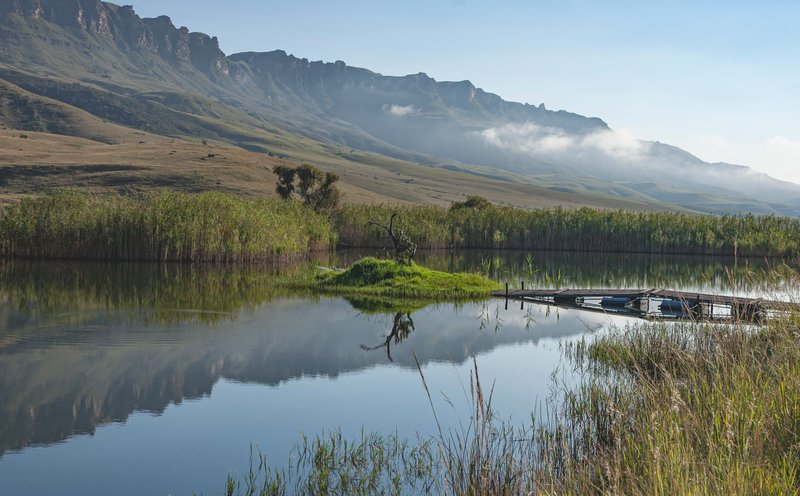
Lake St Lucia
The headline act, and technically an estuary rather than a lake — but at roughly 350 square kilometers it’s the largest estuarine system in Africa, so the distinction gets forgiven. It anchors the iSimangaliso Wetland Park, South Africa’s first UNESCO World Heritage Site.
You come here for the wildlife density. Hippos and crocodiles share the water, and the standard move is a two-hour boat cruise out of St Lucia town that gets you close to both. Nearest base is the town of St Lucia itself; the dry winter months (May to September) concentrate game around the water and keep the mosquitoes down.
Lake Sibaya
This is the one to namecheck if you want to sound like you’ve done your homework. Lake Sibaya is the largest natural freshwater lake in South Africa — a genuine lake, no asterisk — sitting behind the dunes near the Mozambique border inside iSimangaliso.
It’s remote, quiet, and hippo-populated, which is exactly why birders love it and why you don’t swim. Access is via the Maputaland area; you’ll want a 4×4 and a booking at one of the few lodges. Worth the effort precisely because so few people make it.
Kosi Lakes
A chain of four interlinked lakes near the Mozambique border, ranging from freshwater to almost-marine as you move toward the estuary mouth. The Kosi Bay mouth has some of the best snorkeling in the country — clear water, reef fish, and the centuries-old wooden fish traps the Thonga community still uses.
Nearest town is Manguzi. Bring a 4×4 and patience for sand tracks. This is far-northeast KZN, a long drive from anywhere, and that remoteness is the whole point.
Lake Eteza
Small, often overlooked, and protected as a nature reserve south of St Lucia. It’s a birdwatcher’s lake more than a swimmer’s — pelicans, fish eagles, the occasional flamingo. Pair it with St Lucia rather than driving out just for it.
Midmar Dam
Yes, a dam, but it earns its place in KZN for one reason: the Midmar Mile, the world’s largest open-water swimming event, draws thousands of swimmers every February. The rest of the year it’s a calm reservoir near Howick with good picnicking and easy access from the N3. Family-friendly, well-developed, an hour from Pietermaritzburg.
Western Cape: Garden Route and Cape Town
The Western Cape’s lakes split into two clusters: the freshwater Garden Route lakes around Wilderness, and the urban lagoons near Cape Town.
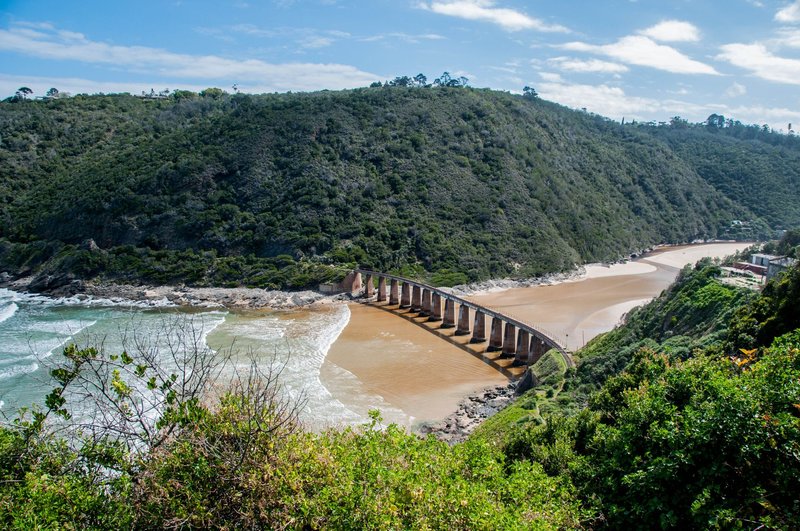
The Wilderness lakes
A string of lakes — Island Lake, Langvlei, Rondevlei, Swartvlei — laced together by rivers and channels inside the Garden Route National Park. Swartvlei is the largest natural lake in the system and connects to the sea, so part of it turns brackish.
This is paddling and hiking country. Rent a canoe at Wilderness, follow the Touw River up the Kingfisher Trail to a waterfall, and you’ve got a half-day that beats most coastal walks. Wilderness village is your base, right on the N2 between George and Knysna.
Groenvlei
Also called Lake Pleasant, Groenvlei is the oddity of the Garden Route — a true freshwater lake with no river feeding it. It’s fed entirely by groundwater and rainfall, which keeps it clean and good for fishing (it’s stocked with bass). It sits between Sedgefield and Knysna, ringed by reeds and milkwood forest.
Zeekoevlei
Cape Town’s lake. “Zeekoevlei” means hippo lagoon in Afrikaans, a nod to the hippos that lived here before the city arrived — they’re long gone now. It’s the largest natural water body in the metro area and the hub for the city’s rowing, sailing, and watersports clubs. Right next to it is Rondevlei Nature Reserve, where, in a nice full-circle twist, hippos were reintroduced. You can be here in 25 minutes from the city center.
Limpopo and the north
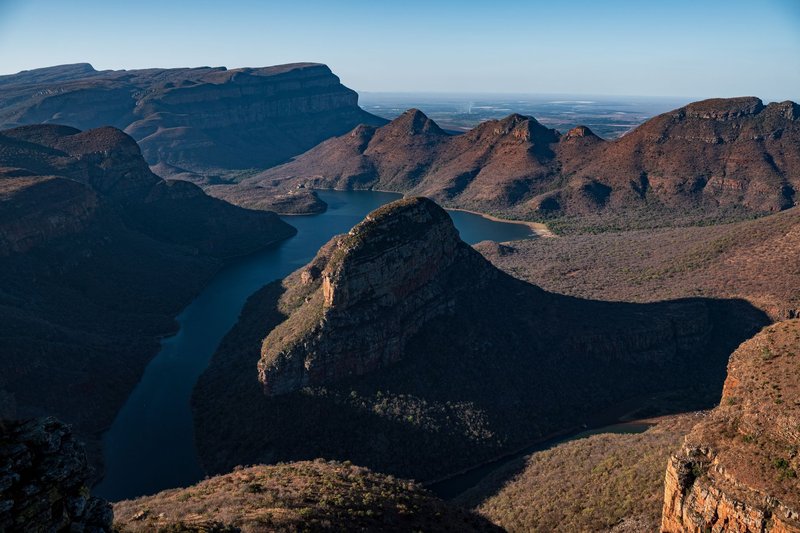
Lake Fundudzi
The most mysterious lake on this list. Fundudzi is one of the few true inland natural lakes in South Africa, formed when an ancient landslide dammed a river valley in the Soutpansberg mountains. It’s sacred to the Venda people, tied to the python god of fertility, and traditionally you don’t approach the water without permission and the correct greeting — turning your back to it and viewing it between your legs.
So this is a look-don’t-touch lake, and that’s fine. The drive through the Venda region and the views down onto the water are the experience. Access is restricted and often requires a local guide; arrange it through Thohoyandou rather than just showing up.
Loskop Dam
On the Olifants River in Mpumalanga, Loskop Dam sits inside its own nature reserve with rhino, giraffe, and kudu on the surrounding hills. It’s a fishing destination — yellowfish and bass — with a resort on the shore. Good stopover if you’re heading toward the Kruger lowveld from Gauteng.
The big inland dams
No natural lakes inland to speak of, so the interior built its own. Several are large enough that you’d never guess they were artificial.
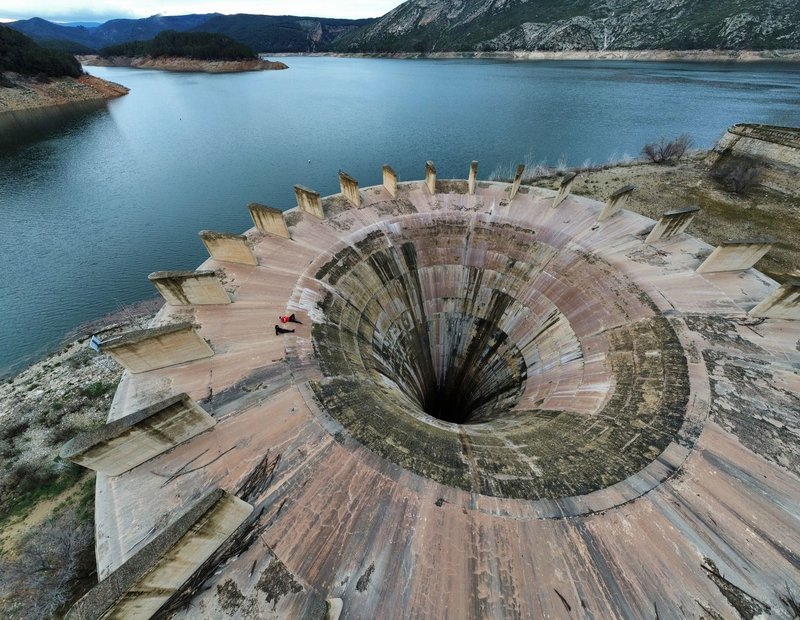
Hartbeespoort Dam
“Harties” is Johannesburg and Pretoria’s weekend water. An hour from either city, set against the Magaliesberg, it’s busy, developed, and a little kitschy in places — cable car, boat cruises, waterside restaurants, a market or two. Not wilderness, but a genuinely easy escape. The catch: keep an eye on water-quality advisories, because algal blooms hit it in warm months.
Vaal Dam
One of South Africa’s largest reservoirs by surface area, straddling the Gauteng and Free State border on the Vaal River. It’s the engine room of the country’s sailing and watersports scene — yacht clubs, regattas, jet skis, the lot. Plenty of lodges and guesthouses ring the shore for a weekend out of Joburg.
Gariep Dam
The biggest dam in the country by water volume, sitting on the Orange River where the Free State meets the Eastern Cape. That river starts its journey high in the mountains of Lesotho, and if you’re curious about the rivers that feed South Africa’s biggest dams, the little kingdom upstream is where most of that water is made. The dam itself is surrounded by a nature reserve with springbok and zebra, and houseboating is the signature activity — rent one, drift out, fish for the night. The nearby town shares the dam’s name. Remote, big-sky, quiet.
Sterkfontein Dam
The sleeper pick. Sterkfontein is unusually clear and deep, perched high near the Drakensberg in the Free State, with the mountains as a backdrop. Because it’s fed mostly by water pumped in rather than a muddy river, the water stays clean and blue. Good for sailing and a scenic stop on the way to the northern Drakensberg.
Frequently asked questions
What is the largest lake in South Africa? It depends on how you count. By surface area, Lake St Lucia is the largest — but it’s an estuary, not a true freshwater lake. Lake Sibaya holds the title of largest natural freshwater lake. By sheer water volume, the Gariep Dam outsizes them all, but it’s man-made.
Does South Africa have natural lakes? Yes, but very few. The genuine natural lakes are concentrated on the KwaZulu-Natal coast (Sibaya, Kosi, St Lucia, Eteza), the Garden Route (the Wilderness lakes, Groenvlei), and a couple of inland oddities like Lake Fundudzi. Most other “lakes” you’ll see named are dams.
Can you swim in South African lakes? In some, not in others. The KZN coastal lakes have hippos and crocodiles — don’t swim. Dams like Midmar, Sterkfontein, and the Vaal are popular for swimming and watersports. Always check local signage; algal blooms affect dams like Hartbeespoort in summer.
Which lake is best for a weekend trip from Johannesburg? Hartbeespoort and the Vaal Dam are both about an hour out and built for day visitors and weekends. For something wilder, Gariep Dam is a longer drive but rewards you with houseboats and a game reserve.
Is Lake St Lucia worth visiting? Yes. It’s the core of the iSimangaliso Wetland Park, a UNESCO World Heritage Site, with one of the densest concentrations of hippos and crocodiles you’ll see anywhere, plus boat cruises that get you close to both.
So the natural-lake scarcity turns out to be a sorting problem, not a dealbreaker. Pick the salt-or-fresh, wild-or-developed combination you actually want, point yourself at the right province, and South Africa’s lakes deliver — even the ones that started life as estuaries and dams.