Italy’s cities vary widely: some are compact historic centres clustered on hills or islands, others cover broad municipal territories that include suburbs, parks and industrial zones. That mix makes comparing city area an interesting way to see how Italy’s local administration and geography shape urban footprints.
There are 10 Largest Cities in Italy by Area, ranging from Arezzo to Venice. For each city, details are organized as Country, Area (km²), Region (Province), as you’ll find below.
What does “largest by area” mean in these listings?
This refers to the administrative municipal area (the comune) measured in square kilometres, not the metropolitan or urban agglomeration; it shows how much territory a single municipal government covers rather than the size of its functional economy or population.
How reliable are the area figures and where do they come from?
Area data typically comes from national statistics (ISTAT) and municipal registries and are measured in km², so they’re comparable across regions; minor updates or boundary changes can occur, so check the source/date listed below the table for the most current numbers.
Largest Cities in Italy by Area
| Name | Country | Area (km²) | Region (Province) |
|---|---|---|---|
| Rome | Italy | 1,287.36 | Lazio (Rome) |
| Ravenna | Italy | 652.89 | Emilia-Romagna (Ravenna) |
| Cerignola | Italy | 593.71 | Apulia (Foggia) |
| Sassari | Italy | 546.08 | Sardinia (Sassari) |
| Foggia | Italy | 507.36 | Apulia (Foggia) |
| Grosseto | Italy | 474.04 | Tuscany (Grosseto) |
| L’Aquila | Italy | 467.25 | Abruzzo (L’Aquila) |
| Venice | Italy | 414.57 | Veneto (Venice) |
| Ferrara | Italy | 404.36 | Emilia-Romagna (Ferrara) |
| Arezzo | Italy | 386.84 | Tuscany (Arezzo) |
Images and Descriptions
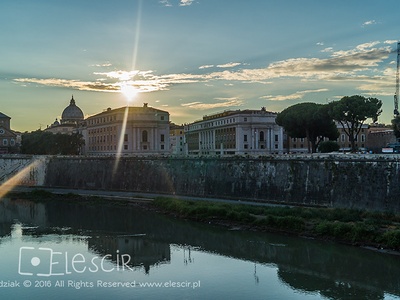
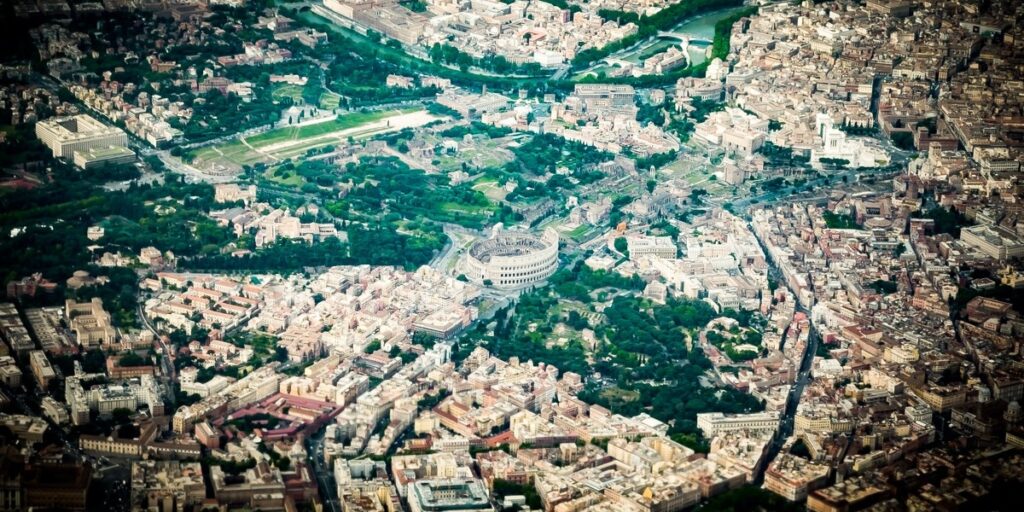
Rome
Italy’s capital and largest comune by area, ~2.8 million residents. Covers wide hills, suburbs and protected countryside; municipal area per ISTAT (approx. 2019). Note: this is the administrative city, larger than the urban metro.

Ravenna
Historic port city of ~160,000 people whose municipality stretches across coastal plains and hinterland. Large area reflects agricultural land and lagoon zones; area figure from ISTAT (approx. 2019).

Cerignola
A large agricultural comune in southern Italy with roughly 57,000 residents. Wide municipal boundaries include farmland and hamlets — area per ISTAT (approx. 2019); population smaller than its land extent suggests.
Sassari
Major Sardinian city of about 125,000 people with a very large municipality that includes rural hinterland and hills. Area per ISTAT (approx. 2019); reflects island municipal extents rather than continuous built-up area.
Foggia
Provincial capital in the Tavoliere plain with roughly 150,000 inhabitants; the comune covers vast agricultural territory. Area per ISTAT (approx. 2019); city population concentrated in a small part of the municipal area.
Grosseto
Tuscany city (~82,000 people) whose municipality covers coastal plains, Maremma countryside and protected parks. Large area per ISTAT (approx. 2019); notable for natural reserves within municipal limits.
L’Aquila
Mountain city and regional capital of about 70,000 residents; large municipal area covers surrounding Apennine villages and national park terrain. Area per ISTAT (approx. 2019); includes extensive mountainous land.
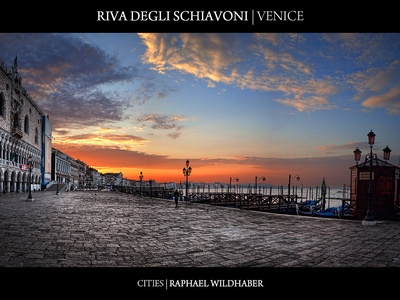
Venice
Famous lagoon city with ~260,000 residents in the wider municipality; large area reflects the lagoon and many islands. ISTAT area (approx. 2019); municipal boundary includes water and uninhabited islets, not contiguous urban land.
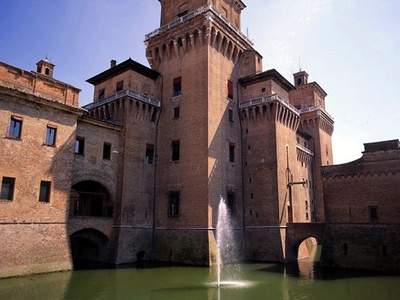
Ferrara
Renaissance city of ~130,000 people whose comune stretches across Po valley farmland and parks. Area per ISTAT (approx. 2019); expansive municipal limits include rural and historic zones.
Arezzo
Historic hilltop city of about 100,000 residents; the municipality includes wide rural and forested areas in Tuscany. Area per ISTAT (approx. 2019); large administrative boundaries make it one of Italy’s bigger comuni by land.