Myanmar’s cities vary a lot in pace and daily life, so whether you’re planning a visit, a move, or just comparing urban safety, a compact, reliable overview helps. This list focuses on practical measures you can use rather than headlines.
There are 9 Safest Cities in Myanmar, ranging from Bago to Yangon. Each entry shows straightforward figures organized as Country,Safety rating (0-100),Population (people) so you can compare stability and scale at a glance — you’ll find those details below.
How are the safety ratings calculated?
The ratings combine recent crime reports, emergency service coverage, infrastructure reliability, and local stability indicators; where available, they’re averaged with national data and adjusted for population size to give a comparable 0–100 score that reflects everyday safety risks.
Should visitors or expats rely on this list when choosing a city?
Use the list as a starting point: it highlights relative safety and population context, but personal decisions should also consider current travel advisories, neighborhood-level info, and recent local developments before you plan a move or trip.
Safest Cities in Myanmar
| City | Country | Safety rating (0-100) | Population (people) |
|---|---|---|---|
| Yangon | Myanmar | 70 | 5,200,000 |
| Mandalay | Myanmar | 68 | 1,200,000 |
| Naypyidaw | Myanmar | 85 | 1,000,000 |
| Mawlamyine | Myanmar | 65 | 300,000 |
| Bago | Myanmar | 62 | 270,000 |
| Taunggyi | Myanmar | 64 | 300,000 |
| Pathein | Myanmar | 60 | 170,000 |
| Hpa-An | Myanmar | 63 | 150,000 |
| Pyin Oo Lwin | Myanmar | 66 | 100,000 |
Images and Descriptions
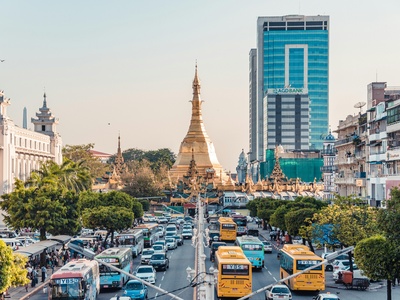
Yangon
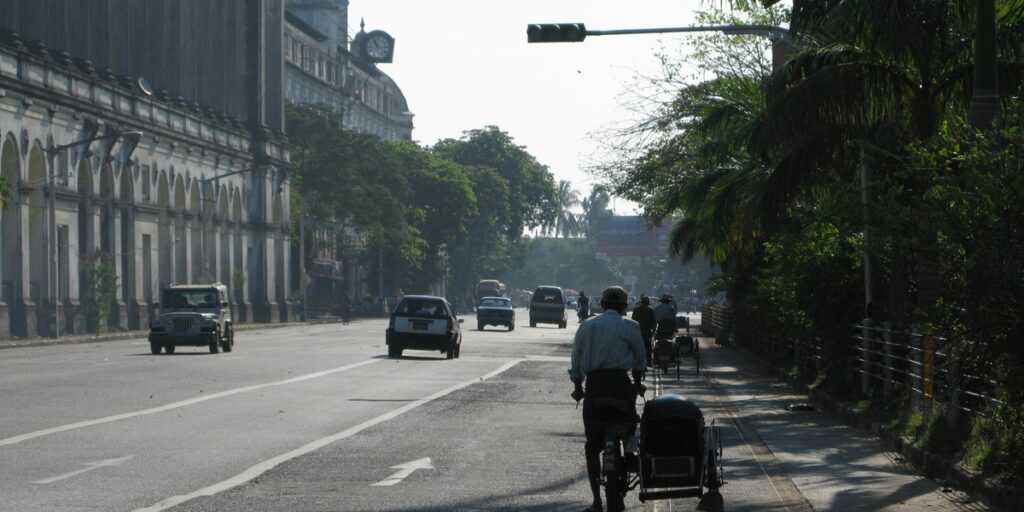
Myanmar’s largest city with functioning international airport, public hospitals, and reliable taxis. Central areas are well-patrolled and lower violent crime, though pickpocketing and occasional political demonstrations occur; exercise caution, secure belongings, and avoid large gatherings.
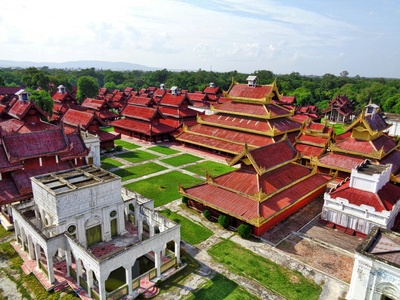
Mandalay
Cultural and commercial hub with busy markets, steady police presence, accessible hospitals, and airport. Violent crime is relatively low but petty theft and scams target tourists; avoid isolated areas at night and be aware of occasional regional unrest in surrounding rural districts.

Naypyidaw
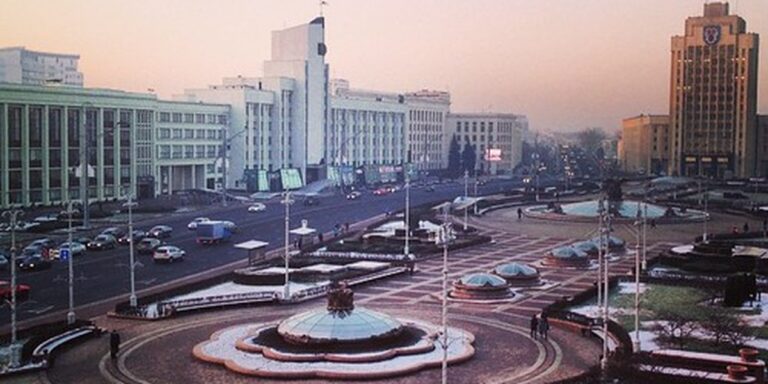
Myanmar’s administrative capital with wide roads, strong security presence and functional utilities. Low street crime and reliable government services make it comparatively safe, but expect checkpoints, limited tourist amenities, and fewer advanced medical facilities than Yangon.

Mawlamyine
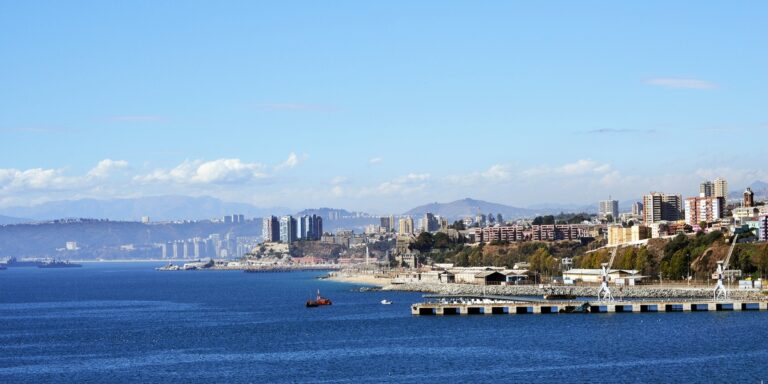
Coastal regional capital with active port, functioning hospitals and bus links. Generally low violent crime and welcoming locals, though petty theft occurs near markets and ferry terminals; occasional infrastructure limitations during rainy season.
Bago
Historic city near Yangon with functioning transport links and basic healthcare. Tourist areas and temples are generally safe with low violent crime, but road safety and occasional flooding can disrupt services; avoid late-night travel on secondary roads.
Taunggyi
Shan State administrative center and gateway to Inle Lake with regular healthcare and transport services. Urban core is relatively calm with low violent crime, though surrounding rural areas may have occasional unrest; expect mountain road travel risks.
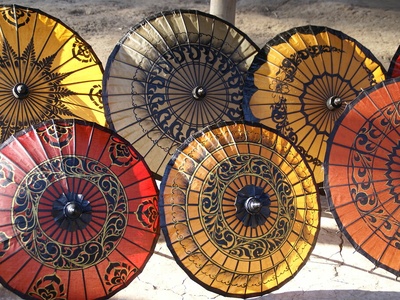
Pathein
Major town in Ayeyarwady region with port access and basic hospitals. Low levels of violent crime in urban areas, but river transport accidents and seasonal flooding are common risks; healthcare for serious cases may require transfer to Yangon.
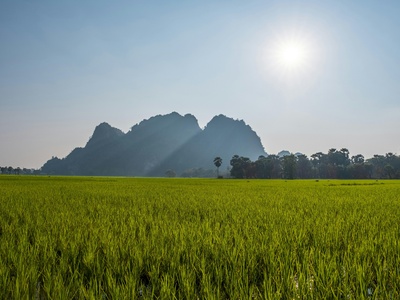
Hpa-An
Kayin State capital with accessible roads, tourism to limestone caves, and functional clinics. Generally peaceful urban core and low violent crime, though nearby border areas have occasional tensions; limited nightlife and transport frequency to major hubs.
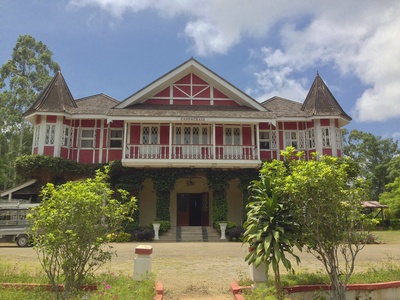
Pyin Oo Lwin
Cool-climate hill town near Mandalay with reliable guesthouses, medical clinics, and steady policing. Low violent crime and popular with domestic tourists; be mindful of occasional road closures in monsoon and limited emergency services for complex medical cases.