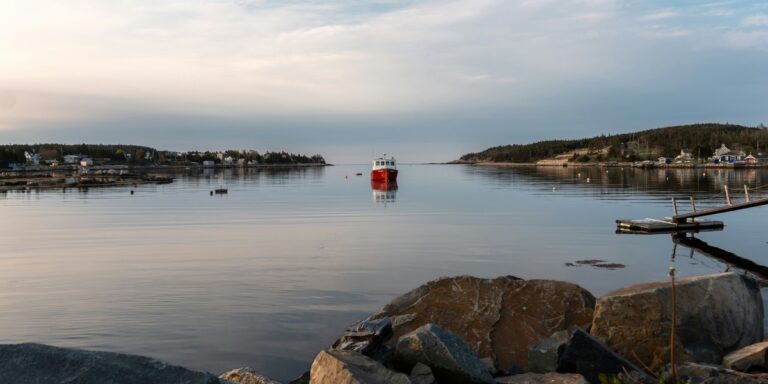
Canada’s provinces vary widely in population and land area, shaping everything from local services to regional economies. A clear, concise list helps make those differences easy to grasp.
There are 10 Largest Provinces in Canada by Population, ranging from Alberta to Saskatchewan. Each entry lists Rank,Population (year),Land area (km2) so you can compare size and population at a glance — you’ll find below.
Largest Provinces in Canada by Population
| Province | Rank | Population (year) | Land area (km2) |
|---|---|---|---|
| Ontario | 1 | 14,223,942 (2021) | 908,699 |
| Quebec | 2 | 8,501,833 (2021) | 1,356,625 |
| British Columbia | 3 | 5,000,879 (2021) | 944,735 |
| Alberta | 4 | 4,262,635 (2021) | 661,848 |
| Manitoba | 5 | 1,391,184 (2021) | 551,937 |
| Saskatchewan | 6 | 1,132,505 (2021) | 651,900 |
| Nova Scotia | 7 | 969,383 (2021) | 55,284 |
| New Brunswick | 8 | 770,890 (2021) | 72,908 |
| Newfoundland and Labrador | 9 | 521,758 (2021) | 405,212 |
| Prince Edward Island | 10 | 154,331 (2021) | 5,660 |
Images and Descriptions

Ontario
Canada’s most populous province, anchored by the Toronto region; steady immigration and strong services/tech sectors drive growth, making Ontario the economic engine with diverse urban and rural communities.

Quebec
French-speaking Quebec ranks second by population; growth is concentrated around Montreal and Quebec City, with immigration and natural increase supporting its cultural and economic hubs.
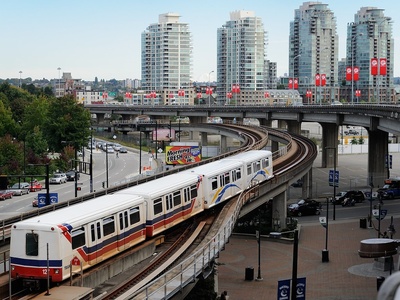
British Columbia
BC combines a booming Vancouver metro with vast mountain and coastal regions; international migration, tech, and lifestyle appeal fuel population gains despite high housing costs.

Alberta
Alberta’s population centers (Calgary, Edmonton) grow with energy, tech and construction cycles; the province sees periodic migration linked to oil prices and a younger-than-average demographic.
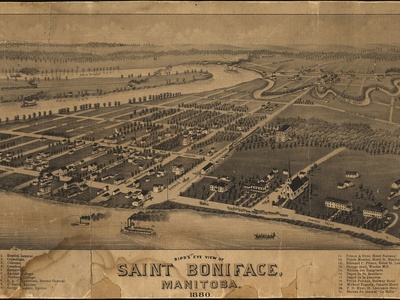
Manitoba
Centered on Winnipeg, Manitoba has steady growth from immigration and a strong transportation/agriculture base; affordable housing and newcomer settlement programs attract newcomers.
Saskatchewan
Saskatchewan’s population is concentrated in Regina and Saskatoon; resource-driven cycles, agriculture and a growing tech and services sector influence modest population gains.
Nova Scotia
Atlantic Canada’s most populous province, Nova Scotia sees growth around Halifax from retirees, interprovincial migration and newcomers seeking lower-cost coastal living and a growing services economy.
New Brunswick
New Brunswick’s population is stable with pockets of growth tied to immigration and regional hubs; the province focuses on retaining youth and attracting remote workers to counter out-migration.
Newfoundland and Labrador
A sparsely populated province with large land area, its population centers face aging and out-migration, though offshore energy and targeted immigration programs aim to stabilize communities.
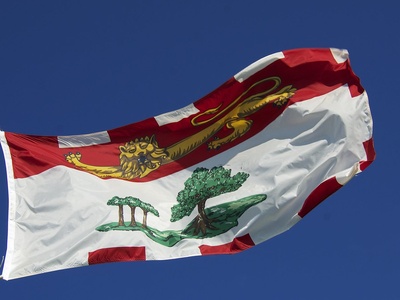
Prince Edward Island
Canada’s smallest province by population and land area, PEI has seen recent growth from retirees, tourism and in-migration, driven by quality-of-life appeal and targeted newcomer programs.