
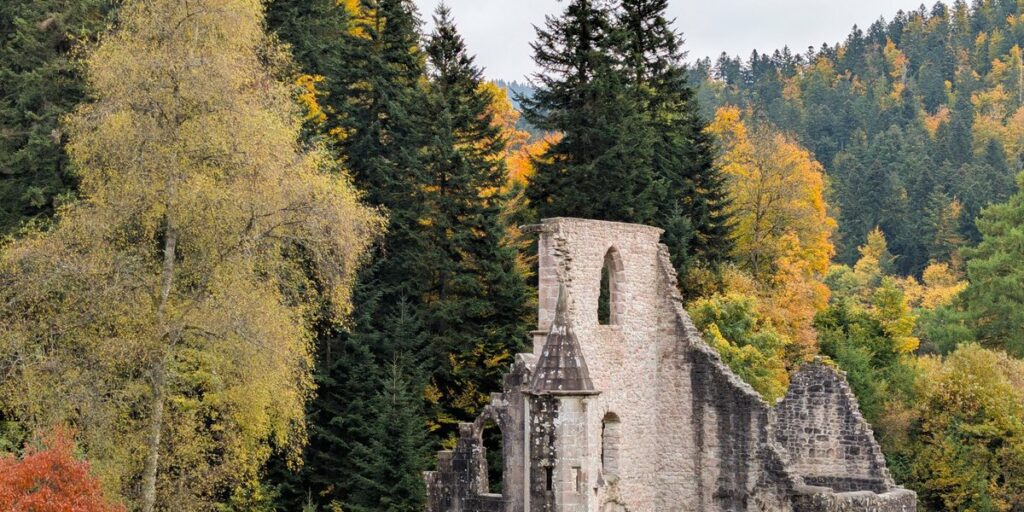
Wikipedia will give you a list of twelve New Hampshire ghost towns with no photos and no directions. A handful of hiking blogs will walk you through one town each, in exhaustive first-person detail, if you’re willing to dig through eight different sites to build your own itinerary. Neither exists as a single, useful resource. This one does.
New Hampshire’s ghost towns didn’t die from a single dramatic event, mostly. They died from railroads rerouting, dams flooding valleys, and logging companies pulling out once the good timber was gone. What’s left is cellar holes, cemetery stones, the odd chimney standing alone in second-growth forest. Some sites take a ten-minute walk from a parking area. Others need a half-day hike into the White Mountain National Forest backcountry.
Table of Contents
TLDR
If you only have time for one: Monson Center, near Milford, has the easiest access and the best-preserved cellar holes, with interpretive signs that do the historical legwork for you. If you want a real backcountry hike, Livermore in Waterville Valley follows an old logging railroad grade through the White Mountain National Forest and rewards you with a mill town’s worth of foundations. Old Hill Village is the one with the strangest story — an entire town relocated by federal order, not by decline.
Monson Center
Monson Center predates most of what people think of as “old New England.” Settled in 1746, it never recovered from the thin, rocky soil that made farming a losing bet, and by the 1770s most families had already moved on to better land. What’s left now sits on conservation land shared by Milford and Hollis: a network of cellar holes, a reconstructed period house, and stone walls that once marked working farms.
The site is unusually well documented for a town this old, with a marked interpretive loop trail that’s flat, short, and manageable for kids. It’s the one entry on this list you can do in sneakers.
Why it died: Poor soil and better opportunities elsewhere. Simple economics, two centuries before that phrase meant anything. Worth seeing: A reconstructed 18th-century house frame built on an original foundation — rare for a site this old. Access: Easy. A short, well-marked loop trail with interpretive signage, suitable for most fitness levels.
Livermore
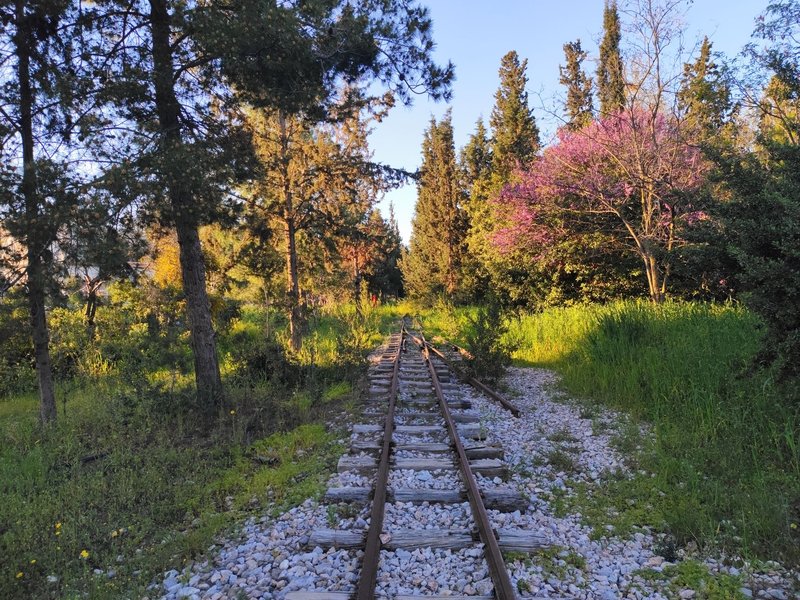
Livermore was a company town, full stop. The Saunders family ran a logging operation here in Waterville Valley and built the Sawyer River Railroad to haul timber out. When the good spruce ran out in the 1920s and 30s, there was no reason for the town to exist anymore. The post office closed in 1943; within a few years, nobody was left.
You reach it by walking the old Sawyer River Road, now closed to vehicles and folded into the White Mountain National Forest trail system, following the original railroad grade. The walk itself tells the story — you’re literally hiking the transportation route that made and then unmade the town.
Why it died: The timber ran out, and a company town without timber has no reason to keep paying its workers. Worth seeing: Building foundations and mill machinery debris scattered along the old rail grade. Access: Moderate. A multi-mile out-and-back walk on a former road/rail grade, gently graded but long enough to plan for.
Old Hill Village
This is the strangest story on the list, because Hill didn’t decline — it got moved. In the late 1930s, the U.S. Army Corps of Engineers built the Franklin Falls Dam as a flood-control project on the Pemigewasset River, and the flood-control easement put the entire village of Hill in the path of periodic high water. Rather than let the town flood, the federal government relocated it wholesale: houses, businesses, even some of the buried, to a new town center a few miles away, now simply called Hill.
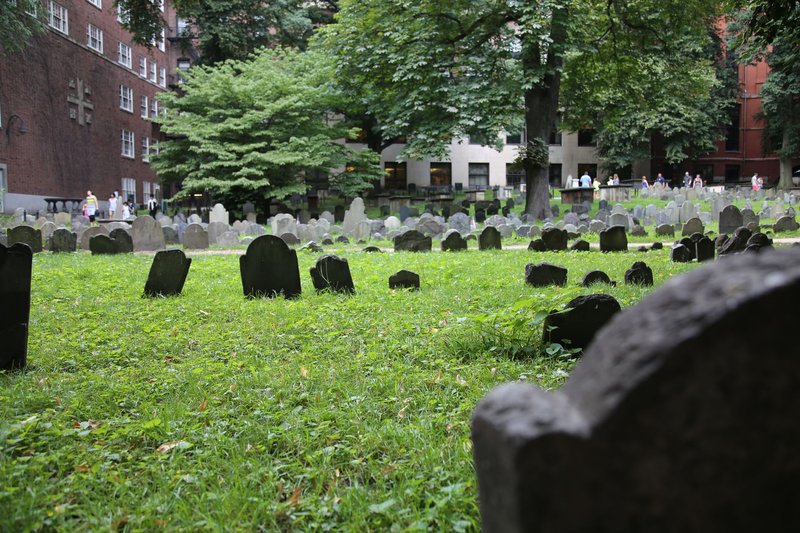
What remains at the old site is a landscape of cellar holes and a cemetery where not every grave was relocated — the genealogical trail here runs cold in ways that still bother local historians. According to the U.S. Army Corps of Engineers New England District, Franklin Falls remains an active flood-risk-management project today.
Why it died: Federal flood-control relocation, not economic decline — a rare case of a town moved rather than abandoned. Worth seeing: The old village cemetery, where records of who was and wasn’t relocated remain incomplete. Access: Moderate. Cellar holes are spread along back roads near the flood-control easement; expect some road walking between sites.
Zealand
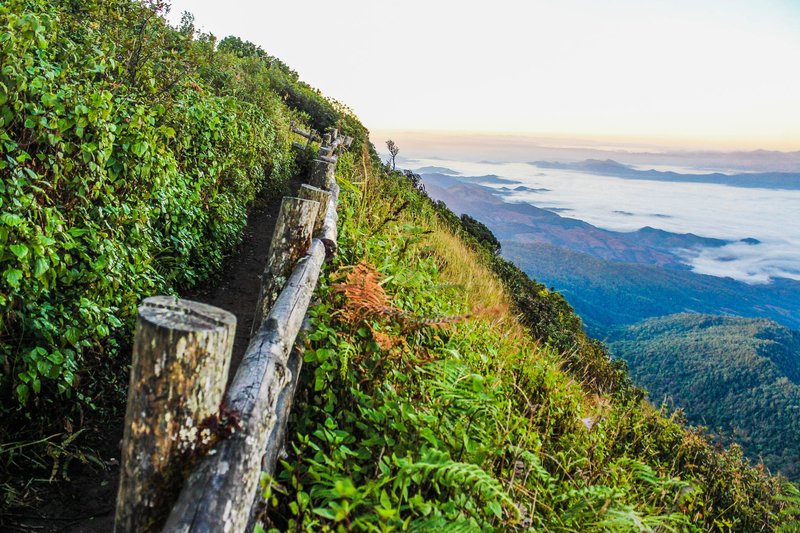
Zealand was a logging boomtown for about fifteen years before it wasn’t. The New Hampshire Land and Timber Company clear-cut the valley aggressively enough that a 1886 slash fire tore through what was left, and the town never rebuilt. Today the Zealand Valley is one of the more scenic corners of the White Mountain National Forest, which makes the contrast sharper: you’re hiking through second-growth forest that used to be stump fields.
The Zealand Trail follows the old logging railroad bed to Zealand Falls, past beaver ponds that have reclaimed some of the original clearings. The U.S. Forest Service maintains the trail and a nearby campground, and its own White Mountain National Forest history pages cover the valley’s logging-era boom and bust in more depth.
Why it died: Clear-cut logging followed by a slash fire that finished off what the loggers hadn’t already stripped. Worth seeing: Beaver ponds where the original mill clearings used to sit — nature’s redevelopment project. Access: Moderate. A well-maintained, mostly flat trail, popular enough that you won’t have it to yourself in summer.
Kilkenny

Kilkenny sits in the northernmost, least-visited district of the White Mountain National Forest, and that isolation is exactly why it never became more than a logging outpost. Access has always been the problem — even now, the roads in are rough and seasonal, which is part of why Kilkenny sees a fraction of the foot traffic of the more southern ghost towns on this list.
This is the entry for people who’ve already done Monson and Livermore and want something that still feels genuinely remote.
Why it died: It was a logging camp first and a settlement second — once the timber contracts ended, there was no other economy to fall back on. Worth seeing: The remoteness itself. Few marked ruins, but the sense of being well off the beaten path is the draw. Access: Difficult. Remote, with rough seasonal access roads; not a casual afternoon trip.
Beebe River
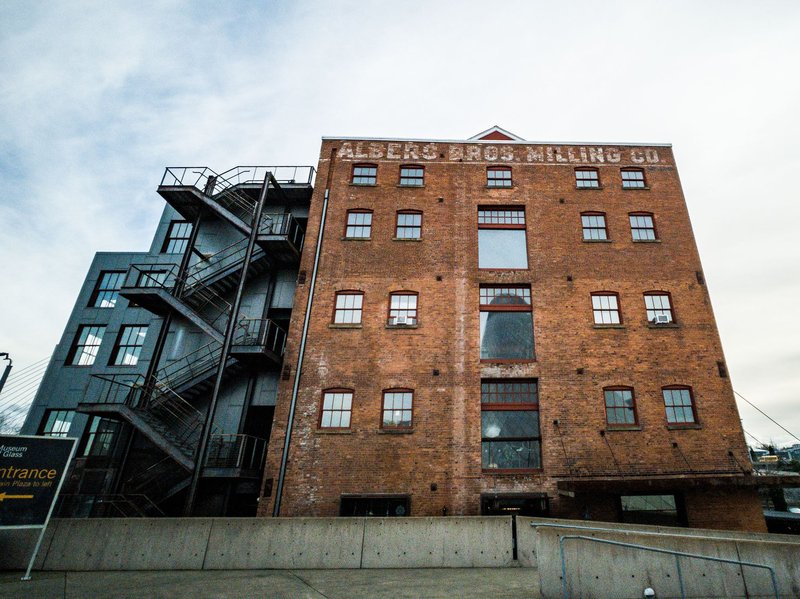
Beebe River is the odd one out here — it’s not fully abandoned, just hollowed out. The Draper Corporation built it as a company town around a bobbin mill for the textile industry, and when synthetic thread killed the demand for wooden bobbins in the mid-20th century, the mill shut and most residents left. A handful of homes remain occupied along Beebe River Road, which makes this less a ghost town proper and more a town that’s three-quarters gone.
Why it died: The bobbin mill’s product became obsolete once synthetic thread replaced the wooden bobbins it made. Worth seeing: Surviving company-town architecture, still visible along the road even where the mill itself is gone. Access: Easy. Drivable roads, though much of the land is private — stick to public rights-of-way.
Johnson
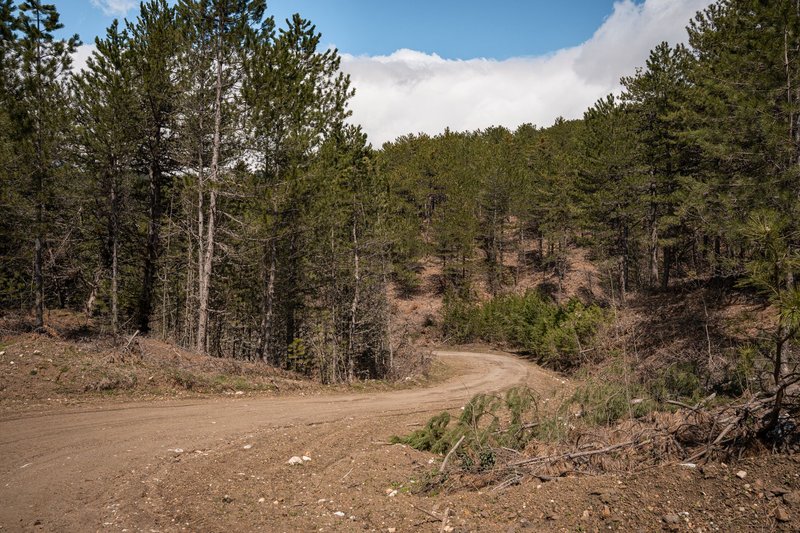
Johnson was a logging camp tied to the East Branch and Lincoln Railroad’s push into what’s now the Pemigewasset Wilderness. Camps like this one existed to house crews for a season or two before the railroad moved deeper into the timber and the camp was abandoned outright — Johnson never had the permanence of a town like Livermore, just a working population that left when the job did.
Why it died: It was never meant to last — a temporary logging camp, not a settlement, and it closed when the railroad crews moved on. Worth seeing: Scattered logging-era debris in what’s now protected wilderness, easy to miss if you don’t know to look. Access: Difficult. Located within the Pemigewasset Wilderness backcountry; expect a serious hike with minimal signage.
Gosport
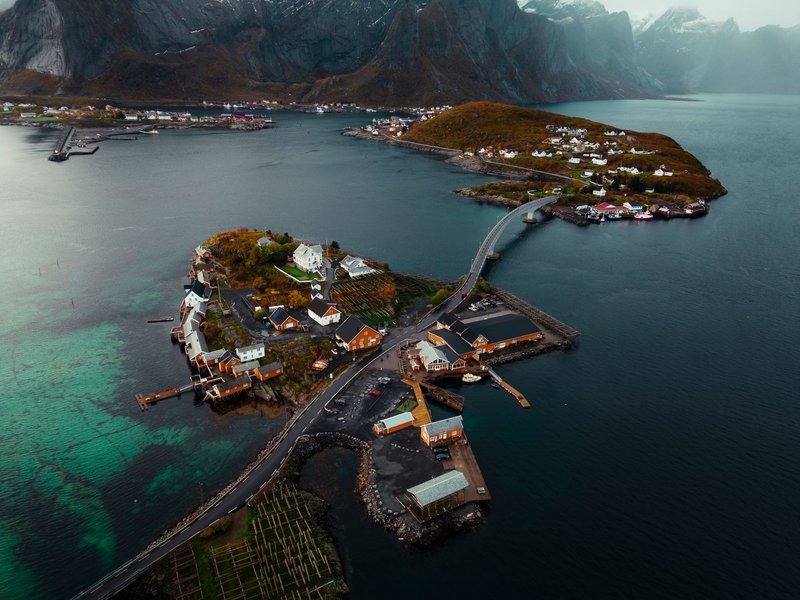
Gosport is the outlier: it’s not in the mountains, it’s on Star Island, ten miles off the coast in the Isles of Shoals. Founded as a fishing village, Gosport thrived through the 18th century before overfishing and the pull of mainland opportunity emptied it out by the mid-1800s. The old Gosport Meeting House, built in 1800, still stands and is one of the better-preserved structures on this entire list.
Star Island today is run as a conference and retreat center, which means you can’t just wander over — visiting generally means booking a stay or a day trip through the island’s operator, and the meeting house’s preservation is documented through New Hampshire’s own historic-resources records.
Why it died: Overfishing depleted the local catch, and the mainland offered better prospects than a shrinking island economy. Worth seeing: The 1800 Gosport Meeting House, still standing and in active use for island events. Access: Requires a boat. Visiting means booking through Star Island’s operator rather than a self-guided hike.
FAQ
Is it legal to visit these ghost towns? Most of these sites sit on public land — White Mountain National Forest or conservation land — where visiting is legal and often encouraged with marked trails. A few sites, like parts of Beebe River, cross private property; stick to roads and posted public access points.
Is it safe to explore cellar holes and foundations? Old foundations can have loose stonework and hidden drop-offs, especially after a century of freeze-thaw cycles. Stay out of open cellar holes and don’t climb on standing chimneys — they’re older than they look and not structurally sound.
When’s the best time to visit? Late spring through fall. Many of the trail-access sites, like Zealand and Livermore, cross exposed logging-era terrain that gets genuinely difficult in snow, and some access roads close for winter.
Do I need a permit? No permit is required for day hiking on White Mountain National Forest land, though a parking fee (the recreation pass) applies at most trailheads. Check current requirements through the White Mountain National Forest before you go, since fee structures and closures change seasonally.