
Last updated: November 2026. GDP figures follow the IMF’s October 2026 World Economic Outlook as compiled by Statistics Times.
By GDP per capita, Solomon Islands is the poorest country in Oceania, at about $2,295 per person in nominal terms. Kiribati and Papua New Guinea come next. Older pages name Kiribati as the lowest, and one ranking puts Solomon Islands at $2,086. Those pages aren’t wrong. They use different years and different measures, and almost none of them say so.
This post gives you the current ranking, a profile of each of the five poorest countries, and an explanation of why “poorest” has more than one answer.
Table of Contents
- TLDR
- The 10 poorest countries in Oceania
- Profiles of the five poorest
- Why rankings of the poorest countries in Oceania disagree
- FAQ
TLDR
- Poorest by GDP per capita: Solomon Islands ($2,295 nominal, Int. $2,728 at PPP), then Kiribati, then Papua New Guinea.
- Poorest by national poverty headcount: Papua New Guinea, at 39.9% of people below the national poverty line in the World Bank series.
- Scope: This list covers the 14 sovereign states of Oceania. Territories such as New Caledonia, Guam and French Polynesia are excluded, because they sit under other governments and skew the picture.
The 10 poorest countries in Oceania
Oceania has 14 sovereign countries. Australia and New Zealand sit far above the rest, and Palau and Nauru are also well ahead. That leaves ten countries at the low end.
| Rank (poorest first) | Country | GDP per capita, nominal (USD) | What drives the number |
|---|---|---|---|
| 1 | Solomon Islands | $2,295 | Logging, fishing, aid |
| 2 | Kiribati | about $2,500 | Fishing licences, seafarer remittances |
| 3 | Papua New Guinea | about $2,900 | Mining, gas, subsistence farming |
| 4 | Vanuatu | about $3,600 | Tourism, agriculture, aid |
| 5 | Micronesia (FSM) | about $3,900 | US Compact funding, fishing |
| 6 | Samoa | about $4,300 | Remittances, tourism |
| 7 | Tonga | about $5,000 | Remittances, agriculture |
| 8 | Tuvalu | about $5,500 | Fishing licences, .tv domain, aid |
| 9 | Fiji | about $6,000 | Tourism, sugar, remittances |
| 10 | Marshall Islands | about $7,000 | US Compact funding, ship registry |
Data year and source: IMF World Economic Outlook, October 2026 release, via Statistics Times. The Solomon Islands figure is exact. The others are rounded to the nearest $100 to keep the table readable. Ranks 1 to 3 are firm. Ranks 4 to 10 sit close together, and IMF revisions can swap neighbors. For live numbers, check the IMF DataMapper.
Profiles of the five poorest
1. Solomon Islands
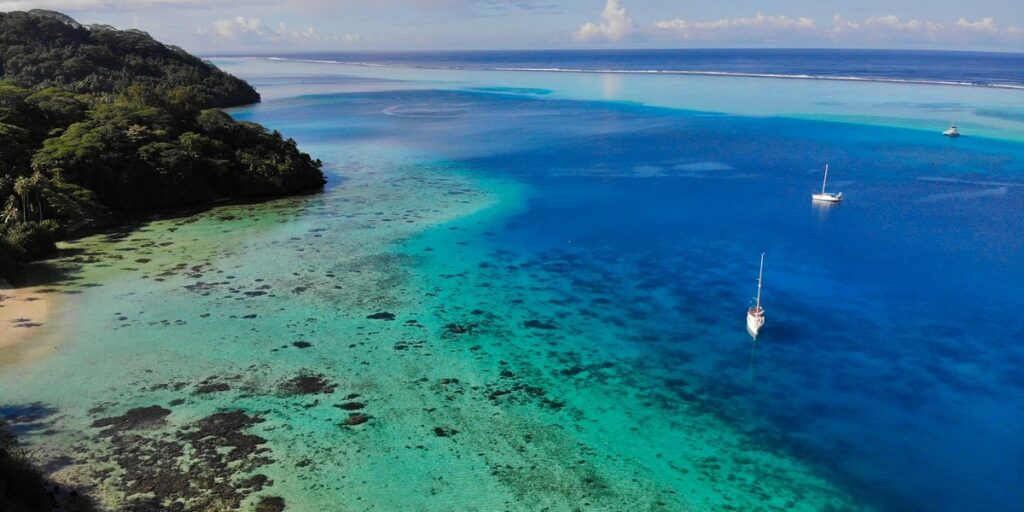
About 700,000 people live across a double chain of volcanic islands northeast of Australia. Most farm or fish for their own use, and the formal economy is thin. Round logs, mostly shipped to China, have long been the biggest export, which ties the economy to one buyer and to forests that can’t be cut forever. Fish, palm oil, cocoa and copra fill in the rest.
Aid carries a lot of weight. After the ethnic tensions of 1998 to 2003, an Australian-led regional mission (RAMSI) stayed until 2017, and foreign donors still fund much of health and education. Distance adds cost: moving anything between islands means a boat, and Honiara is the only real urban market. Cyclones and flooding hit often. Solomon Islands is also on the UN’s list of least developed countries.
2. Kiribati
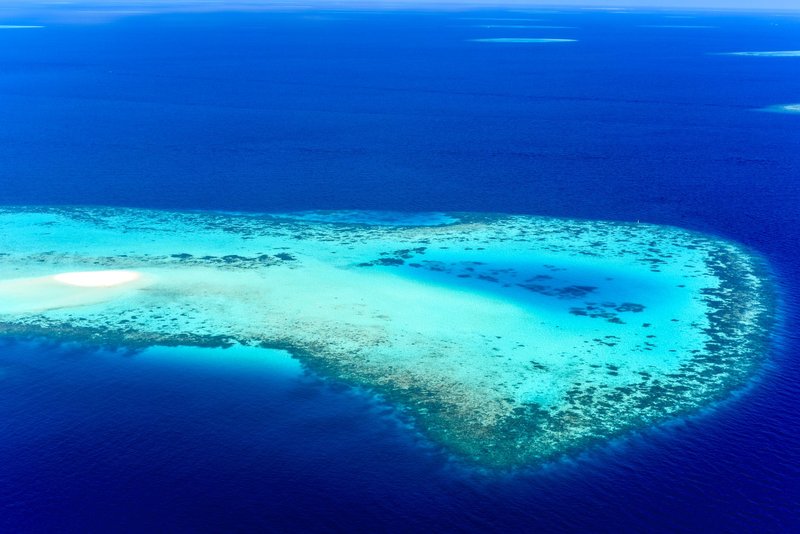
Kiribati has about 120,000 people and almost no land. Thirty-three islands, mostly low coral atolls, are scattered across roughly 3.5 million square kilometers of ocean, an area larger than India. Most of the land stands only a couple of meters above sea level.
That ocean is the economy. The government sells tuna fishing licences to foreign fleets, and that revenue pays a large share of the state budget. The rest comes from copra, seaweed and money sent home by I-Kiribati seafarers working on foreign ships. Fresh water is scarce, South Tarawa is crowded, and sea-level rise is a practical threat here. Whether Kiribati ranks first or second depends on the year, since licence revenue swings with tuna catches and negotiated fees.
3. Papua New Guinea
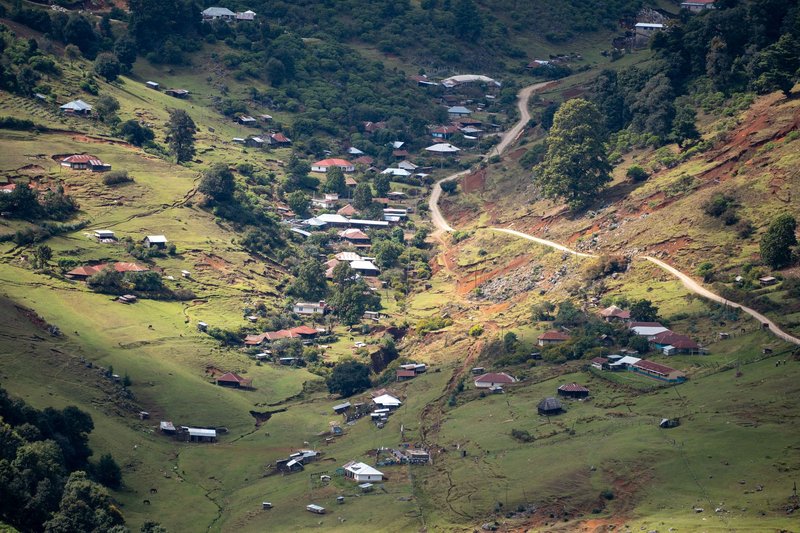
PNG is the outlier. It has roughly 10 million people, more than all the other Pacific island countries combined, and more than 800 languages. It has gold, copper and one of the region’s largest liquefied natural gas projects. On paper that should lift incomes. It doesn’t, because most people live in rural highland and coastal villages and grow their own food, outside the cash economy that mining income flows through.
Poverty is widest here. The national poverty headcount in the World Bank series is 39.9%, the highest in Oceania. The World Bank’s PNG overview points to weak roads, uneven law and order, and thin public services outside Port Moresby as the main brakes. Resource money also swings with commodity prices, so GDP per capita can jump or sink without much change in village life.
4. Vanuatu
Vanuatu, with around 330,000 people on about 80 islands, lives on tourism, agriculture (kava, copra, cocoa, beef) and foreign aid. It ranks near the bottom mostly because it keeps getting reset. Cyclone Pam in 2015 wiped out a large share of national output, and two strong cyclones, Judy and Kevin, struck within days of each other in 2023. A damaging earthquake hit Port Vila in December 2024. Every rebuild uses money that could have gone into growth.
5. Federated States of Micronesia
FSM spreads about 100,000 people over four states and more than 600 islands in the western Pacific. Its economy runs on grants under a Compact of Free Association with the United States, plus tuna licence fees. Government spending dominates, the private sector is small, and many working-age people emigrate to Guam, Hawaii and the US mainland under the Compact’s visa-free rules. The money they send home keeps households afloat but doesn’t build local business.
Why rankings of the poorest countries in Oceania disagree
Search two lists and you’ll get two answers. Four differences explain nearly all of it.
1. Nominal GDP vs PPP. Nominal GDP per capita converts local output to US dollars at market exchange rates. PPP adjusts for what money buys locally. For Solomon Islands, the IMF figure is $2,295 nominal and Int. $2,728 at PPP. A bag of rice and a bus ride cost less in Honiara than in Sydney, so PPP numbers run higher for poorer countries, and the order between countries can shift.
2. GDP vs poverty headcount. GDP per capita is an average. It says nothing about who gets the money. PNG has a higher GDP per person than Solomon Islands or Kiribati, but its national poverty rate of 39.9% is the highest in the region. Poverty headcounts are also built on each country’s own poverty line, so comparing them across borders is rough. They come from household surveys run every several years, sometimes a decade apart.
3. Data year. A 2019 page and a November 2026 page rank the same countries on different years. Kiribati at $1,641, the figure on one older ranking, was the lowest then. Fishing revenue, commodity swings, cyclones and IMF revisions all move the order, and at the bottom of the table the gaps are small enough that one year can flip it.
4. Sovereign states vs territories. Some lists mix in places like New Caledonia, French Polynesia, Guam and American Samoa. They aren’t independent, and they receive transfers from France or the US, so their incomes read very differently. This post uses sovereign states only.
FAQ
What is the poorest country in Oceania in 2026?
Solomon Islands, by GDP per capita: about $2,295 nominal in the IMF’s October 2026 data. If you measure by the share of people below the national poverty line, Papua New Guinea is poorest.
What is the richest country in Oceania?
By GDP per capita, Australia and New Zealand lead the 14 sovereign states, with Palau and Nauru well above the Pacific island average.
Is Kiribati poorer than Solomon Islands?
In current IMF data, Kiribati ranks second poorest, just above Solomon Islands. Older lists put Kiribati first. Tuna licence income and data revisions can reverse the two between years.
What is the poverty rate in Papua New Guinea?
The World Bank series records 39.9% of people below the national poverty line, the highest figure in Oceania. For the Kiribati poverty rate and others, check each country’s household income and expenditure survey, since those are updated less often than GDP.
Does low GDP per capita mean a place is unsafe or unpleasant to visit?
No. GDP measures output, not safety or hospitality. Kiribati and Vanuatu have very different travel profiles from Papua New Guinea, where security conditions vary by region and need checking before you go. Read your government’s current travel advice for the specific country.