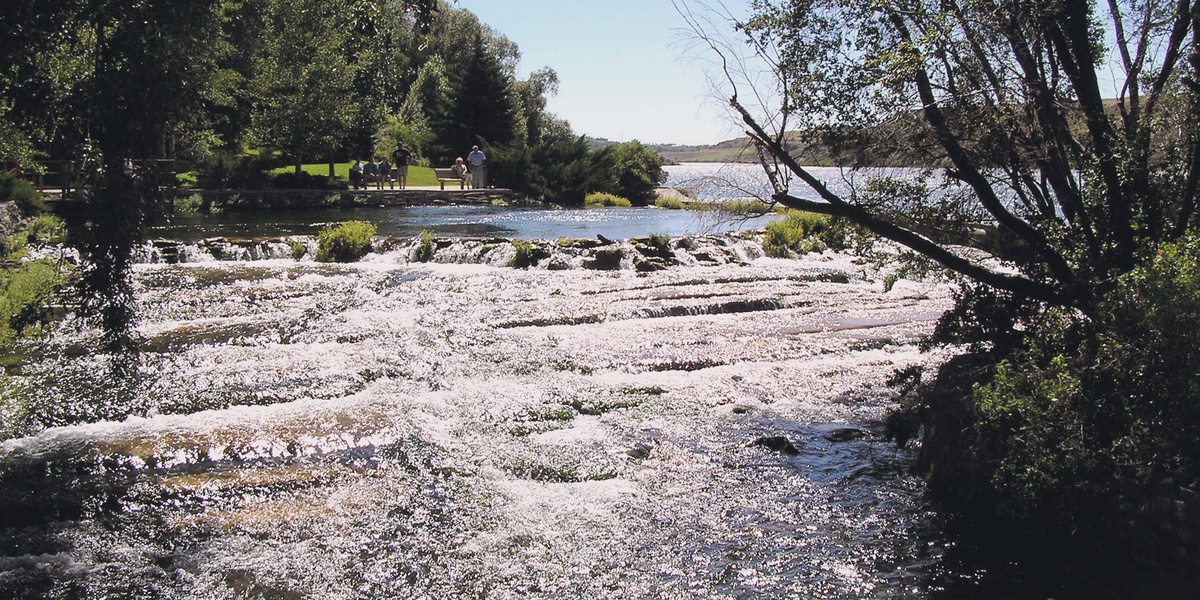
Many towns and coastlines hide tiny waterways that still carry history, wildlife and local pride. These short rivers can be surprising — easy to walk across yet important to their ecosystems and the communities around them.
There are 2 Smallest Rivers in the U.S., ranging from D River to Roe River. For each entry, data are organized with Length (m),State,Source & mouth, which you’ll find below.
How are the lengths of the smallest rivers measured?
Lengths come from a mix of official surveys, mapping data and local records, so reported values can vary by source and season; check the Length (m) column for the figure used here and the Source & mouth column for how each measurement was determined.
Can I visit the D River and Roe River, and what should I expect?
Yes — both are accessible to the public: the D River is near the coast (short beach access) and the Roe River flows between local springs and a larger river; expect short walks, variable flow depending on weather, and basic signage rather than developed visitor facilities.
Smallest Rivers in the U.s.
| Name | Length (m) | State | Source & mouth |
|---|---|---|---|
| Roe River | 61 (201 ft) | Montana | Giant Springs to Missouri River, Great Falls |
| D River | 37 (120 ft) | Oregon | Devil’s Lake to Pacific Ocean at Lincoln City |
Images and Descriptions
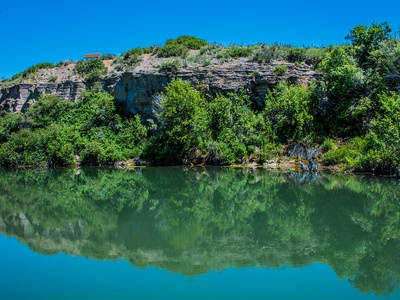
Roe River
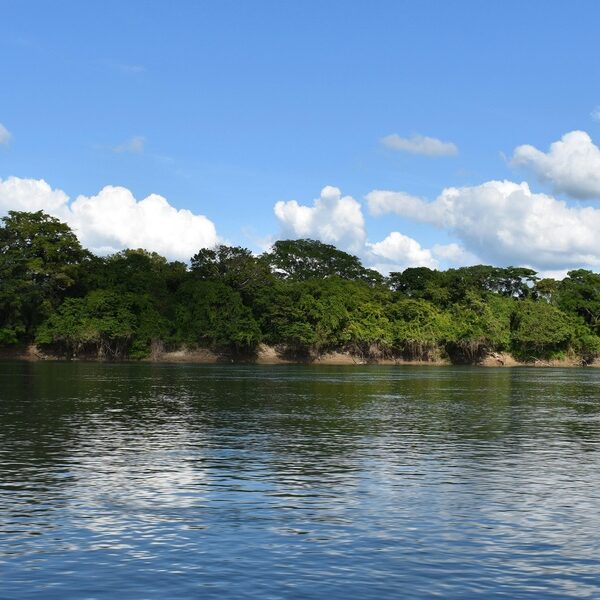
At about 61 m (201 ft), the Roe River in Great Falls, Montana, was once listed as the world’s shortest river. It flows from Giant Springs into the Missouri River; notable for official measurements and local trivia about its tiny, spring-fed course.
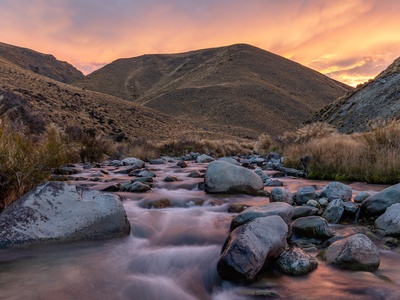
D River
The D River in Lincoln City, Oregon, is famously short—commonly measured around 37 m (120 ft) from Devil’s Lake to the Pacific. Tide-driven length varies, so measurements and “world’s shortest” claims depend on when and how it’s measured.