Cambodia’s language landscape reflects its history and regional ties: Khmer dominates national life, while a patchwork of minority tongues persists in provinces, border zones and upland communities. Everyday speech, education and local administration all show how languages map onto identity and place across the country.
There are 10 Official Languages in Cambodia, ranging from Bunong to Vietnamese. For each language you’ll find the Legal status, Native speakers (%) and Regions spoken in the table you’ll find below.
Which languages are legally recognized and used in government or education in Cambodia?
Khmer is Cambodia’s official national language and is used in government, courts and public education; most other languages are treated as minority or community languages, with local use in schools, cultural programs or regional administration depending on need and resources rather than broad national legal status.
How common are minority languages like Bunong and Vietnamese, and where are they spoken?
Minority languages vary widely: some, like Vietnamese, have sizable communities near borders and urban areas, while others such as Bunong are concentrated in specific highland districts; overall Khmer remains the first language for the vast majority, with minority tongues representing smaller but locally important shares.
Official Languages in Cambodia
| Language | Legal status | Native speakers (%) | Regions spoken |
|---|---|---|---|
| Khmer | Constitutional official language | 90.00% | Nationwide; Phnom Penh and all provinces |
| English | De facto working language in education, business, tourism | 0.30% | Phnom Penh, Siem Reap, Sihanoukville, universities, tourist hubs |
| French | Historical official; limited de facto use in law, education, diplomacy | 0.30% | Phnom Penh, legacy schools, legal and cultural circles |
| Cham | Recognized minority language; used in community and religious life | 1.20% | Kampong Cham, Kampong Chhnang, Prey Veng, Kampot, Kandal |
| Vietnamese | Minority language with notable local communities; limited official recognition | 1.00% | Phnom Penh, Kandal, Kep, Kampot, border/coastal areas |
| Chinese | Minority community language; used in business and ethnic networks | 0.80% | Phnom Penh, Sihanoukville, Kampot, coastal trade centers |
| Jarai | Indigenous Austronesian language; local community language | 0.20% | Ratanakiri, Mondulkiri (northeast) |
| Bunong | Indigenous Mon-Khmer language; local community language | 0.30% | Mondulkiri, Kratie provinces |
| Tampuan | Indigenous Mon-Khmer language of Ratanakiri highlands | 0.20% | Ratanakiri province (northeast highlands) |
| Kuy | Indigenous Mon-Khmer language spoken by Kuy communities | 0.40% | Kampong Thom, Preah Vihear, parts of northern Cambodia |
Images and Descriptions
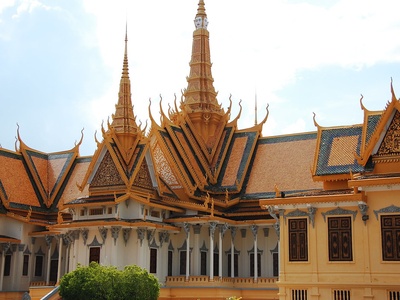
Khmer
Khmer is Cambodia’s official state language, used in government, courts, public education, national media, and daily life. Standard Khmer is taught in schools and remains the primary language of administration, signage, and most households across the country.

English
English functions as the main foreign lingua franca in private education, NGOs, tourism, and international business. Widely taught in schools and universities, it is common among younger urban professionals and those working with foreigners.
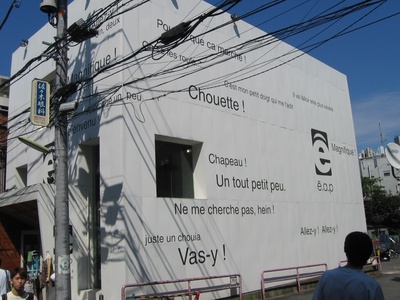
French
French retains a cultural and institutional presence from the colonial period and is used in some higher education, legal training, and cultural institutes. Everyday use is limited compared with English, but French-language programs persist.

Cham
Cham is spoken by the Cham Muslim and some Cham Buddhist communities in riverine lowlands, used at home, in mosques, and in community schools. It has its own literary traditions and remains a strong identity marker.
Vietnamese
Vietnamese is used by ethnic Vietnamese communities in urban neighborhoods and border/coastal towns, often in commerce and family life. Political sensitivity affects public recognition, but the language is important in market and cross-border interactions.

Chinese
Chinese varieties (Teochew, Cantonese, Mandarin) are spoken within ethnic Chinese communities and commercial networks. Mandarin has grown with trade and schooling, while heritage varieties persist in family and business settings.
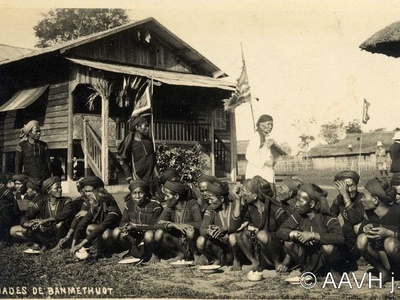
Jarai
Jarai is an Austronesian language of highland communities in the northeast, used in daily life and local ceremonies. It remains central to Jarai cultural identity but faces pressure from Khmer-language education and migration.
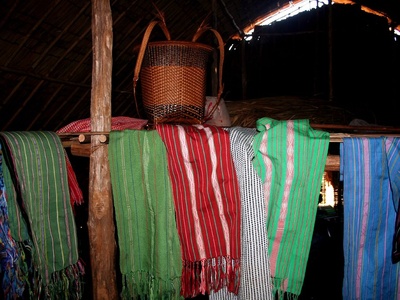
Bunong
Bunong (Pnong) is a Mon-Khmer language of the eastern highlands, spoken in villages and used in traditional religion and oral culture. Community initiatives support the language amid growing Khmer influence and out-migration.
Tampuan
Tampuan is spoken by Tampuan communities in Ratanakiri, central to local customs and intergenerational transmission. It is primarily a village language and faces pressures from schooling and economic change.
Kuy
Kuy (Kuay) is used by indigenous Kuy people across central and northern provinces, tied to traditional livelihoods and animist practices. The language persists in rural areas though younger speakers often shift toward Khmer for education and jobs.