featured_image

Languages in Saint Vincent and the Grenadines

A concise guide to the Languages Spoken in Saint Vincent and the Grenadines, listing six key entries with status, estimated speakers, and where each language is used. Learn about the official role of English, the prevalence of Vincentian Creole, and other local and historical languages that shape culture and communication across the islands.

Continue reading
0 Comments
featured_image

List of Lesotho Ethnic Groups

This post lists the 12 Lesotho Ethnic Groups and summarizes each by population share, primary language(s), and main region(s). Learn about the Basotho majority and the country’s smaller communities to better understand Lesotho’s demographic and cultural landscape.

Continue reading
0 Comments
featured_image

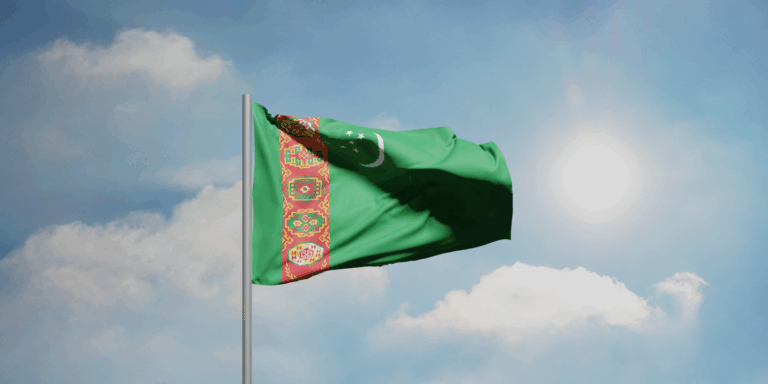
Languages Spoken in Turkmenistan: The Complete List

This post lists all 14 languages spoken in Turkmenistan, providing each language’s status, estimated speaker percentage, and main regions of use. Explore concise profiles for Turkmen, Russian, and minority tongues to understand the country’s linguistic landscape and regional distributions.

Continue reading
0 Comments
featured_image

Languages Spoken in New Zealand: The Complete List

Explore the complete list of languages spoken in New Zealand with this comprehensive guide covering 59 languages. For each language we provide speaker counts, percentage of the population, and primary regions — including English, te reo Māori, and Pacific and Asian languages. Whether you’re researching demographics, planning to visit, or learning a language, discover how linguistic diversity shapes New Zealand today.

Continue reading
0 Comments
featured_image

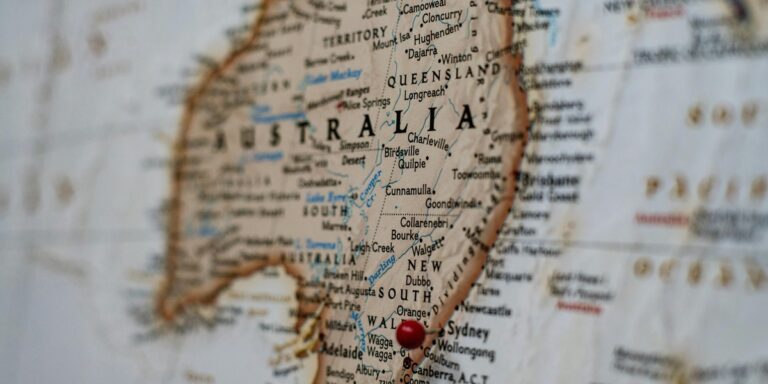
The Complete List of Languages Spoken In Australia

Explore the complete list of Languages Spoken in Australia in this comprehensive guide. We profile 32 languages — from English and Aboriginal languages to immigrant languages — with speaker counts (number and percentage), the states and territories where they are spoken, and their language families. Perfect for students, researchers, and anyone curious about Australia’s linguistic landscape.

Continue reading
0 Comments
featured_image

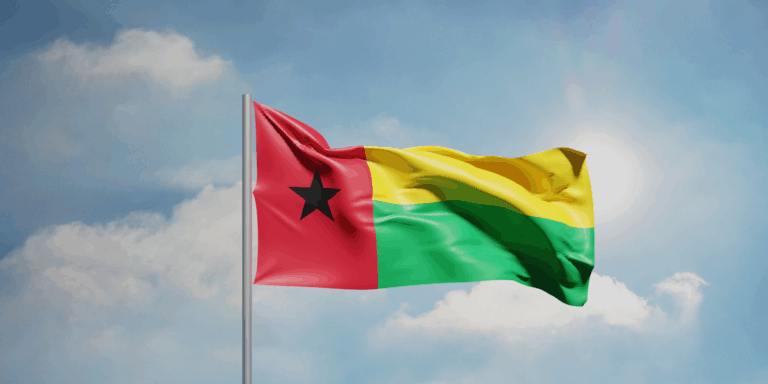
Official Languages in Guinea-Bissau

Explore the official languages in Guinea-Bissau, including Portuguese (the formal official language) and Guinea-Bissau Creole (the widely used lingua franca), plus regional indigenous languages. This post summarizes legal status, estimated speaker shares and main regional uses to help travelers, researchers, and language enthusiasts understand how languages function in government, education and everyday life.

Continue reading
0 Comments
featured_image

Official Languages in Zambia: The Complete List

This post lists the 8 Official Languages in Zambia, detailing each language’s status, primary regions, and estimated number of speakers. Explore concise profiles for English, Bemba, Nyanja, Tonga, Lozi, Kaonde, Lunda, and Luvale to understand their regional influence and speaker communities.

Continue reading
0 Comments
featured_image

Official Languages in Liechtenstein

This post explains the official languages in Liechtenstein, outlining their legal status, where they are used, and who speaks them. Learn about the role of German in public life, regional language use, and practical implications for visitors and residents.

Continue reading
0 Comments
featured_image

The Complete List of Languages Spoken In Togo

This post lists all 35 languages spoken in Togo and provides concise details on each language’s family, estimated speaker numbers, and regional status. Ideal for linguistics students, travelers, and anyone curious about Togo’s cultural and linguistic landscape, the guide highlights major tongues like Ewe, Mina, and Kabye alongside lesser-known regional languages.

Continue reading
0 Comments
backup_image

List of Indigenous Languages in Moldova

This post lists 10 Indigenous Languages in Moldova, providing estimated speaker counts, main regions, and legal/status notes for each language. It highlights majority and minority tongues — including Romanian (Moldovan), Gagauz, Russian and others — and gives cultural and regional context useful for researchers, students, and travelers interested in Moldova’s linguistic landscape.

Continue reading
0 Comments