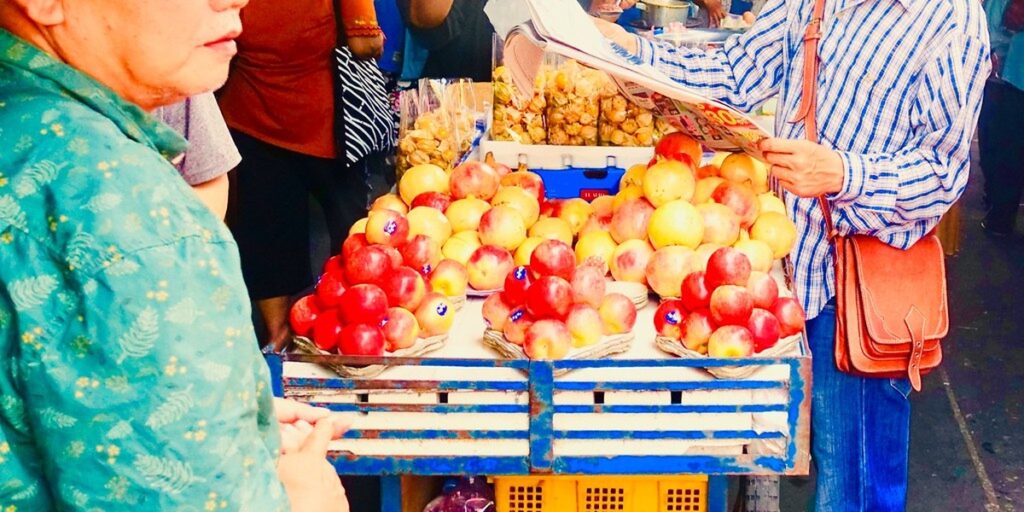
Somalia’s cities and coastal towns are full of everyday moments where a few words in the local language open doors — from market haggling to asking for directions or sharing thanks. Travelers who learn simple phrases often find friendlier interactions and smoother days on the road.
There are 58 Useful Phrases for Tourists in Somalia, ranging from Aad baad u mahadsantahay to Xagee?. For each phrase you’ll find below English translation,Pronunciation,Context so you can see what to say, how to say it, and when to use it — you’ll find below the full list organized for quick lookup.
How can I practice these Somali phrases before my trip?
Use short, daily practice sessions: listen to native audio (or pronunciation guides), repeat aloud, and role-play common scenarios like greetings or ordering food. Flashcards and saying phrases in context (e.g., mock market bargaining) help retention faster than isolated memorization.
Are these phrases suitable across different regions of Somalia?
Most everyday phrases are widely understood, but dialect and pronunciation vary by region; stick to simple, polite expressions and watch locals’ reactions. If you plan to spend time in a specific area, learn a few local variations or ask a friendly local to confirm pronunciation.
Useful Phrases for Tourists in Somalia
| Somali phrase | English translation | Pronunciation | Context |
|---|---|---|---|
| As-salaamu calaykum | Peace be upon you | ahs-sah-lah-moo ah-lay-kum | Formal greeting |
| Waad salaaman tihiin | Hello (you plural) or formal hello | waad sah-laa-man tee-heen | Formal or plural hello |
| Subax wanaagsan | Good morning | soo-bahk waan-sah-gahn | Morning greeting |
| Galab wanaagsan | Good afternoon | gah-lab waan-sah-gahn | Afternoon greeting |
| Habeen wanaagsan | Good night | hah-bayn waan-sah-gahn | Parting at night |
| Iska warran? | How are you? | iss-kah wah-ran | Casual “How are you?” |
| Waan fiicanahay | I’m fine | waan if-fah-nah-hay | Reply to “How are you?” |
| Mahadsanid | Thank you | mah-had-san-id | Polite thanks |
| Aad baad u mahadsantahay | Thank you very much | ahd baad oo mah-had-san-tah-hay | Strong thanks |
| Nabad gelyo | Goodbye/Go in peace | nah-bad gehl-yo | Parting phrase |
| Fadlan | Please | fad-lan | Polite request |
| Iga raalli noqo | Excuse me/I’m sorry | ee-ga rah-lee noh-koh | Get attention/apologize |
| Ma fahmin | I don’t understand | mah fahm-meen | When you don’t understand |
| Wax yar Soomaali baan ku hadlaa | I speak a little Somali | wax yar so-maa-lee baan koo hahd-laa | Mention language ability |
| Ma Ingiriisi baad ku hadashaa? | Do you speak English? | mah in-gi-ree-see baad koo hah-dah-shah? | Ask if someone speaks English |
| Haa | Yes | haa | Affirmative reply |
| Maya | No | mah-yah | Negative reply |
| Magacaygu waa… | My name is… | mah-ga-cay-gu waa | Introduce yourself |
| Mar kale, fadlan | Again, please/Repeat please | mar kah-leh fad-lan | Ask for repetition |
| Xagee? | Where? | xah-geh | Ask location of something |
| Musqusha xaggee buu yaal? | Where is the bathroom? | moos-koo-shah xag-geh boo yoo yahl | Ask for restroom location |
| Waan lumay/Waan lumtay | I’m lost (male/female) | waan loo-may/waan loo-mtay | Tell someone you’re lost |
| Bidix | Left | bee-deex | Give or follow directions |
| Midig | Right | mee-deeg | Give or follow directions |
| Si toos ah | Straight ahead | see toohs ah | Directions (go straight) |
| Taksi i qaad | Take me by taxi | tak-see ee kah-ad | Hailing a taxi/asking driver |
| Baska xagee ka tagaa? | Where does the bus leave from? | bas-ka xag-geh ka tah-gah | Find bus departures |
| Qiimaha immisa yahay? | How much is the price? | kee-mah-ha im-mee-sa ya-hay | Ask a price (fare or goods) |
| Joogsi, fadlan | Stop, please | joog-see fad-lan | Ask driver to stop |
| Hoteel wanaagsan ma jiraa? | Is there a good hotel? | hoh-teel waan-sahng-in mah jir-rah | Ask about accommodation |
| Qol banaan ma jiraa? | Is a room available? | qol bah-nahn mah jir-rah | Ask hotel/guesthouse availability |
| Qol baan rabaa | I want a room | qol baan rah-bah | Request a room at a hotel |
| Cunto baan rabaa | I want food | koon-toh baan rah-bah | Order food/request a meal |
| Biyo, fadlan | Water, please | bee-yo fad-lan | Request water |
| Cabitaan qabow ma haysaa? | Do you have a cold drink? | cah-bee-tan kah-bow mah high-sah | Ask about beverages |
| Anigu hilib ma cuni karo | I cannot eat meat | ah-nee-gu hee-lib mah coo-nee kah-roh | State dietary restriction |
| Sawir ayaan kaa qaadi karaa? | May I take a photo of you/this? | sah-weer ah-yahn kah-ah kah-ah-dee kah-rah | Ask to take a photo |
| Biilka, fadlan | The bill, please | bee-il-kah fad-lan | Ask for the check |
| Immisa? | How much? | im-mee-sa | Short price question |
| Qiimaha la dhimi karaa? | Can the price be reduced? | kee-mah-ha lah dhee-mee ka-rah | Haggle for a lower price |
| Lacag caddaan ma qaadataa? | Do you accept cash? | lah-cag cad-daan mah kah-ah-dah-tah | Ask about payment method |
| Kaarka ma qaadataa? | Do you accept cards? | kaa-arkah mah kah-ah-dah-tah | Ask about card payments |
| Tani waa qaali | This is expensive | tah-nee waa kwaa-lee | Express that price is high |
| Tani waan iibsanayaa | I’ll buy this | tah-nee wahn ee-bah-sah-nah-yah | Confirm a purchase |
| Kani ma cusub yahay? | Is this new? | kah-nee mah coos-ub ya-hay | Ask about condition of item |
| Caawi! | Help! | cha-wee | Emergency cry for help |
| Dhakhtar ayaan u baahanahay | I need a doctor | dahk-tar ah-yahn oo boo-han-ah-hay | Request medical help |
| Ambalaas wac | Call an ambulance | am-bah-laas wack | Request emergency transport |
| Boolis wac | Call the police | bohl-is wack | Request police assistance |
| Waan dhaawacmay/Waan dhaawacantay | I’m injured (male/female) | waan dha-ah-wac-may/waan dha-ah-wac-an-tay | Tell someone you’re hurt |
| Waan xanuunsanahay | I’m sick | waan kha-noon-san-ah-hay | Report illness |
| Isbitaalka xagee buu yaal? | Where is the hospital? | is-bee-tal-ka xag-geh boo yoo yahl | Find nearest hospital |
| Kow | One | kow | Counting/quantities |
| Laba | Two | lah-bah | Counting/quantities |
| Saddex | Three | sad-dex | Counting/quantities |
| Afar | Four | ah-far | Counting/quantities |
| Shan | Five | shan | Counting/quantities |
| Toban | Ten | toh-ban | Counting/quantities |
Descriptions
As-salaamu calaykum
A common Islamic greeting used throughout Somalia. Use it when entering shops, meeting people, or starting conversations. It’s polite and often reciprocated with “Waa salaaman tihiin” or “Wa calaykum salaam.” Suitable for formal and informal settings.
Waad salaaman tihiin
A respectful greeting for groups or formal situations. For one person use “Waad salaaman tahay.” Use this to address elders, shopkeepers, or multiple people. Tone shows respect; pair with a slight nod or handshake if offered.
Subax wanaagsan
Common morning salutation used from dawn until late morning. Polite and friendly; merchants and hosts often reply in kind. Use when entering markets, cafes, or meeting people early in the day.
Galab wanaagsan
Used from midday through late afternoon. A polite, neutral greeting suitable for casual encounters and formal meetings alike. Helps establish friendly rapport with shopkeepers, drivers, and hotel staff.
Habeen wanaagsan
A polite way to say good night when leaving evening gatherings or before sleeping. Often used among hosts and guests. Saying this shows courtesy and appreciation for hospitality.
Iska warran?
A common informal question meaning “How are you?” Use with acquaintances, shopkeepers, or hosts. Expect a brief reply like “Wanaagsan” (good). It’s a friendly conversation starter; follow with “Waad salaaman tahay.”
Waan fiicanahay
Simple positive response meaning “I’m fine.” Suitable after “Iska warran?” or “Sidee tahay?” You can add “mahadsanid” (thank you) to be polite. Both genders use this form comfortably.
Mahadsanid
A common, polite way to say “thank you.” Use it for small favors, purchases, or help. For stronger thanks say “Aad baad u mahadsantahay.” Responders often say “Adigaa mudan” (you’re welcome).
Aad baad u mahadsantahay
A more emphatic expression of gratitude. Use after major help, generous hospitality, or kindness. Formal and heartfelt; recipients typically respond warmly. Good to use with hosts, guides, or anyone who went above expectations.
Nabad gelyo
A common farewell meaning “go in peace.” Use when leaving friends, shops, or neighborhoods. It conveys goodwill and is appropriate in both casual and formal departures.
Fadlan
The basic polite word for requests. Insert before or after a request (e.g., “Biyo, fadlan”). Widely used and appreciated; using it makes interactions smoother, especially in markets and with service staff.
Iga raalli noqo
Use to apologize for minor mistakes, to get past someone, or to ask forgiveness. Very polite; helps defuse small cultural missteps. For casual nudges you can also say “Iga raalli ahow.”
Ma fahmin
Essential when language gaps occur. Use to prompt a repeat or simpler explanation. Follow with “Mar kale, fadlan” (again, please) or “Wax yar Soomaali baan ku hadlaa” (I speak a little Somali).
Wax yar Soomaali baan ku hadlaa
Handy to set expectations and encourage patience. Locals appreciate any attempt at Somali, even a few words. Use before asking complex questions; people may switch to simpler Somali or English.
Ma Ingiriisi baad ku hadashaa?
Useful to find an English speaker. Polite and direct. If they don’t, follow with “Wax yar Soomaali baan ku hadlaa.” Many people in urban areas speak some English; rural areas less so.
Haa
Simple affirmative. Pronounced like English “ha.” Combine with other phrases, e.g., “Haa, waan rabaa” (Yes, I want it). Use freely in all contexts.
Maya
Simple negative. Polite but direct; in sensitive contexts, you can soften with “Maya, mahadsanid” (No, thank you).
Magacaygu waa…
Standard self-introduction starter. Follow with your name. Somalis often appreciate a brief greeting plus name; you can add “Farax ayaan ku kulmay” (nice to meet you) or “Aad baan kuu faraxsanahay.”
Mar kale, fadlan
Useful when you miss information or directions. Polite and commonly used. Combine with “Si tartiib ah u hadal, fadlan” (speak slowly please) for clarity.
Xagee?
A short question to begin location queries. Combine with a noun: “Isbitaalka xagee?” Use in markets, streets, and asking passersby. A quick and essential travel term.
Musqusha xaggee buu yaal?
Polite and necessary. Pronounce clearly; add “fadlan” to be polite. In sensitive settings, ask a same-gender attendant if possible to respect privacy norms.
Waan lumay/Waan lumtay
Use to get help from locals if you lose your way. First form is masculine, second feminine. Follow with “Fadlan, i caawi” (Please help me) to ask for directions or escort.
Bidix
Short directional word used by drivers and locals. Combine with “u” or “taagan”: “Bidix u leexo” (turn left). Pronunciation easy; gestures often accompany directions.
Midig
Used widely; pair with “u leexo” for “turn right.” People often point as well, so use spoken word plus gesture for clarity.
Si toos ah
Common when asking to continue forward. Can be used in urban or rural settings. Very useful in giving simple walking or driving directions.
Taksi i qaad
Direct request to a driver to take you somewhere. “Taksi” is commonly used; always agree on a fare beforehand or ask “Qiimaha immisa yahay?” to avoid confusion.
Baska xagee ka tagaa?
Useful at terminals and in towns. Ask staff or locals for the platform or departure point. Bus systems vary by region; be prepared for informal schedules.
Qiimaha immisa yahay?
A polite way to ask cost. Use in taxis, markets, and hotels. Haggling is common in markets; start lower than your target and be friendly.
Joogsi, fadlan
Useful when in a vehicle and you want to disembark. Polite and clear. Drivers understand if you indicate a nearby landmark while saying this.
Hoteel wanaagsan ma jiraa?
Ask locals or taxi drivers for recommendations. “Hoteel” is a commonly used loanword; specify budget or features for better suggestions.
Qol banaan ma jiraa?
Short and practical at receptions. Add “Qiimaha immisa yahay?” to ask price. During busy seasons, book ahead in larger towns.
Qol baan rabaa
Simple, direct phrase at a reception. Follow with the number of nights: “Habeynno …”. Politeness helps; hotels may ask for identification or payment.
Cunto baan rabaa
Useful in restaurants and with street vendors. Combine with specifics like “Kalluun” (fish) or “Bariis” (rice). Saying “fadlan” softens the request.
Biyo, fadlan
Essential phrase. Ask for “biyo” in restaurants or shops. If you need bottled water, say “Biyo dhalo ah, fadlan” (bottled water, please).
Cabitaan qabow ma haysaa?
Useful at cafes, stalls, and shops. “Cabitaan qabow” covers sodas, juices, and chilled drinks. Add “Biyo” for water specifically.
Anigu hilib ma cuni karo
Use to explain dietary restrictions politely. Useful in homes and restaurants; hosts often appreciate the clarity. You can replace “hilib” with other foods as needed.
Sawir ayaan kaa qaadi karaa?
Always ask permission before photographing people or private property. Saying this shows respect. Some places (religious sites, military areas) prohibit photos.
Biilka, fadlan
Polite way to request the bill in restaurants and cafes. Saying it promptly helps staff close your table. “Imisa ayaa iigu kacaysa?” asks “How much will it cost?”
Immisa?
A concise single-word price inquiry. Useful in markets and taxis. Combine with the item name or point to what you mean. Expect bargaining in many markets.
Qiimaha la dhimi karaa?
Polite haggling phrase for markets. Haggling is common; always smile and negotiate respectfully. Try counteroffers and settle when both parties seem satisfied.
Lacag caddaan ma qaadataa?
Useful in shops and services; many places prefer cash. For cards ask “Kaarka ma qaadataa?” Clarify currency (Somali shilling vs. dollars) if needed.
Kaarka ma qaadataa?
Ask at restaurants, hotels, and shops. Cards may not be widely accepted outside cities. If accepted, confirm which cards (Visa, Mastercard) are usable.
Tani waa qaali
A polite comment to express that an offer is too costly. Can prompt sellers to offer a lower price. Use gently to avoid offense.
Tani waan iibsanayaa
Phrase to finalize a purchase. Helpful after agreeing on price. Sellers appreciate quick clarity; add “Mahadsanid” after payment.
Kani ma cusub yahay?
Useful when buying goods; clarifies if item is new or used. Helpful in markets for electronics, clothing, or household items.
Caawi!
Short, immediate call for assistance. Use in danger or urgency. People respond quickly; follow with brief explanation like “Waan dhaawacmay” (I’m injured) or point to the problem.
Dhakhtar ayaan u baahanahay
Use at clinics, hotels, or with passersby. Prompt phrase when health emergencies occur. Follow by location details and, if possible, phone numbers.
Ambalaas wac
Direct command to call emergency medical transport. “Ambalaas” is commonly understood. Use in serious medical situations; provide location and nature of injury when possible.
Boolis wac
Use for theft, assault, or safety issues. Police response varies by area; in cities they are more accessible. Provide clear location and a short explanation of the incident.
Waan dhaawacmay/Waan dhaawacantay
Report injuries to helpers, staff, or emergency responders. First form is masculine, second feminine. Follow with location and how it happened for faster care.
Waan xanuunsanahay
Use to explain illness to hosts, hotel staff, or health workers. Provide symptoms if possible. Helpful when seeking a clinic or medicine; follow up with “Dhakhtar” or “Isbitaalka.”
Isbitaalka xagee buu yaal?
Essential in medical situations. Ask locals or taxi drivers immediately. If possible, have the hospital name ready; urban centers have better facilities than remote areas.
Kow
Basic number used in purchases, directions, and counting. Easy to pronounce and essential for small transactions and communicating quantities.
Laba
Second number; useful for quantities, room bookings, and negotiations. Combine with nouns (e.g., “Laba qol” = two rooms).
Saddex
Third number for ordering, bargaining, or giving counts. Pronounce clearly when telling prices or quantities.
Afar
Fourth number; useful for group sizes, tickets, or market purchases. Common in everyday interactions.
Shan
Five; used in markets, transportation, and basic counting. Helpful when negotiating or specifying amounts.
Toban
Ten; useful for fares, prices, and larger counts. Combine with other numbers for more complex amounts (e.g., “labaatan” for twenty).