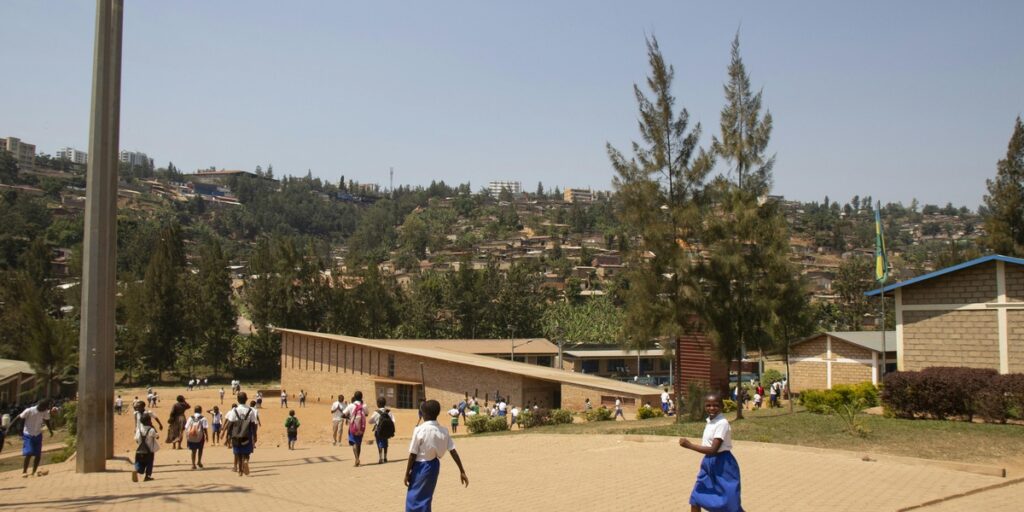
Rwanda’s hills, markets and guesthouses are full of friendly encounters that go smoother with a few local phrases. A little effort with language opens doors — for directions, greetings and simple purchases — and makes travel more relaxed and respectful.
There are 73 Useful Phrases for Tourists in Rwanda, ranging from “Aho bwiherero buri hehe?” to “Yego”. Each entry is organized with English translation,Pronunciation,Context so you can learn what to say, how to say it, and when to use it — you’ll find below.
How can I practice these phrases before my trip?
Listen to native speakers (audio guides or language apps), repeat short chunks aloud, and practice role-playing common situations like asking for directions or ordering food. Focus on pronunciation and the provided Context so your words match local expectations.
Will these phrases work in both cities and rural areas?
Yes — most are everyday expressions useful anywhere, though delivery may differ. Being polite and using basic greetings goes a long way; rely on the Context column to choose more formal or casual variants depending on whether you’re in Kigali or a village.
Useful Phrases for Tourists in Rwanda
| Phrase (Kinyarwanda) | English translation | Pronunciation | Context |
|---|---|---|---|
| Muraho | Hello | moo-rah-hoh | General greeting |
| Mwaramutse | Good morning | mwa-rah-moot-seh | Morning greeting |
| Mwiriwe | Good afternoon/evening | mwee-ree-weh | Afternoon/evening greeting |
| Amakuru? | How are you?/What’s the news? | ah-mah-koo-roo | Casual greeting |
| Bite? | How are things?/How are you? | bee-teh | Very informal greeting |
| Murabeho | Goodbye | moo-rah-beh-hoh | Farewell |
| Urakoze | Thank you (singular/informal) | oo-rah-ko-zeh | Thanking one person |
| Murakoze | Thank you (plural/formal) | moo-rah-ko-zeh | Thanking a group or formally |
| Murakoze cyane | Thank you very much | moo-rah-ko-zeh chah-nay | Stronger thanks |
| Nyabuneka | Please | nyah-boo-neh-kah | Polite request |
| Mbabarira | Excuse me / Sorry | m-bah-bah-ree-rah | Apology or to get attention |
| Yego | Yes | yeh-go | Affirmative reply |
| Oya | No | oh-yah | Negative reply |
| Ndashaka amazi | I want water | en-dah-shah-kah ah-mah-zee | Ordering drinks |
| Nkeneye taxi | I need a taxi | en-keh-neh-yeh tahk-see | Calling transport |
| Ni angahe? | How much is it? | nee ahn-gah-heh | Asking price |
| Mushobora kumfasha? | Can you help me? | moo-shoh-boh-rah koom-FAH-shah | Asking for assistance |
| Ndabuze inzira | I’m lost | n-dah-boo-zeh een-zee-rah | When you can’t find your way |
| Ikibuga cy’indege kiri hehe? | Where is the airport? | ee-kee-boo-gah chee een-deh-geh kee-ree heh-heh | Asking for airport directions |
| Aho bwiherero buri hehe? | Where is the bathroom? | ah-ho boo-ee-heh-reh-roh boo-ree heh-heh | Asking for the toilet |
| Jya iburyo | Turn right | jah ee-boo-ryoh | Directions while walking/driving |
| Jya ibumoso | Turn left | jah ee-boo-moh-soh | Directions left |
| Jya imbere | Go straight | jah eem-PEH-reh | Directions forward |
| Hagarara hano | Stop here | hah-gah-rah-rah hah-noh | Ask driver/passenger to stop |
| Tegereza | Wait | teh-geh-reh-zah | Ask someone to wait |
| Ni saa ngapi? | What time is it? | nee sah ahn-gah-pee | Asking for the time |
| Rimwe | One | ree-mweh | Counting, prices, small numbers |
| Kabiri | Two | kah-bee-ree | Counting, prices |
| Gatatu | Three | gah-tah-too | Counting, prices |
| Kane | Four | kah-neh | Counting, prices |
| Gatanu | Five | gah-tah-noo | Counting, prices |
| Gatandatu | Six | gah-tah-n-dah-too | Counting, prices |
| Karindwi | Seven | kah-rin-dwee | Counting, prices |
| Umunani | Eight | oo-moo-nah-nee | Counting, prices |
| Icyenda | Nine | ee-chyen-dah | Counting, prices |
| Icumi | Ten | ee-choo-mee | Counting, prices |
| Ndashaka kurya | I want to eat | en-dah-shah-kah koo-ryah | Ordering food |
| Ndashaka amazi meza | I want drinking water | en-dah-shah-kah ah-mah-zee meh-zah | Request clean water |
| Ntabwo ndya inyama | I don’t eat meat | en-tah-boh n-dee-yah een-yah-mah | Dietary restriction |
| Ndashobora kwishyura n’ikarita? | Can I pay by card? | en-dah-shoh-boh-rah kwee-shee-yoo-rah n ee-kah-ree-tah | Asking about card payments |
| Iki ni angahe? | How much is this? | ee-kee nee ahn-gah-heh | Asking price in market |
| Nabuze pasiporo yanjye | I lost my passport | nah-boo-zeh pah-see-poh-roh yahn-jeh | Report lost passport |
| Hamagara polisi! | Call the police! | hah-mah-gah-rah poh-lee-see | Urgent help request |
| Nkeneye umuganga | I need a doctor | en-keh-neh-yeh oo-moo-gahn-gah | Medical emergency |
| Uvuga Icyongereza? | Do you speak English? | oo-voo-gah ee-chohn-geh-reh-zah | Asking language ability |
| Ndavuga Ikinyarwanda gito | I speak a little Kinyarwanda | en-dah-voo-gah ee-kee-nyah-rahn-dwah gee-toh | Show effort in local language |
| Simvuga Ikinyarwanda | I don’t speak Kinyarwanda | see-nvoo-gah ee-kee-nyah-rahn-dwah | Explain language barrier |
| Simvuga neza | I don’t speak well | see-nvoo-gah neh-zah | Humble about language skill |
| Vuga buhoro | Speak slowly | voo-gah boo-hoh-roh | Ask someone to slow down |
| Wabisubiramo nyabuneka? | Can you repeat that, please? | wah-bee-soo-bee-rah-moh nyah-boo-neh-kah | Ask for repetition |
| Farumasi iherereye hehe? | Where is the pharmacy? | fah-roo-mah-see ee-heh-reh-ray heh-heh | Asking for pharmacy location |
| Hari internet? | Is there internet/Wi‑Fi? | hah-ree een-tehr-neh-t | Ask about Wi‑Fi availability |
| Nta mafaranga mfite | I don’t have money | n-tah mah-fah-rahng-gah m-fee-teh | Explain you have no cash |
| Ndashaka kugura SIM card | I want to buy a SIM card | en-dah-shah-kah koo-goo-rah ess-ee-em kar-d | Buying a local SIM card |
| Mfite ikibazo | I have a problem | m-fee-teh ee-kee-syo-kah | Start of complaint/explanation |
| Banki iherereye hehe? | Where is the bank? | bahn-kee ee-heh-reh-ray heh-heh | Asking for bank location |
| Polisi iherereye hehe? | Where is the police station? | poh-lee-see ee-heh-reh-ray heh-heh | Locate police station |
| Hano ni amahoro? | Is it safe here? | hah-noh nee ah-mah-hoh-roh | Ask about safety in an area |
| Ndashaka gukodesha igare | I want to rent a bicycle | en-dah-shah-kah goo-ko-deh-shah ee-gah-reh | Renting bikes or scooters |
| Mfite uburwayi bwo kwihugura | I have a medical condition | m-fee-teh oo-boo-roh-whee boh kwee-hoo-gah-rah | Explain health condition to staff |
| Urashobora kumfata ifoto? | Can you take my photo? | oo-rah-shoh-boh-rah koom-fah-tah ee-foh-toh | Asking someone to take a picture |
| Turi kumwe na mushiki wanjye | I’m with my sister/brother | too-ree koo-mweh nah moo-shee-kee yahn-jeh | Introducing companions |
| Ifoto irabujijwe | Photography prohibited | ee-foh-toh ee-rah-boo-jee-zhay | Sign or warning explanation |
| Ndashaka icyumba | I want a room | en-dah-shah-kah ee-choo-mah | Booking accommodation |
| Funga umuzigo | Lock the luggage | foo-ngah oo-moo-zee-goh | Securing belongings |
| Bikore uko ubishoboye | Do your best | bee-koh-reh oo-koh oo-bee-show-yeh | Encouraging or polite request |
| Nywa amazi | Drink water | nee-wah ah-mah-zee | Offering or requesting a drink |
| Ntacyo | It’s okay/no problem | n-tchah-choh | Reassurance or reply to thanks |
| Guhagarika aha | Stop here (formal) | goo-hah-gah-ree-kah ah-hah | Formal stop instruction |
| Kunywa umuti ni gute? | How do I take this medicine? | koon-ywah oo-moo-tee nee goo-teh | Ask for medicine instructions |
| Ndi umugenzi | I am a tourist | en-dee oo-moo-gehn-zee | Introducing yourself on tours |
| Saba itike y’imodoka | Please give me a bus ticket | sah-bah ee-tee-keh yee-ee-moh-doh-kah | Buying bus tickets |
| Mbwira aho ndeba akarere | Show me the map/area | m-bee-rah ah-ho n-deh-bah ah-kah-reh-reh | Request directions with map help |
Descriptions
Muraho
A friendly, neutral hello you can use any time of day. Polite and widely understood; good opener when meeting people, shopkeepers or guides. Smile while saying it to show friendliness and respect.
Mwaramutse
Use before mid-day to greet hosts, staff, or market vendors. Formal and polite; people often reply with the same word. A warm way to start interactions, especially at guesthouses and cafes.
Mwiriwe
Use in the afternoon or early evening when meeting people. Polite and appropriate for restaurants, tours, or shops. It signals respect and helps build rapport with locals.
Amakuru?
A common conversational opener meaning “How are you?” or “Any news?” Useful in markets and casual chats. Accepts short replies like “Ni meza” (I am fine).
Bite?
Very casual and common among younger people and friends. Use only in relaxed informal settings; avoid with elders or formal situations unless invited to be casual.
Murabeho
A polite way to say goodbye when leaving a shop, guesthouse, or group. Formal and respectful; appropriate for hosts, guides, or when ending a conversation.
Urakoze
Use to thank an individual casually. Polite and appreciated; add “cyane” for extra gratitude. Nodding or a smile enhances the sincerity.
Murakoze
Polite way to thank staff or a group. Use in restaurants, hotels, or with guides. It’s respectful and commonly used in service encounters.
Murakoze cyane
Use to express deeper gratitude after a significant favor or service. Very polite and will be warmly received by Rwandans.
Nyabuneka
A key politeness word used when asking favors, ordering, or requesting help. Adding it softens requests and shows respect, important in Rwandan culture.
Mbabarira
Use to apologize for a mistake, to get past someone, or to get attention. Polite and versatile; useful in crowded markets or on buses.
Yego
Simple, clear yes. Use in conversations, confirming prices, directions, or when responding to questions. Universal and easily understood.
Oya
Simple and polite no. Use it gently if refusing a service, offer, or question. Pair with a smile where appropriate to avoid offense.
Ndashaka amazi
Direct, polite way to request water in a restaurant, shop, or from a vendor. Add “nyabuneka” for extra politeness. Helpful when traveling in hot weather.
Nkeneye taxi
Use to request a taxi from a hotel, hostel, or on the street. Taxi is widely understood as a loanword; staff will usually assist in finding one for you.
Ni angahe?
Essential when shopping in markets or negotiating services. Direct and commonly used; expect counters or bargaining in informal markets.
Mushobora kumfasha?
Polite request for help with directions, luggage, or problems. Using this phrase invites a helpful response; always thank the person afterward.
Ndabuze inzira
Clear way to say you’re lost; useful when asking locals or police for directions. People are usually willing to help guide you back to a main road or landmark.
Ikibuga cy’indege kiri hehe?
A specific, practical question when you need directions to the airport. Say the phrase at tourist desks, bus stations, or to taxi drivers.
Aho bwiherero buri hehe?
Polite and essential. Use in restaurants, parks, or public places. Saying it clearly avoids confusion; pointing helps if language is a barrier.
Jya iburyo
Short and useful for following directions from drivers or guides. Combine with “genda” (go) for clarity. Locals will often correct with gestures.
Jya ibumoso
Use when following directions. Short and direct; pair with pointing to avoid misunderstanding, especially in noisy places or bus stations.
Jya imbere
Common instruction when walking, biking, or taking a taxi. Drivers and guides use it frequently to indicate continuing straight ahead.
Hagarara hano
Useful when you want to get off or stop briefly. Polite and direct; use with a thank-you when exiting a vehicle.
Tegereza
Short, common verb to ask someone to wait a moment. Useful in shops, taxis, or when coordinating with guides.
Ni saa ngapi?
Handy when planning transport or tours. People may answer using “saa” (hour) system; carrying a watch helps cross-check responses.
Rimwe
Basic number used for counts, small purchases, and telling quantities. Easy to say and useful when buying single items or asking for one ticket.
Kabiri
Simple and practical for purchases, asking for two items, or negotiating shared fares with fellow travelers.
Gatatu
Use for small counts, ordering for groups, or negotiating prices for multiple items. Common and widely understood.
Kane
Useful for small group counts, table sizes, or ordering multiple items. Short and easy to remember.
Gatanu
Common for market purchases, splitting bills, or asking for five of something. Keeps transactions simple.
Gatandatu
Less common than lower numbers, but useful when counting or handling prices for small groups or items.
Karindwi
Use when counting days, items, or small quantities. Helpful when confirming group sizes on tours.
Umunani
Another useful number for ordering, booking, or checking quantities during travel activities.
Icyenda
Practical for market bargaining, small bookings, or telling quantities; part of the basic 1–10 set to help with transactions.
Icumi
Important for prices, tickets, and larger small-group counts. Knowing 1–10 helps a lot in markets and with transport fares.
Ndashaka kurya
Use when entering a restaurant or telling a host you’re ready to eat. Polite and direct; servers will understand and offer menus or recommendations.
Ndashaka amazi meza
Useful when asking for bottled or boiled water. Adding “meza” (good/clean) clarifies you want safe drinking water.
Ntabwo ndya inyama
Important for vegetarians or those avoiding meat. Say politely to restaurant staff; they will often suggest vegetable dishes or local alternatives.
Ndashobora kwishyura n’ikarita?
Use in shops, hotels, or tour offices to check card acceptance. Many urban places accept cards, but small markets may be cash-only.
Iki ni angahe?
Point at an item and use this phrase. Expect bargaining in informal markets; be polite and use “nyabuneka” to soften requests.
Nabuze pasiporo yanjye
Important phrase for police, embassy staff, or hotel managers. Say it calmly and seek help immediately; have photocopies of documents stored separately.
Hamagara polisi!
Use in emergencies requiring police response. Say it loudly to attract attention; follow up with location details or ask someone to make the call.
Nkeneye umuganga
Clear and direct when seeking medical help. Hotel staff, police, or locals can assist calling an ambulance or directing you to the nearest clinic.
Uvuga Icyongereza?
Polite way to find an English speaker. Useful in hotels, tours, or official situations. Many people in tourist areas speak English.
Ndavuga Ikinyarwanda gito
Phrases like this signal respect and open doors to friendlier interactions. Locals appreciate efforts, even a few words.
Simvuga Ikinyarwanda
Handy to set expectations and move to English or a translator. Polite and clear when you need help but can’t communicate in Kinyarwanda.
Simvuga neza
Use to manage expectations when trying to speak Kinyarwanda. People will often slow down or switch to English to help you.
Vuga buhoro
Useful when people speak too quickly. Saying this politely helps conversations be clearer and reduces misunderstandings.
Wabisubiramo nyabuneka?
Polite way to request repetition. Works well with “vuga buhoro” to ask for slower, repeated speech if you didn’t catch something.
Farumasi iherereye hehe?
Ask this when you need medicine or first-aid supplies. Helpful when feeling unwell or seeking over-the-counter remedies.
Hari internet?
Common in hotels, cafes, and guesthouses. Use it to check connectivity before planning calls or navigation; many places offer free or paid Wi‑Fi.
Nta mafaranga mfite
Useful when you can’t pay immediately. People may advise ATMs, bank locations, or accept alternative arrangements. Stay polite when explaining.
Ndashaka kugura SIM card
Ask this at phone shops or kiosks to get local data and calls. Bring ID and passport copy; sellers will help with registration, activation.
Mfite ikibazo
Useful to start explaining an issue to staff, guides, or police. Follow with the specific problem; people will usually try to help or call someone who can.
Banki iherereye hehe?
Ask when you need cash withdrawal, currency exchange, or banking services. City centers and main streets usually have banks and ATMs.
Polisi iherereye hehe?
Useful for reporting theft, lost items, or safety concerns. Police stations are often near central administrative areas in towns.
Hano ni amahoro?
A polite way to check local safety before walking or taking a taxi. Locals will tell you about safe routes or times to avoid.
Ndashaka gukodesha igare
Useful in tourist areas for short trips or park exploration. Confirm price, helmet policy, and return time before leaving.
Mfite uburwayi bwo kwihugura
Use this to alert guides or healthcare workers about chronic conditions or medications. Carry a translated note for clarity if needed.
Urashobora kumfata ifoto?
Friendly phrase when you want someone to photograph you or a group. Most people are happy to help, and it’s polite to thank them afterward.
Turi kumwe na mushiki wanjye
Useful at hotels, tours, or registrations to indicate who you’re traveling with. Adapt “mushiki” (sister) or “muvandimwe” (sibling) as needed.
Ifoto irabujijwe
Useful to understand signs or rules at museums, memorials, or government sites. Respect local rules; ask staff if photography is allowed.
Ndashaka icyumba
Useful at small guesthouses or hotels. Follow with “rihe?” (where) or ask about price and breakfast. Be polite and have ID ready if booking.
Funga umuzigo
Use when instructing staff or porters to secure bags, or to remind companions. Keeping valuables locked and attended is good safety practice.
Bikore uko ubishoboye
Polite encouragement often used when asking for a favor or service to be done well. Shows appreciation for effort.
Nywa amazi
Simple phrase used when offering water to someone or when asking for it. Staying hydrated is important when touring parks or hiking.
Ntacyo
Polite response meaning “no problem” or “you’re welcome.” Useful after helping someone or when accepting an apology.
Guhagarika aha
Useful with official drivers or guides when you need to stop at a specific place. Slightly more formal than “hagarara hano.”
Kunywa umuti ni gute?
Useful when given medicine by a local clinic or pharmacist. Ask for timing, dosage, and food interactions for safe usage.
Ndi umugenzi
Helpful when introducing yourself to guides, locals, or officials. Explains your purpose and may prompt helpful tourist-focused responses.
Saba itike y’imodoka
Useful at bus stations and kiosks. Say the route or destination to get the correct ticket. Keep small change ready.
Mbwira aho ndeba akarere
Polite way to ask locals or staff to point out locations on a map. Visual help often clarifies spoken directions.