Contents
- TLDR: which language do you need?
- How to read the pronunciation
- Greetings and courtesies
- Getting around
- Eating and drinking
- Shopping, bargaining and numbers
- Accommodation
- Health and emergencies
- Etiquette that goes with the words
- The 18-phrase cheat sheet
TLDR: which language do you need?
You can get through Dili on English. Outside it, you’ll want a few words of Tetum.
- Tetum and Portuguese are the official languages. Tetum is what people actually speak on the street, in markets and on minibuses. Portuguese turns up in government, courts and with older speakers.
- Indonesian and English are the working languages in the constitution, per the CIA World Factbook. Indonesian is widely understood, especially by people who went to school before 1999.
- English is spoken mainly in Dili: hotels, dive shops, NGOs, a few restaurants. In district towns and villages, expect little of it.
- Portuguese is not a requirement for tourists. But Tetum borrows heavily from it, so a little Portuguese pays off twice.
The useful phrases for tourists in Timor-Leste are a short list. Learn the greetings, the thank-yous, the numbers and a handful of questions, and you’ve covered most of what travelers need.
How to read the pronunciation
Tetum spelling is friendly. Most words are pronounced as they’re written, and the stress usually lands on the second-to-last syllable.
- a as in “father”, e as in “bed”, i as in “machine”, o as in “go”, u as in “food”.
- r is lightly tapped, closer to Spanish than English.
- ‘ (as in ko’alia) is a tiny pause, like the break in “uh-oh”.
- c doesn’t exist, k does the work. x is not in the standard alphabet either.
Capital letters in the respellings below mark the stressed syllable. They’re approximations, not phonetics. Speak slowly and people will fill in the rest.
Greetings and courtesies
Tetum’s daily greetings are Portuguese, adapted to Dili street speech. That means bondia, boa tarde and boa noite work all over the country, and nearly everyone you greet will reply in kind.
| English | Tetum | How to say it |
|---|---|---|
| Good morning | Bondia | bohn-DEE-ah |
| Good afternoon | Boa tarde | BOH-ah TAR-deh |
| Good evening / night | Boa noite | BOH-ah NOY-teh |
| How are you? | Diak ka lae? | dee-AHK kah LAY |
| Fine | Diak | dee-AHK |
| Yes / No | Sin / Lae | seen / LAY |
| Please | Favór ida | fah-VOR EE-dah |
| Thank you (said by a man) | Obrigadu | oh-bree-GAH-doo |
| Thank you (said by a woman) | Obrigada | oh-bree-GAH-dah |
| Thank you very much | Obrigadu/a barak | oh-bree-GAH-doo/dah BAH-rak |
| Excuse me / sorry | Deskulpa | desh-KOOL-pah |
| My name is… | Hau nia naran… | how nee-ah NAH-ran |
| What’s your name? | Ita nia naran saida? | EE-tah nee-ah NAH-ran sah-EE-dah |
The obrigadu/obrigada rule trips up every first-timer. The ending follows your gender, not the gender of the person you’re thanking. A man says obrigadu, a woman says obrigada. Get it backwards and nobody will mind, but getting it right earns a visible smile.
For “please”, favór ida is the everyday choice. The longer ho laran diak (“with a good heart”) is more formal.
When you’re addressing someone older, add maun (older brother) to a man’s name or mana (older sister) to a woman’s. It’s the polite default in Dili and a free upgrade in warmth. Tiu and tia (uncle, aunt) work for people of your parents’ generation.
Getting around
Dili runs on microlets (shared minibuses on fixed routes) and taxis. Neither has meters you can count on, so agree the fare before you get in. Outside the capital, transport thins out fast, and the phrases below become the whole conversation.
| English | Tetum | How to say it |
|---|---|---|
| I want to go to… | Hau hakarak ba… | how hah-KAH-rak bah |
| Where is…? | … iha ne’ebé? | ee-ah neh-eh-BEH |
| Is it far or near? | Dook ka besik? | DOOK kah beh-SEEK |
| Straight ahead | Ba oin | bah OH-een |
| Stop here, please | Para iha ne’e, favór ida | PAH-rah ee-ah NEH-eh, fah-VOR EE-dah |
| How much to…? | Ba… hira? | bah … HEE-rah |
| Airport | Aeroportu | eye-roh-POR-too |
| Hotel | Hotel | oh-TEL |
A workable routine: say where you want to go, ask hira?, then repeat the number back in Tetum. If you can’t catch the answer, hold out your phone and have the driver type it.
Place names help too. Pointing at a map and saying the name of the destination out loud gets you further than a full sentence.
Eating and drinking
Rice, fish, grilled meat, cassava, vegetables and chili sauce make up the standard plate. Timorese coffee is grown in the highlands and is worth ordering at every stop.
| English | Tetum | How to say it |
|---|---|---|
| I’m hungry | Hau hamlaha | how hahm-LAH-hah |
| I want to eat… | Hau hakarak han… | how hah-KAH-rak hahn |
| Water | Be’e | BEH-eh |
| Cold water | Be’e malirin | BEH-eh mah-lee-REEN |
| Coffee | Kafé | kah-FEH |
| Rice | Foos | FOHS |
| Fish | Ikan | EE-kahn |
| Meat | Naan | NAH-ahn |
| I don’t eat meat | Hau la han naan | how lah hahn NAH-ahn |
| Delicious | Gostu tebes | GOSH-too TEH-bes |
| The bill, please | Konta, favór ida | KOHN-tah, fah-VOR EE-dah |
Vegetarians should say hau la han naan and expect some confusion. Fish and meat are often cooked in the same pot, and a vegetable-only plate may need to be requested twice.
Tap water isn’t safe to drink. Buy bottled, and ask for be’e malirin from a sealed bottle rather than from a jug.
Shopping, bargaining and numbers
Timor-Leste uses the US dollar, with local centavo coins for small change. That means no conversion math, but it also means vendors may not have change for a $20, so carry small bills.
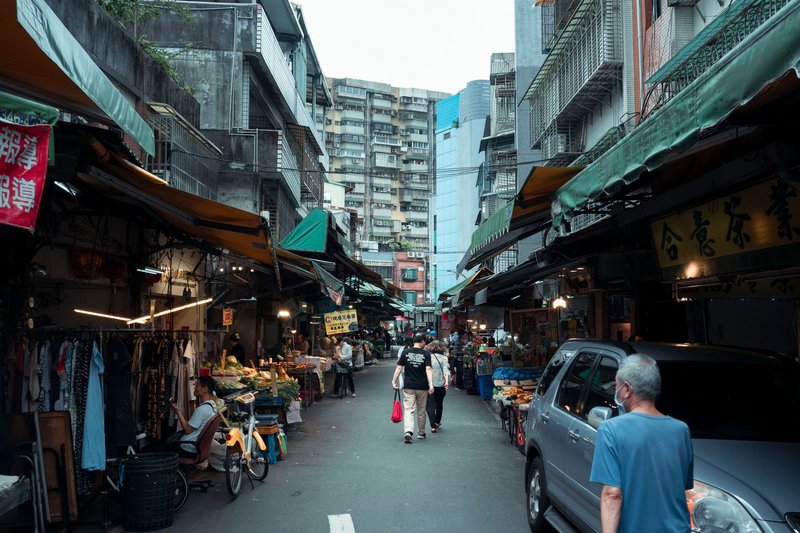
Bargaining in markets is normal, but it’s mild. A friendly counteroffer is all that’s expected, and it isn’t a sport here the way it is in parts of Southeast Asia.
| English | Tetum | How to say it |
|---|---|---|
| How much is this? | Ida ne’e hira? | EE-dah NEH-eh HEE-rah |
| Too expensive | Karun liu | kah-ROON LEE-oo |
| Can you reduce it a little? | Bele hamenus uitoan? | BEH-leh hah-meh-NOOS oo-ee-TWAHN |
| I’ll take it | Hau foti | how FOH-tee |
Numbers, which you’ll use for every price:
| Number | Tetum | How to say it |
|---|---|---|
| 1 | ida | EE-dah |
| 2 | rua | ROO-ah |
| 3 | tolu | TOH-loo |
| 4 | haat | HAH-aht |
| 5 | lima | LEE-mah |
| 6 | neen | NEH-en |
| 7 | hitu | HEE-too |
| 8 | ualu | WAH-loo |
| 9 | sia | SEE-ah |
| 10 | sanulu | sah-NOO-loo |
| 20 | ruanulu | roo-ah-NOO-loo |
| 100 | atus ida | AH-toos EE-dah |
Tetum builds teens and larger numbers on top of these, so sanulu (10) plus ida (1) gives eleven. Many Timorese also use Portuguese or Indonesian numbers, particularly for prices, so don’t be thrown if a vendor switches. Reading the number on a calculator screen is a perfectly good fallback.
Accommodation
Dili has hotels, guesthouses and a few resorts. Outside the capital, you’ll often be in a family-run guesthouse where English isn’t a given.
| English | Tetum | How to say it |
|---|---|---|
| Do you have an empty room? | Iha kuartu mamuk? | EE-ah KWAR-too MAH-mook |
| A room for two nights | Kuartu ida ba kalan rua | KWAR-too EE-dah bah KAH-lahn ROO-ah |
| Hot water | Be’e manas | BEH-eh MAH-nahs |
| Air conditioning | Ar kondisionadu | ar kon-dee-syoh-NAH-doo |
| Is there Wi-Fi? | Iha wifi? | EE-ah WEE-fee |
Kalan is “night” in the sense of an overnight stay. Loron is “day”. Either gets the idea across.
Health and emergencies
Learn these before you need them. Then write them in your phone’s notes, because panic erases vocabulary.
| English | Tetum | How to say it |
|---|---|---|
| Help! | Tulun! | TOO-loon |
| I need help | Hau presiza ajuda | how preh-SEE-zah ah-ZHOO-dah |
| I’m sick | Hau moras | how MOH-rahs |
| I need a doctor | Hau presiza doutór | how preh-SEE-zah doh-oo-TOR |
| Hospital | Ospital | oh-spee-TAL |
| Police | Polísia | poh-LEE-see-ah |
| I lost my passport | Hau nia pasaporte lakon | how nee-ah pah-sah-POR-teh lah-KOHN |
Emergency numbers: don’t rely on a number from a phrasebook, including this one. Check the current numbers in your government’s travel advice before you go. The Australian Smartraveller guidance for Timor-Leste and the UK’s FCDO travel advice both cover emergency contacts, health risks and medical facilities. Also ask your hotel for the nearest clinic and the number of a trusted driver on day one.
Medical facilities outside Dili are limited, which is why travel insurance with medical evacuation cover is not optional here.
Etiquette that goes with the words
A few habits matter as much as the vocabulary.
- Accept what’s offered. If you’re invited into a home, you’ll likely be offered coffee, a snack or a meal. Take at least a sip or a bite. Refusing outright can read as rejection.
- Ask before photographing people. Point at your camera and say Bele foti ita nia retratu? (BEH-leh FOH-tee EE-tah nee-ah reh-TRAH-too), “May I take your photo?” Then respect a no.
- Use the right hand. Hand over money, food and gifts with your right hand or both hands.
- Dress modestly in churches and villages. Timor-Leste is overwhelmingly Catholic, and church is a central part of community life.
- Slow down. Greeting people and asking how they are comes before any request, including ordering a coffee.
Regional variation: Tetum Prasa vs Tetum Terik
What you’ll hear in Dili is Tetum Prasa, the urban lingua franca, packed with Portuguese loanwords. That’s the version in this guide. Tetum Terik is a traditional variety spoken in parts of the south, and it differs in vocabulary and some grammar. Travelers heading to the south coast should expect a few words not to land. Most people there will still understand Tetum Prasa, so stick with it.
Beyond Tetum, the country has more than a dozen other local languages. If someone teaches you a word in a local language, repeat it back. It’s the quickest way to start a conversation.
For route planning and visa details, the country’s official tourism site is a useful starting point.
The 18-phrase cheat sheet
If you only learn one section of this list of useful phrases for tourists in Timor-Leste, make it this one. Screenshot it.
| # | English | Tetum | How to say it |
|---|---|---|---|
| 1 | Good morning | Bondia | bohn-DEE-ah |
| 2 | Good afternoon | Boa tarde | BOH-ah TAR-deh |
| 3 | Good evening | Boa noite | BOH-ah NOY-teh |
| 4 | Thank you (man / woman) | Obrigadu / Obrigada | oh-bree-GAH-doo / dah |
| 5 | Please | Favór ida | fah-VOR EE-dah |
| 6 | Excuse me / sorry | Deskulpa | desh-KOOL-pah |
| 7 | Yes / No | Sin / Lae | seen / LAY |
| 8 | Do you speak English? | Ita ko’alia Inglés ka lae? | EE-tah koh-AH-lee-ah een-GLEHS kah LAY |
| 9 | I don’t understand | Hau la komprende | how lah kom-PREN-deh |
| 10 | How much is this? | Ida ne’e hira? | EE-dah NEH-eh HEE-rah |
| 11 | Too expensive | Karun liu | kah-ROON LEE-oo |
| 12 | Where is…? | … iha ne’ebé? | ee-ah neh-eh-BEH |
| 13 | Stop here, please | Para iha ne’e, favór ida | PAH-rah ee-ah NEH-eh, fah-VOR EE-dah |
| 14 | Cold water | Be’e malirin | BEH-eh mah-lee-REEN |
| 15 | The bill, please | Konta, favór ida | KOHN-tah, fah-VOR EE-dah |
| 16 | Help! | Tulun! | TOO-loon |
| 17 | I need a doctor | Hau presiza doutór | how preh-SEE-zah doh-oo-TOR |
| 18 | May I take your photo? | Bele foti ita nia retratu? | BEH-leh FOH-tee EE-tah nee-ah reh-TRAH-too |
Tetum phrases for travelers don’t need to be perfect. A mispronounced bondia with a smile does more than a flawless sentence delivered in English.