
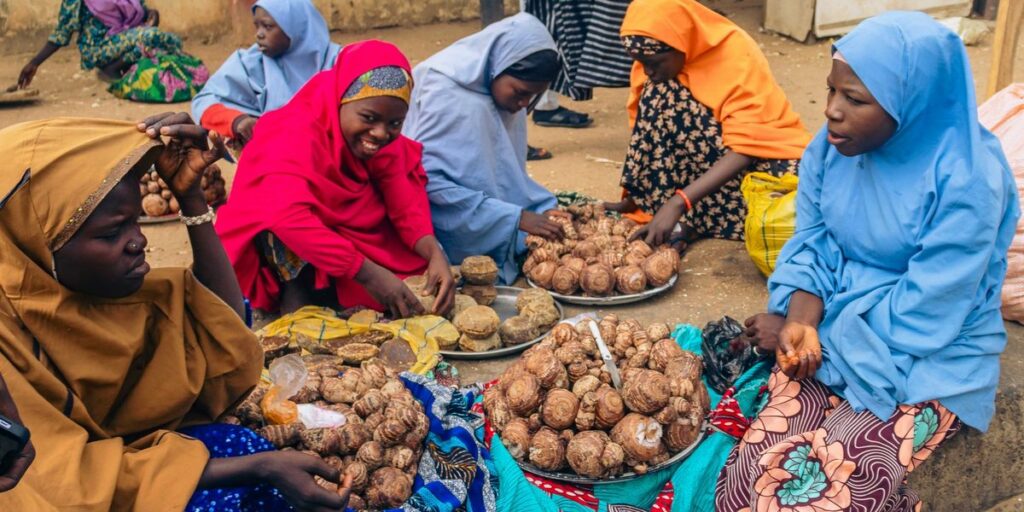
Forget the French phrasebook you packed. In the Central African Republic, the words that actually open doors are Sango, the lingua franca spoken by around 80% of the country. French is the other official language and you’ll hear it in Bangui’s ministries, banks, and better hotels, but the woman selling cassava at the roadside market, the moto driver, the checkpoint soldier — they speak Sango first. English gets you almost nowhere.
So this isn’t a generic language dump. It’s the phrases you’ll reach for in the moments that count: stepping off the plane, haggling over a taxi, ordering a plate of gozo, or talking your way calmly through a roadblock. Each one comes with the Sango spelling, a rough pronunciation, and what it means.
A quick honesty check before we start: the CAR is one of the harder places on earth to travel. The U.S. State Department lists it at its highest Level 4: Do Not Travel advisory. None of these phrases substitute for serious preparation, a fixer, and a clear-eyed read on the security situation. They just make the human moments go better.
Table of Contents
- The one exchange you must know
- Arrival and greetings
- Getting around Bangui
- Money and bargaining
- Eating and drinking
- Lodging
- Emergencies and authorities
- Numbers
- French or Sango: when to use which
- Etiquette that the phrasebooks skip
The one exchange you must know
If you memorize nothing else, memorize this. The standard greeting is Balâo (bah-LAH-oh), meaning “hello.” When you meet a group or want to show a touch more warmth, you say Balâo mïngï (bah-LAH-oh MING-ee) — roughly “many greetings” or “hello to you all.”
People will respond in kind, and that single word does enormous work. Walking up to a market stall, a checkpoint, or someone’s compound and leading with Balâo signals that you’re not just another foreigner barreling through. It buys you goodwill before you’ve asked for anything.
Arrival and greetings
Sango greetings often chain together — hello, then how are you, then a thank-you for the wellbeing. Don’t rush them. The exchange itself is the courtesy.
| Sango | Pronunciation | English |
|---|---|---|
| Balâo | bah-LAH-oh | Hello |
| Balâo mïngï | bah-LAH-oh MING-ee | Hello (to a group / warmer) |
| Tönä nyen? | TUH-nah nyen | How are you? |
| Mbï yeke nzönî | mbee YEH-keh nn-ZOH-nee | I’m fine |
| Singîla | sing-EE-lah | Thank you |
| Singîla mïngï | sing-EE-lah MING-ee | Thank you very much |
| Êê | eh-eh | Yes |
| Ên’ên | en-en | No |
| Ndoyê | nn-DOH-yeh | Please / I beg you |
| Iri tî mo ayeke nyen? | EE-ree tee mo ah-YEH-keh nyen | What’s your name? |
| Iri tî mbï ayeke… | EE-ree tee mbee ah-YEH-keh | My name is… |
| Mbï hînga pëpe | mbee HING-ah PEH-peh | I don’t understand |
| Mo tene Faransëe? | mo TEH-neh fah-ran-SEH-eh | Do you speak French? |
That last one is genuinely useful. If your Sango runs out, asking whether the person speaks French is your bridge — and many urban Central Africans, especially anyone who’s been to school, do.
Getting around Bangui
Transport in Bangui means shared taxis, moto-taxis, and a lot of negotiation. There are no metered fares. Knowing the words for “where,” “how much,” and “stop” turns a stressful ride into a manageable one.
| Sango | Pronunciation | English |
|---|---|---|
| Mbï ye tî gue na… | mbee yeh tee gweh nah | I want to go to… |
| …ayeke na ndo wa? | ah-YEH-keh nah ndo wah | Where is…? |
| Taxi | tax-ee | Taxi |
| Lutï ge | LOO-tee geh | Stop here |
| Gue yongôro pëpe | gweh yon-GOH-roh PEH-peh | It’s not far |
| Mbï girisa | mbee gee-REE-sah | I’m lost |
| Mû mbï na lêgë | moo mbee nah LEH-geh | Show me the way |
| Lëgë so amû na ndo wa? | LEH-geh so ah-moo nah ndo wah | Where does this road go? |
Agree the price before you get on a moto, every time. The number conversation in the next section is the one you’ll use most.
Money and bargaining
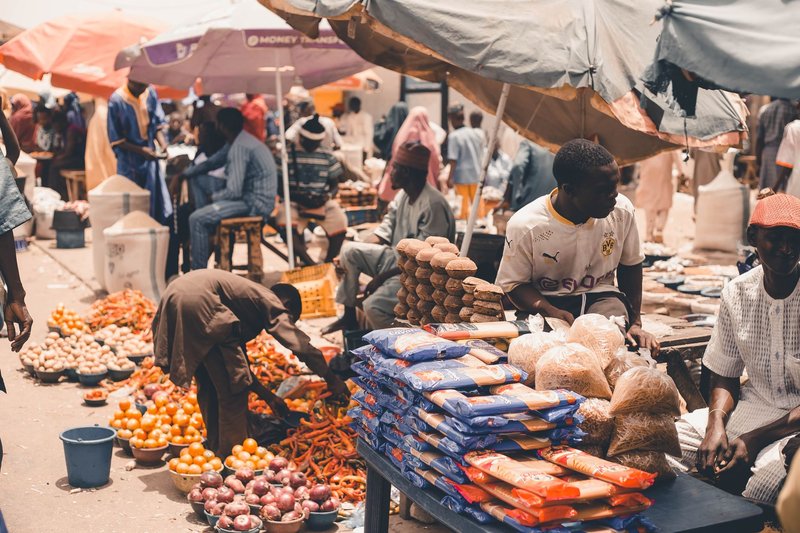
The currency is the Central African CFA franc (XAF), shared across the region. Cash is king — assume cards won’t work outside a couple of Bangui hotels, and bring clean, undamaged notes. Bargaining at markets is normal and expected; in shops with marked prices, less so.
| Sango | Pronunciation | English |
|---|---|---|
| Angbâ ngêrë wa? | an-GBAH NGEH-reh wah | How much does it cost? |
| Angbâ mïngï | an-GBAH MING-ee | It’s too much / too expensive |
| Sâra ngêrë kêtê | SAH-rah NGEH-reh KEH-teh | Lower the price a little |
| Mbï yeke mû… | mbee YEH-keh moo | I’ll give… |
| Nginza | nn-GEEN-zah | Money |
| Mbï yeke na nginza pëpe | mbee YEH-keh nah nn-GEEN-zah PEH-peh | I don’t have money |
| Mo yeke na monnaie? | mo YEH-keh nah moh-NEH | Do you have change? |
“Angbâ mïngï” said with a smile, followed by a counteroffer, is the whole dance. Walking away slowly is the most effective bargaining tool in any language — and it works the same here.
Eating and drinking
Central African food leans on staples like gozo (a cassava paste), grilled fish and bushmeat, peanut-based sauces, and plenty of plantain and rice. Street food and small maquis (open-air eateries) are where you’ll eat best and cheapest.
| Sango | Pronunciation | English |
|---|---|---|
| Mbï yeke na nzara | mbee YEH-keh nah nn-ZAH-rah | I’m hungry |
| Mbï yeke na hônde | mbee YEH-keh nah HOHN-deh | I’m thirsty |
| Kôbe | KOH-beh | Food |
| Ngû | nn-GOO | Water |
| Mbï ye tî te… | mbee yeh tee teh | I’d like to eat… |
| A nzere mïngï | ah nn-ZEH-reh MING-ee | It’s very tasty |
| Mû na mbï l’addition | moo nah mbee lah-dee-syon | The bill, please |
Stick to bottled or properly treated ngû — tap water isn’t safe to drink, and a stomach bug is the last complication you want in a place with thin medical infrastructure. The CDC’s CAR travel health notice is worth reading before you go for the full vaccination and food-safety rundown.
Lodging
Outside Bangui, formal hotels thin out fast. You may end up arranging a room through a mission, an NGO contact, or someone’s guesthouse. These phrases cover the basics.
| Sango | Pronunciation | English |
|---|---|---|
| Mbï ye tî längö ge | mbee yeh tee LANG-uh geh | I want to sleep here |
| Da tî längö | dah tee LANG-uh | Room / place to sleep |
| Ngêrë tî längö ayeke wa? | NGEH-reh tee LANG-uh ah-YEH-keh wah | How much for the night? |
| Ngû ayeke? | nn-GOO ah-YEH-keh | Is there water? |
| Kùrùngô | koo-roon-GOH | Electricity |
| Mbï ye tî yû | mbee yeh tee yoo | I want to bathe |
Don’t assume running water or power. Asking “Ngû ayeke?” up front saves an awkward discovery later.
Emergencies and authorities
This is the section that matters most. Checkpoints — both official and informal — are a fact of road travel in the CAR. Stay calm, keep your documents ready, and let your fixer or driver do the talking when possible. These words help you stay polite and intelligible under pressure.
| Sango | Pronunciation | English |
|---|---|---|
| Mû mbï maïngö | moo mbee mah-ING-uh | Help me |
| Mbï yeke na kpälë | mbee YEH-keh nah KPAH-leh | I have a problem / I’m sick |
| Mbï ye doctêre | mbee yeh dok-TEH-reh | I need a doctor |
| Hôpitäl | oh-pee-TAL | Hospital |
| Polïsi | poh-LEE-see | Police |
| Mbï yeke turïste | mbee YEH-keh too-REES-teh | I’m a tourist |
| Pâspôro tî mbï so | PAS-poh-roh tee mbee so | Here is my passport |
| Mbï yeke na lêgë | mbee YEH-keh nah LEH-geh | I have permission / authorization |
| Mbï hînga lêgë pëpe | mbee HING-ah LEH-geh PEH-peh | I didn’t know the rule |
At a checkpoint, leading with Balâo and Mbï yeke turïste — hello, I’m a tourist — frames you correctly from the first second. Combine it with a visible, ready passport and a calm tone. Most interactions are about establishing who you are, not confrontation.
Numbers
You’ll use these constantly — for prices, quantities, and times. Sango numbers above five often borrow from French in everyday speech, so don’t be surprised to hear cinq, dix, or cent mixed in.
| Sango | Pronunciation | English |
|---|---|---|
| Ôko | OH-koh | One |
| Ûse | OO-seh | Two |
| Otâ | oh-TAH | Three |
| Usïö | oo-SEE-uh | Four |
| Okü | oh-KOO | Five |
| Omenê | oh-meh-NEH | Six |
| Mbäsâmbârâ | mbah-sahm-BAH-rah | Seven |
| Miombe | mee-OM-beh | Eight |
| Ngombâya | ngom-BAH-yah | Nine |
| Balë ôko | BAH-leh OH-koh | Ten |
For larger sums while bargaining, most people will happily switch to French numerals, which are easier to count out with notes in hand. Listen for mille (thousand) — prices in CFA francs climb into the thousands fast.
French or Sango: when to use which
Both are official, but they live in different worlds. Reach for French in formal, institutional settings: airports, banks, government offices, mid-range hotels, dealing with educated professionals. It signals you’re operating in the official register, and it’ll be understood.
Reach for Sango everywhere else, which is to say almost everywhere: markets, taxis, villages, casual conversation, and any moment you want to connect rather than transact. Even if your Sango is just Balâo and Singîla, dropping it into an otherwise-French exchange lands well. It tells people you bothered.
The practical move: open in Sango, then ask “Mo tene Faransëe?” If they say yes and your French is stronger, switch. If not, you stay in Sango and lean on the tables above.
Etiquette that the phrasebooks skip
The word lists won’t tell you this, so here it is.
Greet before you transact. Walking up and immediately asking a price reads as rude. Lead with Balâo, let the person respond, then get to business. The thirty seconds you “lose” is the relationship you’re building.
Use your right hand. For giving, receiving, eating, and handshakes. The left-hand taboo holds across much of the region.
Ask before photographing people, and never photograph anything official — bridges, government buildings, soldiers, the airport, checkpoints. Cameras pointed at infrastructure get foreigners detained. This is not a place to be casual with a lens.
Dress modestly and keep your cool. Patience and a level voice defuse almost any sticky moment. Raised voices and visible frustration do the opposite.
Get the greetings right, keep your documents accessible, and treat every interaction as a conversation rather than a transaction. A dozen Sango words and the manners to go with them will carry you further here than fluent French delivered without warmth.