Most lists of Kenya’s World Heritage Sites are out of date. They tell you there are seven. There are eight — the Historic Town and Archaeological Site of Gedi joined the list in July 2024, and a lot of pages haven’t caught up.
So here’s the current, correct count: eight UNESCO World Heritage Sites, five cultural and three natural. Below you’ll find every one of them, with the practical stuff most articles skip — what it costs to get in, when to go, which town to base yourself in, and how to string several together into a single trip instead of crisscrossing the country.
If you only care about the reference table, it’s right at the top. If you’re actually planning a trip, keep scrolling.
At a Glance: All 8 Sites
| Site | Type | Region | Inscribed | Best Time to Visit |
|---|---|---|---|---|
| Lamu Old Town | Cultural | Coast | 2001 | Jun–Oct, Jan–Feb |
| Fort Jesus, Mombasa | Cultural | Coast | 2011 | Jun–Oct |
| Sacred Mijikenda Kaya Forests | Cultural | Coast | 2008 | Jun–Oct |
| Historic Town of Gedi | Cultural | Coast | 2024 | Jun–Oct |
| Thimlich Ohinga | Cultural | Lake Victoria | 2018 | Jun–Sep |
| Mount Kenya National Park | Natural | Central | Jan–Feb, Aug–Sep | |
| Lake Turkana National Parks | Natural | North | Jun–Sep | |
| Kenya Lake System (Rift Valley) | Natural | Rift Valley | Jun–Oct |
Five of these eight cluster on the coast within a few hours of each other. That’s the trip-planning insight the rest of this article runs with.
Table of Contents
- Cultural Sites
- 1. Lamu Old Town
- 2. Fort Jesus, Mombasa
- 3. Sacred Mijikenda Kaya Forests
- 4. Historic Town of Gedi
- 5. Thimlich Ohinga
- Natural Sites
- 6. Mount Kenya National Park
- 7. Lake Turkana National Parks
- 8. Kenya Lake System in the Great Rift Valley
- How to Cluster Them Into One Trip
- FAQ
Cultural Sites
1. Lamu Old Town
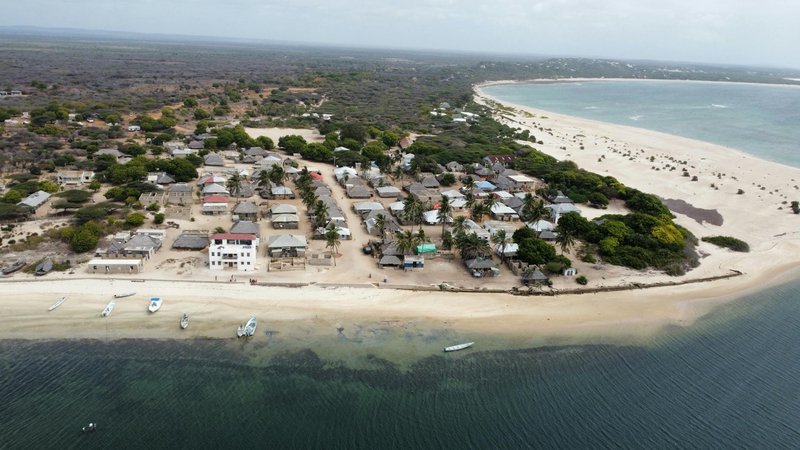
Lamu is the oldest continuously inhabited Swahili settlement in East Africa, and it’s still lived-in — not a museum, an actual town where donkeys haul goods because the lanes are too narrow for cars. There are no cars on Lamu Island. That single fact reshapes the whole place: you move by foot, donkey, or dhow, and the pace drops accordingly.
Inscribed: 2001.
Why it’s UNESCO-listed: It’s the best-preserved example of Swahili coastal architecture and town planning, built in coral stone and mangrove timber, with carved wooden doors that have become the town’s signature. Trading links across the Indian Ocean — Arabia, Persia, India — show up in the buildings, the food, and the religious life. The same coral-stone, Indian Ocean building tradition runs up the coast into the ruined Swahili towns and mosques of neighboring Somalia, which makes Lamu easier to read as one node in a much larger network.
What to see: The Lamu Museum on the waterfront, the 19th-century Lamu Fort, the Riyadha Mosque, and the carved-door workshops. Time your visit for the Lamu Cultural Festival in November if you can — dhow races, donkey races, and Swahili poetry.
Getting there: Fly into Manda Airport (regular flights from Nairobi and Mombasa), then take a short dhow crossing to Lamu Island. There’s no entry fee for the town itself; the Lamu Museum charges a modest fee.
Best time: June to October and January to February — dry, breezy, and clear of the long rains.
2. Fort Jesus, Mombasa
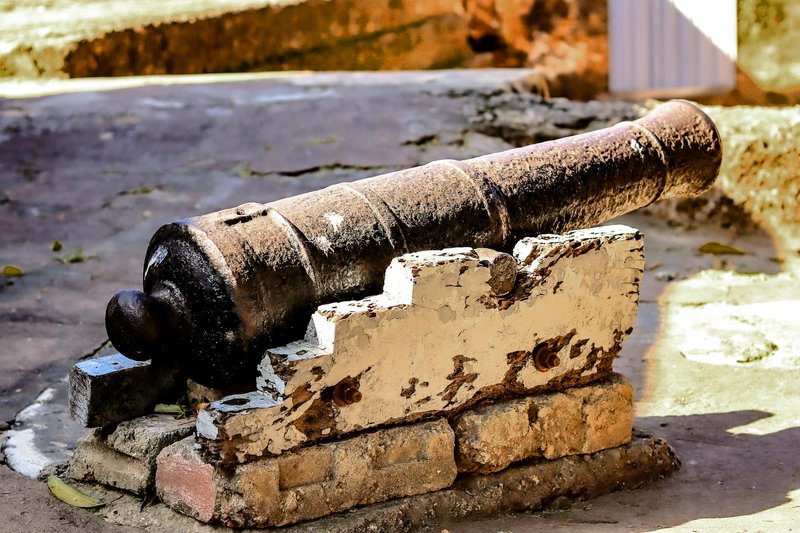
Fort Jesus is the most-visited monument on the Kenyan coast, and it earns the traffic. The Portuguese built it in the 1590s to control the harbor entrance, and over the next three centuries it changed hands at least nine times between the Portuguese, Omani Arabs, and the British. You can read that history in the walls — gun ports here, a later prison block there.
Inscribed: 2011.
Why it’s UNESCO-listed: It’s a landmark of 16th-century Portuguese military architecture, designed by the Italian architect Giovanni Battista Cairati on Renaissance principles, with a layout based on the proportions of a human body. UNESCO calls it one of the most outstanding examples of its kind.
What to see: The Omani house and its wall paintings, the Portuguese inscriptions, the audio guide circuit, and the on-site museum of trade ceramics and Swahili artifacts pulled from a sunken ship in the harbor.
Getting there: It’s in Mombasa Old Town, walkable from most of the city. Entry is around 1,200 KES for non-residents (roughly $9), less for East African residents and citizens. Open daily; allow two hours.
Best time: June to October, when the coastal heat is at its most manageable.
3. Sacred Mijikenda Kaya Forests
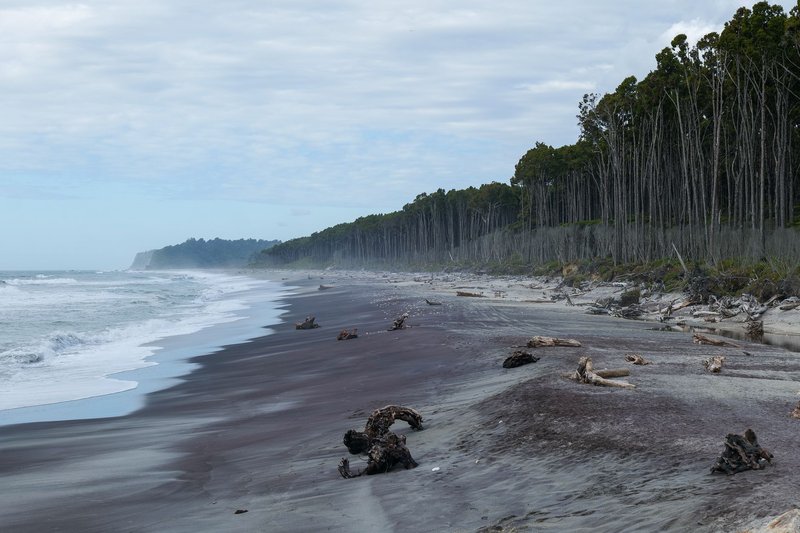
The Kayas are the wild card on this list — not buildings or ruins, but eleven separate forest sites holding the remains of fortified villages built by the Mijikenda people from the 16th century. The forests survived because they’re sacred. Cutting trees or even raising your voice in certain spots is forbidden by the elders who still maintain them.
Inscribed: 2008.
Why it’s UNESCO-listed: The Kayas are a living example of how spiritual belief preserved biodiversity. The taboos that protected the ancestral village sites also protected the surrounding coastal forest, which is otherwise heavily cleared along this stretch of the coast.
What to see: Kaya Kinondo, near Diani Beach, is the one set up for visitors — you go in with a local guide, cover up appropriately, and learn the rules before you enter. The others are not casual tourist sites and shouldn’t be treated as such.
Getting there: Kaya Kinondo is south of Mombasa near Diani, easily reached by road. A community guide fee applies and goes back to the elders.
Best time: June to October. The forest is cooler and the paths are firm.
4. Historic Town of Gedi
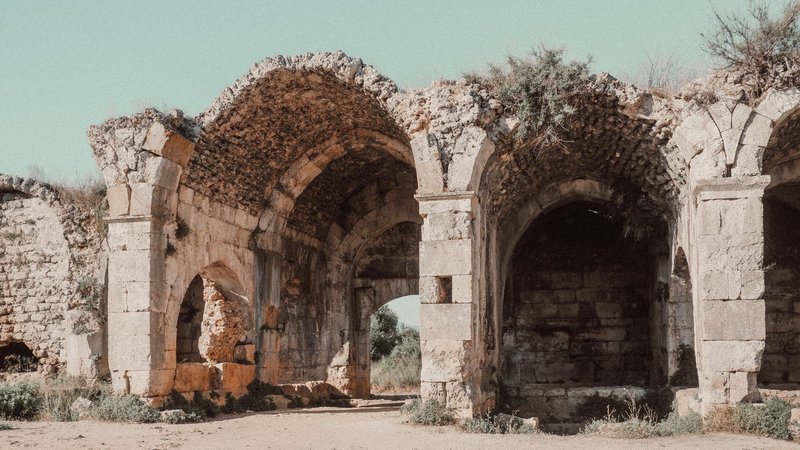
Gedi is the newest addition — inscribed in July 2024, which is why your older searches keep saying Kenya has seven sites. It’s a 12th-to-17th-century Swahili town near Watamu, abandoned around the early 1600s and then swallowed by forest until archaeologists cleared it in the 20th century.
Inscribed: 2024.
Why it’s UNESCO-listed: Gedi is one of the best-preserved Swahili urban sites on the East African coast — a complete town plan with a palace, a great mosque, houses, and tombs, including a dated pillar tomb. Finds at the site include Ming porcelain and Venetian glass beads, hard evidence of a trade network that reached across the Indian Ocean and into the Mediterranean.
What to see: The palace complex, the Great Mosque, the dated tomb (1399), and the small museum. The forest around the ruins is itself a designated reserve, full of butterflies and golden-rumped elephant shrews if you’re patient.
Getting there: Gedi sits inland from Watamu and Malindi, an easy day trip from either. There’s an entry fee in the range of 500 KES for non-residents. The on-site guides are worth taking — much of Gedi’s interest is in what’s no longer visible.
Best time: June to October. If Gedi whets your appetite for old stone, it’s only the headline entry on a longer roster of Kenya’s ruins, several of which sit within reach of the same coastal route.
5. Thimlich Ohinga
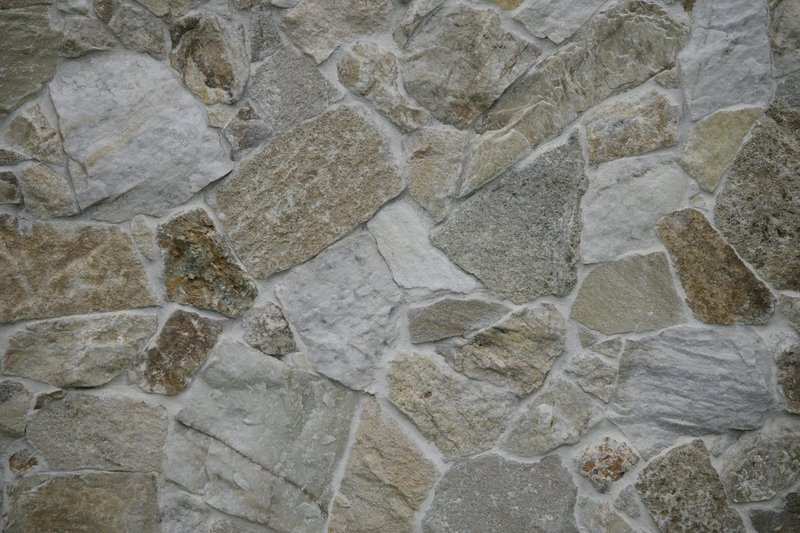
Thimlich Ohinga is the one almost nobody visits, which is part of its appeal. It’s a dry-stone walled enclosure near Lake Victoria, built without mortar — the stones interlock and hold by weight and fit alone. “Ohinga” means a fortified settlement; the main enclosure walls stand up to 4.2 meters high.
Inscribed: 2018.
Why it’s UNESCO-listed: It’s the best-preserved example of the dry-stone walled settlements that once spread across the Lake Victoria basin, probably built around the 16th century. The masonry technique — no mortar, no shaping of stones, just careful selection and stacking — is the headline.
What to see: The main Kochieng enclosure and the smaller satellite enclosures, the internal house pits, and the livestock pens. A site guide will walk you through how a community of several hundred people lived and defended themselves here.
Getting there: It’s in Migori County in the southwest, off the main tourist routes. You’ll want a car and a half-day, usually combined with a wider western Kenya trip. Entry fees are low.
Best time: June to September, the drier window for the lake region.
Natural Sites
6. Mount Kenya National Park
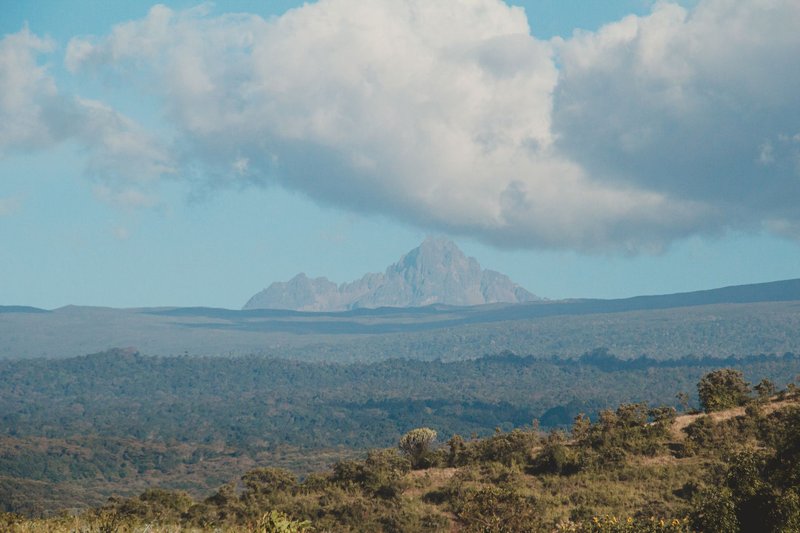
Mount Kenya is the second-highest peak in Africa at 5,199 meters, an extinct volcano with glaciers sitting almost exactly on the equator. That combination — equatorial glaciers — is the whole point, and it’s also disappearing. The mountain’s glaciers have lost most of their mass over the last century, which makes seeing them now a genuinely time-limited proposition.
Inscribed: 1997 (extended 2013).
Why it’s UNESCO-listed: UNESCO cites the mountain’s rugged glacier-clad summits, the afro-alpine vegetation zones stacked up its flanks, and its role as one of the most impressive landscapes in East Africa. The distinct altitude bands — forest, bamboo, moorland, alpine — are a textbook case of ecological zonation.
What to see: Most visitors trek to Point Lenana (4,985 m), the trekkers’ summit, over three to four days. The technical peaks, Batian and Nelion, are for experienced climbers only. Lower down, you’ll see elephants, buffalo, and the giant lobelias and groundsels of the moorland.
Getting there: The park is about 175 km north of Nairobi. The Naro Moru and Sirimon routes are the common trekking approaches. Park fees apply per day and run higher than the cultural sites — budget for the Kenya Wildlife Service conservation fee plus guide and porter costs.
Best time: The dry seasons, January to February and August to September, give the best trekking conditions and the clearest summit views.
7. Lake Turkana National Parks
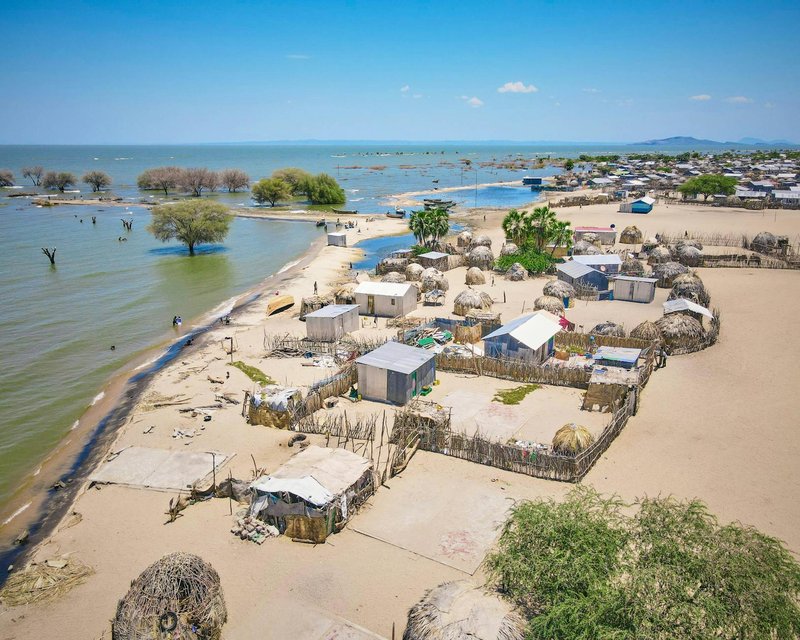
Lake Turkana is the world’s largest permanent desert lake, a jade-green sheet of water in Kenya’s far north that earned its nickname, the Jade Sea, from the algae that tint it. The three parks — Sibiloi, Central Island, and South Island — protect both the lake’s wildlife and one of the most important fossil sites on the planet.
Inscribed: 1997 (extended 2001).
Why it’s UNESCO-listed: Sibiloi has produced hominid fossils that reshaped our understanding of human evolution — this is the Koobi Fora region, where Richard Leakey’s team found skulls central to the human-origins story. The lake is also a major breeding ground for Nile crocodiles, hippos, and migratory birds. The volcanic Central Island is an active crater-lake landscape.
What to see: The Koobi Fora fossil sites and museum, the crocodile breeding grounds, and the flamingo flocks. This is a remote, hard-to-reach destination — and that’s the trade-off for having one of Africa’s great fossil landscapes nearly to yourself.
Getting there: It’s a long haul north, best done by chartered flight to Sibiloi or via a well-planned overland expedition. This is not a casual side trip; it’s a destination you build a journey around.
Best time: June to September. The region is hot year-round, so the drier months are about access more than comfort.
8. Kenya Lake System in the Great Rift Valley
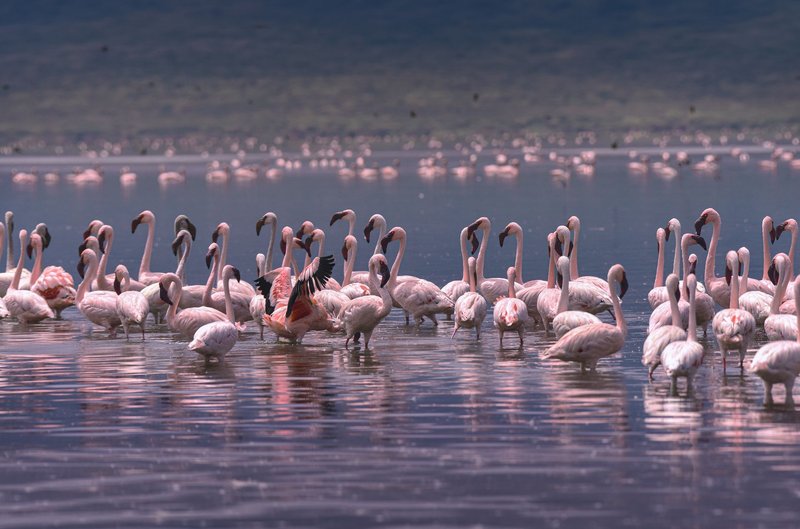
This site bundles three shallow, interlinked Rift Valley lakes — Bogoria, Nakuru, and Elementaita — into one inscription, and the reason is birds. Together these alkaline lakes support one of the world’s most diverse and dense bird populations, including the planet’s single largest gatherings of lesser flamingos.
Inscribed: 2011.
Why it’s UNESCO-listed: UNESCO recognizes the lakes as an outstanding natural setting — geysers and hot springs at Bogoria, dramatic escarpments, and a bird spectacle that includes 13 globally threatened species. The flamingo numbers at peak can run into the hundreds of thousands.
What to see: Lake Nakuru National Park is the accessible anchor — rhinos (both black and white), Rothschild’s giraffes, and the flamingo-lined shoreline. Bogoria adds boiling hot springs and geysers you can walk right up to. Elementaita is quieter, good for serious birders.
Getting there: Lake Nakuru is about 160 km northwest of Nairobi, an easy paved drive, which makes this the most beginner-friendly natural site on the list. Standard KWS park fees apply.
Best time: June to October, the dry season, when wildlife concentrates near the water.
How to Cluster Them Into One Trip
Here’s what the older articles miss: you don’t have to choose between these eight sites at random. They group cleanly.
The Swahili Coast cluster (4 cultural sites, 1 week). Lamu, Fort Jesus, Gedi, and Kaya Kinondo all sit on the coast within a few hours of each other. Base yourself in Mombasa for Fort Jesus and Kaya Kinondo, move up to Watamu for Gedi, then fly to Lamu for the finale. Four UNESCO sites, one warm climate, one packing list.
The Rift Valley day-and-overnight (1 natural site, plus Mount Kenya). Lake Nakuru is a comfortable day trip or overnight from Nairobi, and you can pair it with a Mount Kenya trek if you’ve got a week and the legs for it.
The expedition sites (Turkana, Thimlich Ohinga). Lake Turkana and Thimlich Ohinga are the outliers — remote, west and far-north, and best treated as their own dedicated journeys rather than tacked onto a coastal trip.
A realistic first-timer’s UNESCO trip is the coastal cluster plus Lake Nakuru: five of the eight sites in about ten days, without ever feeling rushed.
FAQ
How many UNESCO World Heritage Sites does Kenya have? Eight, as of 2024. Five are cultural and three are natural. If a source says seven, it predates the inscription of the Historic Town of Gedi in July 2024.
Which is the newest UNESCO site in Kenya? The Historic Town of Gedi, added in 2024. It’s a well-preserved medieval Swahili town near Watamu on the coast.
What’s the easiest UNESCO site to visit in Kenya? Fort Jesus in Mombasa and Lake Nakuru National Park. Both are easy to reach, well set up for visitors, and don’t require a multi-day expedition.
Does Kenya have a UNESCO tentative list? Yes. Beyond the eight inscribed sites, Kenya maintains a tentative list of more than twenty properties under consideration for future inscription, spanning both cultural and natural sites.
Can you visit several Kenyan UNESCO sites in one trip? Easily. Four of the cultural sites — Lamu, Fort Jesus, Gedi, and a Kaya forest — cluster on the coast, and you can add Lake Nakuru as a Rift Valley day trip from Nairobi.