
Table of Contents
- TLDR
- Island of Mozambique: The One Everyone Already Knows
- Maputo National Park: The New Arrival
- The Tentative List: What’s Waiting in Line
- Manyikeni and Chibuene
- Quirimbas Archipelago
- Vumba Mountain Range
- How a Site Actually Gets Inscribed
- The Tension Nobody Puts on the Postcard
TLDR {#tldr}
Mozambique has two confirmed UNESCO World Heritage Sites: Island of Mozambique (cultural, inscribed 1991) and Maputo National Park (natural, inscribed 2025, shared with South Africa’s iSimangaliso Wetland Park). Three more sites sit on the tentative list, meaning the country has formally nominated them but UNESCO hasn’t ruled yet: Manyikeni and Chibuene, the Quirimbas Archipelago, and the Vumba Mountain Range. Below is what each one actually is, why it matters, and how to visit the ones you can visit today.
Island of Mozambique: The One Everyone Already Knows {#island-of-mozambique}
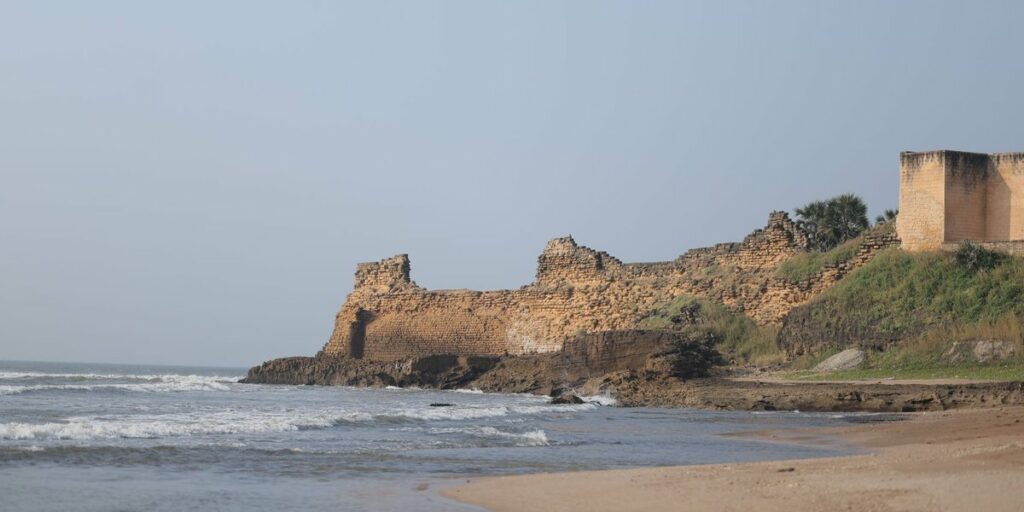
Stone Town on Ilha de Moçambique doesn’t look like a museum piece. People live in it, hang laundry off its balconies, run bakeries out of buildings the Portuguese built five centuries ago. That’s the whole reason UNESCO inscribed it in 1991 under criteria (iv) and (vi): it’s a continuously inhabited example of a fortified trading settlement where African, Arab, Indian, and European building traditions got layered on top of each other for over 400 years without erasing what came before.
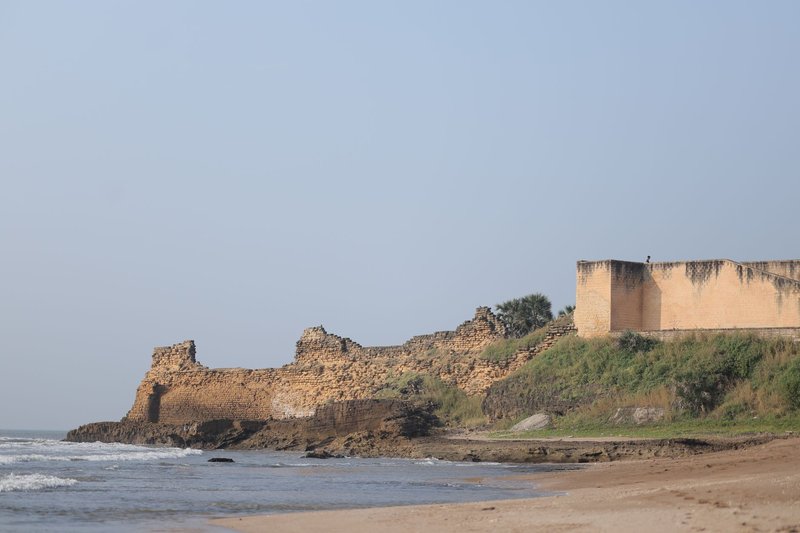
The Portuguese used the island as a naval and commercial base from 1507 onward, and it stayed the capital of Portuguese East Africa until 1898. Fort São Sebastião still anchors the northern tip — a squat, coral-stone bastion that’s one of the oldest surviving European structures in the southern hemisphere. Walk south from it and the architecture shifts from Stone Town’s whitewashed colonial façades to Makuti Town’s reed-and-thatch houses, and that boundary is itself part of what the site protects: two settlement patterns, two populations, one three-kilometer island.
What you can actually do there: wander Stone Town on foot (cars barely fit on most streets), tour the fort and the Chapel of Nossa Senhora de Baluarte — reportedly the oldest European building still standing south of the equator — and cross to Makuti Town for a different, less-restored version of the same history. Boat trips to nearby sandbanks fill the rest of a day easily.
Getting there: fly into Nampula, then it’s a roughly two-and-a-half-hour drive or shared chapa (minibus) east to the island, connected to the mainland by a causeway bridge. May through October avoids both the rains and the worst of the heat.
Maputo National Park: The New Arrival {#maputo-national-park}
Maputo National Park became Mozambique’s first natural World Heritage Site in 2025, inscribed as a transboundary extension alongside South Africa’s iSimangaliso Wetland Park. The pairing isn’t a formality — it’s the point. Together they protect one unbroken stretch of coastal ecosystem: dune forest, savanna, wetlands, and marine habitat that doesn’t respect the border running through it.
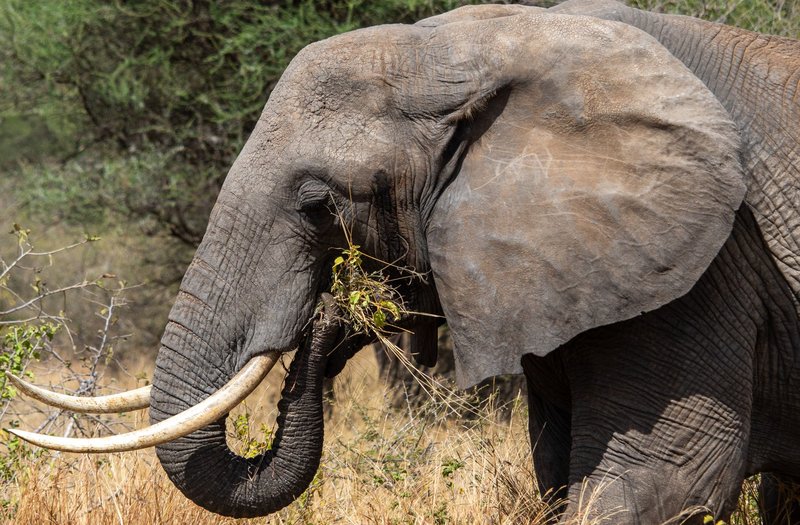
The park merged Mozambique’s former Maputo Elephant Reserve with the adjacent Machangulo Peninsula, and the elephant population there has become something of a comeback story — decades of civil-war-era poaching pushed numbers to a fraction of historic levels before conservation efforts, cross-border patrols, and reduced human-wildlife conflict let the herds recover. The park also protects nesting beaches for loggerhead and leatherback turtles, a detail Peace Parks Foundation has documented extensively through its work supporting the reserve.
What you can do there: game drives geared around elephant herds rather than the Big Five checklist, snorkeling and diving off the Machangulo Peninsula, and turtle-nesting season visits (roughly October through February) if the timing lines up.
Getting there: it’s a two-to-three-hour drive south from Maputo city, partly on sand tracks that genuinely need a 4×4, or a shorter boat transfer across Maputo Bay to the peninsula lodges. Dry season, May to September, is easiest for road access.
The Tentative List: What’s Waiting in Line {#tentative-list}
A spot on the tentative list means Mozambique has formally told UNESCO “we intend to nominate this” — it’s a required step before any formal nomination can even be submitted, not a guarantee of eventual inscription. Three sites are currently on Mozambique’s list, and each is doing something different from the confirmed two.
Manyikeni and Chibuene {#manyikeni-and-chibuene}
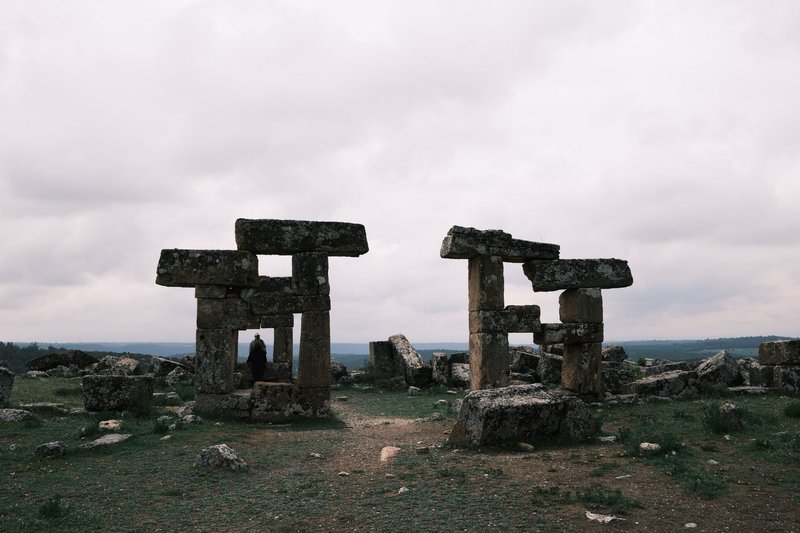
These are archaeological sites, not standing monuments — the kind of place where the significance is underground and in the pottery shards, not in a skyline. Manyikeni is a Zimbabwe-culture stone settlement dating to roughly the 11th to 15th centuries, part of the same trading network that produced Great Zimbabwe further inland. Chibuene, closer to the coast near Vilankulo, was a trading port active even earlier, linked into Indian Ocean trade routes that moved gold, ivory, and glass beads between the African interior and Persia, India, and beyond.
There’s no polished visitor infrastructure at either site yet — this is territory for people who want to see where the evidence actually sits, not a curated museum experience. If Mozambique successfully nominates them, that will likely change.
Quirimbas Archipelago {#quirimbas-archipelago}
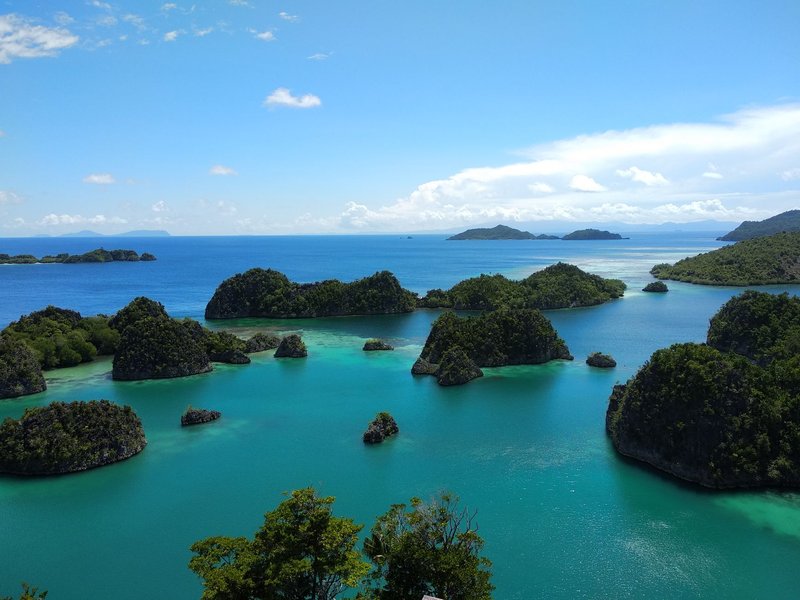
Thirty-two islands strung along Mozambique’s far north coast, and the tentative listing covers both the built history and the marine environment — coral reefs, mangrove channels, and the fortified island of Ibo, which was a rival trading post to Ilha de Moçambique under Portuguese rule and still has its own crumbling fort and silver-filigree workshops. Most of the archipelago sits inside Quirimbas National Park, so unlike Manyikeni and Chibuene, this one already has lodges, dive operators, and boat transfers built around it.
Ibo Island is the most accessible entry point — reachable by boat from Pemba or a short charter flight — and gives you the fort, the old town, and jumping-off access to the more remote islands like Medjumbe and Matemo for reef diving.
Vumba Mountain Range {#vumba-mountain-range}
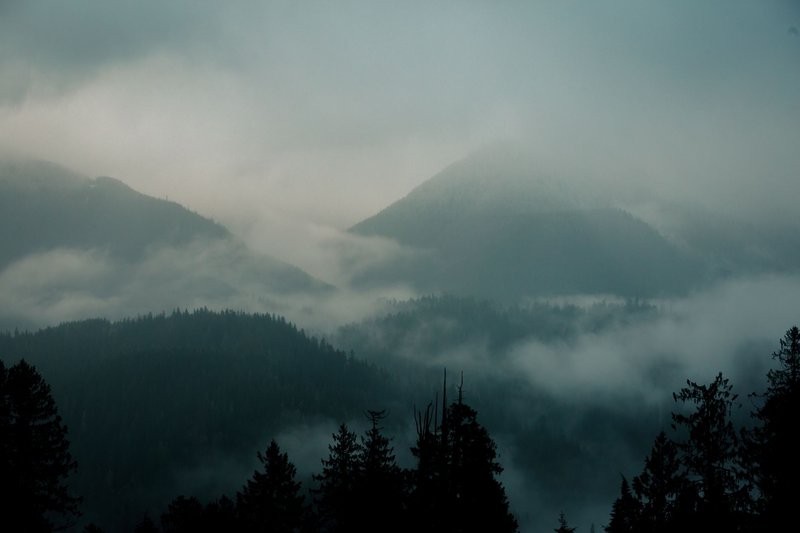
The odd one out geographically — Vumba sits on Mozambique’s western edge, in the highlands that straddle the border with Zimbabwe, and the nomination is built around Afromontane forest and endemic biodiversity rather than human history. It’s the wettest, greenest corner of the country, closer in feel to the Zimbabwean Eastern Highlands (Vumba itself has a well-known counterpart reserve on the Zimbabwe side) than to anything coastal.
How a Site Actually Gets Inscribed {#inscription-pipeline}
Tentative listing is step one of a multi-year process. A country submits a site to the tentative list, then prepares a full nomination dossier — history, boundaries, management plans, comparative analysis against similar sites worldwide — which UNESCO’s advisory bodies (ICOMOS for cultural sites, IUCN for natural ones) evaluate before the World Heritage Committee votes. Sites can sit on tentative lists for decades; Maputo National Park’s inscription in 2025 followed years of joint work with South Africa specifically because transboundary nominations require both governments’ management plans to align, which takes longer than a single-country bid.
The Tension Nobody Puts on the Postcard {#preservation-tension}
Every one of these sites comes with a version of the same problem: the thing that makes a place worth protecting is often the same thing local communities need to use to get by. Fishing pressure inside Quirimbas’ marine zones, elephant range that overlaps land communities farm at Maputo National Park, tourism revenue at Ilha de Moçambique that doesn’t always reach the residents living inside the protected Stone Town core — National Geographic’s reporting on Island of Mozambique captured this directly, noting that heritage status protects buildings but doesn’t automatically fund the people living in them.
That’s worth knowing before you go, not as guilt, but as context. A World Heritage listing is a statement about global significance. It’s not a guarantee that the site’s economics work out for the people who call it home.