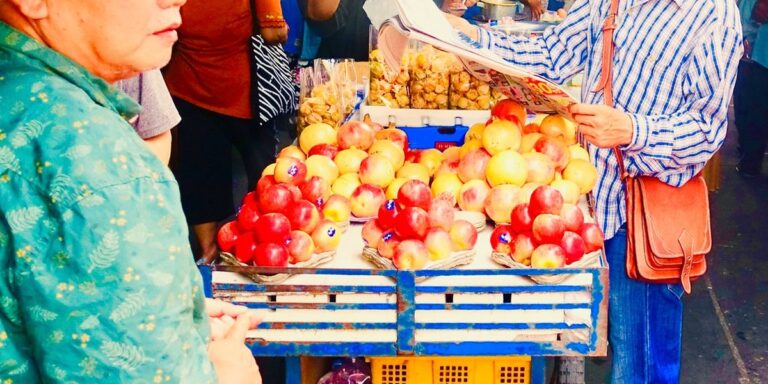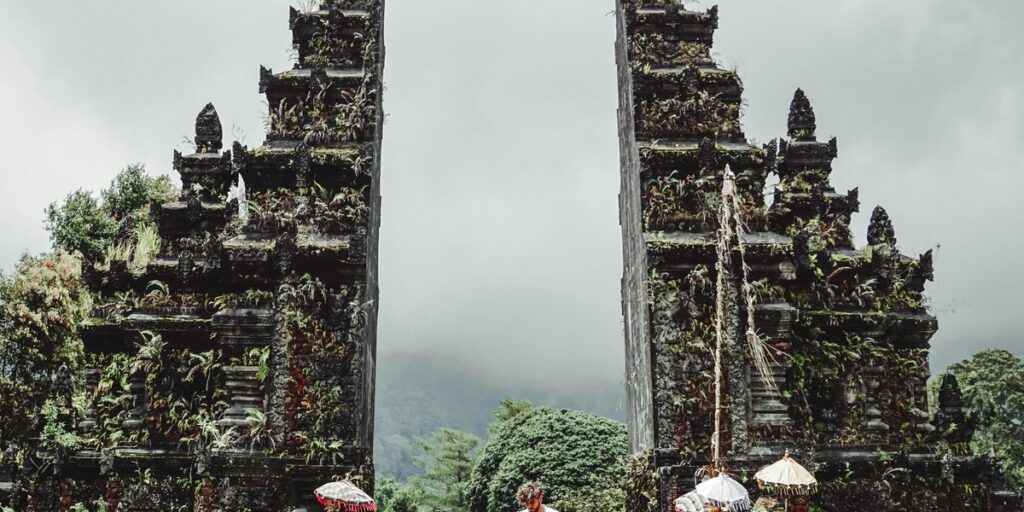
Indonesia’s islands are a mix of bustling street markets, island beaches, and neighborhood warungs where a few familiar phrases make a big difference. Whether you’re flagging a bemo, buying snacks, or asking about directions, a little local language goes a long way toward smoother, friendlier travel days.
There are 40 Useful Phrases for Tourists in Indonesia, ranging from Ada Wi-Fi? to Tolong panggil taksi. Each entry is organized for quick use in three columns — English,Pronunciation,Usage — so you can see what it means, how to say it, and when to use it; you’ll find below.
Which phrases should I learn before arriving?
Start with greetings, polite phrases (please/thank you), numbers, and transport basics — they cover most daily needs and show respect. Practice pronunciation from the table, and focus on phrases that match your plans (e.g., ordering food or asking for a taxi).
Will locals understand if my pronunciation isn’t perfect?
Yes — most Indonesians appreciate the effort, and the Pronunciation column is phonetic to help you be understood. Combine words with friendly gestures and the Usage notes to avoid misunderstandings and make interactions smoother.
Useful Phrases for Tourists in Indonesia
| Phrase | English | Pronunciation | Usage |
|---|---|---|---|
| Halo | Hello | HAH-loh | General greeting when meeting people |
| Selamat pagi | Good morning | suh-LAH-mat PAH-gee | Morning greeting until about 10–11 AM |
| Selamat siang | Good afternoon (midday) | suh-LAH-mat SEE-ahng | Greeting from ~11 AM to 3 PM |
| Selamat sore | Good late afternoon/evening | suh-LAH-mat SOH-reh | Greeting late afternoon until sunset |
| Selamat malam | Good evening/night | suh-LAH-mat MAH-lahm | Greeting after dusk; also used at night |
| Apa kabar? | How are you? | AH-pah KAH-bar | Casual ‘how are you’ question |
| Nama saya… | My name is… | NAH-mah SAH-yah … | Introduce yourself; follow with name |
| Senang bertemu dengan Anda | Nice to meet you | se-NAHng ber-TEH-moo deh-ngahn AHN-dah | Say after introductions or meeting host |
| Terima kasih | Thank you | te-REE-mah KAH-seeh | Express gratitude after service or help |
| Sama-sama | You’re welcome | SAH-mah SAH-mah | Reply to ‘terima kasih’ in shops, restaurants |
| Tolong | Please / Help | TOH-long | Ask for help or request service |
| Maaf | Sorry / Excuse me | MAH-af | Apologize or get attention in crowded places |
| Permisi | Excuse me / May I? | per-MEE-see | Use when passing, entering, at crowded areas |
| Boleh minta…? | Can I have…? / May I ask? | BOH-leh MEEN-tah … | Request an item or service, like menu or bill |
| Di mana…? | Where is…? | dee MAH-nah … | Ask for location of places: restroom, ATM, hotel |
| Berapa harganya? | How much is it? | beh-RAH-pah HAHR-gah-nya | Ask price in shops or markets |
| Bisa kurang? | Can you reduce price? | BEE-sah KUR-ahng | Ask for a lower price while bargaining |
| Ada menu? | Do you have a menu? | AH-dah MEH-noo? | Ask in a restaurant or warung |
| Ada yang vegetarian? | Is there vegetarian food? | AH-dah yahng VEH-jeh-tah-ree-ahn? | Ask about vegetarian options in restaurants |
| Tidak pedas | Not spicy | TEE-dahk PEH-dahs | Request mild food at restaurants |
| Minta bon | Can I have the bill? | MEEN-tah Bohn | Ask for the check in restaurants |
| Saya mau taksi | I want a taxi | SAH-yah wow TAK-see | Ask staff to call or hail a taxi |
| Tolong panggil taksi | Please call a taxi | TOH-long PAHNG-geel TAK-see | Ask hotel or shop staff to call a taxi |
| Di sini berhenti | Stop here | dee SEE-nee ber-HEN-tee | Tell driver to stop at a location |
| Lurus terus | Go straight | LOO-roos TEH-roos | Ask or follow directions while walking/driving |
| Belok kiri | Turn left | BEH-lock KEE-ree | Give or follow directions in city streets |
| Belok kanan | Turn right | BEH-lock KAH-nahn | Give or follow directions in city streets |
| Saya tersesat | I’m lost | SAH-yah TER-seh-saht | Tell someone if you can’t find your way |
| Ada apotek di dekat sini? | Is there a pharmacy nearby? | AH-dah AH-poh-tek dee deh-KAHT SEE-nee? | Ask for nearby pharmacy location |
| Saya butuh dokter | I need a doctor | SAH-yah BOO-tooh DOHK-ter | Ask for medical assistance at hotel or public place |
| Tolong panggil polisi | Please call the police | TOH-long PAHNG-geel POH-lee-see | Request police help in emergencies or theft |
| Saya kehilangan paspor | I lost my passport | SAH-yah keeh-LOH-hahn PAHS-por | Report lost passport to police or embassy |
| Apakah bisa bayar pakai kartu? | Can I pay by card? | ah-PAH-kah BEE-sah BYE-yar PAH-kai KAR-too? | Ask whether a place accepts cards |
| Ada Wi-Fi? | Is there Wi‑Fi? | AH-dah WEE-fy | Ask in cafes, hotels, and restaurants |
| Berapa jam sampai? | How long until arrival? | beh-RAH-pah jahm SAHM-pie? | Ask driver or staff travel time estimate |
| Di sini aman? | Is it safe here? | dee SEE-nee AH-mahn? | Ask locals about safety in an area |
| Di mana toilet? | Where is the restroom? | dee MAH-nah TOH-let? | Ask for restroom in shops, stations, or restaurants |
| Tolong bawa ke rumah sakit | Please take me to the hospital | TOH-long BAH-wah keh ROO-mah SAH-kit | Ask driver or staff to take you to hospital |
| Bisa bantu saya? | Can you help me? | BEE-sah BAHN-too SAH-yah? | Ask an individual for assistance with directions or tasks |
| Tolong foto saya | Please take my photo | TOH-long FOH-toh SAH-yah | Ask someone to take your picture at landmarks |
Descriptions
Halo
Halo is an informal, widely used greeting across Indonesia. Use it when entering shops, meeting people, or answering phones. It’s neutral and friendly; in formal settings prefer ‘Selamat pagi/siang/sore/malam’ for time-appropriate politeness.
Selamat pagi
Use ‘Selamat pagi’ to greet people in the morning, including shopkeepers, drivers, and hotel staff. It’s polite and commonly used; appropriate for both formal and casual interactions. You can follow with a handshake in formal situations.
Selamat siang
Use ‘Selamat siang’ around late morning to early afternoon; common in shops, offices, and restaurants. It’s polite without being formal. Switch to ‘selamat sore’ later in the afternoon and ‘selamat malam’ after dark.
Selamat sore
Use ‘Selamat sore’ in late afternoon and early evening. It’s appropriate in most situations—shops, cafes, or asking for help. After dark, use ‘selamat malam’ instead. It signals courtesy and respect.
Selamat malam
Use ‘Selamat malam’ when it is dark or as a formal goodbye. Suitable for restaurants, hotels, or entering nightlife areas. It’s polite and standard across Indonesia, including in formal encounters.
Apa kabar?
A common conversational question meaning ‘How are you?’. Use it when starting small talk with hosts, shop staff, or fellow travelers. Typical responses: ‘Baik’ (good) or ‘Tidak apa-apa’ (I’m okay). Polite and friendly.
Nama saya…
Use ‘Nama saya…’ to introduce yourself politely to hosts, guides, or new acquaintances. It’s understood across regions and appropriate in both formal and casual contexts. You can add ‘senang bertemu’ after introducing.
Senang bertemu dengan Anda
A polite phrase meaning ‘Nice to meet you.’ Use after introductions with hosts, guides, or officials. ‘Anda’ is formal; with friends you might hear ‘senang bertemu denganmu.’ Shows courtesy and pleasantness.
Terima kasih
A fundamental polite phrase meaning ‘thank you.’ Use after receiving service, help, or directions. Adding ‘banyak’ (terima kasih banyak) emphasizes greater thanks. Indonesians value politeness, so a sincere ‘terima kasih’ is appreciated.
Sama-sama
A common response to ‘terima kasih’ meaning ‘you’re welcome’ or ‘same to you.’ Use in shops, restaurants, or casual exchanges. Alternatives include ‘terima kasih kembali’ for a slightly more formal reply.
Tolong
Short, versatile word used for ‘please’ when asking or ‘help’ during emergencies. Precede commands (e.g., ‘Tolong bantu saya’) or shout as ‘Tolong!’ in danger. Polite when used with specific requests rather than demands.
Maaf
Used both as ‘sorry’ and ‘excuse me.’ Say ‘maaf’ when bumping someone, interrupting, or apologizing for mistakes. It’s essential for polite interactions; combine with ‘permisi’ when passing through a crowd or entering a small space.
Permisi
Use ‘permisi’ to get past someone, enter a room, or politely interrupt. Common when boarding transport, entering private areas, or asking a server for attention. It’s a respectful way to request space or permission.
Boleh minta…?
Polite way to request something—follow with the item (‘Boleh minta menu?’). Useful in restaurants, shops, or at hotels. ‘Boleh’ softens the request; servers will usually respond positively to this courteous phrasing.
Di mana…?
Use ‘Di mana…’ followed by the place (e.g., ‘di mana toilet?’) to ask directions. Simple and very common; locals will point or give short directions. Combine with ‘tolong’ for a polite tone.
Berapa harganya?
Essential for shopping: ask ‘Berapa harganya?’ to learn the price. In markets bargaining may follow. Use polite tone; in fixed-price stores, prices are usually fixed. Useful at souvenir stalls, taxis, and services.
Bisa kurang?
Short phrase for haggling in markets or with street vendors. Say politely: ‘Bisa kurang?’ to ask if the seller can lower the price. Bargaining is common in some markets; remain respectful and smile during negotiations.
Ada menu?
A simple way to request a menu; used in restaurants, cafes, and small eateries. If no menu, point to dishes or ask for recommendations. Helpful when staff assume local language knowledge; add ‘tolong’ for extra politeness.
Ada yang vegetarian?
Ask when you need meat-free dishes. ‘Ada yang vegetarian?’ clarifies availability; also useful to explain dietary restrictions. Some dishes use fish or shrimp paste, so follow up if you avoid seafood or animal products.
Tidak pedas
Use ‘tidak pedas’ to request no-spice or mild spice in dishes. Indonesian food can be spicy; specifying this helps cooks adjust chili levels. Polite phrasing avoids offending the server and ensures a more comfortable meal for sensitive eaters.
Minta bon
Common way to request the bill; say ‘Minta bon, ya?’ when ready to pay. In cafés and some warungs, staff may bring a note or calculate at the counter. Adding ‘tolong’ is polite but not required.
Saya mau taksi
Useful at hotels, restaurants, or street corners to request a taxi. Staff will call one or advise apps. For ride-hailing apps, show the address onscreen. ‘Saya mau taksi’ is direct and commonly understood.
Tolong panggil taksi
Polite request for staff to call a taxi. Useful when you need transport and don’t have local apps. Staff may ask your destination and confirm fare estimates; remain clear about where you are going.
Di sini berhenti
Use ‘Di sini berhenti’ to tell a driver to stop here; useful when getting off taxis, buses, or ojek. Confirm the fare before exiting. Say ‘terima kasih’ after paying and check surroundings before leaving.
Lurus terus
Common directional instruction meaning ‘go straight on.’ Use it when asking for or giving directions. Pair with distances (‘100 meter’) or landmarks. Indonesians often give directions referencing nearby shops or intersections.
Belok kiri
Simple directional phrase used when navigating streets or instructing drivers. ‘Belok kiri’ is widely understood by drivers, guides, and locals. Combine with ‘di depan’ (ahead) or distances to be precise.
Belok kanan
Basic instruction meaning ‘turn right.’ Useful when walking, on a scooter, or giving directions to drivers. Clear, commonly used, and effective when combined with landmarks or distance markers.
Saya tersesat
Useful to explain you are lost and need help. Locals will often offer directions or escort you to a main road. Combine with ‘di mana’ to ask where you are and ‘tolong’ for assistance.
Ada apotek di dekat sini?
Useful when you need medicine, first aid, or toiletries. Pharmacies (‘apotek’) often have pharmacists who can advise. Be prepared to show symptoms or prescription information; smaller shops sell basic items.
Saya butuh dokter
Say this in emergencies or when you need medical attention. Hotel staff or locals will help contact clinics, hospitals, or ambulances. Mention symptoms in simple words and keep travel insurance details handy.
Tolong panggil polisi
Use this phrase in thefts, threats, accidents, or situations needing official help. Authorities may respond differently in tourist areas; provide location and details clearly. Keep copies of important documents and emergency numbers.
Saya kehilangan paspor
Tell officials you lost your passport when seeking help. Report to the police (‘lapor polisi’) and contact your embassy for replacement. Carry photocopies of documents when possible and keep emergency contact numbers.
Apakah bisa bayar pakai kartu?
Useful in shops, restaurants, and hotels to confirm card acceptance. Smaller warungs and street vendors often accept cash only (‘tunai’). Asking beforehand avoids surprises; inquire about contactless or mobile payment options.
Ada Wi-Fi?
Short question when you need internet access. Establishments often reply with ‘gratis’ (free) or give a password. In rural areas Wi‑Fi may be limited; mobile data and local SIM cards are reliable alternatives for travelers.
Berapa jam sampai?
Ask for estimated travel time on buses, ferries, or taxis. Useful to plan connections, check delays, or estimate fares for time-based pricing. Locals may give approximate times, often rounded to nearest 10–15 minutes.
Di sini aman?
Useful when deciding on accommodation, walking at night, or leaving belongings. Locals can advise on safe routes, pickpocket hotspots, or areas to avoid. Always follow local guidance and keep valuables secure.
Di mana toilet?
A very common question; restrooms may be labeled ‘toilet’ or ‘WC.’ Public toilets often charge a small fee and may not provide toilet paper. Be polite and say ‘permisi’ when entering private spaces.
Tolong bawa ke rumah sakit
Clear request in medical emergencies. Hotel staff or drivers should arrange urgent transport. Specify hospital name if possible. Keep medical and insurance details accessible and have emergency contacts ready for staff and authorities.
Bisa bantu saya?
Polite way to request general help from locals. Use for directions, carrying luggage, or minor problems. Combine with ‘tolong’ or a specific request; people in tourist areas are often helpful but expect brief assistance.
Tolong foto saya
Polite way to ask someone to take your photo. Hand over your camera or phone carefully and say ‘terima kasih’ afterward. Most locals are happy to help; watch for background composition and lighting.