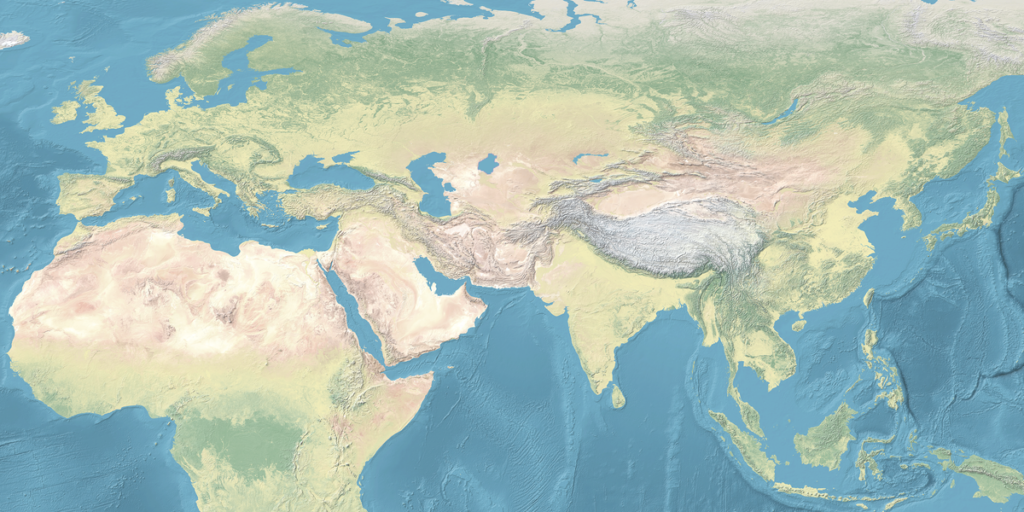
Eurasia — the combined landmass of Europe and Asia — covers an enormous range of climates, histories and political landscapes. Traveling that stretch mentally or on a map shows how borders, languages and economies shift from steppe to shore.
There are 78 Countries in Eurasia, ranging from Afghanistan to Yemen. For each entry you’ll find below Flag, Capital, Region (subregion + transcontinental note), so you can quickly scan symbols, seats of government and whether a country spans continents.
How did you decide which countries count as part of Eurasia?
The list uses common geographic definitions: sovereign states located on the contiguous Europe–Asia landmass. Where classification varies, I follow widely used references (geographic region and international recognition) and note any special cases in the Region column.
How are transcontinental countries represented in the table?
Each transcontinental country is shown once with its capital and flag, and the Region column includes both the primary subregion and a short transcontinental note so you can see at a glance if a country straddles Europe and Asia.
Countries in Eurasia
| Name | Flag | Capital | Region (subregion + transcontinental note) |
|---|---|---|---|
| Russia | 🇷🇺 | Moscow | Eastern Europe (partly Northern Asia) + Europe/Asia transcontinental |
| Turkey | 🇹🇷 | Ankara | Western Asia (also Southern Europe) + Europe/Asia transcontinental |
| Kazakhstan | 🇰🇿 | Astana | Central Asia (western portion in Europe) + Europe/Asia transcontinental |
| Azerbaijan | 🇦🇿 | Baku | Western Asia (Caucasus) + Europe/Asia transcontinental |
| Georgia | 🇬🇪 | Tbilisi | Western Asia (Caucasus) + Europe/Asia transcontinental |
| Egypt | 🇪🇬 | Cairo | Northern Africa (Sinai in Western Asia) + Africa/Asia transcontinental |
| Albania | 🇦🇱 | Tirana | Southern Europe (Southeast Europe) + mainland Europe |
| Andorra | 🇦🇩 | Andorra la Vella | Southern Europe (Southeast Europe) + mainland Europe |
| Austria | 🇦🇹 | Vienna | Western Europe (Central Europe) + mainland Europe |
| Belarus | 🇧🇾 | Minsk | Eastern Europe + mainland Europe |
| Belgium | 🇧🇪 | Brussels | Western Europe + mainland Europe |
| Bosnia and Herzegovina | 🇧🇦 | Sarajevo | Southern Europe (Southeast Europe) + mainland Europe |
| Bulgaria | 🇧🇬 | Sofia | Southern Europe (Southeast Europe) + mainland Europe |
| Croatia | 🇭🇷 | Zagreb | Southern Europe (Southeast Europe) + mainland Europe |
| Czechia | 🇨🇿 | Prague | Eastern Europe (Central Europe) + mainland Europe |
| Denmark | 🇩🇰 | Copenhagen | Northern Europe (Northern Europe/Jutland mainland) + mainland Europe |
| Estonia | 🇪🇪 | Tallinn | Northern Europe (Northern Europe) + mainland Europe |
| Finland | 🇫🇮 | Helsinki | Northern Europe + mainland Europe |
| France | 🇫🇷 | Paris | Western Europe + mainland Europe |
| Germany | 🇩🇪 | Berlin | Western Europe (Central Europe) + mainland Europe |
| Greece | 🇬🇷 | Athens | Southern Europe (Southeast Europe) + mainland Europe |
| Hungary | 🇭🇺 | Budapest | Eastern Europe (Central Europe) + mainland Europe |
| Italy | 🇮🇹 | Rome | Southern Europe + mainland Europe |
| Latvia | 🇱🇻 | Riga | Northern Europe (Northern Europe) + mainland Europe |
| Liechtenstein | 🇱🇮 | Vaduz | Western Europe (Central Europe) + mainland Europe |
| Lithuania | 🇱🇹 | Vilnius | Northern Europe (Northern Europe) + mainland Europe |
| Luxembourg | 🇱🇺 | Luxembourg | Western Europe (Western Europe) + mainland Europe |
| Moldova | 🇲🇩 | Chișinău | Eastern Europe + mainland Europe |
| Monaco | 🇲🇨 | Monaco | Western Europe (Southern Europe) + mainland Europe |
| Montenegro | 🇲🇪 | Podgorica | Southern Europe (Southeast Europe) + mainland Europe |
| Netherlands | 🇳🇱 | Amsterdam | Western Europe + mainland Europe |
| North Macedonia | 🇲🇰 | Skopje | Southern Europe (Southeast Europe) + mainland Europe |
| Norway | 🇳🇴 | Oslo | Northern Europe + mainland Europe |
| Poland | 🇵🇱 | Warsaw | Eastern Europe (Central Europe) + mainland Europe |
| Portugal | 🇵🇹 | Lisbon | Southern Europe (Southern Europe) + mainland Europe |
| Romania | 🇷🇴 | Bucharest | Eastern Europe (Southeast Europe) + mainland Europe |
| San Marino | 🇸🇲 | San Marino | Southern Europe (Southern Europe) + mainland Europe |
| Serbia | 🇷🇸 | Belgrade | Southern Europe (Southeast Europe) + mainland Europe |
| Slovakia | 🇸🇰 | Bratislava | Eastern Europe (Central Europe) + mainland Europe |
| Slovenia | 🇸🇮 | Ljubljana | Southern Europe (Southern Europe) + mainland Europe |
| Spain | 🇪🇸 | Madrid | Southern Europe (Southern Europe) + mainland Europe |
| Sweden | 🇸🇪 | Stockholm | Northern Europe + mainland Europe |
| Switzerland | 🇨🇭 | Bern | Western Europe (Central Europe) + mainland Europe |
| Ukraine | 🇺🇦 | Kyiv | Eastern Europe + mainland Europe |
| Vatican City | 🇻🇦 | Vatican City | Southern Europe (Southern Europe) + mainland Europe |
| Afghanistan | 🇦🇫 | Kabul | Southern Asia (Southern Asia) + mainland Asia |
| Armenia | 🇦🇲 | Yerevan | Western Asia (Caucasus) + mainland Asia |
| Bangladesh | 🇧🇩 | Dhaka | Southern Asia + mainland Asia |
| Bhutan | 🇧🇹 | Thimphu | Southern Asia + mainland Asia |
| Cambodia | 🇰🇭 | Phnom Penh | South-Eastern Asia + mainland Asia |
| China | 🇨🇳 | Beijing | Eastern Asia + mainland Asia |
| India | 🇮🇳 | New Delhi | Southern Asia + mainland Asia |
| Iran | 🇮🇷 | Tehran | Southern Asia (Western Asia) + mainland Asia |
| Iraq | 🇮🇶 | Baghdad | Western Asia + mainland Asia |
| Israel | 🇮🇱 | Jerusalem | Western Asia + mainland Asia |
| Jordan | 🇯🇴 | Amman | Western Asia + mainland Asia |
| Kuwait | 🇰🇼 | Kuwait City | Western Asia + mainland Asia |
| Kyrgyzstan | 🇰🇬 | Bishkek | Central Asia + mainland Asia |
| Laos | 🇱🇦 | Vientiane | South-Eastern Asia + mainland Asia |
| Lebanon | 🇱🇧 | Beirut | Western Asia + mainland Asia |
| Malaysia | 🇲🇾 | Kuala Lumpur | South-Eastern Asia (part Peninsular Malaysia) + mainland Asia |
| Mongolia | 🇲🇳 | Ulaanbaatar | Eastern Asia (Central Asia proximity) + mainland Asia |
| Myanmar | 🇲🇲 | Naypyidaw | South-Eastern Asia + mainland Asia |
| Nepal | 🇳🇵 | Kathmandu | Southern Asia + mainland Asia |
| North Korea | 🇰🇵 | Pyongyang | Eastern Asia + mainland Asia |
| Oman | 🇴🇲 | Muscat | Western Asia + mainland Asia |
| Pakistan | 🇵🇰 | Islamabad | Southern Asia + mainland Asia |
| Qatar | 🇶🇦 | Doha | Western Asia + mainland Asia |
| Saudi Arabia | 🇸🇦 | Riyadh | Western Asia + mainland Asia |
| South Korea | 🇰🇷 | Seoul | Eastern Asia + mainland Asia |
| Syria | 🇸🇾 | Damascus | Western Asia + mainland Asia |
| Tajikistan | 🇹🇯 | Dushanbe | Central Asia + mainland Asia |
| Thailand | 🇹🇭 | Bangkok | South-Eastern Asia + mainland Asia |
| Turkmenistan | 🇹🇲 | Ashgabat | Central Asia + mainland Asia |
| United Arab Emirates | 🇦🇪 | Abu Dhabi | Western Asia + mainland Asia |
| Uzbekistan | 🇺🇿 | Tashkent | Central Asia + mainland Asia |
| Vietnam | 🇻🇳 | Hanoi | South-Eastern Asia + mainland Asia |
| Yemen | 🇾🇪 | Sana’a | Western Asia (Southern Arabian Peninsula) + mainland Asia |
Images and Descriptions
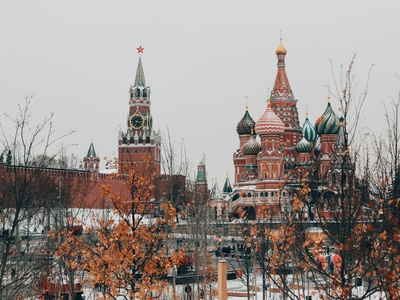
Russia
Spanning Eastern Europe and northern Asia, Russia is the largest country on the Eurasian landmass. It stretches from Europe to the Pacific, encompassing vast plains, tundra and Siberian forests, and is a defining Europe–Asia transcontinental state.
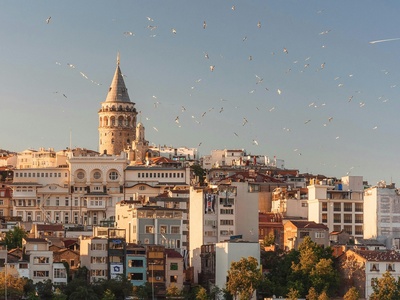
Turkey
Straddling Anatolia and a small European flank across the Bosporus, Turkey links Europe and Asia. Its varied landscape includes coastlines, plateaus and mountains; Istanbul highlights its enduring cultural and geographical bridge between continents.
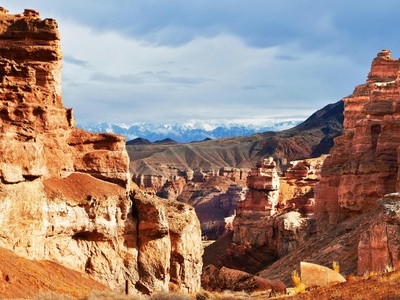
Kazakhstan
Kazakhstan is a vast Central Asian nation whose far-western territory crosses the Ural region into Europe. Known for steppes and desert margins, it combines nomadic heritage with Soviet-era cities and significant energy resources spanning two continents.
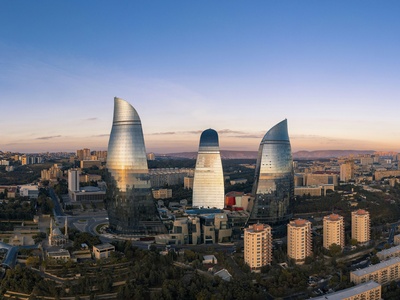
Azerbaijan
Sitting at the crossroads of Eastern Europe and Western Asia in the Caucasus, Azerbaijan fronts the Caspian Sea. Its varied terrain ranges from lowlands to mountain ranges; cultural mix reflects historical Eurasian trade routes and transcontinental ties.
Georgia
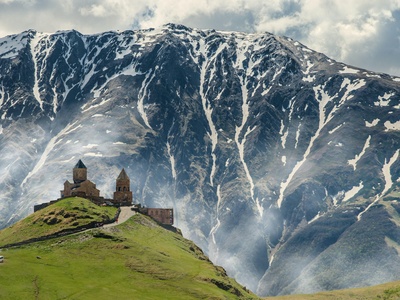
Located in the South Caucasus between the Black and Caspian seas, Georgia blends European and Asian influences. Mountainous and scenic, it has long been a geographic and cultural corridor linking Eurasian civilizations across the Caucasus.
Egypt
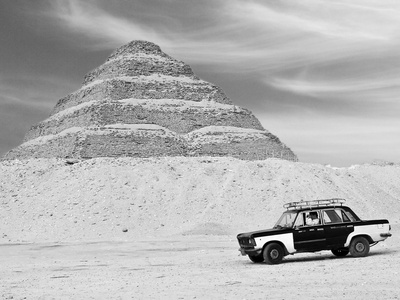
Mostly in North Africa, Egypt’s Sinai Peninsula lies in Western Asia, giving it a Eurasian land presence. Centered on the Nile, Egypt’s geography bridges Africa and Asia and has strategic routes between continents through Suez.
Albania
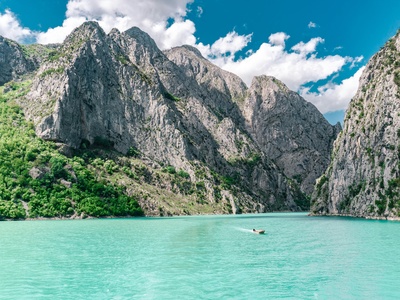
Small Balkan country on the Adriatic and Ionian seas, Albania features mountains, coastline and Ottoman-era towns. Situated on continental Europe, it offers a mix of Mediterranean climate and inland highlands within southeastern Europe.

Andorra
Enclosed in the eastern Pyrenees between France and Spain, Andorra is a microstate on the European mainland. Famous for mountain scenery, skiing and duty-free shopping, it occupies a compact high-altitude position in southwestern Europe.
Austria
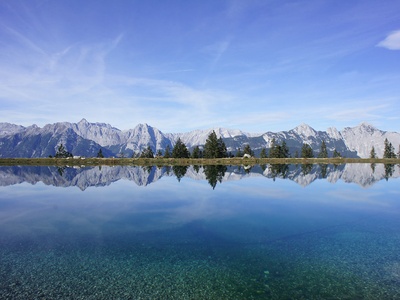
Landlocked in Central Europe, Austria is dominated by the Alps and rich cultural cities like Vienna. Its central location on the Eurasian landmass has long made it a crossroads of European trade, music and imperial history.
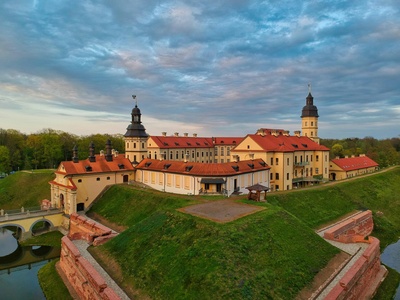
Belarus
Located on the East European Plain, Belarus is a landlocked nation with forests, marshes and agricultural lands. Its history and geography tie it closely to neighboring European states and the broad Eurasian plains.
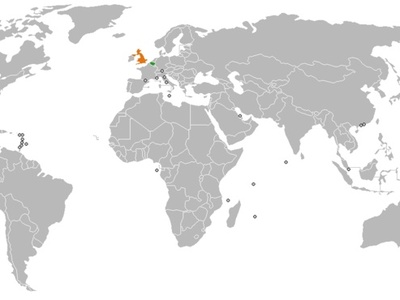
Belgium
A low-lying Western European country on the North Sea, Belgium hosts major European institutions and dense urban regions. Its continental location connects major trade routes between northern and southern Europe on the Eurasian landmass.
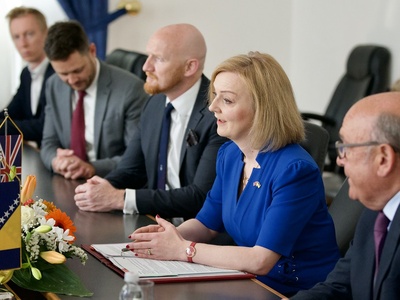
Bosnia and Herzegovina
In the western Balkans, Bosnia and Herzegovina features mountainous interior landscapes, historic Ottoman and Austro-Hungarian influences, and a short Adriatic coastline. It sits squarely on the European mainland within southeastern Europe.
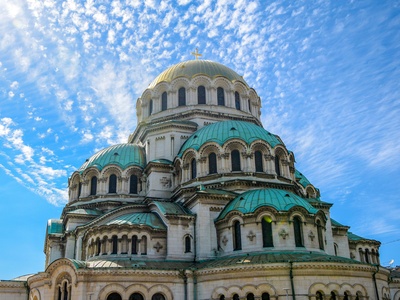
Bulgaria
Bordering the Black Sea and the Balkans, Bulgaria combines plains, mountains and a coastal strip. Its mainland European position connects the Balkans with the Eurasian land routes toward Anatolia and the Black Sea region.
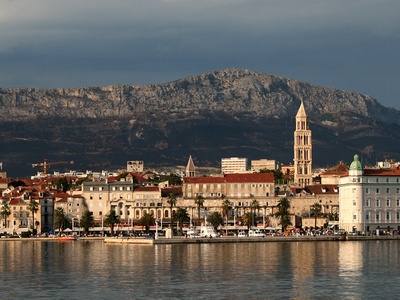
Croatia
Stretching from the Pannonian Plain to the Adriatic coast, Croatia mixes continental interior and coastal Adriatic islands. The mainland portion ties it firmly to Europe’s landmass while its coast is a major Mediterranean destination.
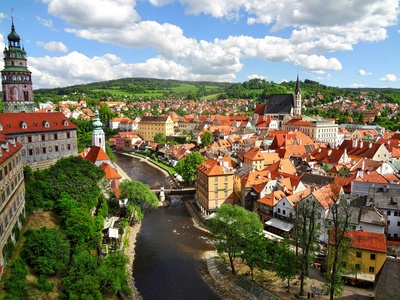
Czechia
Situated in Central Europe, Czechia is characterized by rolling hills, river valleys and historic cities. Landlocked on the European mainland, it occupies an important central position in Eurasian continental transport and cultural networks.
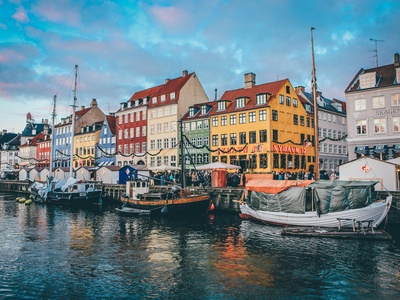
Denmark
Denmark includes the Jutland peninsula attached to continental Europe plus many islands. Jutland ties Denmark directly to the Eurasian mainland, while its maritime culture connects northern Europe’s coasts and waterways.
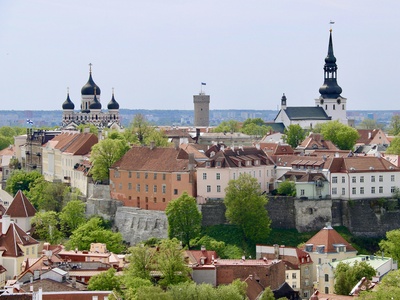
Estonia
On the eastern Baltic coast, Estonia features forests, marshes and a long coastline. As part of Northern Europe’s mainland and Baltic region, it has strong historical ties across Eurasia and sea routes to Scandinavia.
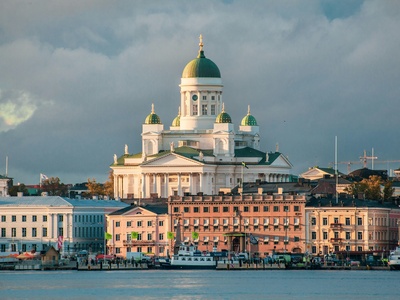
Finland
Finland occupies a large area of northern Europe with vast forests, lakes and an Arctic fringe. Bordering Sweden and Russia, its continental location places it on the Eurasian landmass with strong northern and Baltic connections.
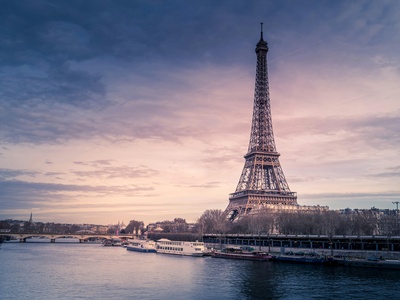
France
Metropolitan France’s mainland lies in Western Europe with diverse geography from Atlantic coasts to Alpine peaks. Its continental territory is integral to European land routes, culture and history across the Eurasian landmass.
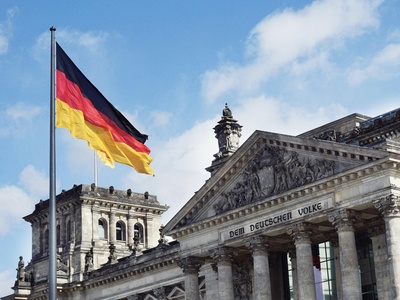
Germany
Central European powerhouse Germany spans the North European Plain to the Alps, with dense industrial regions and river networks. As a key continental hub, it anchors land connections across Eurasia’s heartland.
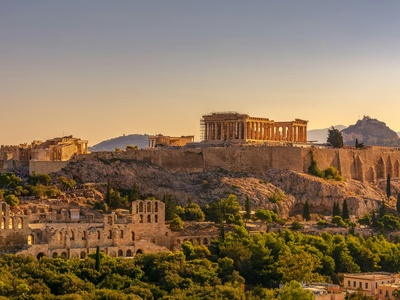
Greece
Greece combines a mountainous mainland peninsula and many islands. Mainland Greece sits on the European landmass at the crossroads of the Balkans and eastern Mediterranean, with deep historical links across Eurasia.
Hungary
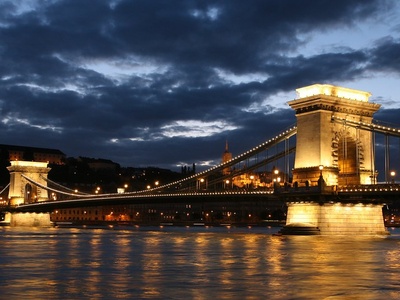
Landlocked on the Pannonian Plain, Hungary is a Central European country with rivers, plains and cultural capitals. Its continental location places it within Eurasian heartland routes linking western and eastern Europe.
Italy
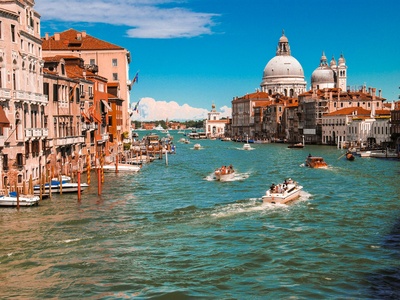
Italy’s long peninsula projects into the Mediterranean, but its mainland attaches to continental Europe. Home to Alpine regions and fertile plains, Italy occupies a southern European position with extensive historical influence across Eurasia.
Latvia
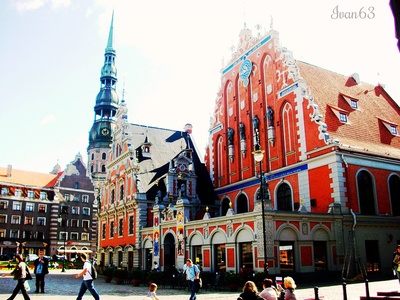
On the eastern Baltic, Latvia has forests, bogs and a coastal plain. Its mainland presence in Northern Europe places it within Baltic and Eurasian trade and cultural corridors connecting north-central Europe and Russia.
Liechtenstein
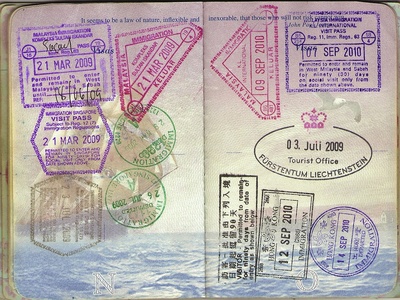
Tiny, landlocked Liechtenstein lies in the Alps between Switzerland and Austria. As a continental microstate on the European mainland, it specializes in finance and alpine tourism within central Eurasian mountain landscapes.

Lithuania
A Baltic state with forests and lakes, Lithuania’s mainland location connects northern and central Europe. Historically a crossroads in Eurasia, it now anchors Baltic regional links and overland routes toward Eastern Europe.
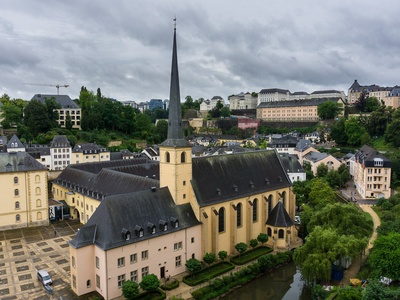
Luxembourg
Landlocked in Western Europe, Luxembourg is a compact, highly developed state in the heart of European transport and finance networks. Its continental position places it amid major Eurasian trade and political routes.
Moldova
Between Romania and Ukraine, Moldova is a landlocked Eastern European country with rolling plains and vineyards. Its continental location situates it on Eurasian agricultural and cultural corridors between Central and Eastern Europe.
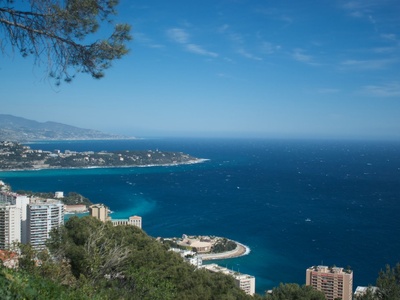
Monaco
A tiny principality on the French Riviera, Monaco sits on the European mainland coast. Known for Mediterranean luxury and a dense urban area, it occupies a compact continental position on Eurasia’s southern edge.
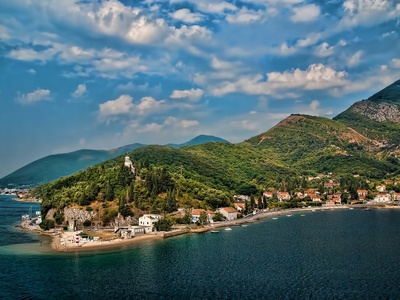
Montenegro
On the Adriatic coast and Balkan interior, Montenegro combines rugged mountains and Adriatic shoreline. Its mainland territory places it within southeastern Europe’s overland routes and maritime connections across Eurasia’s Mediterranean fringes.
Netherlands
Low-lying and coastal, the Netherlands has significant reclaimed land and major ports like Rotterdam. Its mainland European position on the North Sea makes it a central gateway for Eurasian maritime and continental trade.
North Macedonia
In the central Balkans, North Macedonia is landlocked with mountains and basins. Its continental location places it within the historic overland routes of southeastern Europe, connecting Aegean and Danubian regions across Eurasia.
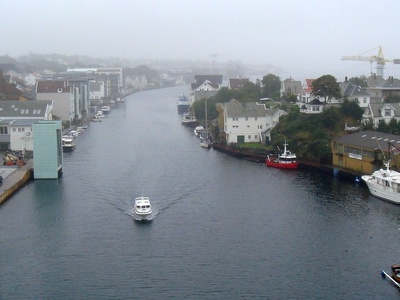
Norway
A long, rugged Scandinavian country with fjords, mountains and Arctic expanses, Norway occupies the European mainland. Its northern landmass stretches into the Arctic and anchors maritime and terrestrial links across northern Eurasia.
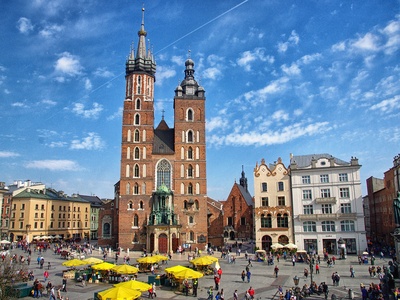
Poland
On the North European Plain, Poland is a large Central European state with rivers, farmland and historic cities. Its continental position is central to Eurasian land routes between Western and Eastern Europe.
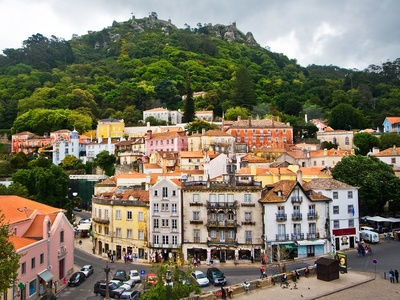
Portugal
Portugal’s mainland occupies the westernmost edge of continental Europe on the Iberian Peninsula. With Atlantic coasts and historic maritime ties, it sits on Eurasia’s western fringe with deep seafaring heritage.
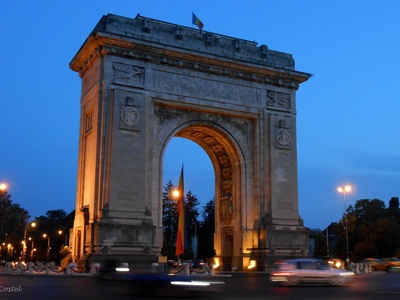
Romania
Bordering the Black Sea and the Carpathians, Romania mixes plains, mountains and coastline. As a continental state in southeastern Europe, it connects Eurasian land corridors between central Europe and Anatolia.
San Marino
Enclave within Italy, San Marino is a tiny republic on the European mainland in the Apennine hills. Its compact territory and medieval heritage place it squarely on the continental landmass of southern Europe.
Serbia
Located in the central Balkans, Serbia comprises plains and mountainous regions with the Danube crossing its heart. As a continental southeastern European country, it lies on historic Eurasian land routes between Europe and Asia.
Slovakia
Landlocked in Central Europe, Slovakia is dominated by Carpathian mountains and river valleys. Its mainland position is central to land links across Europe and the broader Eurasian landmass.
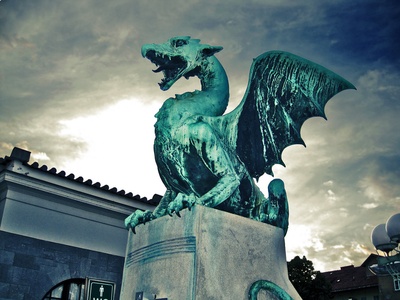
Slovenia
At the crossroads of the Alps, the Dinarides and the Adriatic, Slovenia’s mainland territory blends alpine and coastal geography. Its continental location bridges central Europe and the Mediterranean within the Eurasian landmass.
Spain
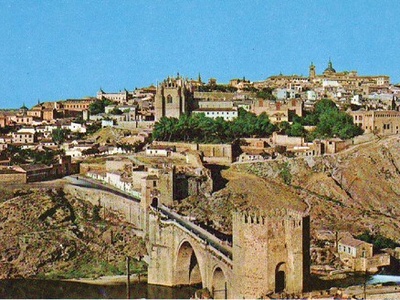
Spain occupies most of the Iberian Peninsula on continental Europe, with mountains, plateaus and extensive coastline. Its mainland position anchors southwestern Europe and maritime connections with Eurasian Mediterranean routes.
Sweden
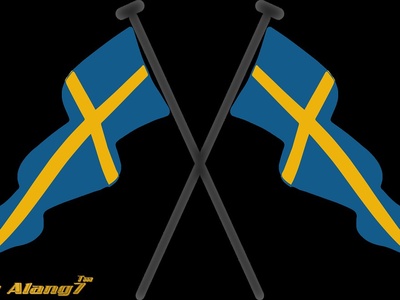
Sweden spans a long north–south axis of the Scandinavian Peninsula with forests, lakes and Arctic reaches. Connected to continental Europe via land, Sweden is a major northern European presence on the Eurasian landmass.
Switzerland
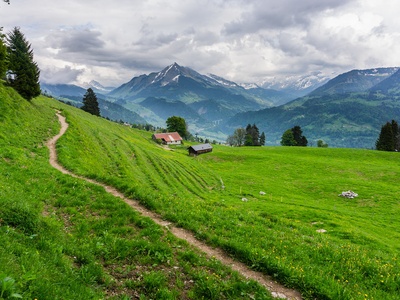
Enclosed by the Alps, Switzerland is a landlocked Central European nation with mountainous terrain and key passes. Its continental location places it at the heart of Eurasian north–south and east–west land corridors in Europe.

Ukraine
One of Europe’s largest countries by area, Ukraine spans fertile plains and Black Sea coastline. Located on the eastern European plain, its continental position is strategically central to Eurasian agricultural and transport networks.
Vatican City
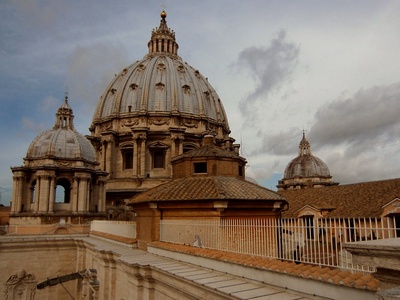
Enclosed within Rome, Vatican City is a tiny independent city-state on the European mainland. As the seat of the Holy See, it’s a unique sovereign presence on the Eurasian landmass with immense cultural and religious significance.
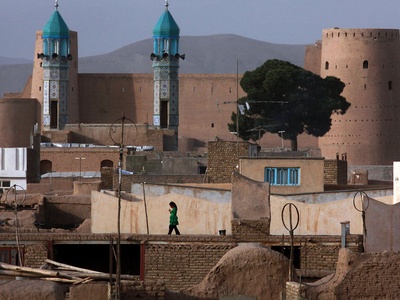
Afghanistan
Landlocked in South-Central Asia, Afghanistan features rugged mountains and arid plains. Sitting on historical Silk Road routes, its continental position links Central, South and West Asia and reflects a long history of Eurasian cultural exchange.
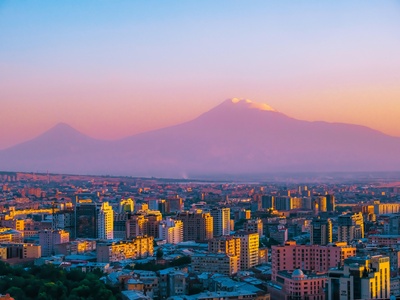
Armenia
A mountainous South Caucasus nation, Armenia lies on the Eurasian landmass near Europe and Asia junctions. With ancient cultural sites and highlands, it participates in regional Eurasian networks across the Caucasus.
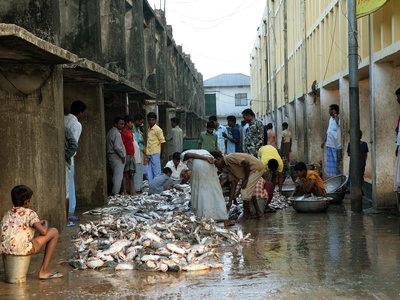
Bangladesh
Located on the Ganges-Brahmaputra Delta in South Asia, Bangladesh is low-lying with fertile plains, rivers and a long coastline. Its mainland position on the Eurasian landmass links it to South and Southeast Asian continental systems.
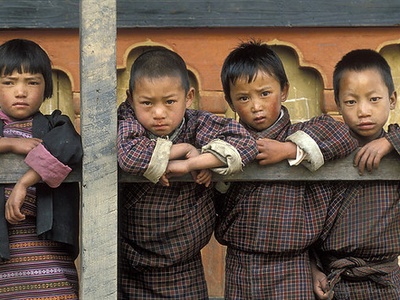
Bhutan
A Himalayan kingdom between India and China, Bhutan is mountainous with deep valleys and high-altitude culture. Its landlocked mainland location on Eurasia emphasizes Himalayan ecology and cultural ties across South Asia.

Cambodia
On the Indochinese mainland, Cambodia features the Mekong basin and Tonle Sap lake, with lowland plains and Khmer heritage sites like Angkor. Its continental position anchors it within Southeast Asia’s land-linked regions.
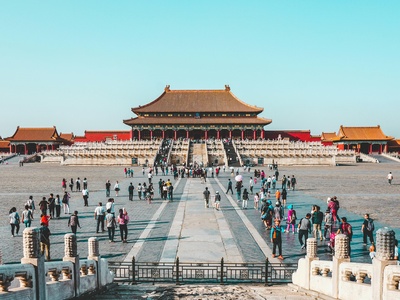
China
China occupies a vast portion of eastern Eurasia with diverse landscapes from deserts to high plateaus and eastern coasts. As a major continental power, it dominates land routes, rivers and cultural networks across much of Asia.
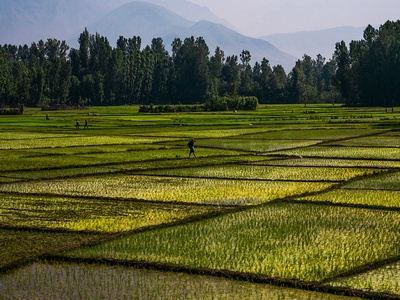
India
India’s large peninsula and northern plains make it a dominant South Asian land presence with mountain borders to the north and extensive coastline. Its continental mass connects South Asia to Central and eastern Eurasian regions.
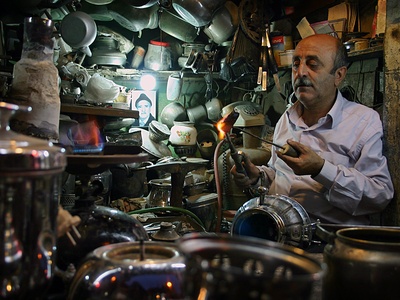
Iran
Spanning plateau and mountain regions of Western Asia, Iran controls key stretches between the Middle East, Central Asia and the Persian Gulf. Its continental geography underpins historic trade corridors across Eurasia.
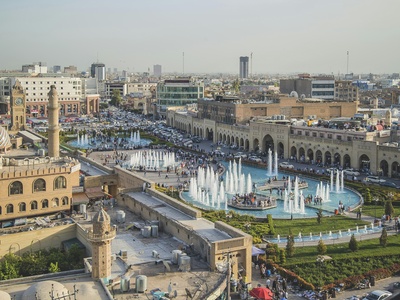
Iraq
Located in the Fertile Crescent, Iraq’s Tigris and Euphrates valleys give it a continental foothold in Western Asia. Its land position connects the Levant, Iran and Arabian interior along ancient Eurasian routes.
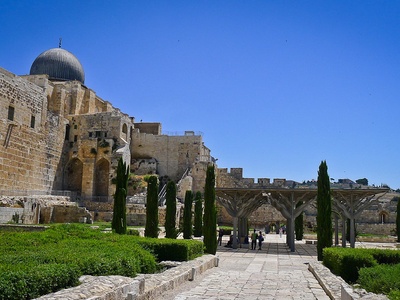
Israel
On the eastern Mediterranean coast, Israel’s mainland territory bridges the Levant and the Sinai region. Its compact continental footprint includes coastal plains, highlands and desert, making it a focal point of Eurasian regional geography.
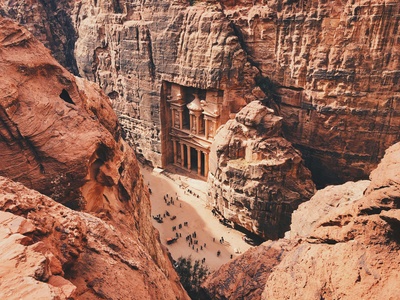
Jordan
Jordan sits on the Levantine mainland between the Jordan Valley and Arabian desert. Its continental position links the eastern Mediterranean and Arabian interior, with archaeological and desert landscapes central to regional Eurasian history.
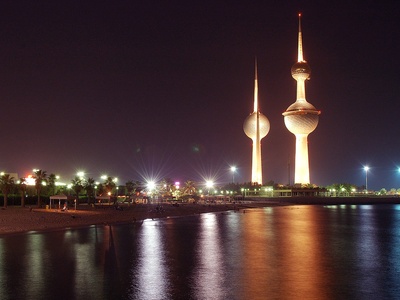
Kuwait
A small oil-rich state on the northern Persian Gulf, Kuwait occupies continental Arabian lowlands. Its mainland coastline and desert terrain position it within Gulf maritime and land connections across Western Asia.
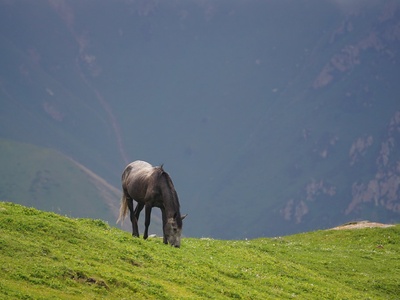
Kyrgyzstan
A mountainous Central Asian republic, Kyrgyzstan’s Tien Shan ranges dominate its landscape. Landlocked on the Eurasian interior, it forms part of highland corridors linking Central and East Asian cultural and trade routes.
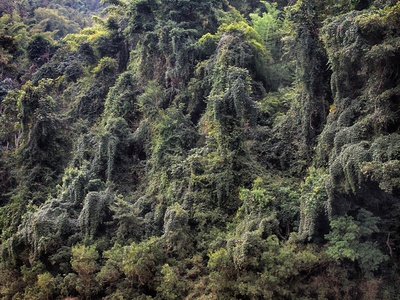
Laos
A landlocked Southeast Asian country on the Indochinese peninsula, Laos features river valleys and rugged highlands. Its continental position links mainland Southeast Asia’s overland networks between China, Vietnam, Thailand and beyond.
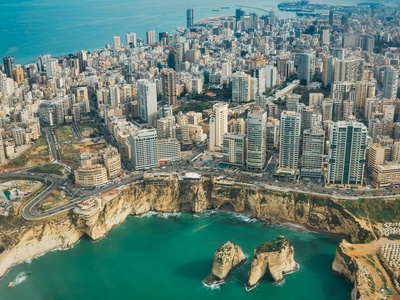
Lebanon
On the eastern Mediterranean coast, Lebanon’s narrow strip includes coastal plains and the Lebanon mountains. Its continental location in the Levant places it on historic Eurasian trade and cultural corridors linking Europe, Asia and Africa.
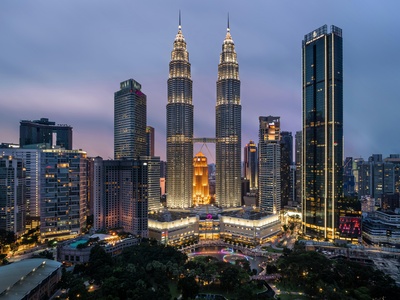
Malaysia
Malaysia has a peninsular portion on the Asian mainland and a Borneo region. Peninsular Malaysia connects directly to the Eurasian landmass via the Malay Peninsula, while its Borneo territories are island-based in Southeast Asia.
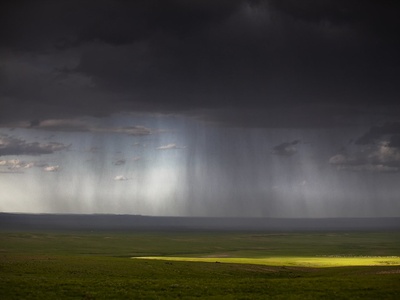
Mongolia
Landlocked between Russia and China, Mongolia’s vast steppes and high plateaus are emblematic of Eurasian interior landscapes. Its continental position on the Asian landmass anchors historic nomadic routes across Central and East Asia.
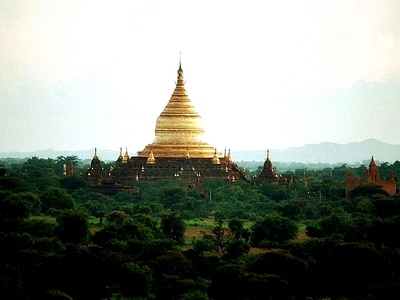
Myanmar
Located on the mainland of Southeast Asia, Myanmar combines coastal plains, central lowlands and uplands. Its continental geography places it at a junction between South and Southeast Asian overland corridors on the Eurasian landmass.
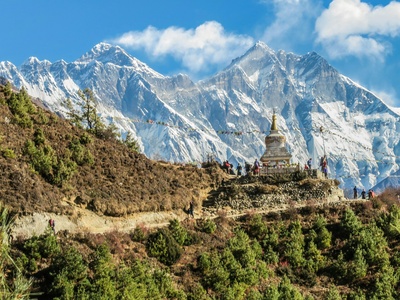
Nepal
Sandwiched in the Himalaya between India and China, Nepal is mountainous with deep valleys and high passes. Its continental position in South Asia makes it a key highland presence on the Eurasian landmass with strong trans-Himalayan ties.
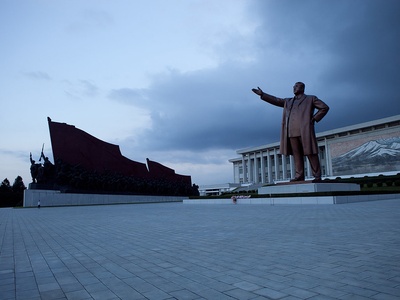
North Korea
On the Korean Peninsula’s northern half, North Korea shares land borders with China and Russia, anchoring it to the Asian mainland. Mountainous and coastal regions define its terrain and its continental position within East Asia.
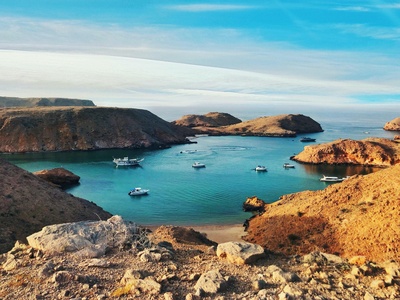
Oman
Oman occupies southeastern Arabian Peninsula mainland with mountains, deserts and an extensive coastline on the Arabian Sea. Its continental territory anchors maritime routes of the Middle East and provides overland links across southwestern Asia.
Pakistan
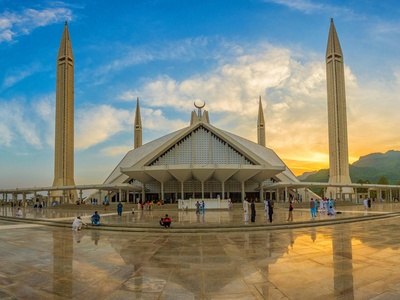
From Arabian Sea coasts to mountain ranges in the north, Pakistan’s mainland spans diverse landscapes in South Asia. Its continental geography links South Asia with Central and West Asia along major Eurasian corridors and historic routes.

Qatar
A small peninsula on the Arabian Gulf, Qatar is connected to the Arabian mainland and features desert plains and extensive coastline. Its continental peninsular position situates it within Persian Gulf energy and maritime networks across Western Asia.
Saudi Arabia
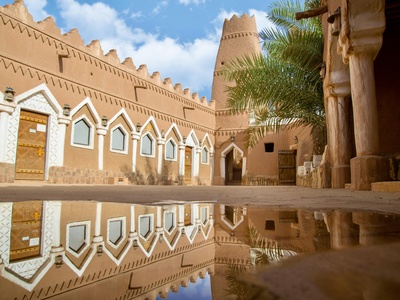
Dominating the Arabian Peninsula’s mainland, Saudi Arabia has vast deserts, Red Sea and Gulf coastlines, and religiously significant sites. Its continental mass shapes land routes and maritime outlets linking Africa and Asia on the Eurasian periphery.
South Korea
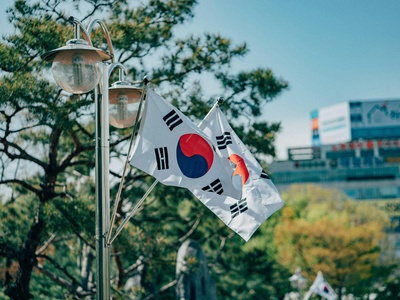
On the southern half of the Korean Peninsula, South Korea occupies a continental peninsular landmass connected via North Korea to mainland Asia. Its busy coasts, mountains and industrial regions are integral to East Asian continental networks.
Syria
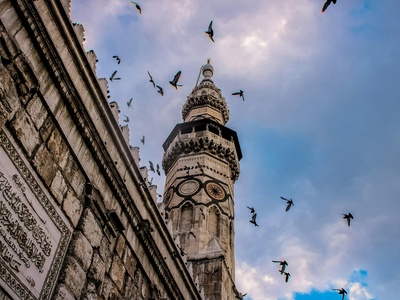
Syria’s mainland territory in the Levant includes fertile plains, mountains and Mediterranean coast. Positioned on Eurasia’s western Asian landmass, it has historically been a crossroads between Anatolia, Mesopotamia and the Mediterranean world.
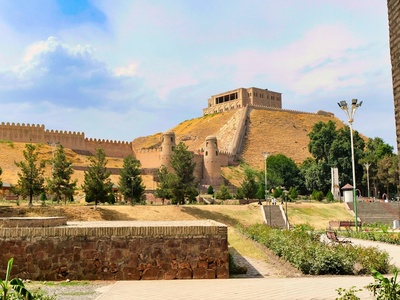
Tajikistan
A mountainous, landlocked nation in Central Asia, Tajikistan’s ranges dominate its landscape with high-altitude valleys. As part of the Eurasian interior, it forms links across Central Asian highlands and historical Silk Road corridors.
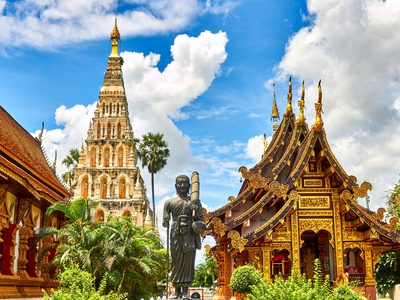
Thailand
Thailand’s mainland stretches from the Malay Peninsula northward with coastal plains, highlands and river basins. Its continental position anchors mainland Southeast Asia and connects maritime and overland routes across the Eurasian regional network.
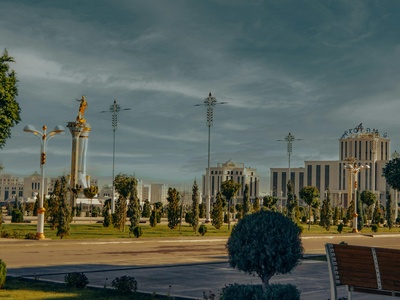
Turkmenistan
Occupying stretches of desert and Caspian coastline, Turkmenistan sits on the Eurasian interior of Central Asia. Its continental geography includes ancient oasis cities and modern energy corridors linking East and West across the landmass.
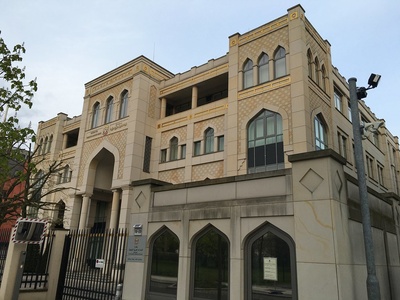
United Arab Emirates
On the southeastern Arabian Peninsula, the UAE’s coastal and desert mainland includes key ports and oil wealth. Its continental peninsular position places it along Persian Gulf maritime routes and Arabian overland connections across Eurasia.
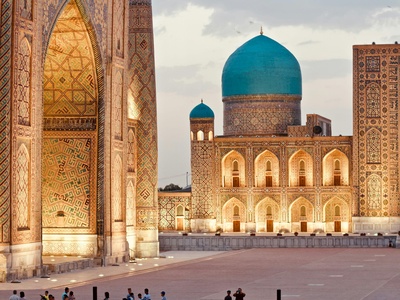
Uzbekistan
A double-landlocked Central Asian state, Uzbekistan is centered on the historic Silk Road with deserts, river valleys and ancient cities. Its continental position anchors cultural and trade links across the heart of Eurasia.
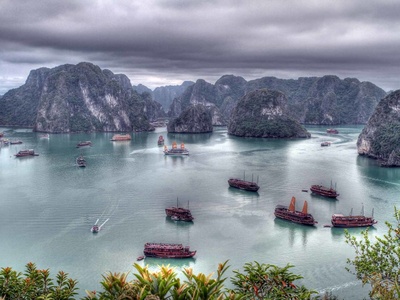
Vietnam
Along the eastern edge of the Indochinese peninsula, Vietnam’s mainland includes delta plains, highlands and a long coastline. Its continental location integrates Southeast Asian land routes and maritime approaches within the Eurasian regional system.
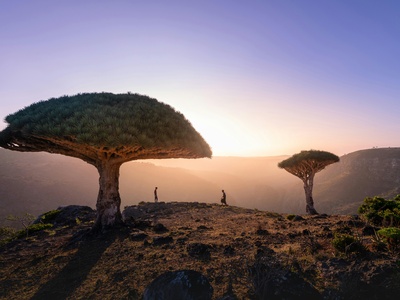
Yemen
Occupying the southern end of the Arabian Peninsula, Yemen’s mainland terrain includes mountains, deserts and Red Sea coastline. Its continental position links Arabian maritime routes and overland pathways at the southern edge of Eurasia.