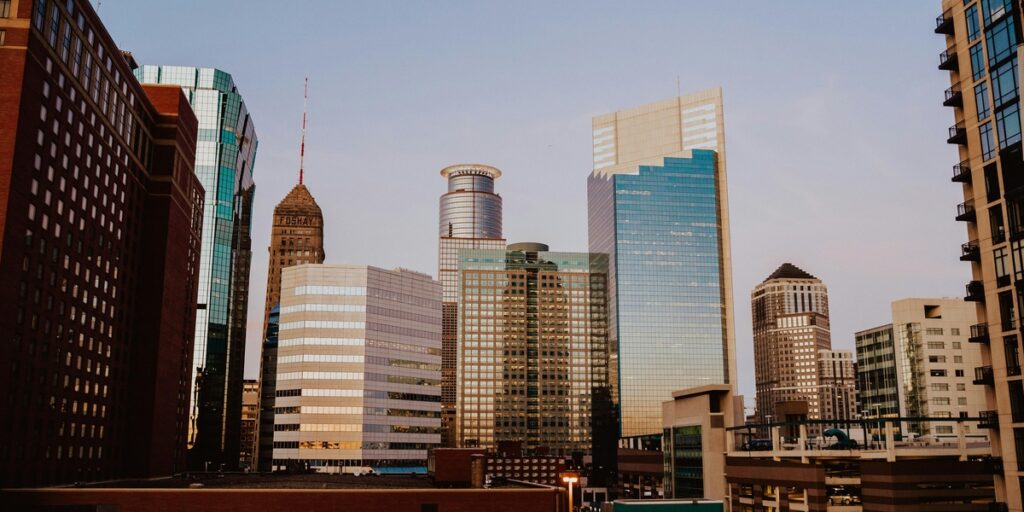
St. Paul’s skyline was reshaped in the early 20th century as the city grew from river port to regional hub — pockets of that history are alive in neighborhoods, parks, and museums. The city today is compact and approachable, home to roughly 311,000 people (2020 census), so you can pack a lot into a single weekend without long transit times.
If you’re hunting for Cool things to do in St Paul, this list balances outdoor riverfront time, hands-on cultural stops, and tasty neighborhood evenings. Below are seven well-curated picks organized into three short sections: outdoors, arts & performance, and food & nightlife.
Outdoor & Riverfront Adventures

St. Paul’s riverfront and big city parks make it easy to get outside without leaving downtown. Many riverfront paths, picnic spots, and playgrounds are free or low-cost, and seasonal events—spring festivals, summer paddleboarding, and fall foliage along Summit Avenue—give every visit a different vibe.
Start your outdoor day near Union Depot for easy transit connections, then choose a short walk, a bike loop, or a rented paddleboard to explore the Mississippi. Bring layers: prime months range from cool springs in the 40s–60s°F to warm summer days in the 70s–80s°F.
1. Como Park Zoo & Conservatory
Como Park is a must-see family-friendly attraction with a mix of gardens, animal exhibits, and free outdoor spaces. The Marjorie McNeely Conservatory houses the Sunken Garden and tropical displays, while the adjacent outdoor zoo areas traditionally offer free admission (check current policies before visiting).
Expect seasonal plant shows, a historic carousel, and calm walking paths—perfect for photographers and families. The park covers several hundred acres (verify exact acreage on the city or park website) and the conservatory dates back to the early 20th century; confirm opening years and hours with official sources.
2. Mississippi Riverfront & Harriet Island
The Mississippi Riverfront is the city’s main outdoor draw: a riverwalk, event lawns at Harriet Island Regional Park, and easy access from Union Depot. A popular riverwalk segment near downtown runs roughly a mile and links plazas, public art, and places to launch small craft.
Rentals for kayaks and paddleboards operate from spring through early fall—local outfitters set hourly and half-day rates—and Harriet Island hosts seasonal festivals and outdoor concerts. Practical tip: arrive early on event days to find nearby parking, or take light rail to Union Depot for a short walk.
3. Summit Avenue & Cathedral Hill Stroll
Summit Avenue is one of the longest intact Victorian streets in the U.S., a scenic boulevard lined with historic mansions and anchored visually by the Cathedral of Saint Paul. A stroll here rewards architecture lovers and anyone who enjoys leafy, photogenic streets.
A sensible route starts near the cathedral and wanders west past notable homes—consider a stop at the James J. Hill House museum to see Gilded Age interiors. Pop into nearby coffee shops on Summit or Grand Avenue for a break; they make the walk easy to pace.
Arts, Museums & Live Performance
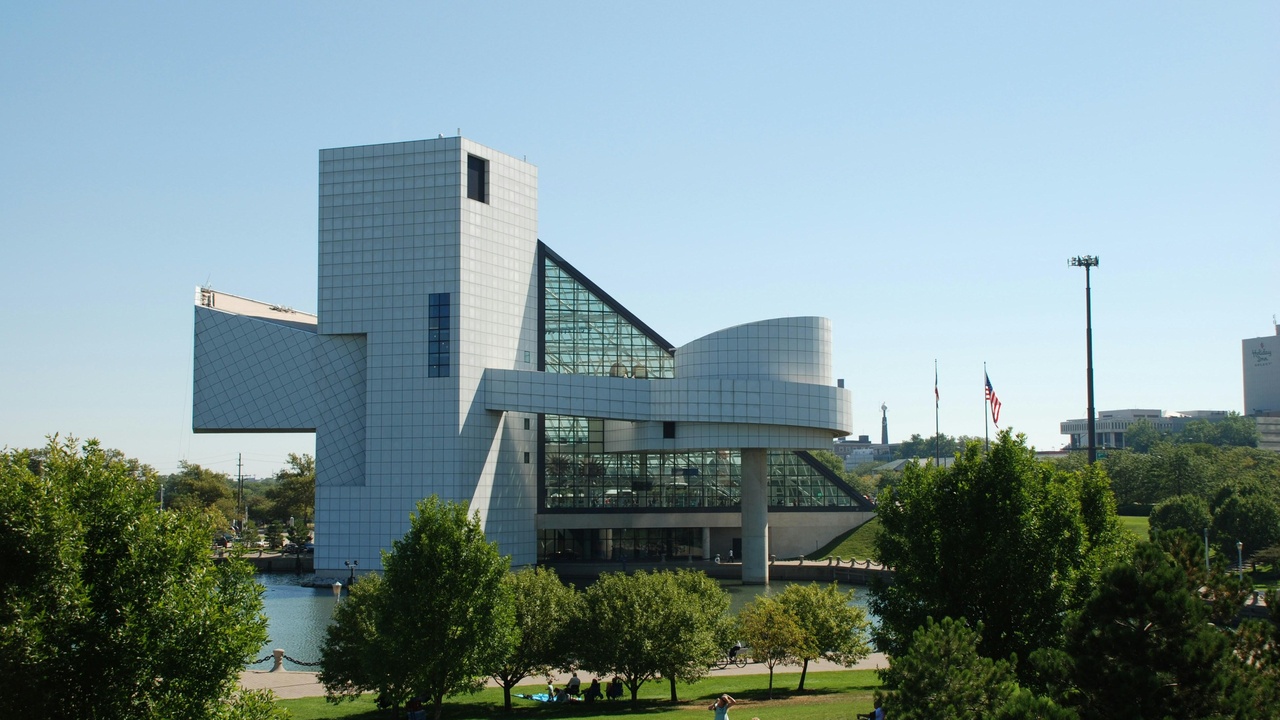
St. Paul packs several mid-size cultural institutions and theaters into a walkable downtown corridor. Expect hands-on exhibits that engage kids, plus steady evening programming at venues that range from intimate theaters to arena shows.
Many museums post timed-ticket options for busy exhibits, and theaters recommend arriving 30–45 minutes before curtain. Check official venue pages for exact seating capacities and annual visitor figures when planning a visit.
4. Science Museum of Minnesota
The Science Museum is a top pick for interactive learning, with strong river-ecology displays and a domed Omnitheater-style theater for big-screen shows. Hands-on galleries let kids poke, touch, and experiment rather than just read labels.
Plan on about 2–3 hours for a satisfying visit to the permanent galleries and a show; families often add time for special exhibits. Ticket pricing, membership perks, and Omnitheater schedules change seasonally—verify current hours and discounts on the museum’s official site.
5. Live Music & Theater — Ordway, Fitzgerald, and Event Venues
St. Paul’s performing-arts calendar is steady: the Ordway Center hosts symphony programs and touring musicals, the Fitzgerald Theater stages radio recordings and plays, and larger acts arrive at arenas in the metro area. Shows range from intimate recitals to arena concerts with roughly 18,000 seats at major venues—verify specific capacities for event planning.
For last-minute tickets check box offices and neighborhood bars that sometimes hold rush seats. Pair an evening performance with a pre-show dinner in Lowertown or Rice Park—both offer walkable dining and an easy post-show stroll.
Food, Drink & Neighborhood Vibes
St. Paul’s neighborhoods serve up craft breweries, farm-to-table spots, and weekend markets that capture local flavor. Lowertown and Grand Avenue are two reliable zones for dinner and late-night drinks, while farmers’ markets typically run through spring to early fall (check seasonal calendars).
Reservations are recommended for popular weekend dinner times; many casual taprooms welcome walk-ins. Expect a range of price points—from affordable market food to mid-range tasting menus.
6. Summit Brewing and the Local Brewery Scene
Summit Brewing offers an accessible brewery experience with tastings and a strong local reputation; the company was founded in the mid-1980s (verify the exact founding year on Summit’s site). Its flagship ales have anchored the Twin Cities craft scene for decades.
Tours and tasting-room hours change seasonally; many visitors pair a brewery stop with food trucks or nearby restaurants in Lowertown. Try a well-known Summit beer during a tasting flight to compare styles, and ask about seasonal releases when you arrive.
7. Lowertown Dining, Markets, and Nightlife
Lowertown is St. Paul’s hotspot for restaurants, weekend markets, and arts-driven nightlife. The neighborhood mixes casual eateries, coffee shops, and occasional open-air markets that sell local produce, flowers, and artisan goods.
A sample evening: an early dinner at a Lowertown bistro, a short walk to a nearby theater, then a late dessert or nightcap at a cozy bar. For busy weekend nights call ahead—many spots take reservations or hold a limited number of walk-in tables.
Summary
- Pick a riverfront walk from Union Depot to Harriet Island for easy outdoor time and seasonal festivals.
- The Science Museum (plan 2–3 hours) and Como Park’s conservatory/carousel are top family-friendly, low-cost stops.
- Summit Brewing (founded in the 1980s) showcases the local beer scene; Lowertown pairs well with theaters and evening dining.
- Check venue pages for exact hours, ticketing, and seating (major arenas seat roughly 18,000 people); book ahead for weekend plans.
- Pick one of these seven and go this weekend—then double-check hours and any ticketed-entry requirements before you leave.