No Ghost Towns in North Carolina meet the strict criteria
Define a ghost town as a permanently abandoned settlement that still shows visible remains, has an official historic record or GNIS listing, and is legally accessible to visitors. Under that strict definition, no places in North Carolina reliably meet all the criteria for a verified, visitable entry on a “Ghost Towns in North Carolina” list.
Understand why the strict criteria produce an empty result. North Carolina’s settlements rarely vanish intact. Many old villages were absorbed into growing towns, converted into parks, or demolished for new development. Other sites survive only in maps or family records, with no visible ruins left on the ground. Some former settlements sit on private land, or were cleared and flooded for reservoirs, so they fail the accessibility or visible-remains tests.
Consider the technical and historical reasons behind the absence. Colonial and 19th-century communities in this state often evolved rather than emptied. Textile mill villages, mountain mining camps, and small coastal hamlets were reused, rebuilt, or repurposed. Official place-name databases (like GNIS) and state archives seldom list fully abandoned, accessible sites with remains. That makes strict, verifiable “ghost towns” rare or undocumented here.
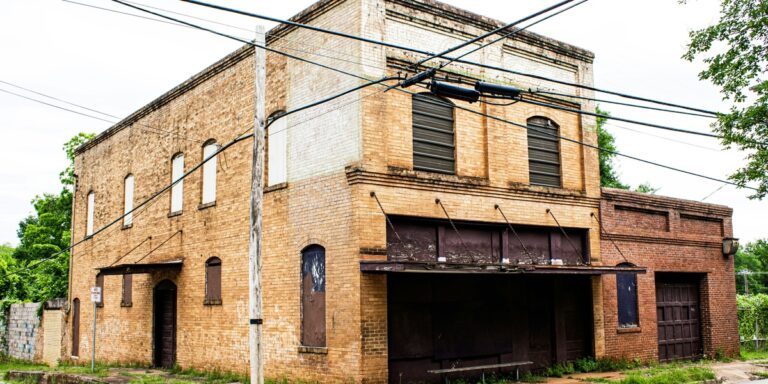
Explore close alternatives that do exist and will interest you. Look for mountain mining camps and logging sites in western North Carolina, abandoned textile mill villages in the Piedmont with standing ruins, coastal communities lost to erosion or reservoirs, and preserved historic districts or archaeological sites. These related categories offer the same history, photo ops, and exploration value readers expect from “Ghost Towns in North Carolina.”
Explore former mill villages, mining camps, submerged communities, and preserved historic districts instead.