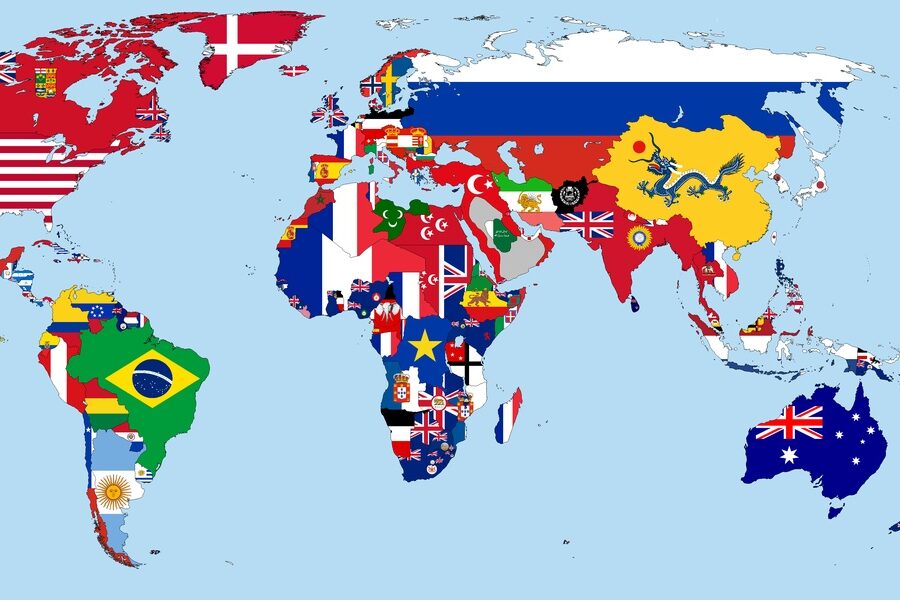
Spanish connects countries across continents, shaping festivals, media and everyday life from the Iberian Peninsula through Latin America and into communities worldwide. That spread shows how a single language threads together varied histories and landscapes.
There are 20 Countries that Speak Spanish, ranging from Argentina to Venezuela. For each country you’ll find below data organized as Flag (emoji),Spanish status,Spanish speakers (%), so you can quickly compare official status and prevalence across the list you’ll find below.
Which nations are counted among the Spanish-speaking countries?
The list covers sovereign states where Spanish is widely used or holds official status — primarily Spain and most of Latin America — totaling 20 countries; it excludes territories and regions where Spanish is common but not a primary national language.
How reliable are the “Spanish speakers (%)” figures?
Percentages are estimates drawn from censuses and language surveys and can vary by source and year; use them as a comparative snapshot rather than an exact headcount, and check country-specific statistics for precise, up-to-date figures.
Countries that Speak Spanish
| Country | Flag (emoji) | Spanish status | Spanish speakers (%) |
|---|---|---|---|
| Spain | 🇪🇸 | Official | 98% |
| Mexico | 🇲🇽 | Widely spoken | 93% |
| Guatemala | 🇬🇹 | Official | 68% |
| Honduras | 🇭🇳 | Official | 98% |
| El Salvador | 🇸🇻 | Official | 98% |
| Nicaragua | 🇳🇮 | Official | 98% |
| Costa Rica | 🇨🇷 | Official | 98% |
| Panama | 🇵🇦 | Official | 93% |
| Cuba | 🇨🇺 | Official | majority |
| Dominican Republic | 🇩🇴 | Official | 98% |
| Colombia | 🇨🇴 | Official | 99% |
| Venezuela | 🇻🇪 | Official | 98% |
| Ecuador | 🇪🇨 | Official | 93% |
| Peru | 🇵🇪 | Official | 84% |
| Bolivia | 🇧🇴 | Co-official | 63% |
| Paraguay | 🇵🇾 | Co-official | 87% |
| Chile | 🇨🇱 | Official | 99% |
| Argentina | 🇦🇷 | Widely spoken | 98% |
| Uruguay | 🇺🇾 | Official | 98% |
| Equatorial Guinea | 🇬🇶 | Official | 68% |
Images and Descriptions
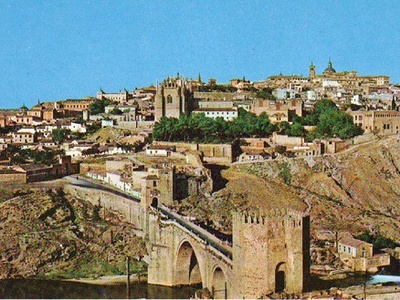
Spain
Spanish (Castilian) originated here during the Reconquista and spread across the empire. Located in southwestern Europe, Spain is the linguistic birthplace of modern Spanish, with regional languages; essential for travelers and learners exploring cities, culture, and literature.
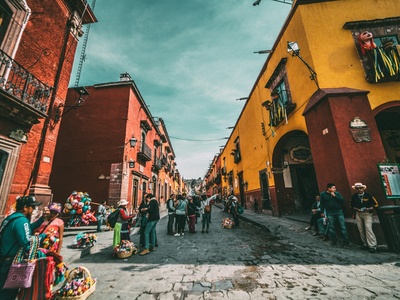
Mexico
Spanish arrived with Spanish colonization in the 16th century and blended with indigenous languages. As North America’s largest Spanish-speaking country, Mexico offers varied dialects, rich cuisine and culture — crucial for travelers, business, and language students.
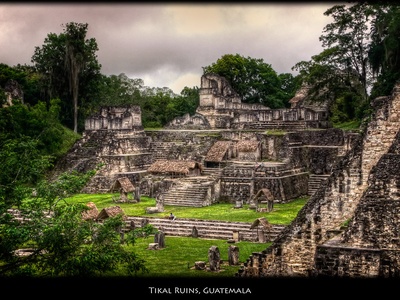
Guatemala
Spanish in Guatemala came from colonial rule and coexists with many Mayan languages. In Central America, Spanish is the main language of government and urban life; travelers benefit from basic Spanish to navigate markets, transport, and cultural sites.
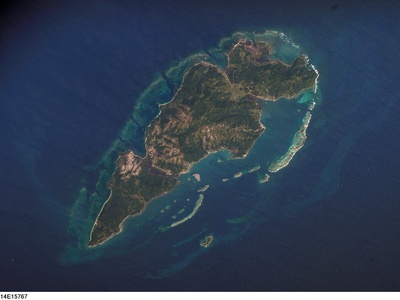
Honduras
Spanish arrived during Spanish colonization and is dominant across cities and coasts. In Central America, Honduras uses Spanish for government, media, and education; travelers should know Spanish for markets, nature tourism, and local interactions.

El Salvador
Spanish was established during colonization and is the national language across this small Central American country. El Salvador’s Spanish is useful for travelers visiting beaches, volcanoes, and colonial towns; local slang and pronunciations are distinct.
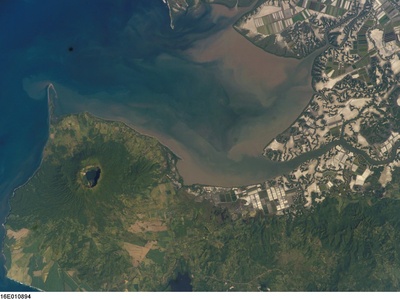
Nicaragua
Spanish took root under Spanish rule and is the main language in cities and most regions; on Caribbean coasts English-based creoles exist. Spanish helps travelers communicate, especially for exploring lakes, volcanoes, and colonial towns.

Costa Rica
Colonial Spanish shaped Costa Rica’s language; Spanish is used in education, government, and tourism. Known for stable society and eco-tourism, basic Spanish aids travel, volunteering, and cultural exchanges across regions.
Panama
Spanish arrived with colonization and dominates nationwide though Afro-Caribbean English creoles appear in some coastal areas. Spanish is vital for transit between continents, canal-related commerce, and enjoying Panamanian cultural life.
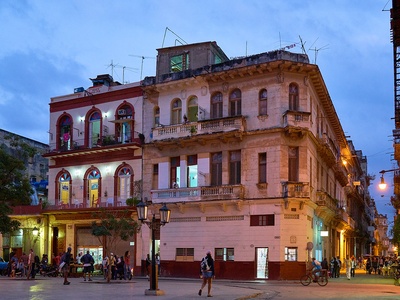
Cuba
Spanish was brought by Spanish colonizers and shaped island culture, music, and literature. As a Caribbean nation, Cuba’s Spanish has distinct rhythms and slang; essential for travelers to connect with locals and understand cultural history.
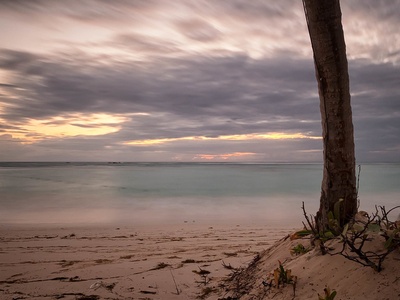
Dominican Republic
Spanish colonization established the language on Hispaniola; Dominican Spanish features unique pronunciation and vibrant musical expressions. For travelers, Spanish opens access to beaches, historic Santo Domingo, and lively cultural scenes.
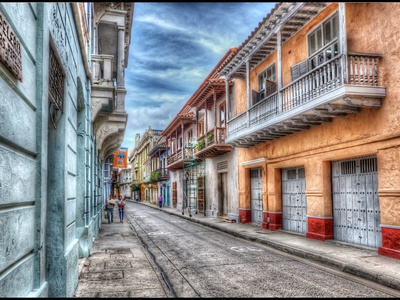
Colombia
Spanish arrived with colonizers and evolved into diverse regional accents across Andean, coastal, and Amazonian areas. As a major South American nation, Colombia’s Spanish is key for business, travel, and rich literary traditions.
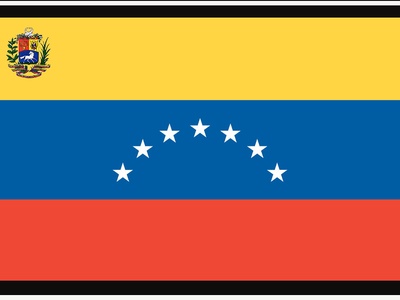
Venezuela
Spanish came with colonial settlement and mixed with indigenous and African influences. In northern South America, Venezuelan Spanish is widespread in cities and oil regions; useful for travel, commerce, and cultural exploration.
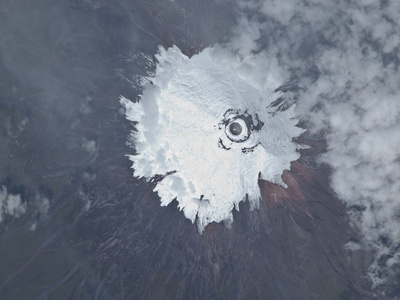
Ecuador
Spanish spread during colonial times and is dominant in coastal and highland regions alongside indigenous languages in the Amazon. Ecuador’s Spanish helps travelers access Quito, Galápagos tours, and local markets.
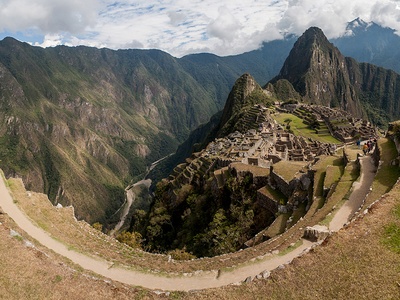
Peru
Spanish was introduced by colonizers and coexists with Quechua and Aymara, especially in the highlands. In Peru, Spanish is essential for visiting Lima and tourist sites like Machu Picchu, while appreciating significant indigenous language presence.
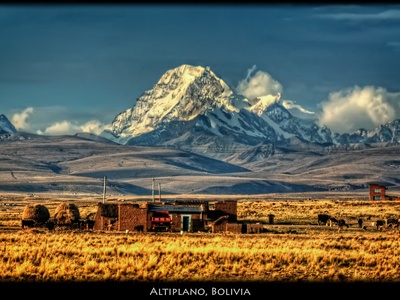
Bolivia
Spanish arrived during colonial rule and is co-official with many indigenous languages such as Quechua and Aymara. In this Andean nation, Spanish is common in cities; learning basics aids travel between highland and lowland regions.
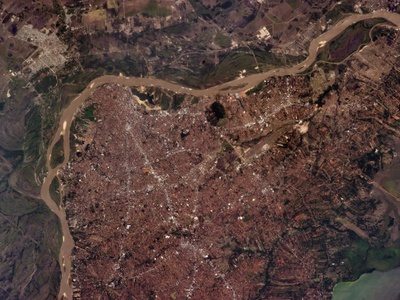
Paraguay
Spanish was introduced under colonialism and exists alongside Guarani, which has deep cultural roots. Paraguayan bilingualism makes Spanish practical for travel and understanding local traditions, urban life, and national identity.
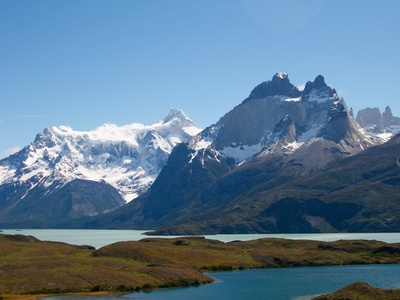
Chile
Spanish spread via colonial settlers and is dominant from the Atacama to Patagonia. Chilean Spanish has unique pronunciation and slang; essential for travelers exploring Santiago, wine regions, and long coastal and mountain landscapes.
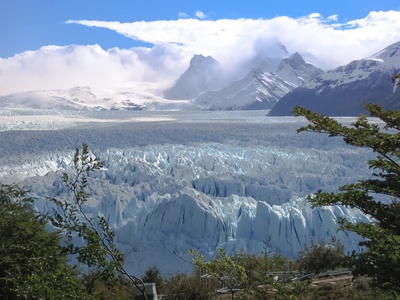
Argentina
Spanish came with European colonization and developed distinctive rioplatense features influenced by Italian immigration. In southern South America, Spanish is the main language for travel, culture, and business, with useful local expressions.
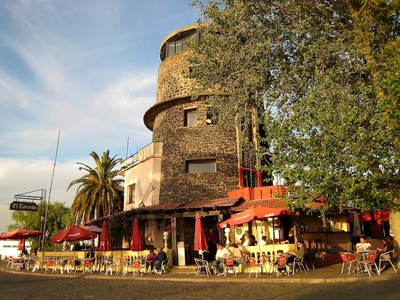
Uruguay
Spanish was established during the colonial era and is dominant in cities and countryside. Uruguayan Spanish is similar to Argentine rioplatense; useful for travelers enjoying Montevideo, coastal resorts, and gaucho traditions.
Equatorial Guinea
Spanish was introduced during colonial times and remains an official language alongside French and Portuguese. In Central Africa, Spanish is used in government and education; important for official business and cultural ties with the broader Hispanic world.