The Gambia is a slim country centered on its waterways, with communities, wildlife and transport closely tied to the main river that cuts through the landscape. Rivers shape farming, fishing and local travel, and they’re the easiest way to understand the country’s geography.
There are 1 Rivers in Gambia, ranging from Gambia River to Gambia River (the nation’s primary waterway). For each entry, you’ll find below the columns: Length (km),Primary location,Notes (max 15 words), organized to make comparisons and quick reference simple — you’ll find below.
Is the Gambia River navigable for most boats?
Yes — large stretches of the Gambia River are navigable, especially near the coast and during the wet season; smaller tributaries may be shallow in dry months. Local ferries and cargo boats use the main channel, but navigation can be affected by tides and seasonal depth changes.
How were the river lengths and locations determined?
Lengths and primary locations are based on national mapping data and hydrological references; where measurements vary, the most commonly cited figures are used and concise notes explain any major discrepancies.
Rivers in Gambia
| Name | Length (km) | Primary location | Notes (max 15 words) |
|---|---|---|---|
| Gambia River | 1,130 | Flows east–west across The Gambia; mouth at Banjul (13.45, -16.58) | Largest river; navigable estuary; originates in Guinea; national transport axis |
Images and Descriptions
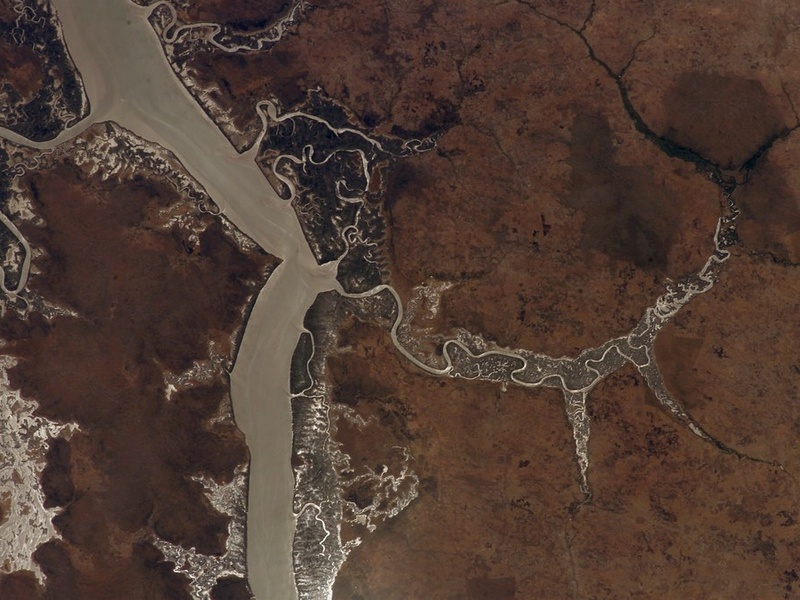
Gambia River
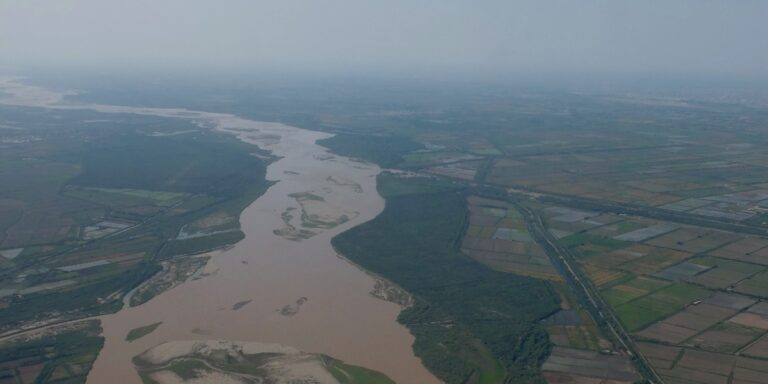
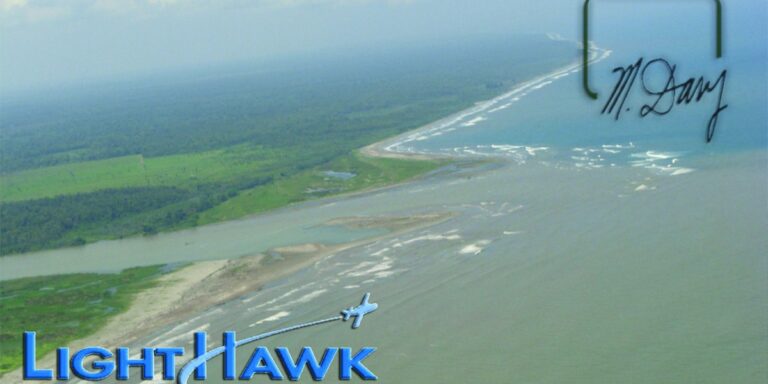
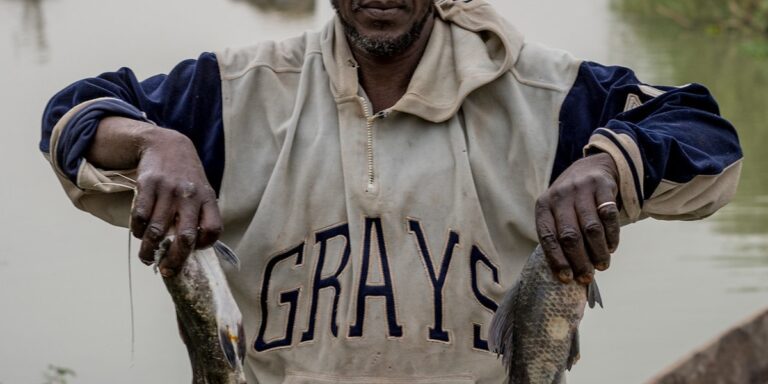
Know the Gambia River. It is the main river of The Gambia and gives the country its name. The river runs about 1,130 km from the Fouta Djallon highlands in Guinea, through Senegal, and into the Atlantic at Banjul. It flows west across the country in a long, narrow valley. Towns on its banks include Basse Santa Su, Janjanbureh, Kuntaur, and Banjul. The river is navigable by boats for many miles and supports fishing, transport, and farming. Include it as the central entry because it defines The Gambia’s geography and main waterways.