Japan’s major cities blend centuries-old neighborhoods with modern business districts, shaping Japan’s culture, economy and transport networks. From coastal ports to inland hubs, these urban centers give a quick lens into how people live and work across the country.
There are 10 Largest Cities in Japan by Population, ranging from Fukuoka to Yokohama. For each city, you’ll find below the columns Prefecture,Country,Population (people, year, source) so you can compare administrative location and the data behind the numbers — you’ll find below.
Are these population figures for city limits or metro areas?
Most lists of this kind use city proper (the administrative boundaries) unless otherwise noted; metropolitan or greater urban area totals are typically larger and listed separately by source, so check the Population (people, year, source) entry for which was used.
How current and reliable are the population numbers?
Counts are usually from national census data or official municipal estimates; the year and source in the Population column tell you how recent the figure is, and you can follow that source for methodology and updates.
Largest Cities in Japan by Population
| City | Prefecture | Country | Population (people, year, source) |
|---|---|---|---|
| Yokohama | Kanagawa | Japan | 3,748,000 (2020 Census, Statistics Bureau of Japan) |
| Osaka | Osaka | Japan | 2,725,000 (2020 Census, Statistics Bureau of Japan) |
| Nagoya | Aichi | Japan | 2,328,000 (2020 Census, Statistics Bureau of Japan) |
| Sapporo | Hokkaido | Japan | 1,957,000 (2020 Census, Statistics Bureau of Japan) |
| Fukuoka | Fukuoka | Japan | 1,616,000 (2020 Census, Statistics Bureau of Japan) |
| Kawasaki | Kanagawa | Japan | 1,542,000 (2020 Census, Statistics Bureau of Japan) |
| Kyoto | Kyoto | Japan | 1,464,000 (2020 Census, Statistics Bureau of Japan) |
| Saitama | Saitama | Saitama | 1,324,000 (2020 Census, Statistics Bureau of Japan) |
| Hiroshima | Hiroshima | Japan | 1,199,000 (2020 Census, Statistics Bureau of Japan) |
| Sendai | Miyagi | Japan | 1,086,000 (2020 Census, Statistics Bureau of Japan) |
Images and Descriptions
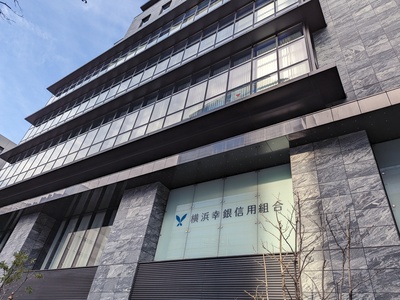
Yokohama
Japan’s largest city proper after Tokyo’s special wards, Yokohama is a major port and commercial center with waterfront attractions, Chinatown, and a strong tech and shipping economy that blends modern urban life with historical harborside districts.
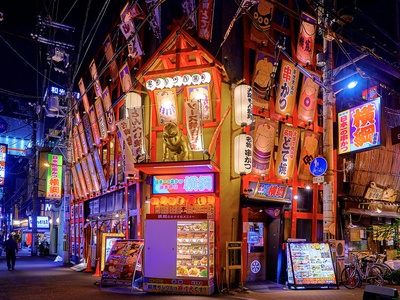
Osaka
A bustling commercial and cultural hub in western Japan, Osaka is famed for its food scene, lively neighborhoods like Dotonbori, and major industries in commerce and manufacturing; it’s also a transport and entertainment center.
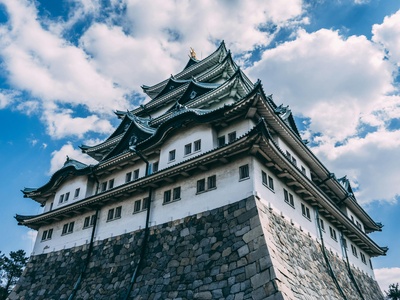
Nagoya
Nagoya anchors the Chūbu region with a strong automotive and manufacturing base (home to Toyota supply chains), notable museums and castles, and a growing international business profile tied to industry and logistics.
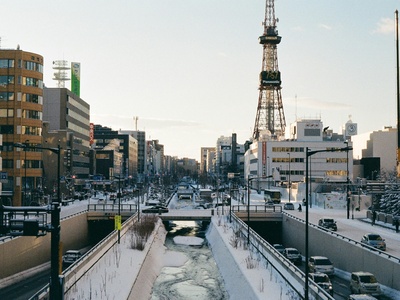
Sapporo
Hokkaido’s largest city, Sapporo is known for its snowy winters, the annual Snow Festival, beer and ramen culture, and as a gateway to outdoor recreation and agriculture-based food industries.
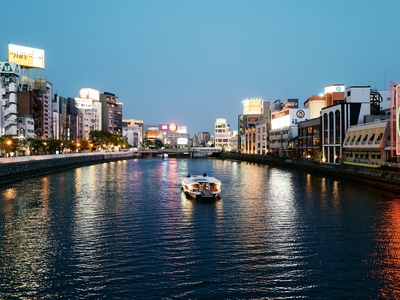
Fukuoka
Fukuoka is Kyushu’s largest city and a dynamic startup and logistics hub with lively food streets (yatai), beaches, and cultural festivals; it’s often noted for a high quality of urban life and rapid growth.

Kawasaki
Sandwiched between Tokyo and Yokohama, Kawasaki combines heavy industry and high-tech manufacturing with cultural sites, popular riverfront areas, and a large commuter population feeding the Greater Tokyo economy.
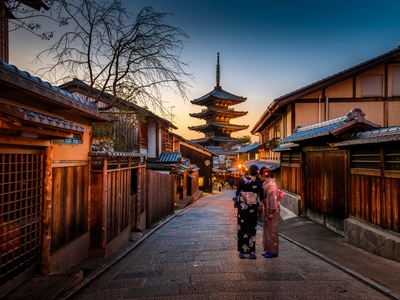
Kyoto
Famous worldwide for its temples, shrines, traditional culture and historic districts, Kyoto is also a university city and cultural tourism magnet, balancing heritage conservation with a modern local economy.
Saitama
Part of the Greater Tokyo area, Saitama is a major suburban city with large residential zones, shopping and stadiums, growing local industry, and strong commuter links to central Tokyo.
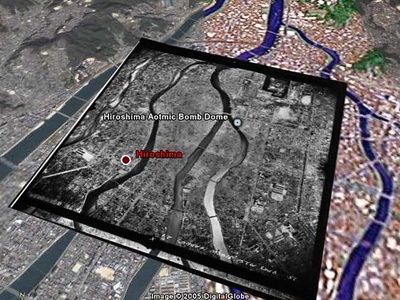
Hiroshima
Known globally for the WWII atomic bombing and its peace memorials, Hiroshima is a regional economic center with shipbuilding, automotive industries, and scenic islands reachable by ferry.
Sendai
The largest city in Tōhoku, Sendai is a green, academic and commercial center known for its autumn festival, strong retail and service sectors, and role as a transportation and administrative hub for the region.