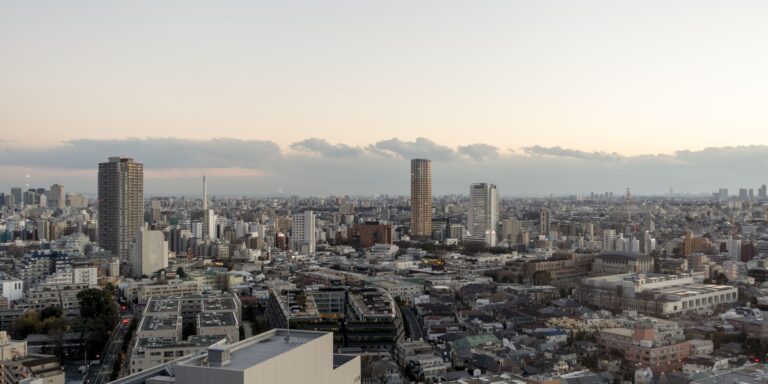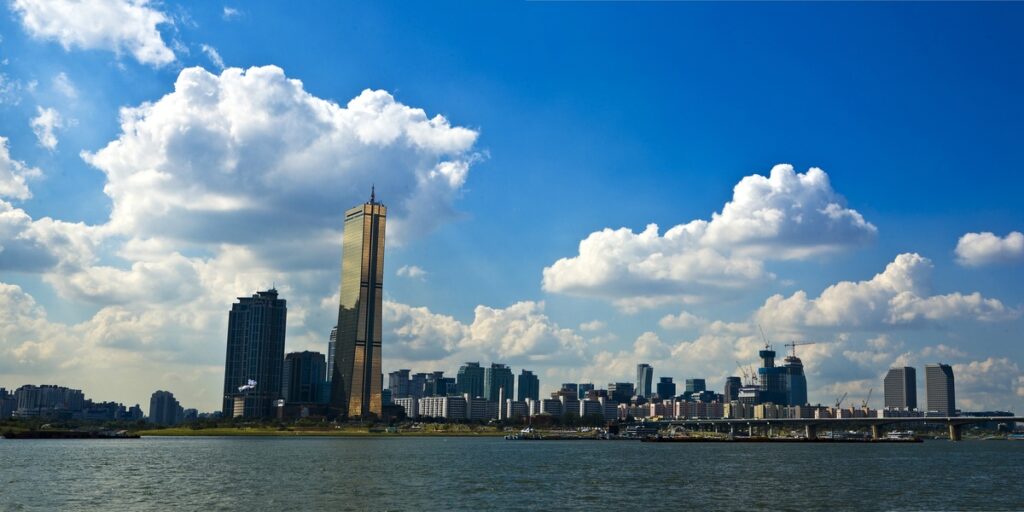
South Korea’s urban landscape is shaped by dense metropolitan centers, busy ports and regional hubs that concentrate jobs, education and services. From the northwest around Seoul to coastal cities in the south, population patterns reflect industry, transport links and historical growth.
There are 10 Largest Cities in South Korea by Population, ranging from Busan to Ulsan. For each city, the table below lists Country,Province/Region,Population (people) so you can quickly compare size and administrative placement — you’ll find the full list and details below.
How recent are the population figures used here?
Population numbers are typically drawn from the latest official estimates or census releases (for example, Statistics Korea) and may be updated annually; check the source note below the list for the exact reference date used in this post.
Do these rankings use city proper populations or metropolitan area counts?
The list ranks cities by their administrative (city proper) population unless stated otherwise; metropolitan area totals can be much larger because they include surrounding districts and commuter zones, so compare like-for-like depending on your purpose.
Largest Cities in South Korea by Population
| City | Country | Province/Region | Population (people) |
|---|---|---|---|
| Seoul | South Korea | Seoul (Special City) | 9,733,509 (2020) |
| Busan | South Korea | Busan (Metropolitan City) | 3,448,737 (2020) |
| Incheon | South Korea | Incheon (Metropolitan City) | 2,906,316 (2020) |
| Daegu | South Korea | Daegu (Metropolitan City) | 2,466,052 (2020) |
| Daejeon | South Korea | Daejeon (Metropolitan City) | 1,469,543 (2020) |
| Gwangju | South Korea | Gwangju (Metropolitan City) | 1,450,000 (2020) |
| Suwon | South Korea | Gyeonggi-do | 1,232,984 (2020) |
| Ulsan | South Korea | Ulsan (Metropolitan City) | 1,165,615 (2020) |
| Goyang | South Korea | Gyeonggi-do | 1,073,000 (2020) |
| Changwon | South Korea | South Gyeongsang (Gyeongsangnam‑do) | 1,055,049 (2020) |
Images and Descriptions
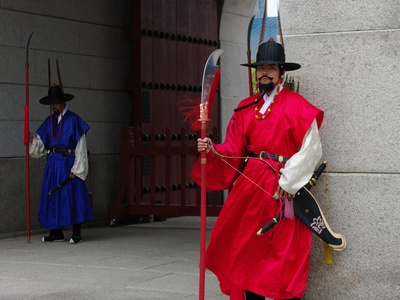
Seoul
South Korea’s capital and largest city, a political, cultural and economic hub. Famous for palaces like Gyeongbokgung, modern skyscrapers, bustling shopping districts, and major universities; a gateway to the nation’s history and contemporary K‑culture.
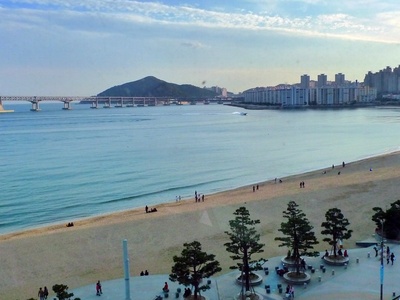
Busan
A major port city on the southeastern coast known for Haeundae Beach, seafood markets, and the Busan International Film Festival. It combines heavy industry and tourism with scenic coastal landscapes and cultural festivals.
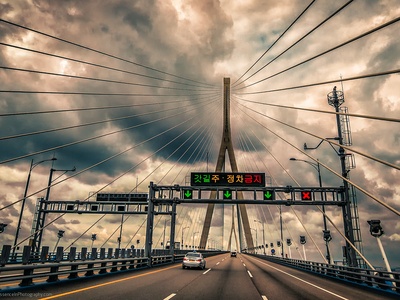
Incheon
A gateway city home to Incheon International Airport and the modern Songdo district. Historically a port city, it blends logistics, business districts, and reclaimed waterfront developments linking closely with the Seoul metro area.
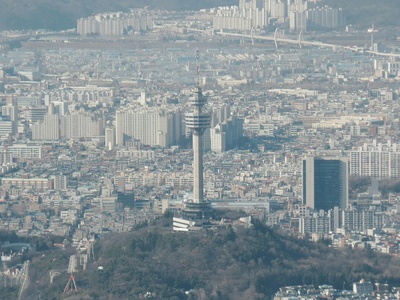
Daegu
Located in the country’s southeast interior, Daegu is known for textile and fashion industries, traditional markets, and annual festivals. It has historic temples and a growing technology and manufacturing base.

Daejeon
A national center for science and research, hosting major institutes like KAIST and many research parks. Daejeon blends high‑tech sectors with museums, hot springs, and transportation links to the rest of Korea.
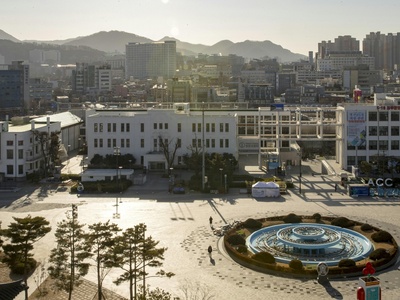
Gwangju
Known for its vibrant arts scene, democratic movement history (Gwangju Uprising), and culinary culture, Gwangju is a cultural and political landmark in southwest Korea with strong local arts and education institutions.
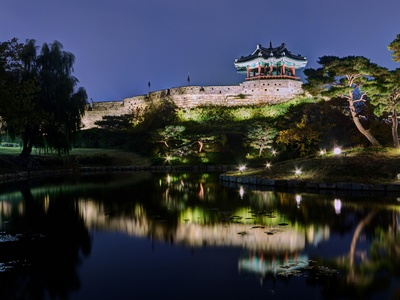
Suwon
Capital of Gyeonggi-do, Suwon is famous for the UNESCO-listed Hwaseong Fortress and close ties to major tech firms. It blends historic sites with modern residential and commercial development in the Seoul metropolitan orbit.
Ulsan
An industrial powerhouse on the southeast coast, Ulsan hosts major shipbuilding yards, automobile production (Hyundai), and petrochemical complexes. The city is central to Korea’s heavy industry and export economy.
Goyang
A large planned city northwest of Seoul, Goyang includes Ilsan New Town, extensive parks, and the KINTEX exhibition center. It serves as a residential and business hub within the greater Seoul metropolitan area.
Changwon
A coastal industrial and administrative city formed by merging several districts, Changwon is noted for manufacturing, green urban planning, and proximity to regional ports and naval facilities.