China hosted nearly 500,000 international students before the COVID-19 pandemic (Ministry of Education / UNESCO figures), making it one of the world’s top destinations for higher education.
That number matters because it reflects a rapid internationalization of Chinese universities and a growing global influence in research, technology, and business. Prospective students often juggle cost, program quality, language, and career outcomes when choosing where to study.
Studying in China offers a distinct combination of high-quality academic programs, affordable funding, fast career pathways, deep cultural immersion, and expansive networks. For example, an international student who completed a master’s in Hangzhou landed a product-management internship at Alibaba and turned that into a full-time role within a year.
Below are eight clear, evidence-backed benefits and advantages of studying in China, with practical tips and examples to help you decide and prepare.
Academic and Research Strengths
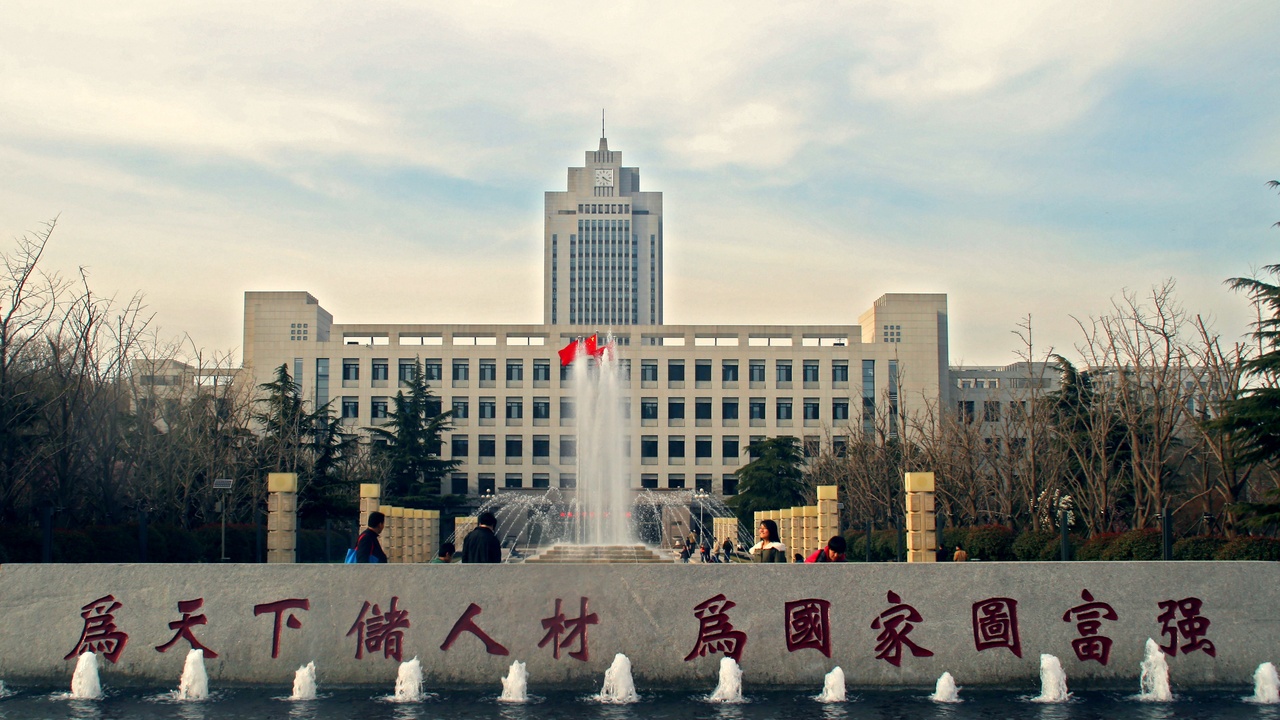
Over the past two decades Chinese universities have climbed global rankings and expanded research output dramatically. Institutions such as Tsinghua University, Peking University, Fudan, and Shanghai Jiao Tong now appear regularly in QS and Times rankings for engineering, computer science, and materials research.
Government and corporate R&D spending has fueled state-funded labs and large research centers focused on AI, battery chemistry, semiconductors, and biotechnology. That funding translates into hands-on opportunities for students: access to equipment, large datasets, and joint projects with industry partners.
For international students this means working with world-class faculty, joining well-resourced labs, and enrolling in growing numbers of English-taught graduate programs. The result: faster thesis completion, co-authored papers, and tangible research experience employers value.
1. Access to Fast-Growing Research Opportunities
China’s R&D budgets and research output have risen sharply; in several fields it now leads the world in annual papers and patents. That environment creates expanding openings for graduate and PhD students.
Students can join large, well-funded projects—think Tsinghua’s AI labs or battery materials work at Shanghai Jiao Tong—where experiments move quickly and collaboration with firms such as Huawei or BYD is common.
To find openings, check university department pages, read recent publications to identify active supervisors, and email potential advisers with a concise research CV and proposal. Many labs list openings or visiting-scholar opportunities on their web pages.
2. Increasing Number of English-Taught Programs
More bachelor’s and master’s programs are now offered in English, especially in engineering, business, and public policy. That trend lowers language barriers and shortens the path to degree completion for international students.
Zhejiang University, Shanghai Jiao Tong, and newer joint institutions like University of Nottingham Ningbo China run English-track degrees; Shanghai campuses commonly offer International MBAs taught in English.
When applying, confirm language requirements, look for preparatory Chinese courses, and ask whether supervisors use English in the lab. If you plan to work in China later, take advantage of available Mandarin classes while enrolled.
3. Strong Industry-Academia Linkages
Chinese universities maintain tight links with major companies and government initiatives, creating pipelines to internships, collaborative projects, and commercialization opportunities.
Campus career fairs often feature Huawei, Alibaba, Tencent, and local tech parks, and many departments run industry-sponsored research centers. That makes it easier for students to gain applied experience and transition to industry roles.
Early internship-seeking helps. Use university career centers, attend employer presentations, and reach out to lab partners for short-term projects that can become longer placements.
Cost, Scholarships, and Practical Affordability
Studying here is often more affordable than many Western alternatives. Tuition at top Chinese universities is typically lower than comparable programs in the US or UK, and daily living costs vary widely across city tiers.
Major scholarship programs—like the China Scholarship Council (CSC), provincial awards, and Confucius Institute scholarships—cover tuition, stipends, and sometimes accommodation for many international students.
On-campus roles, part-time jobs where allowed, and paid internships in tech hubs also offset costs. With planning, high-achieving students can combine national scholarships and university waivers to study with minimal personal expense.
4. Competitive Scholarships and Funding Options
Multiple scholarships reduce cost barriers. The China Scholarship Council (CSC) offers full and partial awards that commonly cover tuition, provide a monthly stipend, and sometimes pay for a dorm room.
Bilateral government scholarships, Confucius Institute scholarships for language study, and university-specific awards are also widespread. Some municipal programs—Shanghai and Beijing, for example—issue extra grants to attract talent.
Typical strategy: apply early for CSC deadlines, also submit to chosen universities for tuition waivers, and seek paid internships during study to top up the stipend and gain experience.
5. Lower Living Costs in Many Cities
Living costs depend on city tier. In Beijing or Shanghai expect higher rent and food costs; in second-tier cities like Chengdu, Wuhan, or Xi’an monthly budgets can be markedly lower.
As a rough guide, students in top-tier cities might budget US$600–1,200 per month including shared dorms or rented flats, while those in second-tier cities can manage on US$350–700 per month.
Campus dormitories range from modest shared rooms to private studio-style units; campus meal plans and local markets keep food costs down. Public transport passes are inexpensive and bike sharing is plentiful.
6. Paid Internships and Part-Time Work Opportunities
Paid internships in tech clusters and manufacturing hubs are common and often well compensated relative to local living costs. Stipends vary by city and company—ranges are wide but meaningful for a student budget.
Students find roles through university career services, company recruitment events, and platforms like 51job and Liepin. Summer internships at Shenzhen hardware startups or product internships at Alibaba in Hangzhou are typical examples.
Check visa and work-permit rules for international students; many universities provide clear guidance and can help arrange short-term, course-related work placements.
Career, Cultural Immersion, and Global Networks

Time spent studying in China often accelerates career prospects across Asia and beyond. Employers value China experience, Mandarin ability, and familiarity with local business practices.
Living in China also offers deep cultural immersion—from regional cuisines and traditional festivals to travel across varied landscapes—and creates lasting alumni and professional connections that span Belt and Road economies.
With the right choices, students convert academic projects into startup collaborations, consultancy placements, or roles with multinational firms that maintain China desks.
7. Career Pathways in Asia and Global Firms
Employers often prioritize candidates with on-the-ground China experience or Mandarin skills for roles in trade, supply chain, fintech, consulting, and diplomacy.
Graduates have placed into Huawei, Alibaba, and consulting firms’ China desks, or into multinational companies seeking hires who understand Chinese markets and can manage local partners.
Practical tips: highlight China-based internships on your CV, list HSK certification if applicable, and use alumni events and LinkedIn to build sector-specific contacts while you study.
8. Deep Cultural Immersion and Language Acquisition
Living and studying in China provides rapid Mandarin learning and cultural fluency that short courses rarely match. University language centers, HSK testing, and exchange programs support measurable progress.
Language skills improve daily life, broaden research access to primary Chinese-language sources, and multiply job opportunities. Regional study—Yunnan for ethnic studies, Guangdong for trade—adds depth to academic profiles.
Get involved in language partner programs, local student clubs, homestays, and volunteer teaching to accelerate fluency and build ties that last after graduation.
Summary
- China combines rising global research strength with affordable tuition and living costs, creating a compelling academic value proposition.
- Generous scholarships (notably CSC), university waivers, and paid internships make study economically feasible for many international students.
- Hands-on research, industry partnerships, and English-taught programs reduce barriers while Mandarin fluency remains a long-term career multiplier.
- Career pathways into Asian markets and China-facing roles at global firms are realistic outcomes for students who network, intern early, and showcase relevant experience.
- Start by checking China Scholarship Council (CSC) deadlines, researching programs that match your research interests, and contacting alumni or university career services for up-to-date guidance.