In 2016, Ljubljana was named the European Green Capital — a milestone that put the city on the map for walkable streets, parks, and bold urban redesigns.
The metro area is home to roughly 300,000 people (the city proper is around 280,000), and Slovenia has been an EU member since 2004. That compact scale helps explain why many people praise the advantages of life in Ljubljana, while others point to practical trade-offs such as housing pressure and a smaller job market.
Ljubljana offers a compact, green, and culturally rich urban experience, but it also has practical trade-offs—from housing pressures to limited job markets—that prospective residents should weigh.
This piece lists five pros and five cons and gives concrete examples, numbers, and realistic takeaways to help you decide whether a move makes sense for your priorities.
Pros — Quality of life & environment
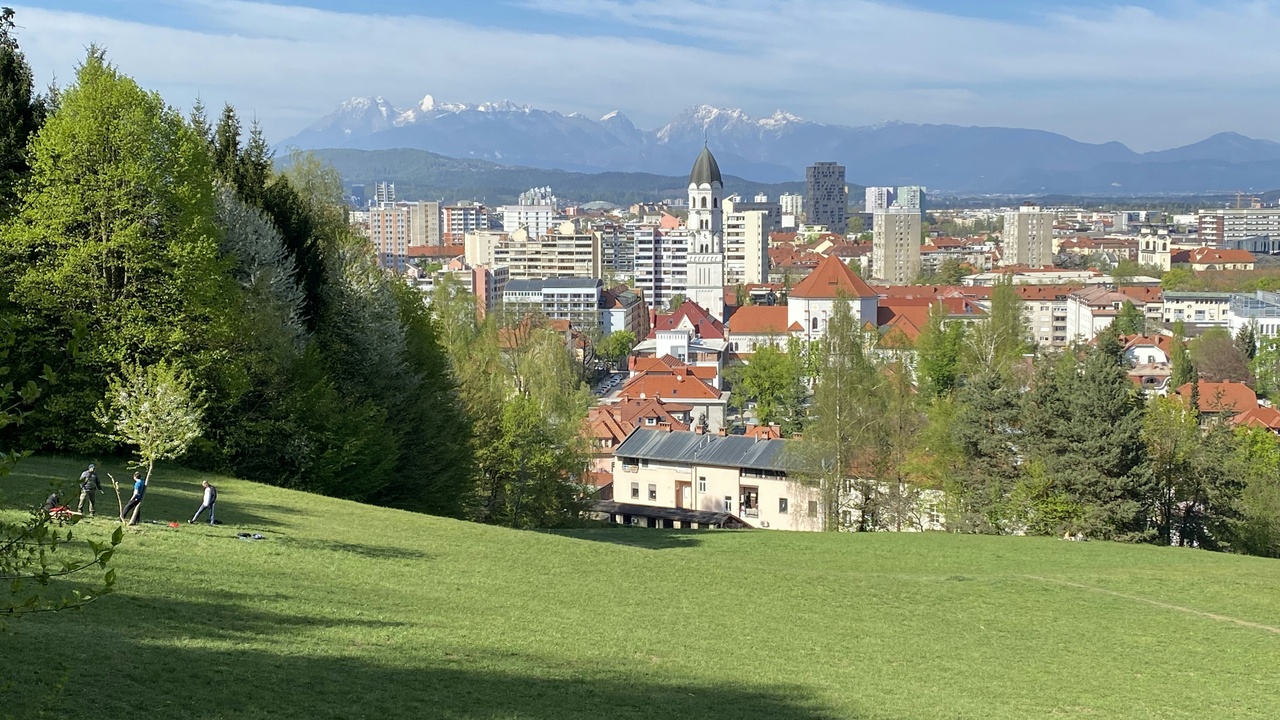
Environment and daily lifestyle are often cited as the top reasons people move to Ljubljana. The 2016 European Green Capital award reflected years of investments in pedestrian zones, riverfront design, and parks. Add a compact center and consistently high safety indicators, and you get a city that feels calm and livable for many residents.
1. Abundant green space and a walkable historic center
Ljubljana’s compact center and parks make daily life pleasantly walkable. The Green Capital recognition in 2016 highlighted pedestrianized streets, expanded bike lanes, and more public green space (Tivoli Park alone spans several dozen hectares of lawns, paths and woods).
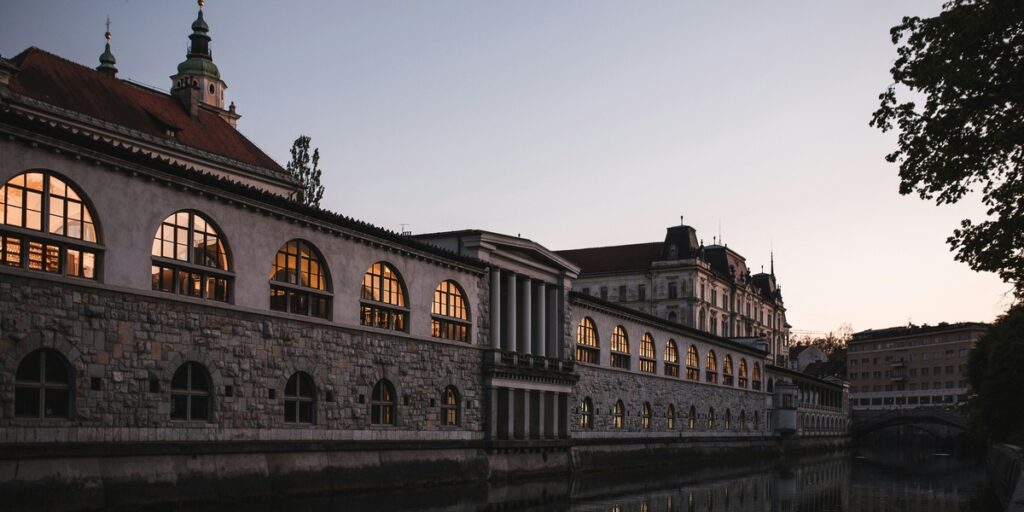
Practically, that means many errands take less than a 15–20 minute walk: from a residential neighborhood to the main square or riverside cafés. Weekends commonly include picnics in Tivoli, a coffee on the Ljubljanica promenade, or a stroll to Špica for sunset views.
Pedestrian-only zones in the Old Town and short walk times across the center make daily commuting easier than in most capitals of similar culture and scale.
2. Safety and small-city comfort
Ljubljana records lower violent-crime rates than many larger European capitals; national and EU statistics consistently place Slovenia below the EU average for serious violent crime (see Eurostat/Slovenian police reports for exact figures).
That sense of safety shows up in daily life: parents feel comfortable with kids walking to school in neighborhoods like Vič or Trnovo, and many people walk home after evening concerts or dinners without concern. Local community events and reliable public services reinforce that small-city comfort.
Neighborhoods such as Vič and Trnovo combine quieter streets, local markets, and green pockets that suit families and anyone who values a calm urban rhythm.
Pros — Practical conveniences and culture
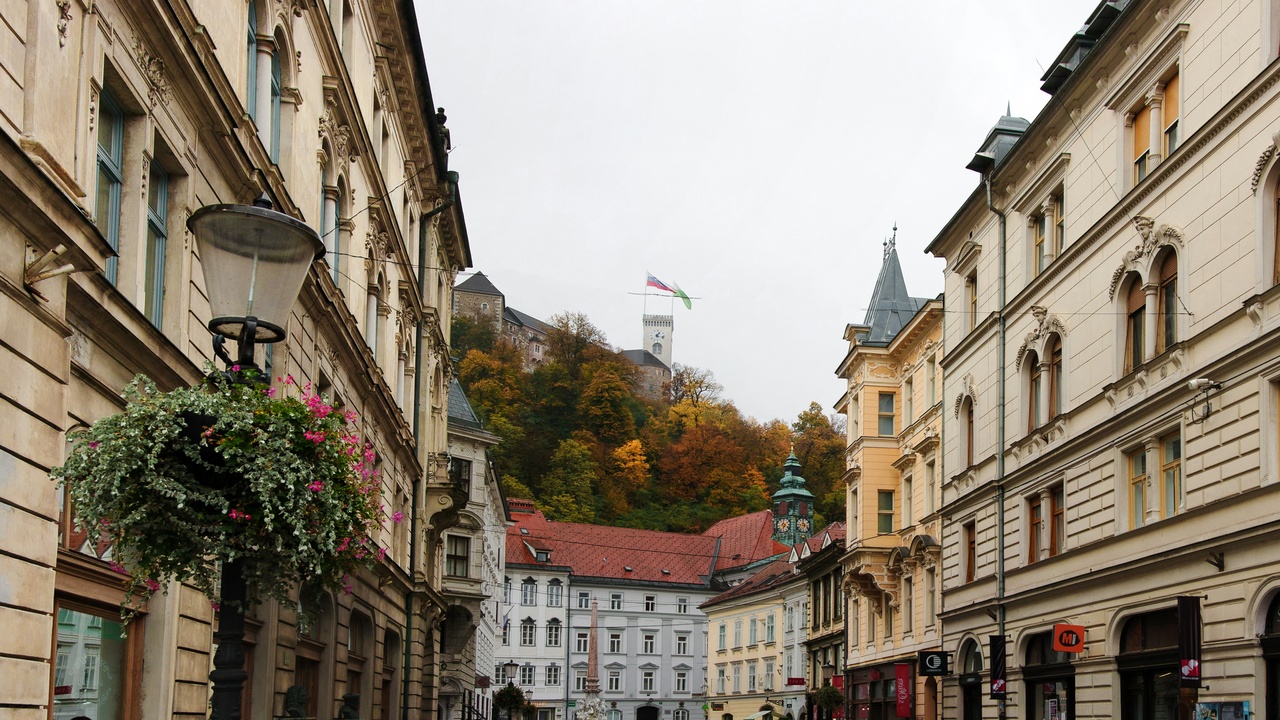
Because the center is small, everyday tasks, culture, and regional travel are unusually convenient. Pros and cons of living in Ljubljana often boil down to balancing this convenience with limits on housing stock or specialized jobs.
3. Compact size and reliable public transport
The city’s scale keeps commutes short: many residents report daily commutes under 30 minutes by bus, bike, or on foot. Ljubljana Public Transport (LPP) runs frequent buses on core routes, with peak frequencies often every 10–20 minutes on main corridors.
Example: a commute from Bežigrad to the central area typically takes about 15–25 minutes by bike or 20–30 minutes by bus depending on traffic. Shared-bike programs and lane upgrades make cycling a realistic daily option for many.
Ticketing is straightforward (single tickets, day passes), and the compactness means errands and social life rarely require long trips across town.
4. Rich cultural life and approachable café scene
For a city of this size, Ljubljana offers an active cultural calendar: the Ljubljana Festival runs each summer with classical and contemporary programs, Cankarjev dom hosts major concerts and theatre, and Metelkova provides an alternative arts scene.
The Old Town’s density of cafés and small restaurants creates a friendly atmosphere for freelancers and remote workers. Affordable cultural outings—museums, gallery openings, small-scale concerts—make it easy to stay engaged without long commutes or big budgets.
Frequent weekend events and seasonal festivals mean there’s almost always something happening, whether you prefer classical music, independent art spaces, or outdoor markets.
5. Excellent base for weekend travel in Central Europe
Ljubljana’s location makes short escapes simple. Lake Bled is about a 45‑minute drive, Postojna Cave roughly 50–60 minutes, Trieste sits about 1–1.5 hours away, and Zagreb can be reached in around 1.5 hours by road or train.
Those travel times support quick ski trips, beach weekends, and cross-border city breaks—useful if you value regional variety without long flights. Low-cost bus and train operators also run frequent services for budget weekend plans.
Ljubljana Jože Pučnik Airport adds international connectivity for longer trips, with a growing number of seasonal and year‑round routes.
Cons — Housing, costs, and job market
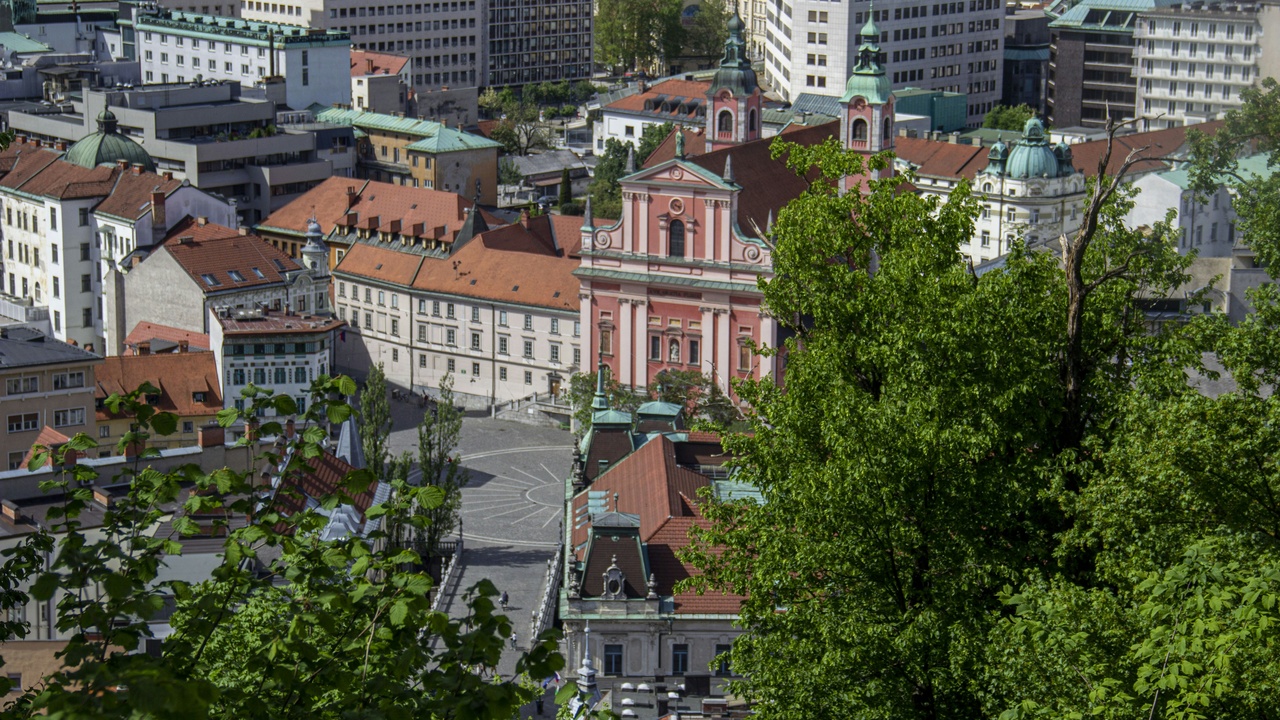
High quality of life comes with practical constraints newcomers often notice quickly: rents have risen, the central housing supply is tight, and the local job market is smaller than in big EU capitals. Those factors can change the calculus for long-term moves.
6. Rising housing costs and limited availability
Rental and purchase prices have climbed in recent years, especially in central neighborhoods. As a rule of thumb, expect one‑bedroom apartments in the center to fall into a mid-range bracket (many listings cluster between about €600–€1,000 per month depending on size, furnishing, and exact location; check current market feeds for up-to-date figures).
Short-term rentals and platforms like Airbnb have also tightened supply in popular areas. New construction exists but often targets higher-end buyers, so competition for mid-range units remains strong.
Practical tips: budget for a one- to three‑month deposit, expect lease terms commonly at 12 months, and use local agencies, Facebook groups, and municipal housing resources when apartment hunting.
7. Job market size and wage limitations in some sectors
Ljubljana’s economy is diverse but smaller than those of major European capitals, which limits opportunities in very niche or highly specialized fields. Unemployment rates in Slovenia have been relatively low in recent years (around mid-single digits according to Eurostat), but salaries—especially in hospitality or entry-level work—tend to be lower than in London, Amsterdam, or Berlin.
That means expats who need local employment permits should target sectors with demand: IT startups, green-economy firms, international NGOs, or language teaching. Typical net wages vary widely; hospitality roles often pay modestly, while experienced tech or managerial positions pay considerably more.
If you rely on a high, local salary, factor in that Ljubljana’s wage structure may require negotiation or remote work supplemented by local earnings.
Cons — Everyday inconveniences and social factors
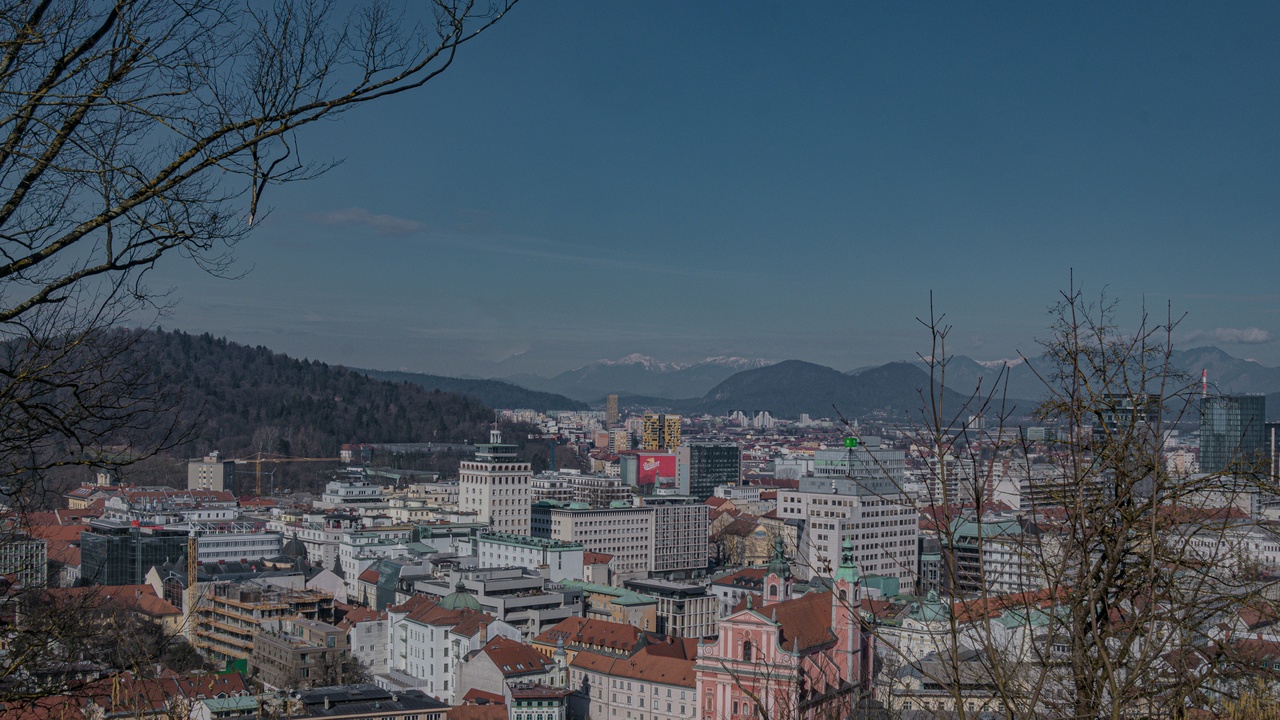
Some downsides are lifestyle trade-offs: a quieter late-night scene than large capitals, language hurdles in official matters, and a seasonal contrast between bright summers and darker winters. Below are practical points to prepare for if you plan a move.
8. Language barrier in administration and some workplaces
English is widely spoken in hospitality, tourism, and among younger Slovenes, but official paperwork and certain services often require Slovenian. Municipal forms, many health‑care registration steps, and some legal documents are processed in Slovenian.
Common scenarios where Slovenian helps: registering for healthcare, signing rental contracts, or completing residency paperwork at the local administrative unit. Practical advice: enroll in a basic Slovenian course, visit the municipal expat office for help, or hire a translator for key appointments.
Learning everyday phrases speeds up interactions and opens more local job options beyond tourism and international firms.
9. Winter gloom and a short high-season for outdoor life
Winters are colder and darker compared with summer months, which can feel restrictive after long, sunny days. In December, daylight hours drop noticeably (roughly around eight hours on average), and average January temperatures typically hover around −1 to 3°C depending on conditions.
Residents adapt by taking advantage of the indoor cultural calendar—museums, theatres, and winter markets—or by planning weekend trips to nearby ski areas. Investing in good winter clothing and lighting for cycling or walking helps maintain activity levels.
10. Limited late-night scene and seasonal tourist crowds
Ljubljana is generally quieter late at night than major metropolitan centers; many bars and restaurants close earlier than in big capitals. If you want a 24/7 nightlife, you’ll find the selection smaller here.
Tourist peaks in June–August bring crowds to the Old Town and riverside, which can affect apartment viewings, restaurant availability, and general tranquility on summer weekends. For livelier late-night options, residents sometimes head to larger nearby cities for occasional nights out.
Plan apartment hunts outside the high tourist months for a calmer search and better negotiating position.
Summary
- Ljubljana combines extensive green spaces and a compact, walkable center, highlighted by its 2016 European Green Capital award.
- Short commutes, a strong café and festival culture, and easy weekend travel to Lake Bled or Trieste are major lifestyle advantages.
- Practical trade-offs include rising central rents, a smaller niche job market, and occasional language hurdles for administrative tasks.
- Try a 3–7 day visit (or a longer apartment hunt) and consult local sources—Statistical Office of the Republic of Slovenia and the municipal expat office—to judge fit before committing.