Eritrea’s cities reflect a mix of coastal trade, regional markets and administrative centers, and each plays a different role in the country’s economy. Looking at where wealth concentrates helps spot hubs for jobs, services and investment across the nation.
There are 7 Richest Cities in Eritrea, ranging from Asmara to Teseney. Data are organized as Country, Wealth metric (USD), Main industries (max 15 words), so you’ll find below clear comparisons of income estimates and leading economic activities you’ll find below.
How is the “Wealth metric (USD)” determined for each city?
The wealth metric usually combines available indicators like municipal GDP estimates, average incomes, tax or revenue figures and major investment levels; sources include national statistics, international databases and local reports, and methods vary so figures are best seen as comparative estimates.
How often can the rankings change and what causes shifts?
Rankings can shift year to year due to new infrastructure, shifts in commodity prices, migration, or large investments (public or private); smaller economies are especially sensitive, so check the year and source for each entry below.
Richest Cities in Eritrea
| City | Country | Wealth metric (USD) | Main industries (max 15 words) |
|---|---|---|---|
| Asmara | Eritrea | 2,500 (proxy, 2020) | Government services, remittances, construction, light manufacturing |
| Massawa | Eritrea | 1,800 (proxy, 2020) | Red Sea port, shipping, fisheries, salt exports |
| Assab | Eritrea | 2,000 (proxy, 2020) | Deepwater port, oil terminal, transport, fisheries |
| Keren | Eritrea | 1,300 (proxy, 2020) | Regional market, agricultural trading, transport services |
| Teseney | Eritrea | 1,600 (proxy, 2020) | Border trade, logistics, customs, cross‑border markets |
| Mendefera | Eritrea | 1,200 (proxy, 2020) | Regional services, markets, small industry, remittances |
| Barentu | Eritrea | 1,100 (proxy, 2020) | Agricultural trade, livestock markets, regional administration |
Images and Descriptions
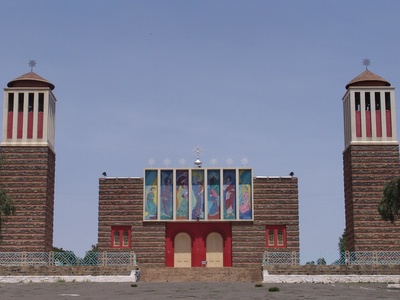
Asmara
Proxy GDP per capita $2,500 (2020) — Asmara is the political and economic capital with concentrated government jobs, higher‑paid services, remittance inflows and construction. Night‑light intensity and urban income surveys show substantially higher per‑person wealth than the national average.
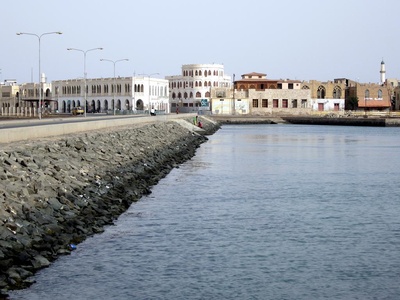
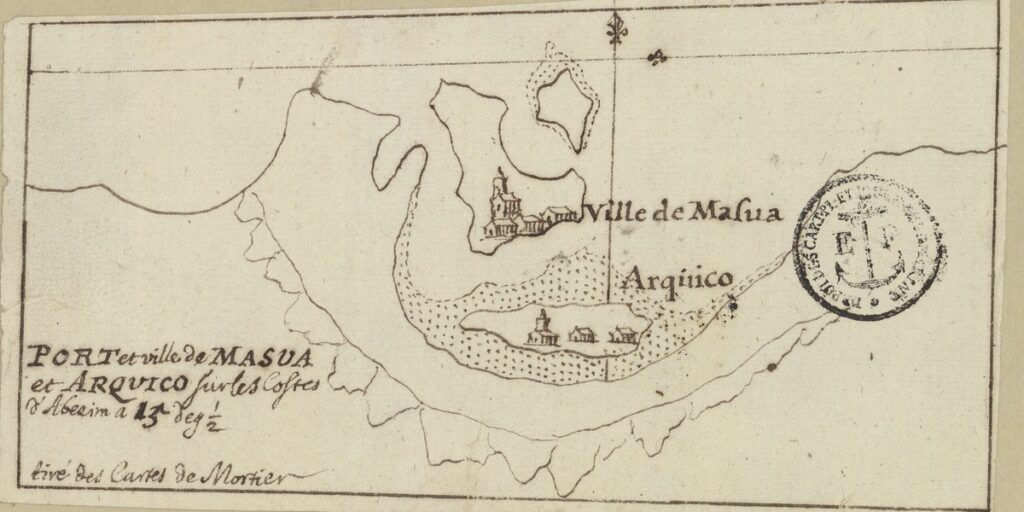
Massawa
Proxy GDP per capita $1,800 (2020) — Massawa’s deep‑water port and maritime services drive local incomes through shipping, fisheries and salt exports. Port activity and night‑light data indicate it is among the coastal economic hubs with above‑average urban earnings.

Assab
Proxy GDP per capita $2,000 (2020) — Assab hosts a strategic Red Sea port and past oil‑terminal infrastructure; port‑related employment, transport services and fisheries support relatively high local incomes compared with inland areas.
Keren
Proxy GDP per capita $1,300 (2020) — Keren is a major highland market and trading crossroads. Agricultural trade, regional logistics and administrative services create steady local earnings and stronger night‑light signatures than surrounding rural districts.
Teseney
Proxy GDP per capita $1,600 (2020) — Teseney’s frontier location on the Sudan border supports vibrant cross‑border commerce, logistics and customs services. Trade flows and market activity make its per‑capita income proxy higher than many interior towns.
Mendefera
Proxy GDP per capita $1,200 (2020) — Mendefera is a southern highlands service center with markets, administration and remittance income. Its role supplying surrounding rural areas and small‑scale industry yields above‑average urban income proxies.
Barentu
Proxy GDP per capita $1,100 (2020) — Barentu, Gash‑Barka’s regional capital, benefits from agricultural and livestock trading plus administrative employment. Market activity and regional services account for higher local per‑person income proxies than surrounding rural communes.