Asia is often thought of in terms of vast populations and megacities, but it also includes many much smaller countries where population size tells a different story. These places—whether islands, mountain republics, or compact coastal states—have distinct demographics and histories that are worth a closer look.
There are 12 Smallest Countries in Asia by Population, ranging from Armenia to Timor-Leste. For each entry you’ll find below Flag,Population (year,source),Area (km²) so you can compare symbols, the most recent figures and their sources, and land size at a glance.
How recent are the population figures used in this list?
Population entries include the year and source in the Population (year,source) column; some figures come from the latest national census, others from recent official estimates or international databases, so check the cited source per country for exact timing.
Are dependent territories included or only sovereign states?
This list focuses on widely recognized sovereign states in Asia; dependent territories or special administrative regions are only included if specifically noted alongside their status.
Smallest Countries in Asia by Population
| Country | Flag | Population (year | source) | Area (km²) |
|---|---|---|---|---|
| Brunei | 🇧🇳 | 453,000 (2023 | United Nations, World Population Prospects 2023) | 5,765 |
| Maldives | 🇲🇻 | 548,000 (2023 | United Nations, World Population Prospects 2023) | 298 |
| Bhutan | 🇧🇹 | 790,000 (2023 | United Nations, World Population Prospects 2023) | 38,394 |
| Timor-Leste | 🇹🇱 | 1,372,000 (2023 | United Nations, World Population Prospects 2023) | 14,874 |
| Bahrain | 🇧🇭 | 1,701,000 (2023 | United Nations, World Population Prospects 2023) | 765 |
| Armenia | 🇦🇲 | 2,800,000 (2023 | United Nations, World Population Prospects 2023) | 29,743 |
| Qatar | 🇶🇦 | 2,960,000 (2023 | United Nations, World Population Prospects 2023) | 11,586 |
| Mongolia | 🇲🇳 | 3,488,000 (2023 | United Nations, World Population Prospects 2023) | 1,564,116 |
| Oman | 🇴🇲 | 4,356,000 (2023 | United Nations, World Population Prospects 2023) | 309,500 |
| Kuwait | 🇰🇼 | 4,445,000 (2023 | United Nations, World Population Prospects 2023) | 17,818 |
| Lebanon | 🇱🇧 | 5,200,000 (2023 | United Nations, World Population Prospects 2023) | 10,452 |
| Singapore | 🇸🇬 | 5,453,000 (2023 | United Nations, World Population Prospects 2023) | 725 |
Images and Descriptions
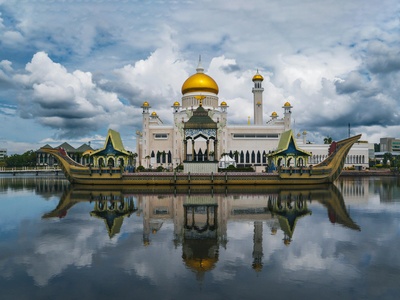
Brunei
Bandar Seri Begawan is the capital of this small Borneo sultanate in Southeast Asia. Brunei is oil- and gas-rich, ruled by an absolute monarchy, known for high per-capita wealth, strong welfare programs, and pockets of well-preserved tropical rainforest.
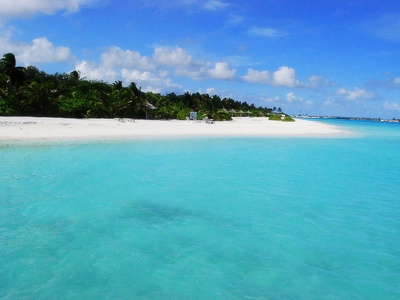
Maldives
Malé is the crowded capital of this Indian Ocean island nation made of coral atolls. The Maldives is famed for luxury tourism, marine biodiversity, and extreme vulnerability to sea-level rise as one of the world’s lowest-lying countries.
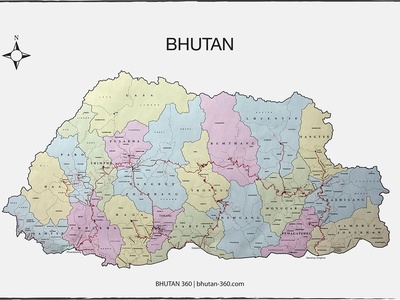
Bhutan
Thimphu sits in this landlocked Himalayan kingdom between India and China. Bhutan measures development by Gross National Happiness, preserves traditional Buddhist culture and rugged mountain landscapes, and limits mass tourism to protect environment and culture.
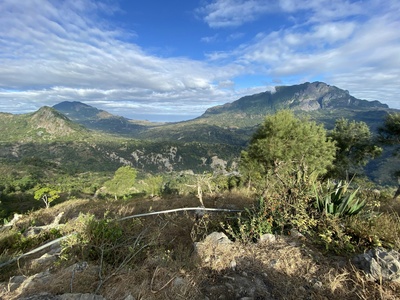
Timor-Leste
Dili is the coastal capital of Timor-Leste on the eastern half of Timor island in Southeast Asia. One of Asia’s youngest nations, it gained independence in 2002 and is building infrastructure while preserving local cultures and biodiversity.
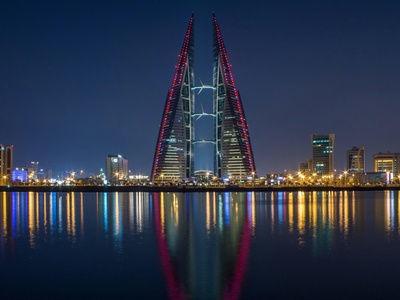
Bahrain
Manama is the capital of this small island kingdom in the Persian Gulf near Saudi Arabia. Bahrain is a financial and commercial centre with a long history of trade, oil wealth, modern infrastructure, and diverse expatriate communities.
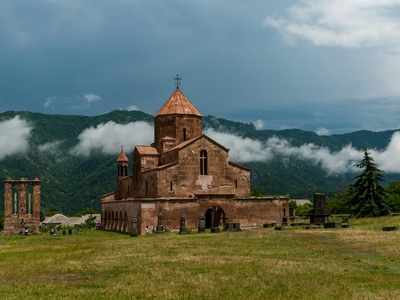
Armenia
Yerevan is the ancient capital of this South Caucasus nation. Landlocked and rich in history, Armenia is known for early Christian heritage, monasteries, a large diaspora, rugged mountains, and cultural resilience despite regional conflicts.
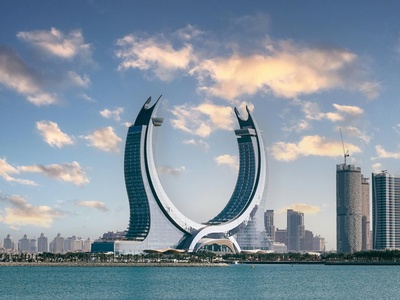
Qatar
Doha sits on a small peninsula in the Persian Gulf and is Qatar’s capital. Qatar is a wealthy energy exporter with modern skyline, extensive infrastructure projects, and global influence disproportionate to its small population and territory.
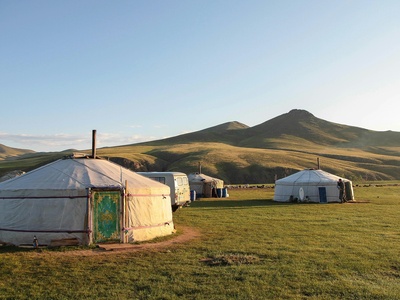
Mongolia
Ulaanbaatar is the cold, high-altitude capital of this vast landlocked country between Russia and China. Mongolia has one of the lowest population densities on earth, a strong nomadic heritage, wide steppes, and a growing mining sector.
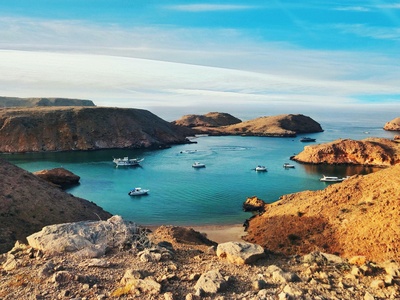
Oman
Muscat is the coastal capital of this southeastern Arabian Peninsula sultanate. Oman is known for dramatic deserts, mountains, and coastline, a history of seafaring and trade, and a more conservative but pluralistic approach to development.
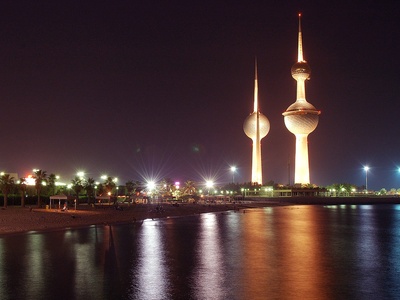
Kuwait
Kuwait City is the capital of this small oil-rich Gulf state on the Persian Gulf. Kuwait has modern urban development, substantial hydrocarbon wealth, a large expatriate workforce, and a history of rapid 20th-century modernization.
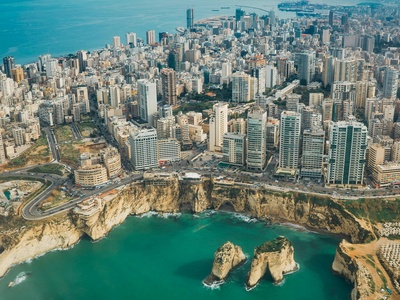
Lebanon
Beirut is the historic and cultural heart of this small Eastern Mediterranean country in the Levant. Lebanon is known for ancient sites, diverse religious communities, cuisine, and a large diaspora, despite recent economic and political crises.
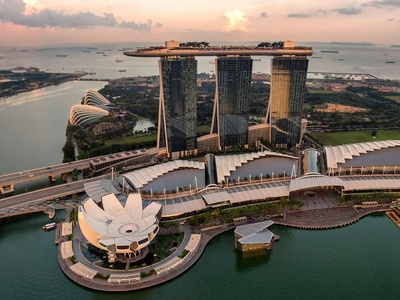
Singapore
Singapore is a densely populated island city-state at the southern tip of the Malay Peninsula. As a global financial, shipping, and technological hub, it is famed for efficient governance, multicultural society, strict rules, and limited land area.