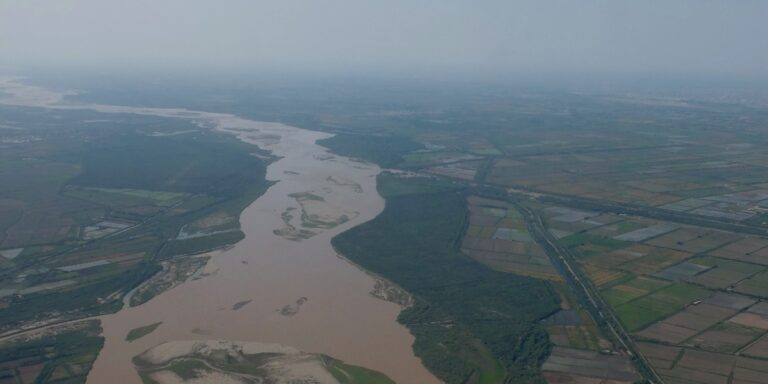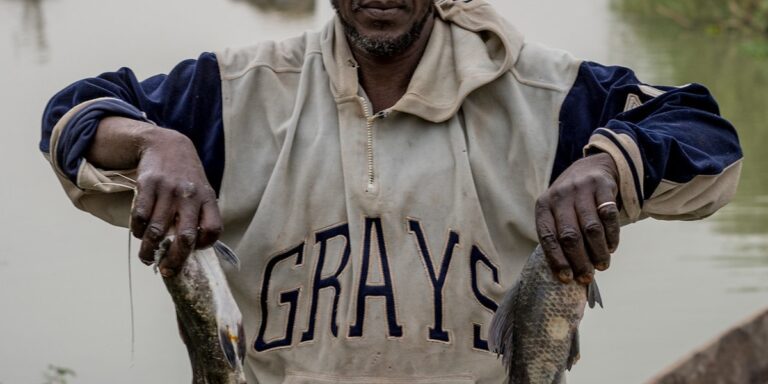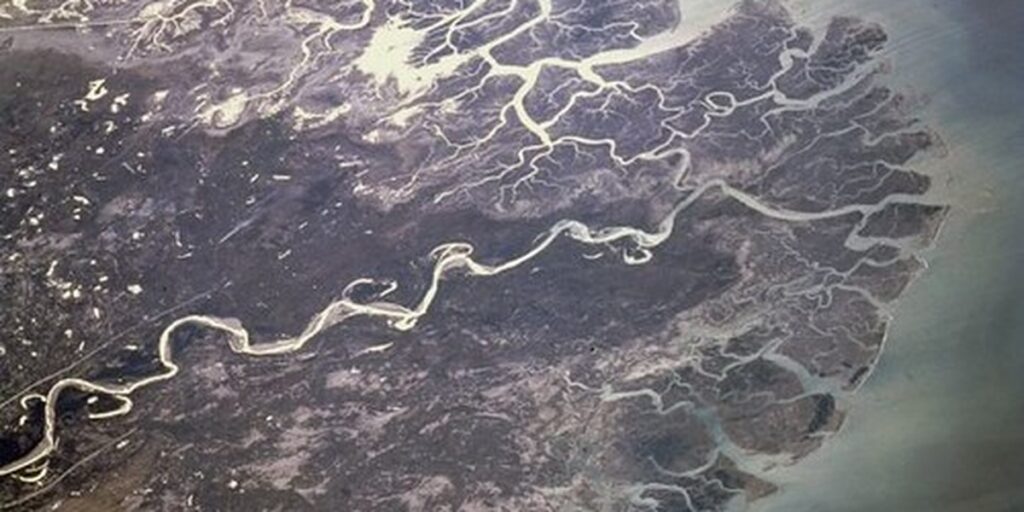
Pakistan’s rivers have carved valleys, supported ancient civilizations and still feed the plains and cities across provinces from the Himalayas to the Arabian Sea. They shape irrigation, transport and local cultures, making them central to Pakistan’s geography and daily life.
There are 27 Rivers in Pakistan, ranging from Chenab to Zhob. For each river, the table lists Length (km),Provinces,Source and mouth; notable / meaning (max 15 words) — details you’ll find below.
How do these rivers affect agriculture and water supply across provinces?
Most major rivers feed extensive irrigation systems and groundwater recharge, supporting crops like wheat and rice; seasonal flows and upstream usage influence availability, so provincial management and interprovincial agreements are key to equitable water distribution.
Where do the majority of Pakistan’s rivers originate and end?
Many originate in glacial and mountain catchments in the Himalayas, Karakoram or Hindu Kush and flow south into the Indus system or into the Arabian Sea, while smaller rivers rise in plateau regions and either join larger rivers or dissipate inland.
Rivers in Pakistan
| Name | Length (km) | Provinces | Source and mouth; notable / meaning (max 15 words) |
|---|---|---|---|
| Inclusion criteria | Natural rivers flowing partly or wholly within Pakistan | ||
| Indus | 3,180 | Gilgit-Baltistan, Khyber Pakhtunkhwa, Punjab, Sindh | Source: Tibetan Plateau; Mouth: Arabian Sea; Pakistan’s principal river |
| Jhelum | 725 | Azad Jammu & Kashmir, Punjab | Source: Kashmir; Mouth: Chenab; Mangla Reservoir on its course |
| Chenab | 960 | Azad Jammu & Kashmir, Punjab | Source: Himalaya; Joins Indus via Panjnad; major Punjab tributary |
| Ravi | 720 | Punjab | Source: Himalaya (India); Enters Pakistan; part of Panjnad river system |
| Sutlej | 1,450 | Punjab | Source: Tibet; Enters Pakistan; joins other rivers to form Panjnad |
| Kabul | 700 | Khyber Pakhtunkhwa, Punjab | Source: Hindu Kush (Afghanistan); Mouth: Indus at Attock |
| Swat | 240 | Khyber Pakhtunkhwa | Source: Hindu Kush; Mouth: Kabul River near Charsadda |
| Panjnad | 71 | Punjab | Formed by five rivers; Mouth: Indus at Mithankot |
| Gomal | 400 | Khyber Pakhtunkhwa, Balochistan | Source: Afghanistan highlands; Mouth: Indus near Dera Ismail Khan |
| Zhob | 410 | Balochistan | Source: Balochistan highlands; Seasonal river draining to Indus basin |
| Hingol | 350 | Balochistan | Source: Balochistan plateau; Mouth: Arabian Sea (Hingol National Park) |
| Hub | 134 | Balochistan, Sindh | Source: Balochistan hills; Mouth: Arabian Sea near Karachi |
| Malir | 120 | Sindh | Seasonal stream through Karachi; Mouth: Arabian Sea |
| Lyari | 50 | Sindh | Seasonal urban river in Karachi; Mouth: Arabian Sea |
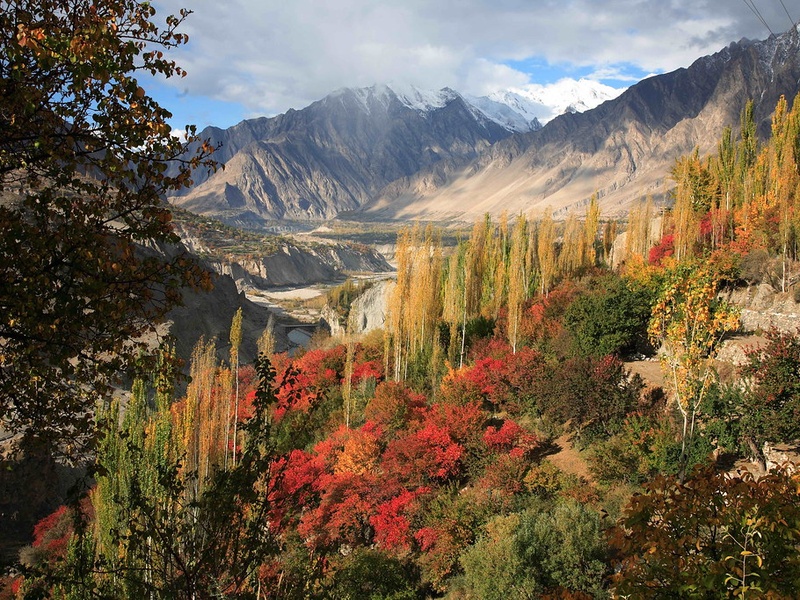
| Hunza | 245 | Gilgit-Baltistan | Source: Karakoram glaciers; Joins Gilgit River; tributary of Indus |
| Gilgit | 240 | Gilgit-Baltistan | Source: Karakoram glaciers; Mouth: Indus near Juglot |
| Shyok | 550 | Gilgit-Baltistan | Source: Karakoram; Mouth: Indus; flows through Shyok Valley |
| Shigar | 72 | Gilgit-Baltistan | Source: Baltoro/Baltistan glaciers; Mouth: Indus near Skardu |
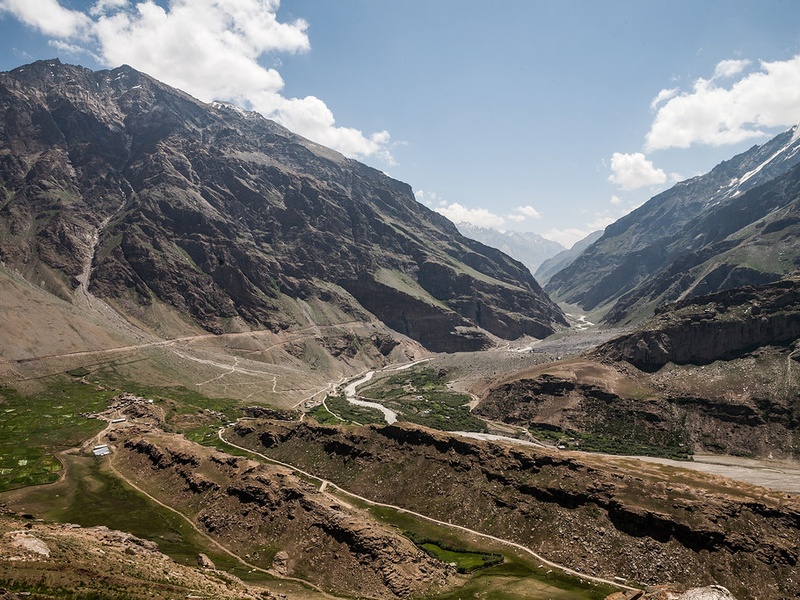
| Suru | 185 | Gilgit-Baltistan | Source: Zanskar Range; Mouth: Indus in Skardu region |
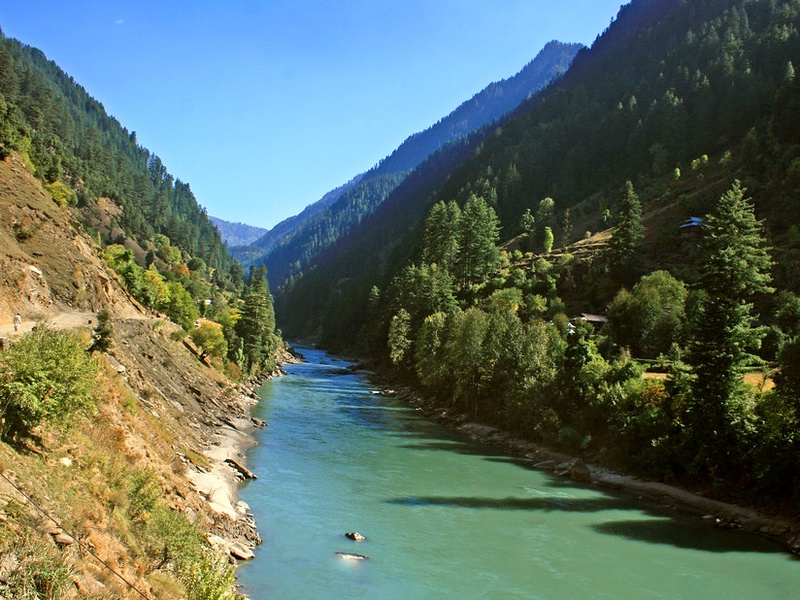
| Neelum | 245 | Azad Jammu & Kashmir | Source: Indian Kashmir; Mouth: Jhelum at Muzaffarabad; scenic valley |
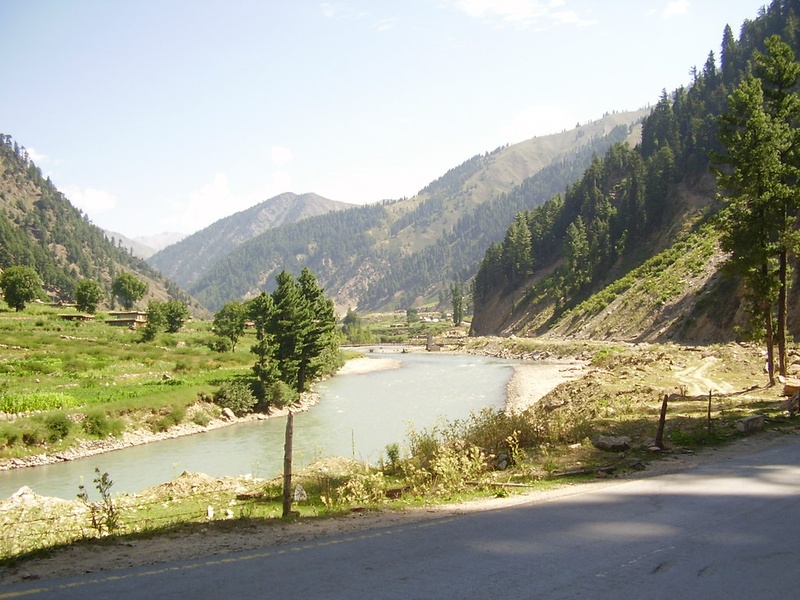
| Kunhar | 166 | Khyber Pakhtunkhwa | Source: Kaghan Valley lakes; Mouth: Jhelum River |
| Panjkora | 270 | Khyber Pakhtunkhwa | Source: Hindu Kush; Mouth: Swat/Kabul basin tributary region |
| Chitral (Kunar) | 480 | Khyber Pakhtunkhwa | Source: Hindu Kush; flows toward Kabul River system (cross-border) |
| Kurram | 320 | Khyber Pakhtunkhwa | Source: Afghan highlands; seasonal; joins Indus basin tributaries |
| Tochi (Gambila) | 270 | Khyber Pakhtunkhwa | Source: Afghan hills; seasonal river across North Waziristan |
| Kech (Dasht) | 320 | Balochistan | Kech/Dasht system in Makran; Seasonal, drains to inland/coastal basins |
Images and Descriptions

Inclusion criteria
Include rivers that flow partially or wholly in Pakistan and that have permanent or regularly seasonal flow, clear source and mouth, and verifiable significance (regional, historical, ecological, or economic). Distinguish permanent from seasonal rivers and prefer official or academic sources to avoid listing minor, unverifiable streams.
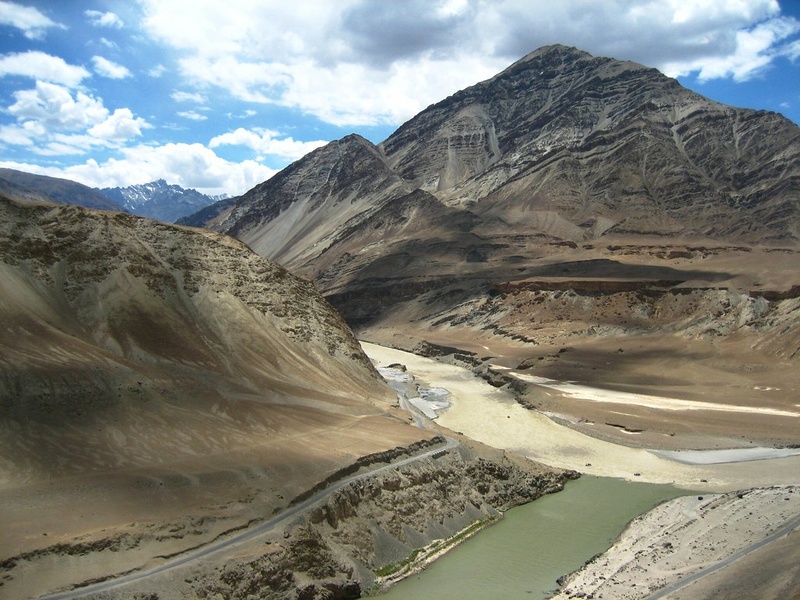
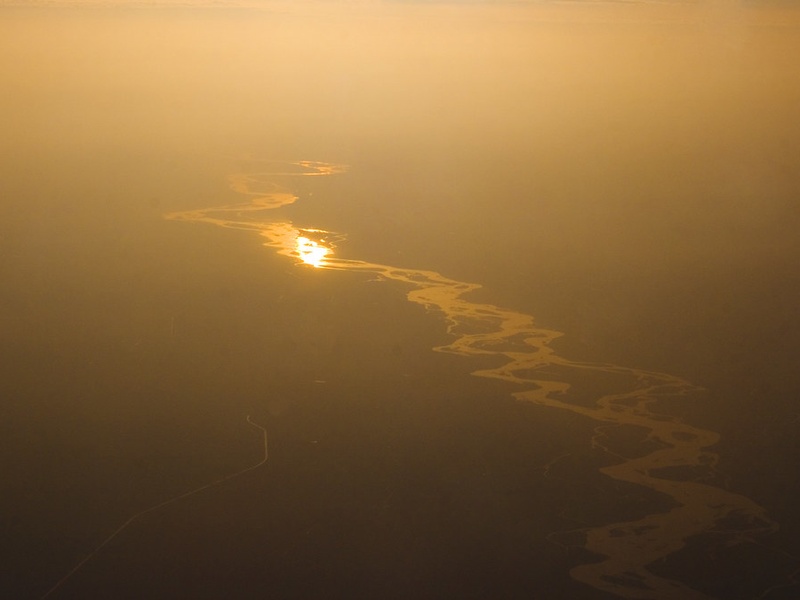
Indus
Name the main river of Pakistan. Start in the Tibetan plateau and flow south through Gilgit-Baltistan, Khyber Pakhtunkhwa, Punjab, and Sindh to the Arabian Sea. Serve as the country’s primary water artery and irrigation source.
Jhelum
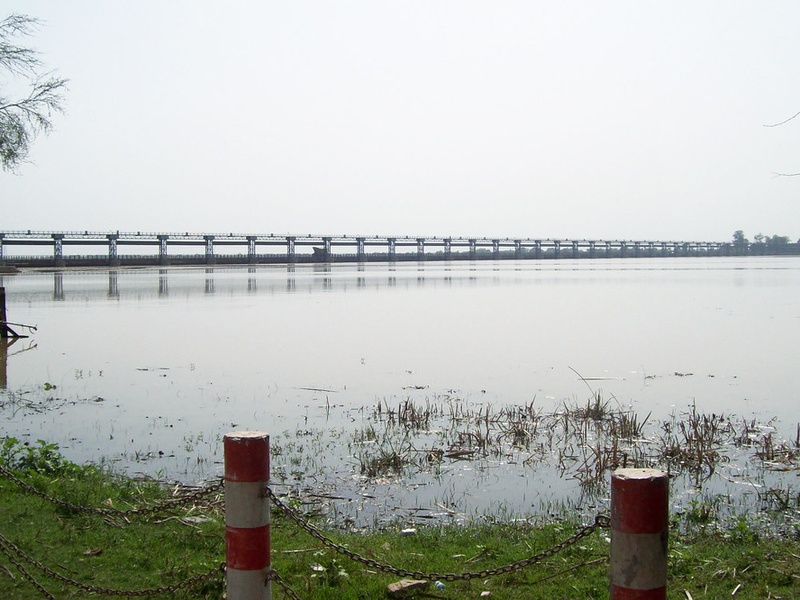
Identify a major tributary in the Indus basin. Rise in the Kashmir mountains and flow through Azad Kashmir and Punjab. Join the Indus river system and support irrigation and hydroelectric projects.
Chenab
List a large Himalayan-born river in the Punjab region. Formed by mountain streams, flow through Jammu and Punjab before entering Pakistan. Act as a principal Indus tributary and key irrigation source.
Ravi
Note a short but important Punjab river. Start in the Himalayas in India and cross into Pakistan’s Punjab plains. Contribute to the five-river system that feeds the Panjnad and Indus.
Sutlej
Record a long transboundary river from the Tibetan Plateau. Run through northern India into Pakistani Punjab and join the Panjnad system. Provide major irrigation and historic river routes.
Kabul
Mark a transboundary river that rises near Kabul, Afghanistan. Cross into Khyber Pakhtunkhwa and flow east toward the Indus basin. Supply valley agriculture and seasonal flows in Peshawar region.
Swat
Describe a highland river in Khyber Pakhtunkhwa. Rise in the Hindu Kush and run through the Swat valley into the Indus basin. Support local irrigation, fisheries, and tourism in mountain valleys.
Panjnad
Define the river formed by the five Punjab rivers. Combine the major Punjab tributaries into one channel before the Indus. Serve as a regional junction for water and irrigation management.
Gomal
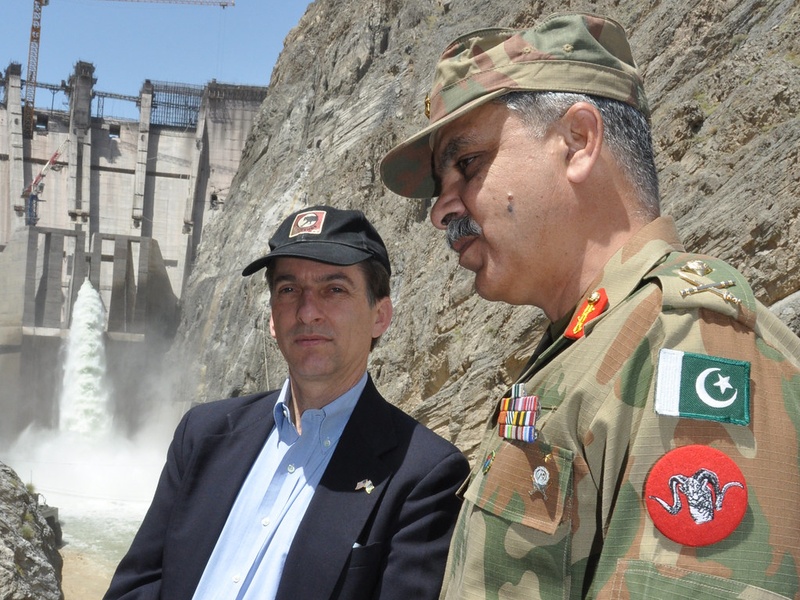
List a river rising near the Afghanistan border. Flow through South Waziristan and Dera Ismail Khan region into the Indus basin. Act as an important irrigation and seasonal river in southern Khyber Pakhtunkhwa.
Zhob
Include a southwestern tributary in the Indus basin. Rise in the Sulaiman range and run east toward the plains. Provide local water for Balochistan and southern Khyber Pakhtunkhwa communities.
Hingol
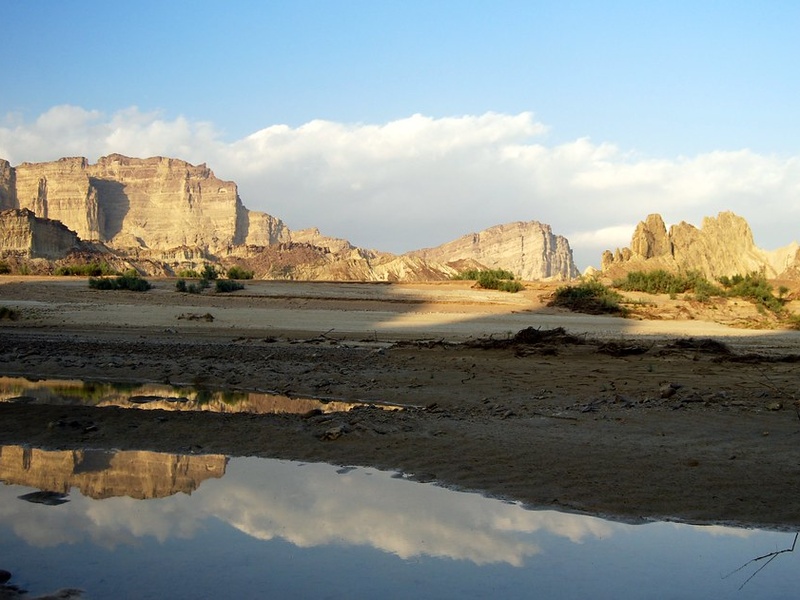
Note the largest river of Balochistan. Flow across the Makran coast and empty into the Arabian Sea inside Hingol National Park. Stand out for dramatic coastal landscapes and seasonal flow.
Hub
Record a river forming part of the Sindh–Balochistan border. Feed the Hub reservoir and flow toward the Arabian Sea near Karachi. Serve municipal water and local industry.
Malir
Describe a short, seasonal river inside Karachi. Run from the hills through the city to the Arabian Sea. Act as an urban drainage channel and flood risk in monsoon months.
Lyari
List a small seasonal stream in Karachi. Cross dense urban areas and discharge to the sea. Serve as a drainage and flood channel during heavy rains.
Hunza
Identify a glacier-fed river in Gilgit-Baltistan. Run from Karakoram glaciers and join the Gilgit River at Jaglot before the Indus. Support valley communities and mountain irrigation.
Gilgit
Describe a key tributary in the upper Indus system. Flow through Gilgit city from glacial sources and meet the Indus near Juglot. Act as a regional transport and water source.
Shyok
Note a major Karakoram tributary of the Indus. Begin in high-altitude ranges and run through Gilgit-Baltistan. Carry heavy glacial sediments and seasonal flows into the Indus system.
Shigar
Include a glacier-fed river rising in Baltoro and neighboring glaciers. Run through Shigar Valley and join the Indus near Skardu. Support local agriculture and mountain settlements.
Suru
Record a river draining the Kargil area into Pakistan-administered territory. Flow from Himalayan glaciers through valleys and join the Indus system. Serve as a key highland watercourse.
Neelum
Describe a fast-flowing valley river in Azad Kashmir. Rise in the Himalaya/Kishanganga area and meet the Jhelum. Provide scenic valleys, hydro projects, and local irrigation.
Kunhar
List a mountain river of the Kaghan Valley in Khyber Pakhtunkhwa. Flow from alpine lakes and glaciers through tourist valleys. Drain into the larger Indus basin as a regional tributary.
Panjkora
Note a Hindu Kush river in Khyber Pakhtunkhwa. Run from high mountain headwaters through Dir and the plains. Act as a regional tributary within the Indus drainage network.
Chitral (Kunar)
Include the Chitral River, known upstream as the Kunar in Afghanistan. Flow from the Hindu Kush through Chitral district and cross borders. Represent a transboundary mountain river in the Indus region.
Kurram
Describe a cross-border river that rises in Afghanistan and flows into northwest Pakistan. Run through Kurram Agency and join the Indus basin. Serve tribal districts and irrigated plains.
Tochi (Gambila)
List a northwestern stream rising in the hills of North Waziristan. Flow east across the plains as the Gambila/Tochi and feed local irrigation. Mark it as a seasonal Indus-basin tributary.
Kech (Dasht)
Note a seasonal river in southern Balochistan. Flow through Kech district as the Dasht system and drain into inland basins or coastal areas in wet years. Serve local agriculture and recharge groundwater.