Pick the wrong airport and you can add a six-hour drive to the front of your safari. Tanzania has three international gateways, none of them in the same part of the country, and the right one depends entirely on what you came to do. Climbing Kilimanjaro? There’s a literal airport at its base. Heading straight to a Zanzibar beach? Flying into Dar es Salaam first means an extra hop or a ferry. This guide sorts all of it out — the big hubs, the regional airports, and the dirt airstrips deep in the parks — so you book the gateway that matches your trip instead of the one that just looked closest on a map.
Table of Contents
- The quick answer: which airport for which trip
- Julius Nyerere International Airport (DAR)
- Kilimanjaro International Airport (JRO)
- Abeid Amani Karume International Airport, Zanzibar (ZNZ)
- Regional airports: Mwanza, Arusha, and more
- Fly-in safari airstrips
- Airport comparison table
- Domestic flights and bush plane logistics
- Frequently asked questions
The quick answer: which airport for which trip
If you only read one section, make it this one.
| Your trip | Fly into | Why |
|---|---|---|
| Kilimanjaro climb | JRO (Kilimanjaro) | 45 min from the Marangu and Machame gates; no backtracking |
| Northern safari (Serengeti, Ngorongoro, Tarangire) | JRO | Closest international gateway to Arusha, the northern safari hub |
| Zanzibar beach only | ZNZ (Zanzibar) | Direct international flights skip the mainland entirely |
| Southern/western parks (Ruaha, Nyerere/Selous) | DAR (Dar es Salaam) | Bush flights to southern airstrips originate here |
| Business or city stay in Dar | DAR | It’s the commercial capital |
| Lake Victoria region | MWZ (Mwanza) | Domestic connection from DAR or JRO |
Most first-time safari-and-beach trips land at JRO, do the northern circuit, then take a short domestic flight to ZNZ for the beach, and fly home from there. You rarely need to set foot in Dar es Salaam unless the southern parks are on your list.
Julius Nyerere International Airport (DAR)
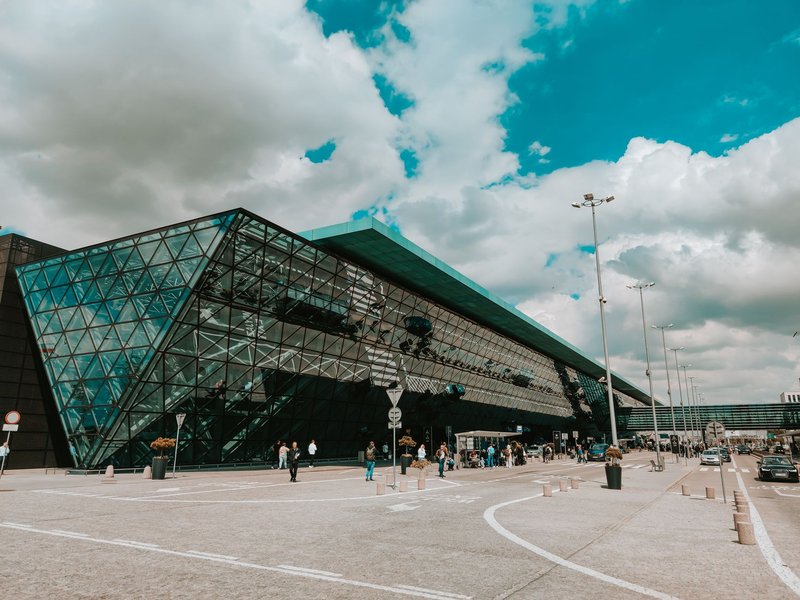
Dar es Salaam’s Julius Nyerere International is Tanzania’s busiest airport and its commercial front door. The IATA code is DAR, and it sits about 12 km southwest of the city center — roughly a 30 to 45 minute drive depending on traffic, which in Dar can be genuinely brutal.
Terminal 3 opened in 2019 and handles most international traffic. It’s the most modern of Tanzania’s terminals: working air conditioning, a decent run of cafes and duty-free, ATMs, and SIM card vendors right past arrivals. Terminal 2 still handles a chunk of domestic and regional flights, and the two aren’t connected airside, so leave buffer time if you’re transferring between them.
This is the airport for southern Tanzania. The fly-in safari camps in Nyerere National Park (the rebranded Selous) and Ruaha National Park run their bush flights out of Dar. It’s also your gateway if Dar es Salaam itself is the destination — whether you’re passing through for a city stay or seriously weighing the benefits of living in Tanzania on the coast — or if you’re catching the ferry to Zanzibar — the ferry terminal is downtown, about 25 minutes from the airport, and the fast catamaran crossing to Stone Town takes around two hours.
Airlines serving DAR include Kenya Airways, Ethiopian Airlines, Qatar Airways, Emirates, Turkish Airlines, KLM, and Swiss, plus the national carrier Air Tanzania and regional operators. From Europe and the Gulf, DAR usually has the widest selection of direct and one-stop options.
One practical note: most visitors get a visa on arrival, but the e-visa system at Tanzania Immigration is now the recommended route and saves you from queuing in the arrivals hall. Sort it before you fly.
Kilimanjaro International Airport (JRO)
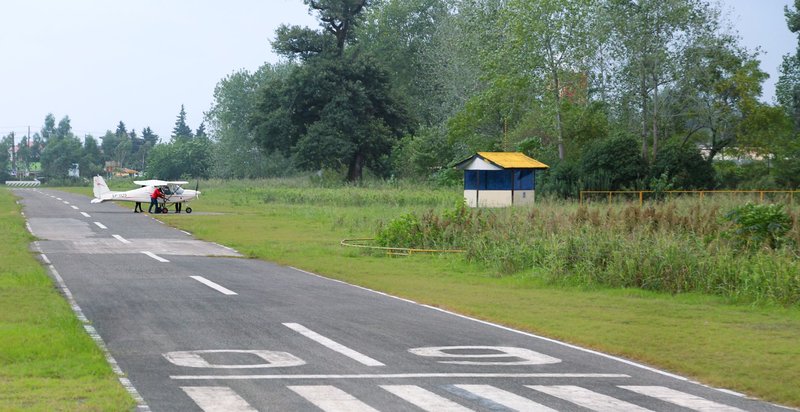
If your trip is the mountain or the northern safari circuit, this is your airport — full stop. Kilimanjaro International (code JRO) sits between Arusha and Moshi, deliberately placed to serve both. It’s about 45 km from Arusha (roughly an hour) and a similar distance from Moshi, the staging town for Kilimanjaro climbs.
JRO is smaller and more dated than Dar’s Terminal 3 — think single concourse, modest amenities, a couple of cafes — but it does the one job that matters: it drops you within striking distance of the northern parks without a cross-country transfer. From JRO, a transfer to the Machame or Marangu gate for a Kilimanjaro climb takes under an hour. Arusha, the launch point for Serengeti, Ngorongoro Crater, Tarangire, and Lake Manyara, is an easy paved drive.
A meaningful 2024 change: Air Tanzania (TAA) began operating scheduled service through Kilimanjaro in October 2024, expanding the domestic and regional options out of JRO. International carriers serving the airport include KLM (a long-running direct from Amsterdam), Ethiopian, Kenya Airways, Qatar Airways, and Turkish, with seasonal charters during the climbing and migration peaks.
Arrival tip: the e-visa applies here too, and JRO’s arrivals hall is small, so a pre-approved e-visa is the difference between walking straight to your driver and standing in a slow line after a long flight. Yellow fever proof is required if you’re arriving from a country with risk of transmission — check the CDC’s Tanzania page before you go.
Abeid Amani Karume International Airport, Zanzibar (ZNZ)
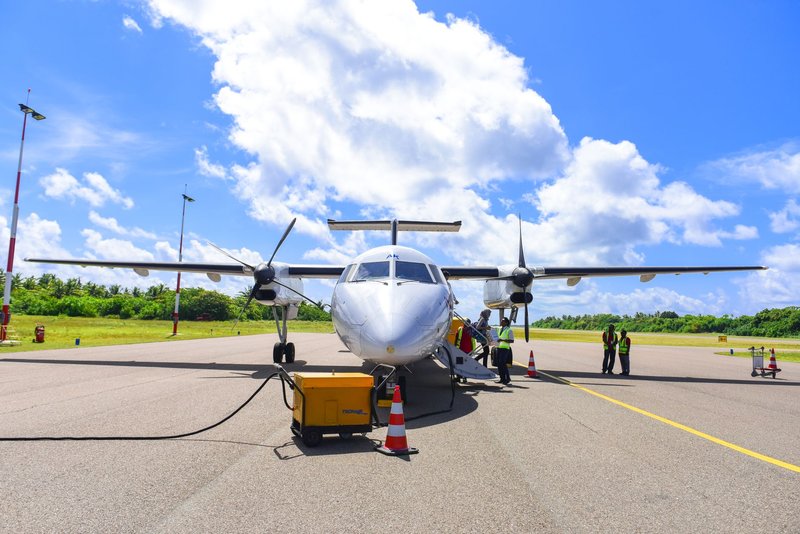
For a beach-first trip, you don’t need the mainland at all. Zanzibar’s Abeid Amani Karume International Airport (code ZNZ) sits about 7 km south of Stone Town — one of the shortest airport-to-town drives in the country, usually 15 to 20 minutes.
A new international terminal (Terminal 3) opened here in 2020 and dramatically upgraded the experience; the old terminal was notoriously cramped. ZNZ now takes direct international flights from Europe and the Gulf, which is the whole point: charter and scheduled services from Italy, the UK, Qatar, the UAE, and elsewhere let beach travelers skip the mainland entirely. Operators here include Qatar Airways, Ethiopian, Turkish, flydubai, and a rotating cast of seasonal charters, alongside heavy domestic traffic from DAR and JRO.
If you’re combining safari and beach, the standard move is a 60 to 90 minute domestic hop from Arusha or the Serengeti airstrips directly into ZNZ — no mainland layover required. Stone Town’s hotels are minutes away; the northern beach areas of Nungwi and Kendwa are about an hour by road, and the east coast beaches of Paje and Jambiani run 45 minutes to an hour.
Note that Zanzibar charges its own infrastructure and tourism fees separately from the mainland, and there’s now a mandatory travel insurance requirement for visitors to the islands — buy it before arrival to avoid being sold a policy at the airport.
Regional airports: Mwanza, Arusha, and more
Beyond the big three, a handful of regional airports handle domestic and short regional routes.
Mwanza Airport (MWZ) is the gateway to the Lake Victoria region and the western Serengeti. It’s Tanzania’s third-busiest airport and a useful entry point if your safari starts from the western corridor or you’re heading toward Rubondo Island. Air Tanzania and Precision Air run regular service from DAR and JRO.
Arusha Airport (ARK) is small and sits right in Arusha town, separate from the larger Kilimanjaro International. It mostly handles light aircraft and bush flights — many fly-in safaris to the northern parks actually depart from ARK rather than JRO, so double-check which one your itinerary lists. They’re about 50 km apart, and mixing them up is a classic, stressful mistake.
Other regional fields include Dodoma (DOD), serving the official capital, and Tabora, Kigoma, and Mtwara for travelers heading to less-touristed corners of the country. Per Wikipedia’s airport list, the mainland has more than two dozen airports with paved or serviceable runways, though most see only light domestic traffic.
Fly-in safari airstrips
Here’s where Tanzania travel gets genuinely different from most destinations: a large share of safari arrivals happen on dirt or gravel airstrips inside the national parks, served by small Cessna Caravans rather than jets.
In the Serengeti alone there are multiple airstrips — Seronera (central), Kogatende (north, for the Mara River crossings), Grumeti and Kirawira (west), and Ndutu (south, for the calving season). Tarangire has its own strip, as do Ruaha, Nyerere/Selous, and the Mahale and Katavi parks out west.
These airstrips have no terminals, no security lines, and often no fence — just a windsock, a clearing, and sometimes a thatched shelter. Your safari guide meets you on the strip. Flights are operated by domestic bush carriers like Coastal Aviation, Auric Air, and Safari Air Link, usually on a hop-and-drop schedule that touches down at several strips on one route. Don’t be surprised if your “direct” flight makes two or three landings before yours.
The catch is baggage. Bush planes enforce strict limits — typically 15 kg (about 33 lbs) per person in soft-sided bags only, hard suitcases won’t fit in the holds. Pack accordingly, and if you’re transiting through a city, many hotels and operators will store your excess luggage until you return.
Airport comparison table
| Airport | Code | Location | Drive to key destination | Best for |
|---|---|---|---|---|
| Julius Nyerere Intl | DAR | Dar es Salaam, ~12 km from center | 30–45 min to downtown | Southern parks, Dar, Zanzibar ferry |
| Kilimanjaro Intl | JRO | Between Arusha & Moshi | ~1 hr to Arusha; <1 hr to climb gates | Kilimanjaro, northern safari |
| Abeid Amani Karume Intl | ZNZ | ~7 km south of Stone Town | 15–20 min to Stone Town | Zanzibar beaches |
| Mwanza | MWZ | Lake Victoria | Western Serengeti access | Lake region, western circuit |
| Arusha | ARK | Arusha town | In-town | Light-aircraft bush flights |
Domestic flights and bush plane logistics
Tanzania’s distances are large and its roads are mixed, so domestic flights do a lot of the heavy lifting on a typical itinerary. The main domestic carriers are Air Tanzania, Precision Air, and the bush specialists Coastal Aviation and Auric Air.
A few things worth knowing before you book:
- Schedules shift. Domestic and bush flight times can move based on demand and the day’s routing, especially the hop-and-drop bush legs. Build a buffer; don’t book a same-day international connection with a tight margin off a bush flight.
- Reliability varies by carrier. The bush operators are generally dependable in good weather, but the rainy seasons (roughly March–May and November) can cause delays and the occasional reroute when a dirt strip is too soft to use.
- Weight is weighed. On small aircraft, they will weigh you and your bag together at check-in. The 15 kg soft-bag limit is real and enforced.
- Pay attention to which airport. Arusha (ARK) versus Kilimanjaro (JRO) is the trap. Confirm with your operator which field your domestic flight uses.
A common, smooth itinerary looks like this: land at JRO, drive to Arusha for the night, fly Arusha to a Serengeti airstrip, safari for several days, fly the Serengeti directly to Zanzibar (ZNZ), do the beach, and fly home from ZNZ. No mainland backtracking, and only one airport you never have to see twice.
Frequently asked questions
Which airport should I fly into for a Serengeti safari? Kilimanjaro International (JRO). It’s the closest international gateway to Arusha, where most northern safaris begin, and you’ll connect onward to a Serengeti airstrip by light aircraft.
What’s the main airport in Tanzania? Julius Nyerere International Airport (DAR) in Dar es Salaam is the busiest and largest. But the “right” main airport for you depends on your trip — JRO for safari and Kilimanjaro, ZNZ for the beach.
Can I fly directly to Zanzibar? Yes. Abeid Amani Karume International (ZNZ) takes direct international flights from Europe and the Gulf, so a beach-only trip can skip the mainland entirely.
How many international airports does Tanzania have? Three: Dar es Salaam (DAR), Kilimanjaro (JRO), and Zanzibar (ZNZ). Everything else is domestic or regional, including dozens of bush airstrips inside the parks.
Do I need a visa to enter, and where do I get it? Most visitors need a visa. Apply for the e-visa in advance through Tanzania’s immigration portal to skip the airport queue. Visa-on-arrival still exists at the major airports but is slower.
How far is Kilimanjaro Airport from the actual mountain? The climbing gates (Machame, Marangu) are under an hour’s drive from JRO. The airport sits at the base of the mountain region, which is exactly why it exists.
The short version
Tanzania doesn’t have one airport you fly into and figure out from there — it has three gateways pointing at three different kinds of trip. Mountain and northern safari, take JRO. Beach, take ZNZ and skip the mainland. Southern parks or the city, take DAR. Get the gateway right and the rest of the country opens up by light aircraft, dirt strip by dirt strip, exactly the way it’s meant to.