The Northern Territory has more land locked up in national parks than most countries have in total, and almost every “best of” list tells you the same four names in a slightly different order. Kakadu, Uluru, Litchfield, Nitmiluk. They’re on every list because they’re genuinely worth it — but the NT has parks that never make the listicles, and the practical stuff that actually shapes your trip rarely does either.
This guide sorts the national parks in the Northern Territory by region, so you can match them to your route instead of cherry-picking a famous name three hours out of your way. It also covers the bits competitors bury: the NT Parks Pass, when roads close, and which parks you can reach in a regular hire car versus the ones that demand a high-clearance 4WD.
Table of Contents
- The bit nobody tells you: the NT Parks Pass
- Wet season vs dry season
- Top End parks (near Darwin)
- Red Centre parks (near Alice Springs)
- Gulf and remote parks
- Comparison table at a glance
- How to plan your route
The bit nobody tells you: the NT Parks Pass {#the-nt-parks-pass}
Most NT parks are free to enter. The ones that aren’t are the headline acts, and the fee systems don’t talk to each other, which trips up a lot of first-timers.
The Parks Pass is the Northern Territory Government’s own pass, and as of 2024 it covers the territory-managed parks that charge entry — places like Nitmiluk and the West MacDonnell parks. A single-park day option exists, but if you’re hitting more than a couple of paid parks, the multi-park pass pays for itself fast. You buy it online through the NT Parks and Wildlife portal before you go.
Here’s the catch the lists never mention: the two most famous parks aren’t on it. Kakadu and Uluru-Kata Tjuta are Commonwealth parks, run by Parks Australia, with their own separate tickets. A Kakadu pass and an Uluru pass are bought independently, and neither is included in the NT Parks Pass. Budget for them as standalone line items.
And then there’s Litchfield. Despite being the Top End’s most-visited waterfall park, Litchfield has no entry fee at all. Free swimming holes, an hour and a half from Darwin. That alone explains why locals go there on weekends instead of fighting the Kakadu drive.
Wet season vs dry season {#wet-vs-dry-season}
The NT runs on two seasons, and getting this wrong wrecks itineraries.
Dry season (roughly May to October) is when nearly everyone visits the Top End. Roads are open, swimming holes are croc-checked and reopened, and the humidity drops to something a human can hike in. The trade-off is crowds and zero rain, so waterfalls run lower by September.
Wet season (November to April) floods the Top End. Dirt roads close, including major access tracks into Kakadu’s southern reaches, and many swimming holes shut because saltwater crocodiles move around with the floodwater. Waterfalls are at full roar, the landscape is electric green, and prices drop. It’s a real option if you’re flexible and stick to sealed roads, but check closures obsessively.
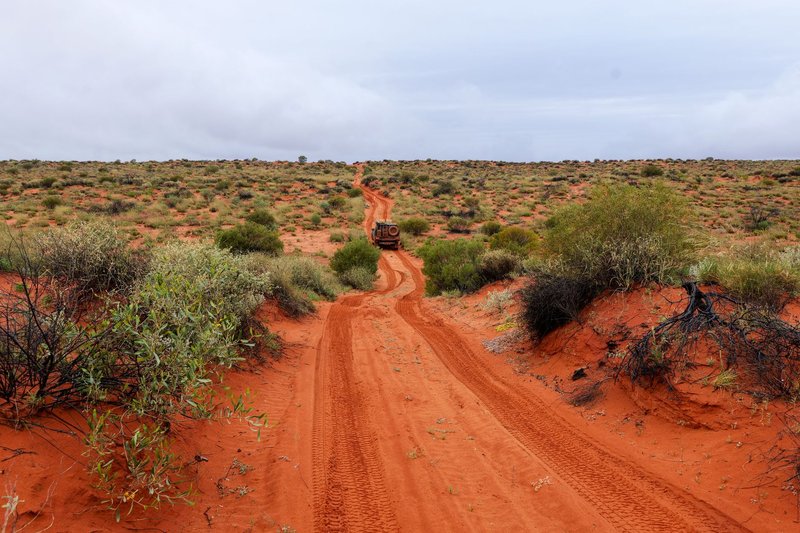
The Red Centre flips the logic. Around Alice Springs and Uluru, the desert is best in the cooler months (April to September) when daytime hiking doesn’t risk heatstroke. Summer here regularly clears 40°C, and rangers close longer walks like the Larapinta sections by mid-morning. The Top End’s wet season is, conveniently, the Red Centre’s mildest stretch.
Top End parks (near Darwin) {#top-end-parks}
This is the tropical north: monsoon woodland, gorges, rock art, and a lot of water you have to think carefully about before swimming in.
Kakadu National Park
Australia’s biggest national park, and the one that needs the most time. You don’t “see Kakadu” in a day — the distances inside it are enormous. The draws are the rock art galleries at Ubirr and Nourlangie, some dated past 20,000 years, and the wetlands at Yellow Water, where a dawn cruise puts you eye-level with crocodiles and jabirus. Jim Jim and Twin Falls are the postcard waterfalls, but they sit at the end of a 4WD track that’s only open in the dry. A 2WD car gets you to the main rock art and Yellow Water; everything dramatic and remote needs clearance and a snorkel kit.
Litchfield National Park
The locals’ park. Ninety minutes from Darwin, free, and built for swimming. Florence Falls, Wangi Falls, and Buley Rockhole are the trio everyone does, and the magnetic termite mounds — two-metre slabs aligned north-south like compass needles — are a genuinely strange stop. It’s busier and smaller than Kakadu, but you can actually swim, and you don’t need a 4WD for the core sites.
Nitmiluk National Park (Katherine Gorge)
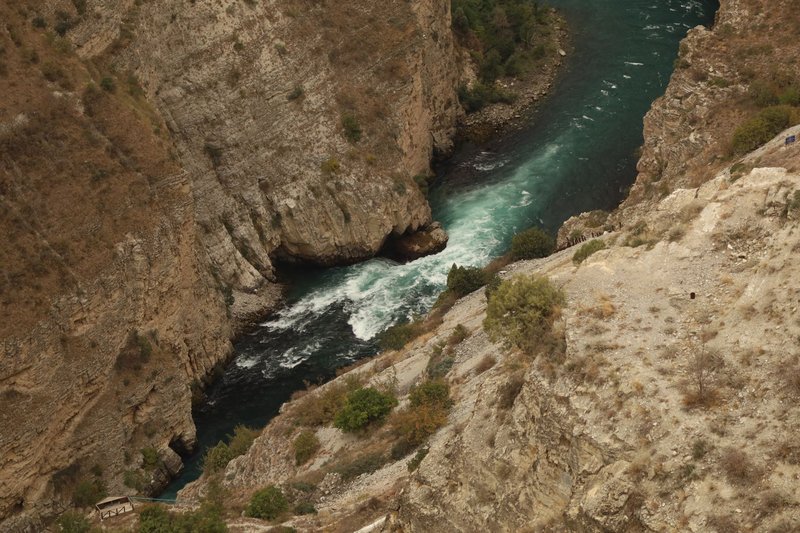
Thirteen sandstone gorges carved by the Katherine River, three hours south of Darwin. In the dry you can canoe between them; in the wet they merge into one fast brown river and boat tours stop. The cruises and canoe hire run through the dry season, and the Jatbula Trail — a five-day walk to Edith Falls — is one of the best multi-day hikes in the north. This one’s covered by the NT Parks Pass.
Garig Gunak Barlu National Park
The one almost nobody reaches. It covers the Cobourg Peninsula, accessible only by a permit-controlled 4WD track through Arnhem Land or by light plane. Empty beaches, big fishing, and a sense of remoteness the famous parks lost years ago. You need a permit and serious self-sufficiency, but it’s the antidote to the Kakadu tour-bus circuit.
Red Centre parks (near Alice Springs) {#red-centre-parks}
Desert country. Ancient ranges, waterholes, and the monoliths that put the NT on the global map.
Uluru-Kata Tjuta National Park
The reason a lot of people come to Australia at all. Uluru is the famous one, but Kata Tjuta (the Olgas) — 36 domes a short drive away — arguably beats it for hiking, with the Valley of the Winds walk threading between the formations. Climbing Uluru has been banned since 2019 out of respect for its Anangu traditional owners, and the base walk is the way to experience it now. It’s a Commonwealth park with its own ticket, valid for three days.
West MacDonnell Ranges (Tjoritja)
A string of gorges and waterholes running west from Alice Springs, and the most underrated park in the Centre. Ormiston Gorge, Ellery Creek Big Hole, and Standley Chasm each have a permanent waterhole cold enough to gasp in. This is the corridor the Larapinta Trail follows, one of Australia’s premier long-distance walks. Most sites are 2WD-accessible off a sealed road, and it’s covered by the NT Parks Pass.
Watarrka National Park (Kings Canyon)
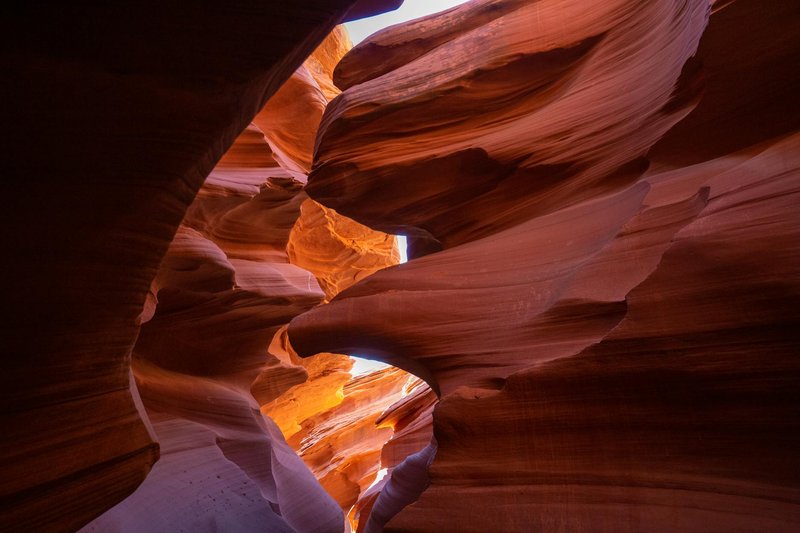
The Rim Walk here is the single best half-day hike in the Red Centre — a six-kilometre loop along 100-metre sandstone walls down into the “Garden of Eden,” a permanent waterhole tucked in the canyon. Start at dawn; rangers close the climb when it gets too hot, often before 9am in summer. It sits between Alice Springs and Uluru, so it slots neatly into the classic Centre loop.
Gulf and remote parks {#gulf-and-remote-parks}
These are the parks that separate the curious from the committed — long drives, rougher roads, far fewer people.
Judbarra / Gregory National Park
The NT’s second-largest park, straddling the Victoria River country on the road toward Western Australia. Boab trees, escarpments, and 4WD tracks with real history. It’s pass-through country for a lot of people headed to the Kimberley, but the river gorges reward a stop.
Limmen National Park
Down in the Gulf, this is sandstone-formation country — the “Lost City” rock pillars look engineered. It’s remote, 4WD-only, and barramundi-fishing famous. You go here on purpose, not on the way to anywhere.
Keep River National Park
Right on the WA border, often paired with Judbarra. Rock art, sandstone formations reminiscent of the Bungle Bungles across the line, and short walks that pack a lot in. A worthwhile last NT stop before crossing west.
Comparison table at a glance {#comparison-table}
| Park | Region | Drive from base | Access | Swimming | Entry fee |
|---|---|---|---|---|---|
| Kakadu | Top End | ~3 hr from Darwin | 2WD core, 4WD for falls | Limited (croc risk) | Parks Australia ticket |
| Litchfield | Top End | ~1.5 hr from Darwin | 2WD | Yes (main falls) | Free |
| Nitmiluk | Top End | ~3 hr from Darwin | 2WD | Yes (designated) | NT Parks Pass |
| Garig Gunak Barlu | Top End | Permit 4WD / fly-in | 4WD only | Limited (croc risk) | Permit required |
| Uluru-Kata Tjuta | Red Centre | ~4.5 hr from Alice | 2WD | No | Parks Australia ticket |
| West MacDonnell | Red Centre | From Alice, sealed road | 2WD | Yes (waterholes) | NT Parks Pass |
| Watarrka (Kings Canyon) | Red Centre | ~3 hr from Alice | 2WD | Yes (canyon waterhole) | NT Parks Pass |
| Judbarra / Gregory | Gulf/West | ~3.5 hr from Katherine | 4WD recommended | Limited | Free |
| Limmen | Gulf | Remote, long 4WD | 4WD only | Limited (croc risk) | Free |
| Keep River | West border | ~3 hr from Katherine | 2WD to main sites | No | Free |
Drive times are approximate and assume dry-season road conditions. Always check current closures before setting out — wet-season status can change a “2WD” park into a no-go overnight.
How to plan your route {#how-to-plan-your-route}
Decide on Top End or Red Centre first, because they’re a 15-hour drive apart and most people fly between Darwin and Alice rather than connect them by road.
If you’ve got a week in the Top End, do Litchfield as a day trip, then give Kakadu three nights and Nitmiluk one or two. That covers the headline waterfalls, the best rock art, and a gorge cruise without rushing. Pick up the NT Parks Pass for Nitmiluk and buy the Kakadu ticket separately.
For the Red Centre, the classic loop is Alice Springs → West MacDonnell Ranges → Kings Canyon → Uluru-Kata Tjuta, run over five to seven days. The West Macs alone justify a couple of days, and they’re free of crowds compared to the Uluru end.
Whatever you pick, the planning order is the same every time: confirm the season, check road and swimming-hole closures, then sort your passes — NT Parks Pass for territory parks, separate Parks Australia tickets for Kakadu and Uluru. Get those three things right and the national parks in the Northern Territory go from a logistical headache to the best road trip in the country.