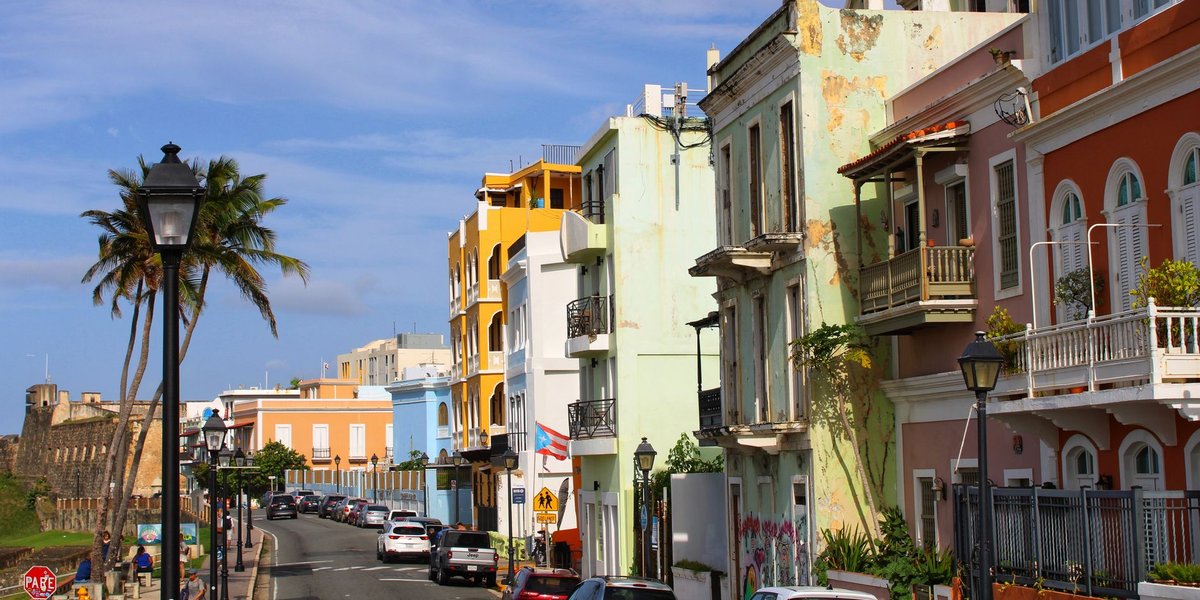
Most “is Suriname safe?” articles spend 2,000 words telling you to watch your bag in Paramaribo before mentioning — in a single paragraph near the bottom — that yes, some neighborhoods are calmer than others. That’s not useful if you’re trying to book a hotel.
Suriname is a genuinely rewarding destination: Dutch colonial architecture on the waterfront, a capital city where you’ll hear four languages in a single market stall, and interior rainforest that most tourists never reach. Crime exists, mostly petty theft and opportunistic street crime in specific pockets. The country isn’t a war zone. It just rewards travelers who know where to base themselves.
Here’s the city-by-city breakdown you were looking for.
Table of Contents
- TLDR: Safest Cities in Suriname
- Paramaribo: Safest Neighborhoods
- Nieuw Nickerie
- Brownsberg and the Interior
- Areas to Avoid (or Approach Carefully)
- Practical Safety Tips for Suriname
TLDR: Safest Cities in Suriname {#tldr}
- Paramaribo (Waterkant, Rainville, Noord districts) — safest for tourists; stay central and well-lit
- Nieuw Nickerie — calm, slow-paced border town with very low tourist crime
- Brownsberg / eco-lodges in the interior — structured nature tourism, low risk by design
Avoid: Albina (especially at the border crossing after dark), Kwatta neighborhood in Paramaribo after hours, and driving the East-West highway at night.
1. Paramaribo: Where to Stay and Which Districts to Choose {#paramaribo}
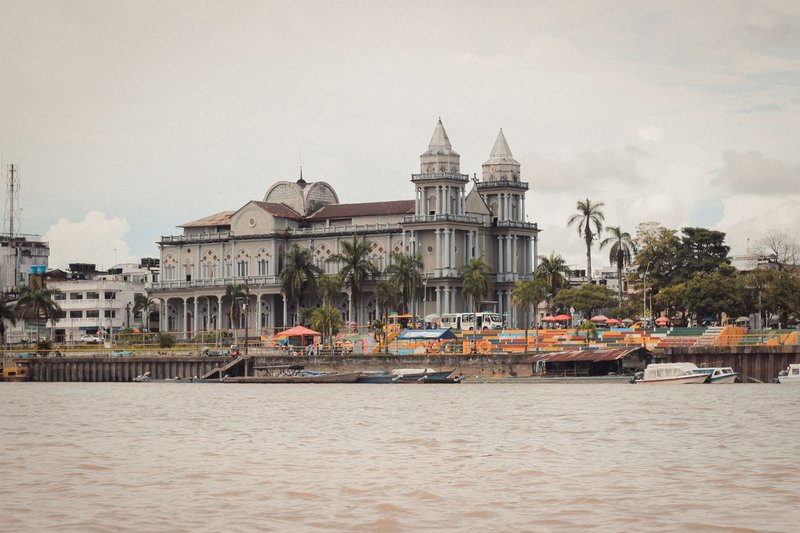
Paramaribo is where you’ll spend most of your time, and the city is more layered than the generic safety guides suggest. The overall risk level is moderate — pickpocketing and bag snatching in crowded areas, occasional motorbike theft, and some rougher pockets on the outskirts. But the tourist core is genuinely walkable during the day and manageable at night if you’re not wandering blindly.
Waterkant
The riverfront district is the safest and most visitor-friendly part of the city. Hotels, restaurants, and the main tourist infrastructure are concentrated here. The UNESCO-listed inner city — a mix of Dutch colonial wooden buildings and mosques sitting next to synagogues — sits in this zone. Foot traffic stays high during daylight hours, and the area around the Palmentuin (Palm Garden) and Fort Zeelandia is well-patrolled.
Stay here if you want walkable access to sights without relying on transport after dark.
Rainville
A residential district just south of the historic center. Quieter than Waterkant but considered safe by local standards — middle-class neighborhood with guesthouses and smaller hotels. Less to do, but a reasonable base if the waterfront accommodation is full or overpriced.
Noord
Noord sits north of the city center and has the highest concentration of upscale guesthouses and expat-friendly accommodation. Chain hotels and better-resourced guesthouses cluster here. The tradeoff is that you’ll need a taxi or ride to reach the main sights, but it’s the calmest residential option for solo travelers or those wanting a quieter environment overall.
Where to stay in Paramaribo: The Waterkant area gives you the most for your money in terms of convenience and safety. Noord is worth considering if budget allows and you want distance from urban friction.
2. Nieuw Nickerie {#nieuw-nickerie}
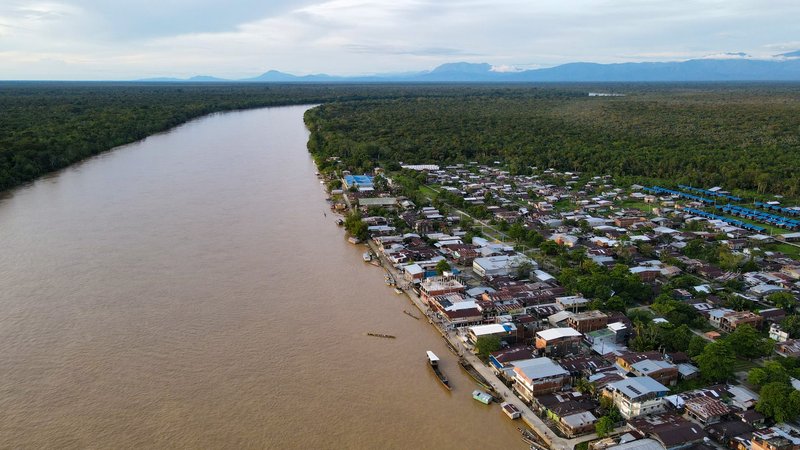
Nieuw Nickerie sits on the western edge of Suriname, across the Corantijn River from Guyana. It’s the country’s second-largest city, though that’s a relative term — this is a quiet, rice-farming town where the main street closes early and everyone knows everyone.
Tourist crime here is minimal. The town has little of the economic inequality that drives petty crime in Paramaribo, and it sees a steady trickle of travelers crossing between Suriname and Guyana. The ferry crossing itself is low-key and safe during daylight hours.
There’s not a lot to do here beyond the crossing, the local market, and a few guesthouses — but if you’re transiting or spending a night before heading inland, you’ll sleep fine. The local guesthouses are small, family-run, and attentive.
Nieuw Nickerie safety verdict: Low risk for tourists. The main caution is the border crossing logistics themselves — use the official ferry, not private boats, and don’t cross after dark.
3. Brownsberg Nature Park and the Interior {#brownsberg}
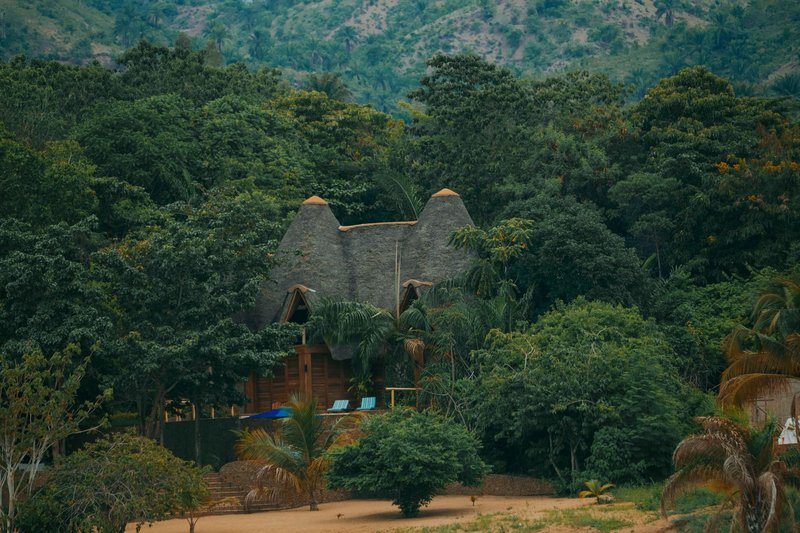
Suriname’s interior — the vast Amazon-adjacent rainforest that makes up roughly 80% of the country’s landmass — is accessed through organized eco-tourism and is safe precisely because it’s structured. You go with a guide or you go through a lodge; there’s no real backpacker free-for-all here.
Brownsberg Nature Park, about 130 km south of Paramaribo, is the most accessible entry point. The park authority runs the main accommodation at the plateau’s edge, and the surrounding Saramaccan and Maroon communities that support the tourism infrastructure have a long, established relationship with visitors. Crime directed at tourists here is essentially unheard of.
The same applies to deeper interior destinations like the Raleighvallen nature reserve and Awarradam — the logistics force a degree of organization that filters out most risk. The challenges in the interior are practical rather than criminal: river crossings, jungle logistics, and medical access. Malaria prophylaxis is recommended for the interior; the CDC’s destination-specific health guidance for Suriname covers this in detail.
Where to stay: Book through METS (the main eco-tourism operator in Suriname) or directly through the park authority for Brownsberg. Self-arranged trips to the interior are possible but require local logistics knowledge.
Areas to Avoid (or Approach with Caution) {#areas-to-avoid}
Not every part of Suriname has the same risk profile. A few places worth knowing:
Albina is the town on the eastern border with French Guiana, reachable via the East-West highway. It saw significant violence during the 1986–1992 interior war and hasn’t fully stabilized economically since. The border crossing itself is functional and used by many travelers, but Albina isn’t a place to linger, explore after dark, or use as a base. Cross during the day and keep moving.
Kwatta is a neighborhood on the southern outskirts of Paramaribo. It’s not somewhere tourists typically end up, but if your guesthouse or Airbnb is in this direction, be aware that it has higher petty crime rates than the central districts and isn’t well-lit at night.
The East-West highway at night connects Paramaribo to Nieuw Nickerie on the west and Albina on the east. Road conditions are poor in sections, there’s minimal lighting, and breakdowns are common. Driving it after dark significantly raises your risk — not from crime specifically, but from accidents and being stranded. If you’re renting a vehicle or taking a minibus, schedule arrivals before sunset.
Practical Safety Tips for Suriname {#safety-tips}
These apply across all cities:
Use taxis from hotels or apps, not street hails. The Paribo app (Suriname’s main ride-hailing service) gives you a traceable ride. Random taxis in Paramaribo have occasionally been associated with opportunistic scams — not common, but easily avoided.
Keep valuables off your person in markets. The Centrale Markt in Paramaribo is one of the best markets in the Caribbean basin, but it’s also a pickpocket’s preferred environment. Leave the camera in the bag, put your phone in a front pocket, and don’t flash a thick wallet.
ATMs at bank branches during business hours only. Standalone ATMs in Suriname have had skimming issues. Use machines attached to actual bank buildings, and go during the day when staff are present.
Register with your embassy. The U.S. State Department maintains a current travel advisory for Suriname — check it before you go and enroll in STEP (Smart Traveler Enrollment Program) if you’re American. Citizens of other countries should check their own foreign affairs ministries.
Get travel insurance that covers medical evacuation. Suriname’s public healthcare system has significant gaps, and the interior has essentially no emergency medical infrastructure. If something goes wrong beyond Paramaribo, evacuation to a proper hospital is expensive without insurance.
Learn a few words of Dutch or Sranan Tongo. This isn’t a safety tip in the conventional sense, but locals respond warmly to any attempt at either language, and that kind of goodwill matters — people look out for travelers who make an effort.
Suriname is not a destination that should scare you off. The travelers who have a bad time there are usually the ones who didn’t think about where they were staying or wandered into the wrong part of Paramaribo at 1 a.m. looking for a taxi. Stick to the Waterkant and Noord districts, cross borders during daylight, and book the interior through established operators — and you’ll find a country that’s significantly more relaxed than its reputation suggests.