
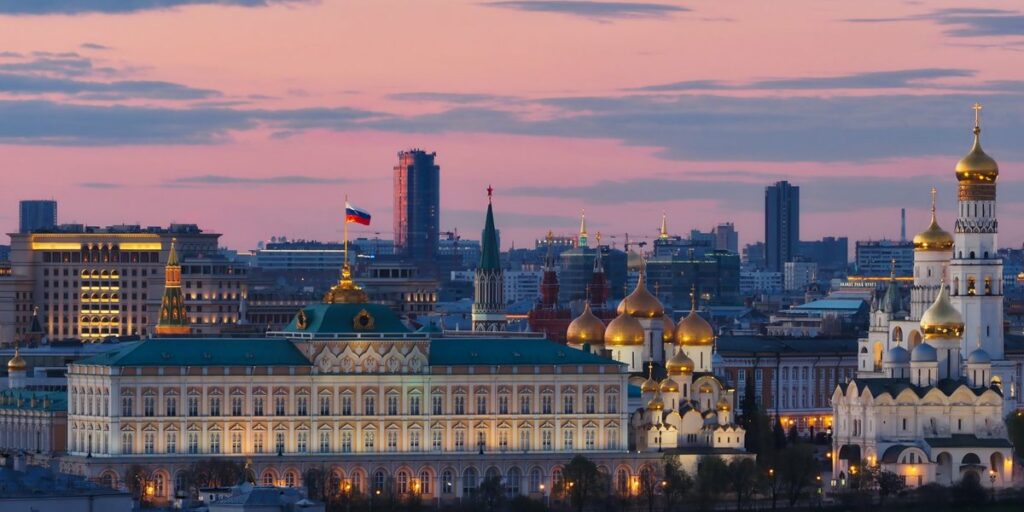
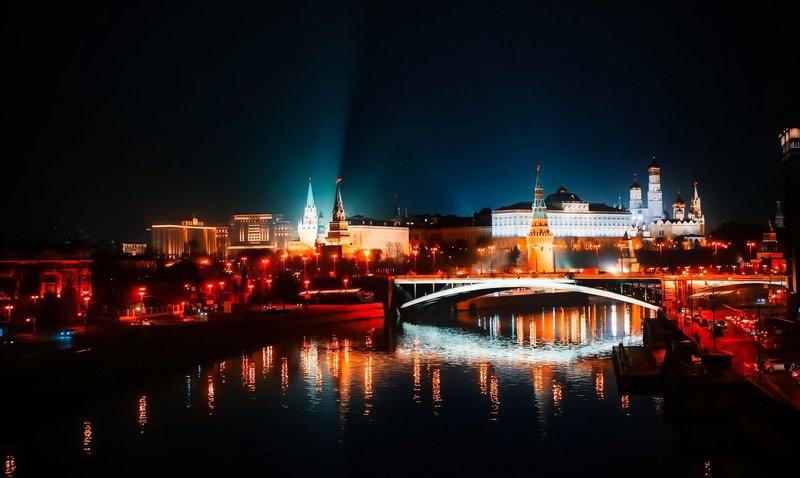
Russian is one of those languages where even trying earns you enormous goodwill. Locals notice when you attempt even a few words, and the effort tends to smooth over everything from confusing taxi rides to restaurant orders gone sideways.
This guide is organized the way travel actually works — not by grammar category, but by situation. You’ll also get something most phrase lists skip: a phonetic pronunciation hint (not just transliteration) so you can actually say these out loud before you land.
Table of Contents
- Survival Phrases First
- Cyrillic in 5 Minutes
- At the Airport and Border
- Getting Around: Taxis, Metro, Buses
- At the Hotel
- Ordering Food and Drinks
- Shopping and Money
- Emergencies and Getting Help
- General Conversation and Politeness
- Printable Cheat Sheet
Survival Phrases First
Before anything else, these are the ten phrases that get you through almost any situation. Learn these before you get on the plane.
| English | Cyrillic | Transliteration | Sounds Like |
|---|---|---|---|
| Yes | Да | Da | “dah” |
| No | Нет | Net | “nyet” |
| Thank you | Спасибо | Spasibo | “spuh-SEE-buh” |
| Please / You’re welcome | Пожалуйста | Pozhaluysta | “puh-ZHAHL-stuh” |
| Excuse me / Sorry | Извините | Izvinite | “eez-vee-NEE-tye” |
| I don’t understand | Я не понимаю | Ya ne ponimayu | “ya nyeh puh-nee-MY-oo” |
| Do you speak English? | Вы говорите по-английски? | Vy govorite po-angliyski? | “vwee guh-vuh-REE-tye puh-ang-LEEY-ski?” |
| Help! | Помогите! | Pomogite! | “puh-muh-GEE-tye!” |
| Where is the toilet? | Где туалет? | Gde tualet? | “gdye too-ah-LYET?” |
| How much does it cost? | Сколько стоит? | Skol’ko stoit? | “SKOL-kuh STOH-eet?” |
Cyrillic in 5 Minutes
You don’t need to read Cyrillic fluently to get value from knowing a few letters. Menus, metro signs, and street names suddenly open up if you can decode even the basics.
Some Cyrillic letters are identical or nearly identical to Latin letters: А, Е, К, М, О, Т all look and sound similar. A few are traps: В sounds like “V,” Н sounds like “N,” Р sounds like “R,” and С sounds like “S.”
The biggest unlocks for a first-time visitor:
- РЕСТОРАН = Restaurant (sounds like “rye-stuh-RAHN”)
- МЕТРО = Metro
- ВЫХОД = Exit (sounds like “VWY-khud”) — you’ll see this everywhere in the metro
- ВХОД = Entrance (sounds like “fkhod”)
- КАССА = Cashier / ticket window
- АПТЕКА = Pharmacy
The Cyrillic alphabet has 33 letters. You don’t need most of them. Knowing the six letter “traps” above will prevent most of the confusion travelers run into.
At the Airport and Border
Russian customs and border agents deal with foreign travelers constantly, but don’t always speak English. Having these phrases ready removes a lot of friction.
| English | Cyrillic | Transliteration | Sounds Like |
|---|---|---|---|
| I am a tourist | Я турист | Ya turist | “ya too-REEST” |
| I am here on vacation | Я здесь в отпуске | Ya zdes’ v otpuske | “ya zdyes’ v OT-poos-kye” |
| My passport | Мой паспорт | Moy pasport | “moy PAHS-purt” |
| I have nothing to declare | Мне нечего декларировать | Mne nechego deklarirovat’ | “mnye NYE-chye-vuh dyeh-kluh-REE-ruh-vuht'” |
| Where is baggage claim? | Где получение багажа? | Gde poluchenie bagazha? | “gdye puh-loo-CHYE-nyee-ye buh-guh-ZHAH?” |
| Where is the exit? | Где выход? | Gde vykhod? | “gdye VWY-khud?” |
| I need a taxi | Мне нужно такси | Mne nuzhno taksi | “mnye NOOZH-nuh tak-SEE” |
| To the city center, please | В центр города, пожалуйста | V tsentr goroda, pozhaluysta | “f tsentr GOH-ruh-duh, puh-ZHAHL-stuh” |
Getting Around: Taxis, Metro, Buses
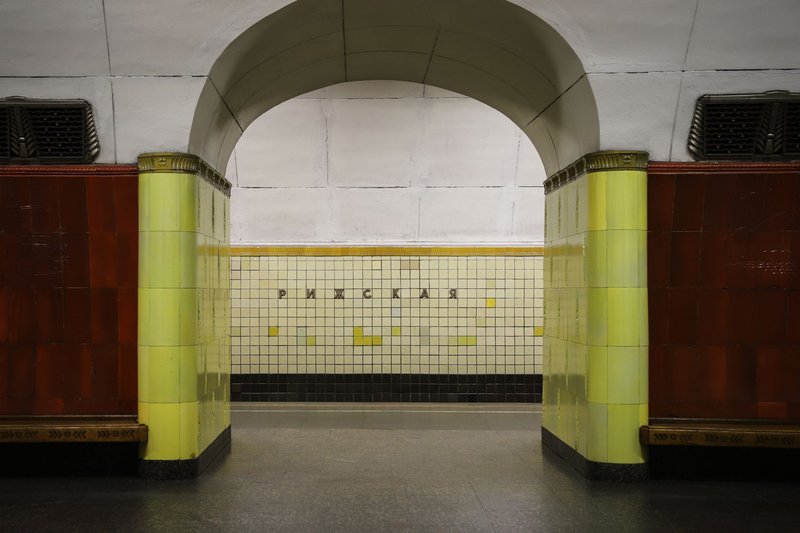
Russian cities have excellent public transit, and Moscow’s metro in particular is one of the most beautiful underground systems in the world. But buying a ticket and asking for directions requires a few key phrases.
| English | Cyrillic | Transliteration | Sounds Like |
|---|---|---|---|
| Take me to [place] | Отвезите меня в [место] | Otvezite menya v [mesto] | “ut-vye-ZEE-tye mye-NYA v [MYES-tuh]” |
| Stop here, please | Остановитесь здесь, пожалуйста | Ostanovites’ zdes’, pozhaluysta | “uh-stuh-nuh-VEE-tyes’ zdyes’, puh-ZHAHL-stuh” |
| How much to [place]? | Сколько до [места]? | Skol’ko do [mesta]? | “SKOL-kuh duh [MYES-tuh]?” |
| I want to go to… | Я хочу поехать в… | Ya khochu poyekhat’ v… | “ya khuh-CHOO puh-YEH-khuht’ v…” |
| Where is the metro? | Где метро? | Gde metro? | “gdye mye-TROH?” |
| One ticket, please | Один билет, пожалуйста | Odin bilet, pozhaluysta | “uh-DYEEN bee-LYET, puh-ZHAHL-stuh” |
| Which stop is this? | Какая это станция? | Kakaya eto stantsiya? | “kuh-KAY-yuh EH-tuh STAHN-tsee-yuh?” |
| Turn left | Повернуть налево | Povernut’ nalevo | “puh-vyer-NOOT’ nuh-LYEH-vuh” |
| Turn right | Повернуть направо | Povernut’ napravo | “puh-vyer-NOOT’ nuh-PRAH-vuh” |
| Go straight | Идите прямо | Idite pryamo | “ee-DEE-tye PRYAH-muh” |
| Is it far? | Это далеко? | Eto daleko? | “EH-tuh duh-lye-KOH?” |
| Near / Far | Близко / Далеко | Blizko / Daleko | “BLEEZ-kuh / duh-lye-KOH” |
Practical tip: Most Moscow and St. Petersburg metro signs now include English translations, but outside the major cities you’re on your own. The ВЫХОД (exit) and ВХОД (entrance) signs are uniform everywhere.
At the Hotel
Hotel staff in major tourist cities usually speak some English. Smaller cities and guesthouses — a different story.
| English | Cyrillic | Transliteration | Sounds Like |
|---|---|---|---|
| I have a reservation | У меня есть бронирование | U menya est’ bronirovanie | “oo mye-NYA yest’ bruh-nee-ruh-VAHN-yee-ye” |
| My name is… | Меня зовут… | Menya zovut… | “mye-NYA zuh-VOOT…” |
| Do you have a room? | Есть ли у вас свободный номер? | Est’ li u vas svobodny nomer? | “yest’ lee oo vahs svuh-BOD-niy NOH-myer?” |
| How much per night? | Сколько стоит за ночь? | Skol’ko stoit za noch’? | “SKOL-kuh STOH-eet zah NOCH’?” |
| Can I see the room? | Могу ли я посмотреть номер? | Mogu li ya posmotret’ nomer? | “muh-GOO lee ya pus-muh-TRYET’ NOH-myer?” |
| The key, please | Ключ, пожалуйста | Klyuch, pozhaluysta | “klyooch, puh-ZHAHL-stuh” |
| Where is room [number]? | Где номер [число]? | Gde nomer [chislo]? | “gdye NOH-myer [number]?” |
| I need… | Мне нужно… | Mne nuzhno… | “mnye NOOZH-nuh…” |
| Towels | Полотенца | Polotentsa | “puh-luh-TYEN-tsuh” |
| Hot water | Горячая вода | Goryachaya voda | “guh-RYAH-chuh-yuh vuh-DAH” |
| Wi-Fi password | Пароль для Wi-Fi | Parol’ dlya Wi-Fi | “puh-ROL’ dlyah Wi-Fi” |
| Checkout at what time? | В котором часу выезд? | V kotorom chasu vyezd? | “f kuh-TOH-ruhm chuh-SOO VWY-yezd?” |
Ordering Food and Drinks

Russian restaurant culture has some quirks. Servers don’t typically come back to check on you — you flag them down or catch their eye. And “no” on the menu means it’s out, not that they’re confused about your order.
| English | Cyrillic | Transliteration | Sounds Like |
|---|---|---|---|
| A table for two, please | Столик на двоих, пожалуйста | Stolik na dvoikh, pozhaluysta | “STOH-leek nuh dvuh-EEKH, puh-ZHAHL-stuh” |
| The menu, please | Меню, пожалуйста | Menyu, pozhaluysta | “mye-NYOO, puh-ZHAHL-stuh” |
| I would like… | Я бы хотел/хотела… | Ya by khotel/khotela… | “ya bwee khuh-TYEL / khuh-TYEL-uh…” |
| What do you recommend? | Что вы рекомендуете? | Chto vy rekomenduete? | “shtoh vwee rye-kuh-myen-DOO-ye-tye?” |
| Water, please | Воду, пожалуйста | Vodu, pozhaluysta | “VOH-doo, puh-ZHAHL-stuh” |
| Sparkling / still water | Газированная / негазированная вода | Gazirovannaya / negazirovannaya voda | “guh-zee-ROH-vuh-nuh-yuh / nye-guh-zee-ROH-vuh-nuh-yuh vuh-DAH” |
| Coffee / Tea | Кофе / Чай | Kofe / Chay | “KOH-fye / chay” |
| Beer / Wine | Пиво / Вино | Pivo / Vino | “PEE-vuh / vee-NOH” |
| The bill, please | Счёт, пожалуйста | Schyot, pozhaluysta | “shchyot, puh-ZHAHL-stuh” |
| Is service included? | Обслуживание включено? | Obsluzhivanie vklyucheno? | “ub-SLOO-zhee-vuh-nyee-ye fklyoo-chye-NOH?” |
| I am vegetarian | Я вегетарианец/вегетарианка | Ya vegetarianets/vegetarianka | “ya vye-gye-tuh-ree-AH-nyets / vye-gye-tuh-ree-AHN-kuh” |
| Without meat | Без мяса | Bez myasa | “byez MYAH-suh” |
| Delicious! | Вкусно! | Vkusno! | “FKOOS-nuh!” |
| Cheers! | За здоровье! | Za zdorov’ye! | “zuh zduh-ROV-ye!” |
Note on gendered language: Russian adjectives and some nouns change based on speaker gender. Above, the male form comes first where relevant (e.g., хотел / хотела).
Shopping and Money
| English | Cyrillic | Transliteration | Sounds Like |
|---|---|---|---|
| How much is this? | Сколько это стоит? | Skol’ko eto stoit? | “SKOL-kuh EH-tuh STOH-eet?” |
| Too expensive | Слишком дорого | Slishkom dorogo | “SLEESH-kuhm DOH-ruh-guh” |
| Can you make it cheaper? | Можно дешевле? | Mozhno deshevle? | “MOZH-nuh dye-SHEV-lye?” |
| I’ll take it | Я возьму это | Ya voz’mu eto | “ya vuz’-MOO EH-tuh” |
| Do you accept cards? | Вы принимаете карты? | Vy prinimaete karty? | “vwee pree-nee-MY-ye-tye KAR-twy?” |
| Where is an ATM? | Где банкомат? | Gde bankomat? | “gdye bahn-kuh-MAHT?” |
| Receipt, please | Чек, пожалуйста | Chek, pozhaluysta | “chek, puh-ZHAHL-stuh” |
| Open / Closed | Открыто / Закрыто | Otkryto / Zakryto | “ut-KRWEE-tuh / zuh-KRWEE-tuh” |
Emergencies and Getting Help
These you hope to never need. Learn them anyway.
| English | Cyrillic | Transliteration | Sounds Like |
|---|---|---|---|
| Help! | Помогите! | Pomogite! | “puh-muh-GEE-tye!” |
| Call the police! | Вызовите полицию! | Vyzovite politsiyu! | “VWY-zuh-vee-tye puh-LEET-see-yoo!” |
| Call an ambulance! | Вызовите скорую! | Vyzovite skoruyu! | “VWY-zuh-vee-tye SKOH-roo-yoo!” |
| I need a doctor | Мне нужен врач | Mne nuzhen vrach | “mnye NOO-zhyn vrach” |
| I am sick | Я болен/больна | Ya bolen/bol’na | “ya BOH-lyen / bul’-NAH” |
| I am lost | Я заблудился/заблудилась | Ya zabludilsya/zabludilas’ | “ya zuh-bloo-DEEL-syuh / zuh-bloo-DEE-luhs'” |
| I’ve been robbed | Меня ограбили | Menya ograbili | “mye-NYA uh-GRAH-bee-lee” |
| Where is the hospital? | Где больница? | Gde bol’nitsa? | “gdye bul’-NEE-tsuh?” |
| Where is the embassy? | Где посольство? | Gde posol’stvo? | “gdye puh-SOL’-stvuh?” |
| Fire! | Пожар! | Pozhar! | “puh-ZHAHR!” |
Emergency numbers in Russia: Police — 102, Ambulance — 103, Fire — 101. The unified emergency number is 112, similar to the EU system.
General Conversation and Politeness
A few phrases that go a long way in casual encounters.
| English | Cyrillic | Transliteration | Sounds Like |
|---|---|---|---|
| Hello (formal) | Здравствуйте | Zdravstvuyte | “ZDRAH-stvoo-ee-tye” |
| Hello (informal) | Привет | Privet | “pree-VYET” |
| Good morning | Доброе утро | Dobroye utro | “DOH-bruh-ye OO-truh” |
| Good afternoon | Добрый день | Dobryy den’ | “DOH-bry dyen'” |
| Good evening | Добрый вечер | Dobryy vecher | “DOH-bry VYE-chyer” |
| Goodbye | До свидания | Do svidaniya | “duh svee-DAH-nyee-yuh” |
| See you later | Пока | Poka | “puh-KAH” |
| My name is… | Меня зовут… | Menya zovut… | “mye-NYA zuh-VOOT…” |
| Nice to meet you | Приятно познакомиться | Priyatno poznakomit’sya | “pree-YAHT-nuh puz-nuh-KOH-meet’-syuh” |
| Yes, please | Да, пожалуйста | Da, pozhaluysta | “dah, puh-ZHAHL-stuh” |
| No, thank you | Нет, спасибо | Net, spasibo | “nyet, spuh-SEE-buh” |
| I’m sorry | Простите | Prostite | “pruh-STEE-tye” |
| Repeat, please | Повторите, пожалуйста | Povtorite, pozhaluysta | “puv-tuh-REE-tye, puh-ZHAHL-stuh” |
| More slowly, please | Помедленнее, пожалуйста | Pomedelenneye, pozhaluysta | “puh-MYED-lyen-nye-ye, puh-ZHAHL-stuh” |
| I speak a little Russian | Я немного говорю по-русски | Ya nemnogo govoryu po-russki | “ya nyem-NOH-guh guh-vuh-RYOO puh-ROOS-kee” |
If you’re heading to a neighboring country that shares linguistic roots, you might also find it useful to review useful phrases for tourists in Belarus — the Russian phrases covered here will carry over almost directly.
Printable Cheat Sheet
Copy this section to a notes app or print it before you travel. These 20 phrases cover the majority of situations you’ll actually encounter.
Greetings & Basics
- Hello: Здравствуйте / ZDRAH-stvoo-ee-tye
- Thank you: Спасибо / spuh-SEE-buh
- Please: Пожалуйста / puh-ZHAHL-stuh
- Yes / No: Да / Нет (dah / nyet)
- Sorry: Извините / eez-vee-NEE-tye
- I don’t understand: Я не понимаю / ya nyeh puh-nee-MY-oo
- Do you speak English?: Вы говорите по-английски? / vwee guh-vuh-REE-tye puh-ang-LEEY-ski?
Getting Around
- Where is…?: Где…? / gdye…?
- Taxi to [place]: Отвезите меня в [место] / ut-vye-ZEE-tye mye-NYA v…
- Stop here: Остановитесь здесь / uh-stuh-nuh-VEE-tyes’ zdyes’
- Left / Right / Straight: Налево / Направо / Прямо
Food & Hotels
- The menu: Меню / mye-NYOO
- The bill: Счёт / shchyot
- Water: Вода / vuh-DAH
- One room / One ticket: Один номер / Один билет
Emergencies
- Help!: Помогите! / puh-muh-GEE-tye!
- Call an ambulance: Вызовите скорую / VWY-zuh-vee-tye SKOH-roo-yoo
- Police: Полиция / puh-LEET-see-yuh
- Where is the hospital?: Где больница? / gdye bul’-NEE-tsuh?
- Exit: Выход / VWY-khud
Russian pronunciation can feel daunting at first — the stress patterns are unpredictable and unstressed vowels shift sounds in ways English doesn’t prepare you for. But you don’t need to be accurate. You need to be close enough that context does the rest. Most of the time, that’s enough. And when it isn’t, your phone’s translation app is always a backup — but the locals will remember you tried.