
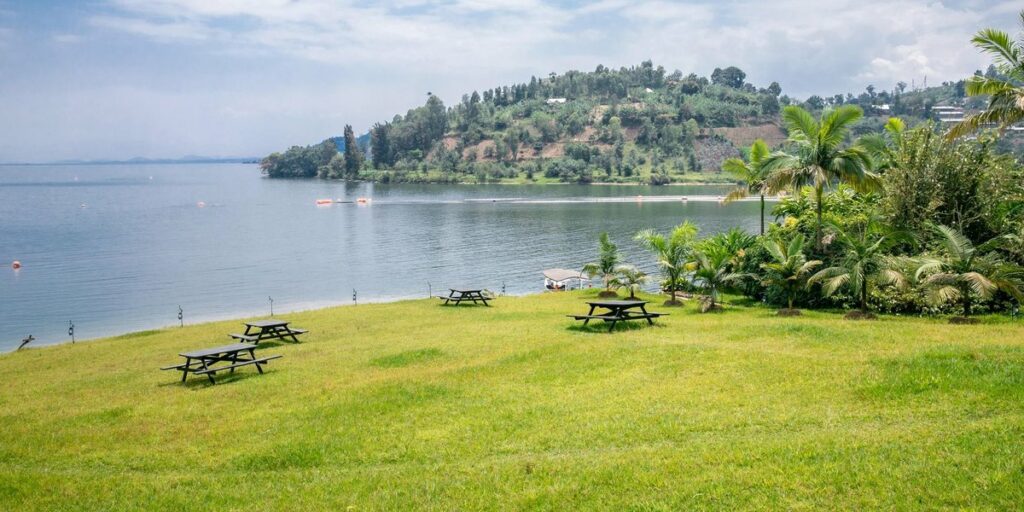
Tanzania holds a strange piece of geography: it touches all three of Africa’s largest lakes, and it’s also home to lakes so caustic they preserve the bodies of animals that fall in. That range — from the world’s second-deepest freshwater lake to bright red soda flats — is what makes the lakes in Tanzania more interesting than the usual “list of big water bodies” treatment.
Some of these you can sail across. Some you’ll only ever see from the rim of a safari vehicle, pink with flamingos. A couple you should admire from a respectful distance. Here’s the full set worth knowing, sorted roughly by how likely you are to actually stand next to one.
Quick Comparison
| Lake | Type | Region | Best for |
|---|---|---|---|
| Victoria | Freshwater | Northwest | Largest surface area in Africa |
| Tanganyika | Freshwater | West | Deepest, clearest, swimmable |
| Nyasa (Malawi) | Freshwater | Southwest | Cichlid diversity, beaches |
| Rukwa | Soda/saline | Southwest | Remote, birdlife, crocodiles |
| Natron | Soda | North | Flamingo breeding, surreal color |
| Manyara | Alkaline | North safari circuit | Flamingos, tree-climbing lions |
| Eyasi | Soda | North | Hadza culture, dry-season birding |
| Chala | Crater | Kilimanjaro region | Swimming, day trips |
| Jipe | Freshwater | Kilimanjaro region | Birding, hippos |
| Babati | Freshwater | North-central | Hippos, easy road access |
| Burigi | Freshwater | Northwest | Wildlife reserve, off-grid |
| Duluti | Crater | Arusha | Canoeing, quick Arusha escape |
Table of Contents
- The freshwater giants
- The soda and alkaline lakes
- The crater lakes
- The smaller freshwater lakes
- How lakes fit into a Tanzania safari
- Practical notes for visiting
The freshwater giants
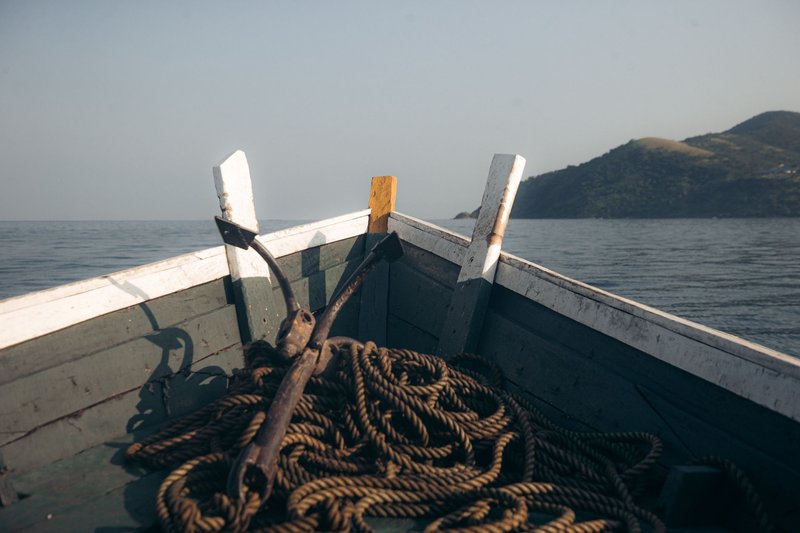
These three are the headliners, and Tanzania shares all of them with neighbors. Together they hold a staggering share of the planet’s unfrozen surface freshwater.
1. Lake Victoria
The big one by area — roughly 68,800 square kilometers, which makes it the largest lake in Africa and the largest tropical lake on Earth. Tanzania holds about half of it; Uganda and Kenya split the rest. It’s shallow for its size (around 80 meters at the deepest), which is part of why it’s an ecological cautionary tale. The introduction of Nile perch in the mid-20th century, combined with pollution and overfishing, helped wipe out hundreds of native cichlid species in what biologists often cite as one of the fastest vertebrate extinctions on record.
Mwanza is the gateway city — Tanzania’s second-largest, built among giant balancing boulders. From there you can ferry out to Rubondo Island National Park, a forested island sanctuary with chimps (introduced in the 1960s), sitatunga antelope, and some of the best birding on the lake. Victoria also sits at the head of a vast drainage network — the same one that feeds many of Tanzania’s longest rivers — and most travelers see it in passing on the way to or from the western parks. It rewards a deliberate stop more than people expect.
2. Lake Tanganyika
The one you actually want to swim in. Tanganyika is the second-deepest lake in the world at around 1,470 meters — only Lake Baikal in Siberia beats it — and the second-oldest, somewhere between 9 and 12 million years. That age is the whole story: it’s been a stable habitat long enough to evolve hundreds of endemic cichlid species, many of which are scooped out and shipped worldwide to aquarium hobbyists.
The water is famously clear, the shoreline drops fast into deep blue, and the western parks — Mahale Mountains and Gombe Stream, where Jane Goodall did her chimpanzee research — sit right on its banks. You’ll often finish a morning of chimp trekking and snorkel over cichlids in the afternoon. Getting here is the catch: it’s small charter flights or a long overland slog, which keeps the crowds away.
3. Lake Nyasa (Lake Malawi)
Tanzania calls it Nyasa; Malawi calls it Malawi; Mozambique calls it Niassa. Same lake, three names, one long-running border quibble. It’s the southernmost of the great Rift lakes and holds more fish species than any other lake on the planet — estimates run past 1,000, almost all cichlids, the vast majority found nowhere else. UNESCO recognizes the Malawian portion as a World Heritage Site specifically for that biodiversity.
On the Tanzanian side, Matema Beach in the southwest is the access point: sandy, backed by the Livingstone Mountains, and refreshingly tourist-light. It’s a long way from the northern safari circuit, so it tends to attract overland travelers and people already exploring the southern highlands.
The soda and alkaline lakes
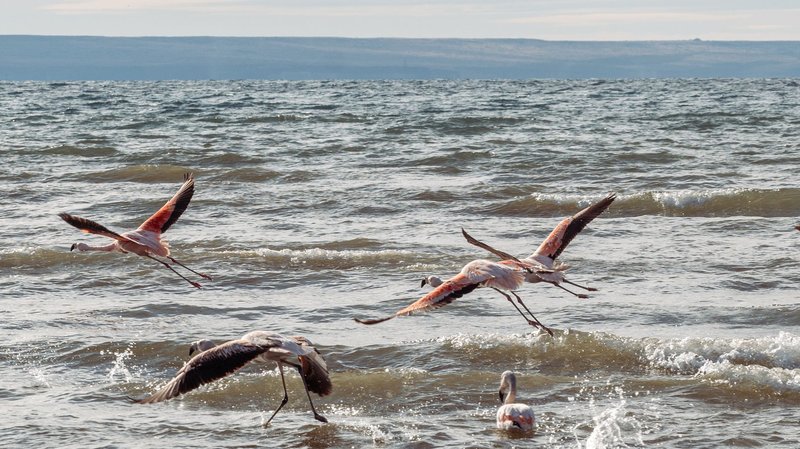
This is where Tanzania gets weird. The Great Rift Valley floor traps water with no outlet to the sea. It evaporates, concentrates the dissolved minerals, and you end up with lakes that are essentially diluted lye — high in sodium carbonate, sometimes hot, often blood-red from the algae that thrive in the alkalinity. Almost nothing lives in them except specialized cyanobacteria and the flamingos that eat it.
4. Lake Natron
The harshest of them all, and the most photographed for it. Natron sits near the Kenyan border under the active volcano Ol Doinyo Lengai — one of the most distinctive of the active volcanoes across East Africa — and its water can reach a pH around 10.5 and temperatures up to 60°C in places. The red and orange swirls you see in aerial shots are salt-loving microorganisms. The lake earned a grim viral reputation for “calcifying” dead birds and bats — the high alkalinity preserves carcasses that wash up on the crusted shore.
Despite all that, Natron is the single most important breeding site on Earth for the lesser flamingo. Up to two and a half million of them nest on the caustic salt flats precisely because predators can’t easily reach the islands. You visit from the village of Ngare Sero, usually as part of a northern Tanzania add-on, and the climb up Ol Doinyo Lengai is a brutal overnight option for the very fit.
5. Lake Eyasi
A shallow soda lake at the southern edge of the Ngorongoro highlands that shrinks dramatically in the dry season — sometimes to a cracked pan you can walk across. Eyasi’s draw isn’t really the water; it’s the people. The Hadza, one of the last hunter-gatherer groups in Africa and one of the most distinctive of Tanzania’s many ethnic groups, live around its shores, along with the Datoga pastoralists. Arranged visits to join a Hadza morning hunt are a standard cultural add-on for travelers heading to or from Ngorongoro. When the water’s up, it pulls in pelicans and flamingos too.
6. Lake Rukwa
The remote one. Rukwa sits in a closed basin in the southwest, between Lakes Tanganyika and Nyasa, and it’s saline and fluctuating — it has split into two separate lakes during dry decades and merged again in wet ones. There’s no real tourism infrastructure, which is exactly the appeal for the few who get there. Big crocodile and hippo populations, large flocks of water birds, and the kind of emptiness that’s getting hard to find. You’d visit this as part of a serious southern-circuit expedition, not a weekend trip.
The crater lakes
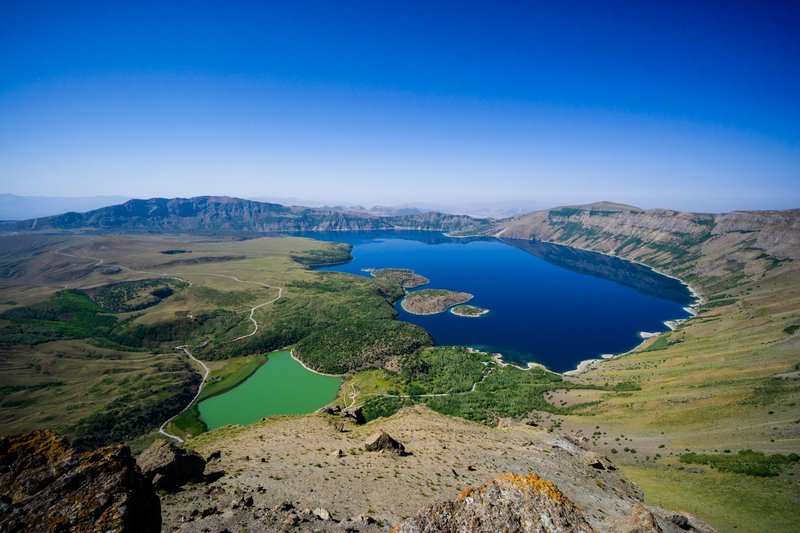
Different origin story entirely. These formed in volcanic craters or collapsed calderas, which makes them deep, round, and often startlingly clear. They’re also some of the easiest lakes to actually enjoy as a casual traveler.
7. Lake Chala
A near-perfect crater lake straddling the Tanzania–Kenya border on the lower slopes of Kilimanjaro. It’s about 3 square kilometers, fed by underground springs, and the color shifts from turquoise to deep blue depending on the light and season. There’s a safari lodge on the rim with a path down to the water. You can swim and kayak here — a rarity for African lakes, since this one is free of bilharzia and (mostly) of large crocodiles. It’s an easy detour from Moshi or the Kilimanjaro gate.
8. Lake Duluti
A small crater lake just outside Arusha, ringed by forest and walkable in a couple of hours. It’s the go-to half-day escape for people staging in Arusha before or after a safari — canoe across the still water, look for the resident monitor lizards and kingfishers, and you’re back in town for dinner. Not a destination in itself, but a genuinely pleasant buffer day.
The smaller freshwater lakes
9. Lake Manyara
The famous one on the northern circuit, and the lake most safari-goers actually see. Manyara is a shallow alkaline lake at the foot of the Rift Valley escarpment, and its national park wraps a groundwater forest, open grassland, and the lakeshore into a compact, drivable package. Two things draw people: the flamingos that gather on the soda-tinged water in good years, and the tree-climbing lions — a local behavior where lions drape themselves over acacia and fig branches, something they do in only a handful of places in Africa. Manyara usually opens or closes a northern safari, sitting an easy drive from Ngorongoro and the Serengeti.
10. Lake Babati
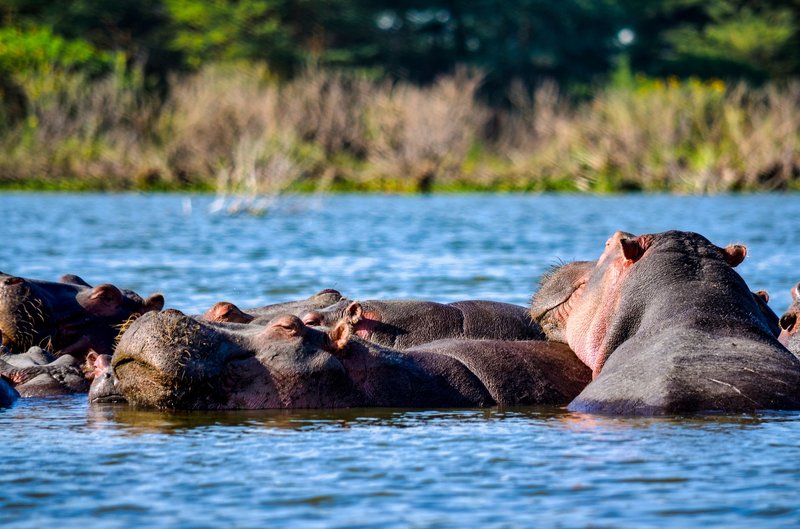
A freshwater lake in the north-central highlands, in the town of the same name on the road between Arusha and the Serengeti’s southern approaches. Babati has a healthy hippo population, and local guides will take you out by dugout canoe to watch them — close, but not too close. It’s off the standard tourist track, which is exactly why a stop here feels like the real thing rather than a staged stop.
11. Lake Jipe
A shallow freshwater lake on the Tanzania–Kenya border, partly inside Mkomazi National Park on the Tanzanian side and bordering Tsavo West on the Kenyan side. It’s quiet, fringed with reeds, and excellent for birding and hippo-watching from a boat. Like Babati, this is a lake for travelers who want water and wildlife without the crowds.
12. Lake Burigi
In the far northwest, near the Rwandan border, Burigi anchors a wildlife reserve that sees almost no foreign visitors. Expect hippos, crocodiles, and a long list of water birds across a landscape that feels genuinely off-grid. Access is rough and infrastructure thin — this is a lake for the overland and self-drive crowd, not a polished itinerary.
How lakes fit into a Tanzania safari
The northern safari circuit is built around lakes more than people realize. A typical loop runs Arusha → Lake Manyara → Ngorongoro Crater → Serengeti, with Lake Natron and Lake Eyasi as common add-ons for travelers who want flamingos or a Hadza cultural day. You can string most of the north’s lakes together without backtracking.
The western lakes — Tanganyika, Victoria — belong to a different, harder trip: chimp trekking at Mahale or Gombe, usually reached by light aircraft. The southern lakes (Nyasa, Rukwa) sit outside the standard circuits entirely and suit overland travelers exploring the highlands. Trying to combine north and west in one visit is the classic over-ambitious mistake. Pick a region.
Practical notes for visiting
On swimming: Most Tanzanian freshwater lakes carry bilharzia (schistosomiasis), a parasitic flatworm spread by freshwater snails. The CDC advises against swimming or wading in freshwater across much of sub-Saharan Africa for this reason. Lake Chala is the notable safe exception travelers actually use. The soda lakes you wouldn’t want to swim in regardless.
On flamingo timing: The pink spectacle is seasonal and water-dependent. Lesser flamingos move between Rift Valley lakes chasing the right algae conditions, so a lake that’s carpeted in pink one year can be nearly empty the next. Natron’s breeding event peaks in the dry season, roughly June to October, but there are no guarantees with birds that follow the water.
On getting there: The northern lakes are reachable by road on a standard safari. The western and southern lakes usually mean a flight or a multi-day overland commitment. Budget time accordingly, and don’t underestimate Tanzanian road distances — they’re longer than the map suggests, and the last stretch to remote lakes is rarely paved.
Tanzania’s lakes split cleanly into two experiences: the accessible, flamingo-and-wildlife lakes of the north that fold into any safari, and the deep, remote, biologically extraordinary giants of the west and south that ask more of you and give more back. Knowing which is which is most of the planning. The rest is just deciding how far off the road you’re willing to drive.