Tanzania’s cultural landscape stretches from coastal Swahili towns to inland highlands and island communities, creating a mosaic of traditions, languages and livelihoods. Understanding the different groups helps make sense of regional customs, place names and linguistic patterns visitors and researchers encounter.
There are 42 Tanzania Ethnic Groups, ranging from Alagwa,Zigua. For each group, data are presented by Main region(s),Language family,Population (people); you’ll find below.
How reliable are the population numbers for these ethnic groups?
Population figures are often estimates because national censuses focus on citizenship and language rather than strict ethnic counts; some smaller groups are underreported or grouped with larger neighbors. Use census data alongside academic studies and local surveys for the best picture, and expect variation between sources.
How do language families relate to where groups live in Tanzania?
Most groups belong to the Bantu family and are spread across the central and southern regions; Nilotic and Cushitic-speaking groups are more common in the north and northeast, while a few Khoisan-related communities are in isolated areas. Language family often reflects migration history and regional ecology, so maps of languages line up closely with geographic patterns.
Tanzania Ethnic Groups
| Name | Main region(s) | Language family | Population (people) |
|---|---|---|---|
| Sukuma | Mwanza, Shinyanga, Simiyu (northwest) | Bantu | 5,000,000 |
| Nyamwezi | Tabora, Singida, western Dodoma | Bantu | 2,200,000 |
| Chagga | Mount Kilimanjaro foothills (Moshi, Kilimanjaro) | Bantu | 1,400,000 |
| Haya | Bukoba, Kagera (northwest near Lake Victoria) | Bantu | 1,000,000 |
| Hehe | Iringa, Njombe (Southern Highlands) | Bantu | 850,000 |
| Gogo | Dodoma, central plateau | Bantu | 1,000,000 |
| Makonde | Mtwara, Lindi (southeast) and northern Mozambique | Bantu | 800,000 |
| Yao | Ruvuma, Mtwara, southern Tanzania, northern Mozambique | Bantu | 1,200,000 |
| Zaramo | Coastal region near Dar es Salaam and Pwani | Bantu | 200,000 |
| Pare | Pare Mountains (Kilimanjaro and Manyara regions) | Bantu | 450,000 |
| Rangi | Manyoni, Kondoa (central Tanzania) | Bantu | 350,000 |
| Nyaturu (Turu) | Singida, north-central Tanzania | Bantu | 300,000 |
| Iraqw | Mbulu, Manyara (northern Tanzania) | Cushitic (or Rift) | 300,000 |
| Datoga | Lake Eyasi, Karatu, Manyara (northern Tanzania) | Nilotic/Cushitic-adjacent | 80,000 |
| Maasai | Arusha, Manyara, Kilimanjaro, northern rangelands | Nilotic | 1,000,000 |
| Luo (Tanzania) | Mara region, along Lake Victoria | Nilo-Saharan (Nilotic) | 400,000 |
| Kuria | Mara and Kagera (northwest near Lake Victoria) | Bantu | 350,000 |
| Sandawe | Iringa, Dodoma border (central Tanzania) | Isolate (Sandawe family) | 40,000 |
| Hadza | Lake Eyasi basin (central-northern Tanzania) | Language isolate | 1,000 |
| Ngoni | Lindi, Morogoro, southern/central regions | Bantu with Nguni origins | 50,000 |
| Matumbi | Lindi, Kilwa (southern coastal Tanzania) | Bantu | 120,000 |
| Ndengereko | Rufiji delta, Pwani coast | Bantu | 30,000 |
| Luguru | Morogoro, Ulanga (eastern highlands) | Bantu | 200,000 |
| Kaguru | Kilosa, Morogoro (eastern central Tanzania) | Bantu | 180,000 |
| Kwere | Bagamoyo, Pwani coast and hinterland | Bantu | 60,000 |
| Mwera | Mtwara, Lindi (southern Tanzania) | Bantu | 300,000 |
| Makua (Tanzania) | Ruvuma, southern Tanzania border areas | Bantu | 200,000 |
| Nyakyusa | Mbeya, Rungwe, southern highlands | Bantu | 600,000 |
| Ngindo | Ruvuma, Lindi (southern coastal hinterland) | Bantu | 150,000 |
| Ndendeule | Ruvuma region (southwest of Lindi) | Bantu | 80,000 |
| Bondei | Tanga region (coastal hinterland) | Bantu | 150,000 |
| Kimbu | Kahama, Bukombe (northwestern central Tanzania) | Bantu | 80,000 |
| Tongwe | Kigoma region (Lake Tanganyika shore) | Bantu | 60,000 |
| Gorowa | Manyara, Dodoma (northern-central Tanzania) | Cushitic (Iraqw cluster) | 25,000 |
| Alagwa | Dodoma, Manyara (central-northern Tanzania) | Cushitic (South Cushitic) | 40,000 |
| Pimbwe | Rukwa, western Tanzania highlands | Bantu | 10,000 |
| Matengo | Mbinga, Ruvuma highlands (southwest Tanzania) | Bantu | 120,000 |
| Swahili (Coastal Swahili people) | Coastal towns (Zanzibar, Dar es Salaam, Pwani) | Bantu/Creole culture | 400,000 |
| Zigua | Tanga region, Pangani, Handeni | Bantu | 260,000 |
| Nyamwanga | Kigoma highlands, western Tanzania | Bantu | 30,000 |
| Kilimanjaro Meru (Meru) | Arusha, Mount Meru slopes | Bantu | 200,000 |
| Konde (subgroup of Makonde) | Mtwara, Masasi area | Bantu | 60,000 |
Images and Descriptions

Sukuma
The Sukuma live on the Lake Victoria plains in northwest Tanzania (Mwanza, Shinyanga). They speak a Bantu language, are the country’s largest ethnic group, historically mixing cattle-keeping and farming with notable drumming, dance and strong clan networks.
Nyamwezi
Nyamwezi inhabit central-west Tanzania around Tabora and Singida. They speak a Bantu language, are historically traders and caravan leaders, and known for matrilineal customs, agricultural skills and rich oral traditions influencing inland Swahili culture.
Chagga
The Chagga live on the fertile slopes of Mount Kilimanjaro near Moshi. They speak a Bantu language, practice intensive irrigation and banana-coffee agriculture, and maintain strong kinship groups, age-set rituals, and vibrant clan-based chieftaincies.
Haya
Haya occupy the Kagera region near Lake Victoria. They speak a Bantu language, are noted for sophisticated banana cultivation, ironworking traditions, matrilineal customs in parts of the group, and rich musical and ceremonial life.
Hehe
The Hehe live in the Southern Highlands around Iringa. They speak a Bantu language, are historically known for warrior traditions under Chief Mkwawa, mixed farming, and distinctive pottery, oral histories and social organization around clans and age-sets.
Gogo
Gogo inhabit the central Dodoma plateau. They speak a Bantu language, are primarily agro-pastoralists mixing millet and cattle herding, with distinctive vocal music, traditional healing practices and strong community elders’ institutions.
Makonde
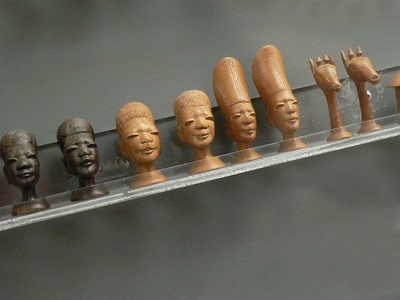
The Makonde live in southeast Tanzania and northern Mozambique. They speak a Bantu language, are famed for intricate woodcarving and mask carving used in ritual dances, and maintain matrilineal clans alongside farming and coastal trade ties.
Yao
Yao are concentrated in southern Tanzania around Ruvuma and Mtwara. They speak a Bantu language historically engaged in trade and Islamic conversion, combining farming and fishing with distinct Islamic-influenced customs and oral poetry.
Zaramo
Zaramo live along Tanzania’s central coast near Dar es Salaam. They speak a Bantu language and have long been involved in coastal trade, Swahili cultural fusion, matrilineal kinship in parts, and ritual dances linked to Islamic and traditional beliefs.
Pare
Pare inhabit the Pare Mountains of northeastern Tanzania. They speak a Bantu language, practice terraced agriculture and banana-coffee farming, maintain distinctive age-grade institutions, and have a strong tradition of local chiefs and ancestral shrines.
Rangi
Rangi live on the central plateau around Kondoa and Manyoni. They speak a Bantu language, combine dryland farming with cattle keeping, are known for pottery, singing traditions and resilient local governance adapting to semi-arid conditions.
Nyaturu (Turu)
Nyaturu live in the Singida region of central Tanzania. They speak a Bantu language, practice millet and sorghum farming and cattle herding, and maintain clan-based structures with rich oral traditions and seasonal ritual ceremonies.
Iraqw
Iraqw inhabit the Mbulu plateau in Manyara region. Though Cushitic-speaking, they have long Bantu contacts; known for mixed farming, irrigation of cereals and onion cultivation, elaborate ceremonies and clan-based social organization.
Datoga
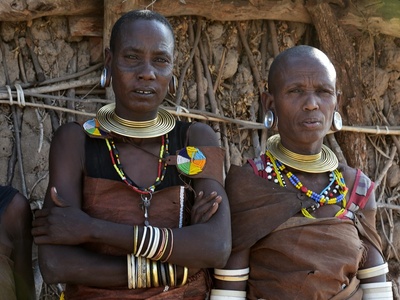
Datoga live around Lake Eyasi and Karatu in northern Tanzania. Traditionally pastoralists and metalworkers, they speak a Nilotic-related language with Cushitic influences, noted for blacksmithing, beadwork and age-set rituals.
Maasai
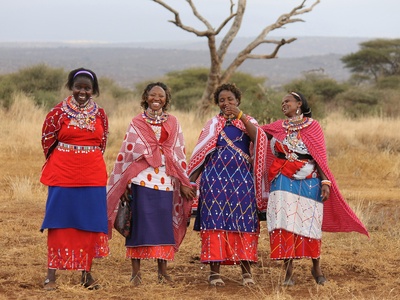
Maasai occupy rangelands in northern Tanzania and southern Kenya. They speak a Nilotic language, are iconic pastoralists famed for cattle-based economy, red clothing, beadwork and age-set warrior culture, while increasingly engaged in tourism and land negotiations.
Luo (Tanzania)
Tanzania’s Luo communities in Mara near Lake Victoria speak Nilotic languages related to Nyanza Luo. They engage in fishing, mixed farming and strong clan lineage systems, with music and oral poetry integral to social life.
Kuria
Kuria live along the Tanzania–Kenya border near Lake Victoria. They speak a Bantu language, practice mixed farming and cattle rearing, and are known for distinctive initiation rites, clan systems and cross-border trade ties.
Sandawe
Sandawe inhabit the central Tanzania highlands near Iringa. Their language is a local isolate with click sounds. Traditionally foragers and farmers, they preserve ancestor-cult rituals, hunting practices and unique oral folklore facing modern pressures.
Hadza
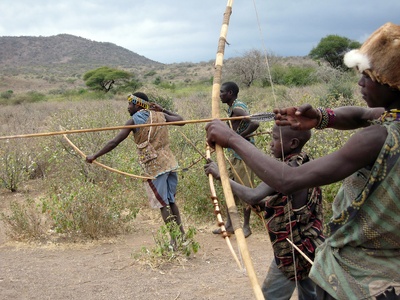
The Hadza are a small hunter-gatherer group around Lake Eyasi. Their language is a unique isolate. They are famed for foraging and hunting lifeways, deep ecological knowledge of plants and animals, and strong egalitarian social structures.
Ngoni
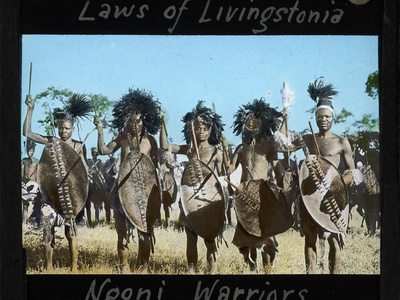
Ngoni in Tanzania descend from 19th-century Nguni migrants from southern Africa. They speak Bantu languages, practice mixed farming and cattle herding, and maintain warrior-derived dances, clan systems and remembered migration histories.
Matumbi
Matumbi live in southern coastal districts like Lindi and Kilwa. They speak a Bantu language, combine coastal fishing and inland farming, and have strong matrilineal traditions with rich musical forms tied to harvest and seafaring rituals.
Ndengereko
Ndengereko inhabit the Rufiji delta and nearby coastal areas. They speak a Bantu language influenced by Swahili, engage in fishing, rice and coconut cultivation, and maintain unique coastal rituals and clan-based social organization.
Luguru
Luguru live in the Uluguru Mountains and Morogoro region. They speak a Bantu language and practice intensive agriculture on mountain slopes, maintain sacred groves, age-grade systems, and strong clan networks tied to land and water rituals.
Kaguru
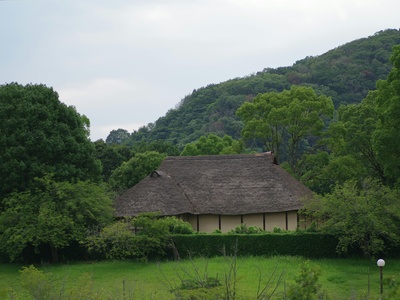
Kaguru inhabit Kilosa and surrounding areas in Morogoro region. They speak a Bantu language, are farmers cultivating rice and bananas, maintain clan-based social systems, and have rich oral histories with local leadership structures.
Kwere
Kwere live around Bagamoyo and coastal Pwani. They speak a Bantu language, have long interacted with Swahili and Arab traders, practice coastal agriculture and fishing, and keep coastal ritual traditions blending Islam and older customs.
Mwera
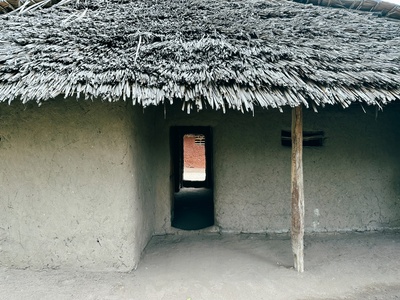
Mwera occupy southern Tanzania around Mtwara and Lindi. They speak a Bantu language, practice mixed agriculture, and are noted for matrilineal elements, ceremonial dances, and coastal trading links to towns like Lindi and Mtwara.
Makua (Tanzania)
Makua in Tanzania live near the Ruvuma border with Mozambique. They speak a Bantu language, engage in shifting cultivation and fishing, and share cultural ties with larger Makua populations in northern Mozambique.
Nyakyusa
Nyakyusa inhabit the Mbeya highlands and Rungwe. They speak a Bantu language, are renowned for intensive banana-coffee agriculture, complex age-grade systems, virile dance traditions and cooperative labor arrangements in hillside communities.
Ngindo
Ngindo live in the Ruvuma-Lindi corridor of southern Tanzania. They speak a Bantu language, practice mixed farming and fishing, and preserve coastal cultural traits, including matrilineal patterns in parts and local healing traditions.
Ndendeule
Ndendeule inhabit parts of Ruvuma and southern Lindi. They speak a Bantu language, practice shifting cultivation and small-scale trade, and maintain clan networks with rituals tied to harvest cycles and ancestral veneration.
Bondei
Bondei live in the Pangani and Handeni districts of Tanga. They speak a Bantu language, have mixed farming and coastal trade, and retain distinctive initiation rites, folklore and communal rituals shaped by coastal Swahili interactions.
Kimbu
Kimbu are found in Kahama and Bukombe districts in northwest-central Tanzania. They speak a Bantu language, mix cattle herding and agriculture, and have strong kinship ties and localized rituals around seasons and harvests.
Tongwe
Tongwe inhabit the coastal areas of Lake Tanganyika in Kigoma region. They speak a Bantu language, engage in fishing and interlacustrine trade, and preserve unique canoe-building, ritual fishing practices and clan-based social structures.
Gorowa
Gorowa live on the Mbulu plateau near Manyara. Linguistically related to Iraqw, they speak a Cushitic language, practice agro-pastoralism, have clan and ritual elders, and maintain distinctive initiation ceremonies and millet cultivation techniques.
Alagwa
Alagwa inhabit areas near Dodoma and Manyara. Their language is South Cushitic related to Iraqw. They practice mixed farming and herding, maintain clan elders and ancestral rituals, and have adapted traditions across Cushitic–Bantu contact zones.
Pimbwe
Pimbwe live in the Rukwa highlands of western Tanzania. They speak a Bantu language, practice highland agriculture and fishing on nearby lakes, and sustain local ceremonial life with clan-based leadership and communal labor practices.
Matengo
Matengo inhabit the Ruvuma highlands near Mbinga. They speak a Bantu language and are famous for unique deep-terrace agriculture on steep hillsides, strong kinship unions, and distinctive songs and dances tied to harvest rituals.
Swahili (Coastal Swahili people)
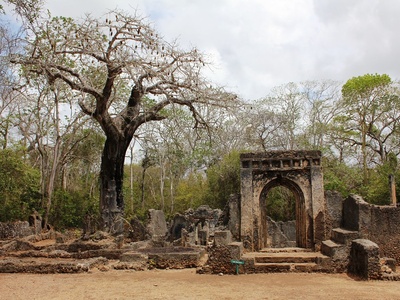
Coastal Swahili people form an urban, maritime culture across Tanzania’s coast including Zanzibar and Dar es Salaam. They speak coastal Swahili, blend Bantu, Arab and Persian influences, and are known for dhows, trade networks, Islamic learning and rich literary traditions.
Zigua
Zigua live inland from the Tanga coast in northeastern Tanzania. They speak a Bantu language, practice mixed farming, maintain strong clan structures, and have a long history of interaction with coastal Swahili trade and Islamic influence.
Nyamwanga
Nyamwanga inhabit parts of Kigoma region near the western highlands. They speak a Bantu language, engage in mixed agriculture and fishing on Lake Tanganyika shores, and have clan-based leadership with local ritual customs tied to waterways.

Kilimanjaro Meru (Meru)
Meru live on the slopes of Mount Meru near Arusha. They speak a Bantu language, practice intensive irrigation, banana and coffee farming, and maintain strong age-grade systems, clan elders and local chiefs connected to mountain shrines.
Konde (subgroup of Makonde)
Konde are a Makonde-related subgroup in Mtwara and Masasi. They speak a Bantu language, carve wood and masks, practice coastal agriculture and fishing, and participate in shared Makonde initiation dances and carving traditions.