Table of Contents
- Why countries rename themselves
- Persia → Iran (1935)
- Siam → Thailand (1939)
- Ceylon → Sri Lanka (1972)
- Burma → Myanmar (1989)
- Zaire → Democratic Republic of the Congo (1997)
- Upper Volta → Burkina Faso (1984)
- Rhodesia → Zimbabwe (1980)
- Dahomey → Benin (1975)
- Swaziland → Eswatini (2018)
- Macedonia → North Macedonia (2019)
- Czech Republic → Czechia (2016)
- Holland → the Netherlands (2020)
- Cape Verde → Cabo Verde (2013)
- Turkey → Türkiye (2022)
- Ivory Coast → Côte d’Ivoire (1986)
- Renames vs. breakups: what’s the difference
- FAQ
A country’s name is a small flag it plants for the rest of the world to use. Change the name, and you’re telling everyone: something shifted here — a colonial chapter closed, a monarchy ended, a border got redrawn, or a government simply got tired of being mistranslated. Some renames are centuries old and now feel permanent. Others happened within the last five years and are still catching up in atlases and airport signage.
This list runs wider than the usual “seven countries since 2000” roundup. It covers Cold War-era renames, decolonization-driven ones, and the recent rebrand wave, in roughly chronological order — with the actual reasoning behind each one, not just the date it happened.
Why countries rename themselves
Most renames fall into a few buckets. Independence movements shed a name imposed by a colonizer and reclaim (or invent) something rooted in local language. Political regimes rename a country to signal a clean break from a previous era — a coup, a revolution, the end of a monarchy. Some governments correct a name that was never accurate to begin with, often a European mistranscription of what locals already called the place. And a smaller number are pure branding moves: a country decides its international name is causing confusion, and fixes it.
None of these are typos. Each one is a government formally notifying the UN, updating its constitution, and asking the world to catch up.
Persia → Iran (1935)
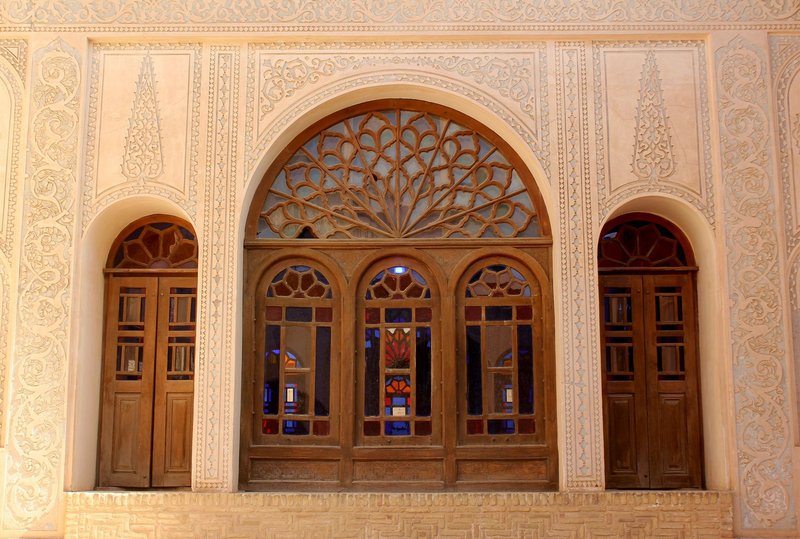
Reza Shah Pahlavi asked the international community to start using “Iran” — the name Persians had used for their own country for centuries — instead of the Greek-derived “Persia.” The word Iran comes from “Aryan,” and the shah’s government framed the change as both a nationalist statement and a rejection of a name that had only ever been an outsider’s label. It didn’t fully stick right away; Western media kept using “Persia” through the 1950s, and the two names still coexist in things like “Persian cuisine” and “Persian Gulf.”
Siam → Thailand (1939)
Prime Minister Plaek Phibunsongkhram changed the country’s name from Siam to Thailand (“land of the free”) as part of a broader nationalist push that also unified the country’s various Tai-speaking ethnic groups under one civic identity. The name briefly reverted to Siam after World War II under a different government, then flipped back to Thailand for good in 1949. It’s the only country in Southeast Asia that was never formally colonized by a European power, and the rename was partly about asserting that independence linguistically as well as politically.
Ceylon → Sri Lanka (1972)
Ceylon was the British colonial name, itself derived from Portuguese and Dutch renderings of the older Sinhalese name. When the country adopted a new constitution in 1972 and became a republic, it dropped the colonial name entirely in favor of Sri Lanka, meaning “resplendent island.” The tea industry never got the memo — “Ceylon tea” remains a protected term and the country’s biggest agricultural export brand, decades after the political name disappeared.
Burma → Myanmar (1989)
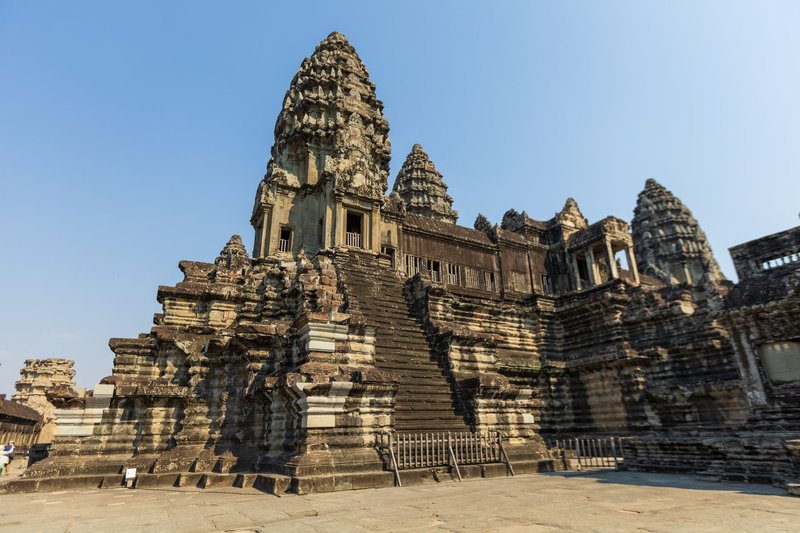
The military junta that took power after crushing the 1988 pro-democracy uprising renamed the country from Burma to Myanmar, along with renaming its capital’s streets and largest city (Rangoon became Yangon). The junta argued Myanmar was more inclusive of the country’s non-Burman ethnic minorities, since “Burma” derives specifically from the Bamar majority group. Critics saw it differently: the rename came from an unelected government with no democratic mandate, which is why the U.S., U.K., and Burmese opposition groups continued using “Burma” for years afterward. The BBC still notes both names are in active use depending on who’s speaking and why.
Zaire → Democratic Republic of the Congo (1997)
Mobutu Sese Seko renamed the Congo to Zaire in 1971 as part of his “authenticité” campaign to strip away colonial and Christian influence from the country — Congolese people also had to drop European first names. When Laurent-Désiré Kabila’s rebellion toppled Mobutu in 1997, one of the new government’s first acts was reverting the name to Democratic Republic of the Congo, rejecting Mobutu’s legacy along with his name for the country. It’s easy to confuse with its smaller neighbor, the Republic of the Congo (capital: Brazzaville) — different country, same river.
Upper Volta → Burkina Faso (1984)
Revolutionary leader Thomas Sankara renamed Upper Volta — a name that literally just meant “upper part of the Volta River,” assigned by French colonizers — to Burkina Faso, combining words from two local languages to mean “land of upright/honest people.” Sankara, sometimes called “Africa’s Che Guevara,” paired the rename with sweeping land reform, vaccination campaigns, and a rejection of foreign aid dependency before being assassinated in a coup three years later. The name he chose has outlasted him by decades.
Rhodesia → Zimbabwe (1980)
Rhodesia was named for Cecil Rhodes, the British colonialist whose company controlled the territory before white minority rule declared independence from Britain in 1965. After a prolonged guerrilla war, the country held its first elections open to the Black majority in 1980 and adopted the name Zimbabwe, from “dzimba dzemabwe” — “houses of stone” in Shona, referencing the Great Zimbabwe ruins that still anchor the country’s national identity today.
Dahomey → Benin (1975)
The People’s Republic of Benin replaced the Kingdom of Dahomey’s name in 1975 under a Marxist-Leninist government, choosing “Benin” after the historic Bight of Benin rather than any connection to the unrelated Benin City in neighboring Nigeria — a source of ongoing confusion since. The name change accompanied a full ideological rebrand, complete with a new flag and a one-party socialist state that lasted until 1990.
Swaziland → Eswatini (2018)
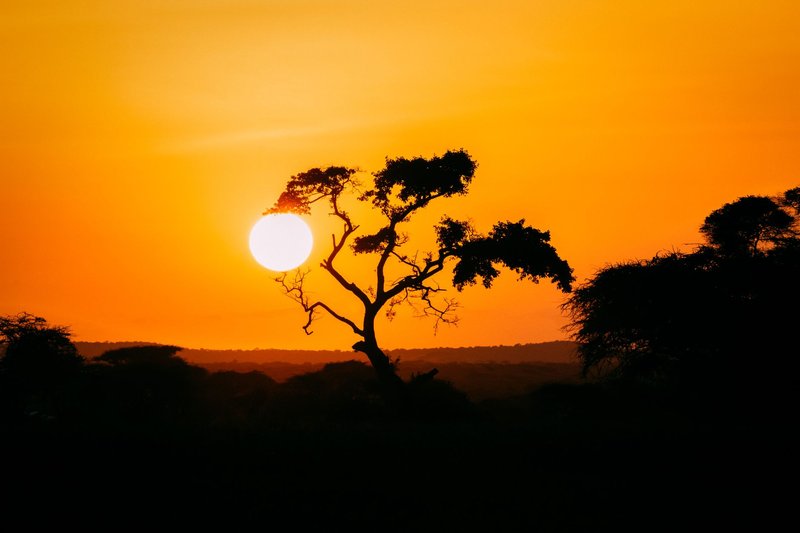
King Mswati III announced the change from Swaziland to eSwatini (meaning “land of the Swazis”) during the country’s 50th independence anniversary celebrations, explaining that Swaziland was too easily confused with Switzerland and that the old name was a colonial-era English construction. Unlike most renames on this list, this one came directly from an absolute monarch’s decree rather than a revolution, legislature vote, or independence movement — Eswatini remains one of the last true absolute monarchies in the world.
Macedonia → North Macedonia (2019)
This one wasn’t about shedding a colonial past — it resolved a 27-year diplomatic standoff. Greece objected to its northern neighbor using the name “Macedonia” alone, since Greece has its own region called Macedonia and viewed the name as an implicit claim on Greek territory and history. The 2018 Prespa Agreement settled it: the country became North Macedonia, Greece dropped its veto on the country’s NATO and EU membership bids, and North Macedonia joined NATO the following year.
Czech Republic → Czechia (2016)
Technically the country never stopped being the “Czech Republic” as its official long-form name — but in 2016 the government formally registered “Czechia” as the short-form name with the UN, meant for use on jerseys, maps, and product labels the way “France” or “Germany” get used rather than their formal state titles. Adoption was slow and mixed; many international media outlets and organizations only started using it consistently years later.
Holland → the Netherlands (2020)
Holland is technically just two of the Netherlands’ twelve provinces (North and South Holland), but the term became shorthand for the whole country internationally — largely thanks to tourism marketing built around Amsterdam, tulips, and windmills. In 2020, the Dutch government officially retired “Holland” from all national branding, logos, and diplomatic use, partly to promote lesser-visited regions and partly to present a more accurate, unified national image ahead of the Tokyo Olympics.
Cape Verde → Cabo Verde (2013)
The Republic of Cabo Verde requested that the international community stop using the English translation “Cape Verde” and instead use the Portuguese “Cabo Verde” as the country’s name in every language, arguing that translating a proper name was inconsistent with how most countries are referred to internationally. The UN and most major style guides adopted the change, though “Cape Verde” still lingers in everyday English usage.
Turkey → Türkiye (2022)
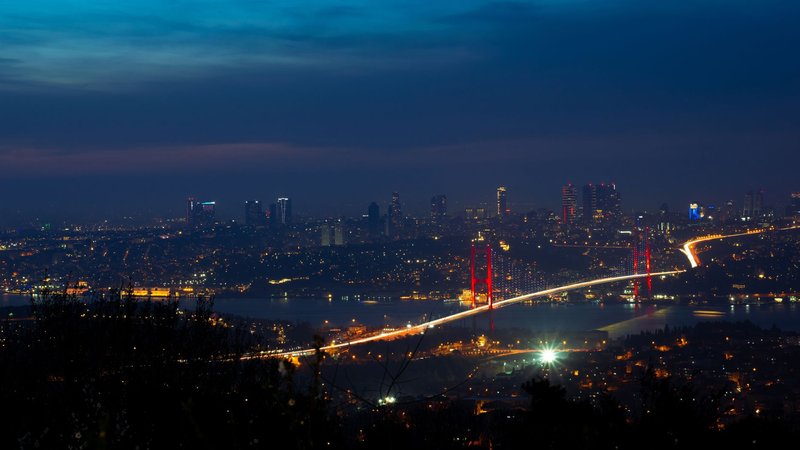
President Recep Tayyip Erdoğan requested the UN formally recognize “Türkiye” instead of “Turkey” in 2022, citing the English word’s unfortunate double meaning as both the country and a bird associated in some dictionaries with failure or foolishness. The government also pointed to Türkiye being the term Turkish citizens themselves use, and the rename tied into a broader “Made in Türkiye” branding push for exports. It’s one of the fastest-adopted renames on this list — most major outlets and databases switched within months.
Ivory Coast → Côte d’Ivoire (1986)
Ivory Coast’s government asked the world to stop translating its name into other languages and use the French “Côte d’Ivoire” universally, the same logic Cabo Verde would apply decades later. Most international bodies comply in formal contexts, though “Ivory Coast” remains common in everyday English sports and news coverage, especially around the national football team.
Renames vs. breakups: what’s the difference
Not every country that seems to have “changed its name” actually did — some dissolved, split, or merged instead, which is a different process entirely. The Soviet Union didn’t rename itself into Russia; it broke apart into fifteen separate countries, of which Russia is the largest successor state. Czechoslovakia didn’t rename itself Czechia and Slovakia; it split into two entirely new, independent countries in 1993. Yugoslavia fractured into seven nations over a decade of wars, not a single rebrand.
A true rename keeps the same government, borders, and international legal identity — only the label changes. A dissolution or split creates new states with their own governments, seats at the UN, and citizenship laws. Eswatini and Czechia are renames. The USSR and Yugoslavia are dissolutions. Mixing the two up is the most common error in “countries that changed names” lists.
FAQ
Why did Turkey change its name to Türkiye? The Turkish government requested the change in 2022 to move away from the English word “turkey,” which can also mean the bird or, informally, a failure — and to align the country’s international name with what Turkish citizens already call it.
What was Sri Lanka called before? Ceylon, a name derived from Portuguese and Dutch colonial-era terms. The country became Sri Lanka in 1972 when it adopted a new republican constitution.
Is Holland still a country name? No — Holland refers only to two provinces within the Netherlands. The Dutch government dropped “Holland” from all official and promotional use in 2020, though the term still shows up informally.
What’s the difference between Swaziland and Eswatini? They’re the same country. King Mswati III renamed Swaziland to Eswatini in 2018 to avoid confusion with Switzerland and to move away from the colonial-era English name.
Did the Soviet Union just rename itself Russia? No. The USSR dissolved into fifteen independent countries in 1991, with Russia as the largest successor state — that’s a breakup, not a rename.