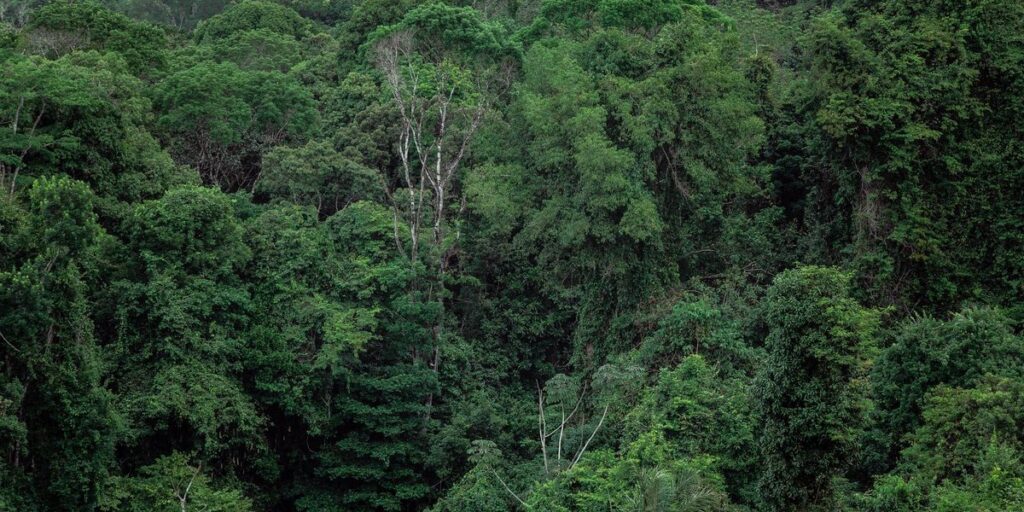
Costa Rica has no army, a public health system that covers residents, and a property tax of 0.25%. It also has a currency that has strengthened enough to make the “cheap tropical retirement” pitch out of date. The benefits of living in Costa Rica are real, but most pages listing them skip the numbers and the catches. This one includes both.
Quick facts – Population: about 5.2 million – Currency: colón (₡), with US dollars widely accepted in tourist areas – Army: abolished in 1948 – Residency routes: Pensionado ($1,000/month pension), Rentista ($2,500/month for two years), Inversionista ($150,000 investment), digital nomad ($3,000/month) – Property tax: 0.25% of registered value – Seasons: dry (December to April) and green (May to November) – Biggest catch: prices have risen, and non-urgent public healthcare can be slow
Table of contents
- Biodiversity and nature on your doorstep
- A climate you choose by altitude
- Healthcare: public and private
- Residency routes you can actually qualify for
- A stable democracy with no standing army
- Established expat communities
- Low property tax and equal ownership rights
- Longevity and a slower pace
- A workable base for remote workers and families
- Where to live: Central Valley, Guanacaste or the Caribbean
- Reality check: costs, wait times and safety
- How Costa Rica compares with Panama, Mexico and Portugal
- Is living in Costa Rica worth it?
1. Biodiversity and nature on your doorstep
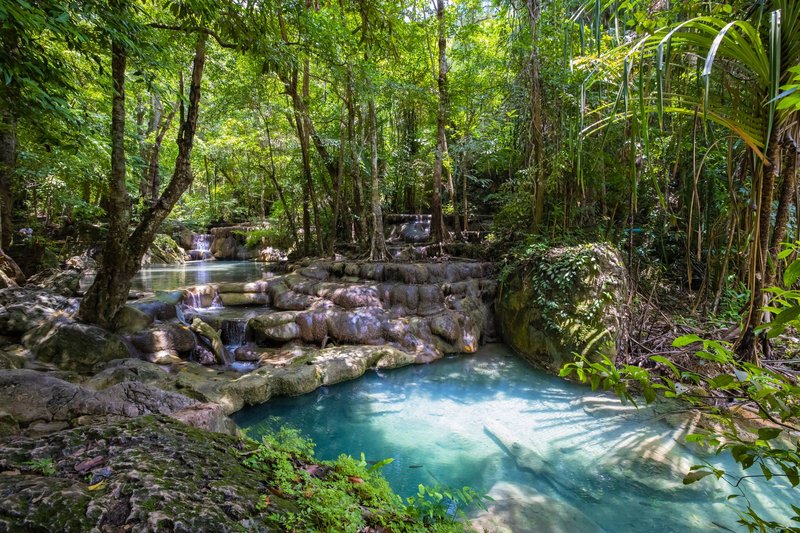
Costa Rica covers about 0.03% of the planet’s land and holds roughly 5% of its species. That ratio is the most-quoted statistic in the country for a reason: you see it in daily life. Scarlet macaws cross the sky over Jacó. Howler monkeys wake you in Guanacaste. Sloths hang in the trees of ordinary Caribbean-coast backyards.
The protection is real. The national park service, SINAC, manages protected areas covering roughly a quarter of the national territory. Forest cover has recovered from about a quarter of the country in the mid-1980s to more than half today, after a ban on clearing primary forest and payments to landowners who keep trees standing.
Living here means a national park is a weekend trip, not a bucket-list flight.
2. A climate you choose by altitude
Costa Rica sits between 8 and 11 degrees north of the equator, so there is no winter. Temperature depends on elevation. The coasts run 28 to 34°C most of the year. San José and the Central Valley, at roughly 1,000 to 1,200 meters, sit around 20 to 26°C with cool nights. Highland towns like Monteverde need a jacket.
Seasons are about rain, not temperature. The dry season runs December to April. The green season runs May to November, with sunny mornings and heavy afternoon downpours. The Caribbean coast breaks the pattern: it rains year-round, and its driest stretch is September and October.
If you hate heat, you move uphill. If you hate rain, you move to the northwest Pacific. Few countries give you that choice within a two-hour drive.
3. Healthcare: public and private
Costa Rica runs two systems side by side. The public one is the Caja Costarricense de Seguro Social (CCSS), which legal residents must join. Contributions are income-based and generally land between 7% and 11% of declared monthly income, with minimums, so most retirees pay somewhere around $80 to $150 a month. Confirm the current schedule with the CCSS before you budget.
The private system runs in parallel. Hospitals such as Clínica Bíblica, Hospital CIMA and Hospital Metropolitano in the San José area handle surgeries, imaging and specialists. Private specialist consultations commonly cost $60 to $120, a fraction of US prices. Many expats pay CCSS for emergencies and chronic care, and use private doctors when they want an appointment this week.
Life expectancy is about 80 years, in line with the United States on a far smaller health budget. The trade-off is wait times, covered in the reality check below.
4. Residency routes you can actually qualify for
Costa Rica offers several routes, and the thresholds are low next to many popular expat destinations. The Dirección General de Migración lists the current requirements.
- Pensionado: proof of a lifetime pension of at least $1,000 a month (Social Security qualifies).
- Rentista: proof of $2,500 a month in stable income for two years, or a $60,000 deposit in a Costa Rican bank.
- Inversionista: a $150,000 investment, commonly real estate.
- Digital nomad: $3,000 a month for an individual or $4,000 for a family, valid for one year and renewable once.
Residents have to enroll in the CCSS, and the paperwork needs apostilled documents from your home country. Budget several months and a local lawyer. Fees and requirements get updated, so check the official page before paying anyone.
5. A stable democracy with no standing army
Costa Rica abolished its army on December 1, 1948, after a short civil war, and wrote the ban into the 1949 constitution. The money that would have gone to the military went mostly into schools and health. It has held peaceful, regular elections ever since, which sets it apart in a region where that is not a given.
For an expat, the practical effect is predictability. Property rights are enforced, the courts function, and the government does not change the rules of residency overnight. That doesn’t make the bureaucracy fast. It makes it reliable.
6. Established expat communities
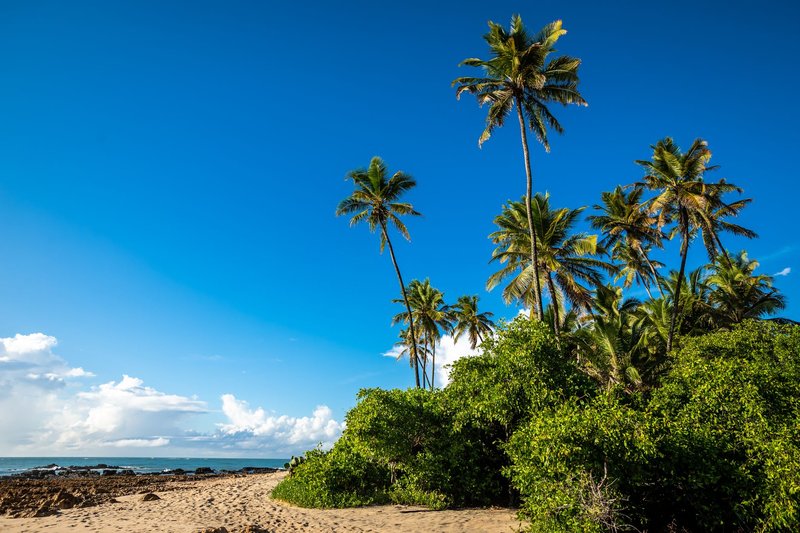
You won’t be the first foreigner in town. Atenas, Grecia and Escazú in the Central Valley, Tamarindo and Nosara in Guanacaste, and Puerto Viejo on the Caribbean coast all have communities that have been settling for decades. That means English-speaking doctors, lawyers who handle residency daily, and Facebook groups where somebody has already answered your question about importing a car.
Expat circles also cut the early-months isolation that sends many newcomers home. The flip side: it is easy to live inside the bubble and never learn Spanish. Learn it anyway. Your paperwork, your neighbors and your plumber will all be easier.
7. Low property tax and equal ownership rights
Annual property tax is 0.25% of the registered value, collected by the municipality. A home registered at $300,000 costs about $750 a year to hold. Compare that with property tax rates of 1% or more in much of the United States and in many European countries. A separate solidarity tax applies to high-value homes, so check the threshold if you’re buying at the top end.
Foreigners hold the same ownership rights as citizens for most property, and non-residents can buy. Closing costs typically run 3% to 4%. One catch is the beachfront. Land within 200 meters of the high-tide line falls under the maritime zone law, and only the inland 150 meters can be owned outright. The first 50 meters are public. The rest is a municipal concession. Always verify the title type before buying near the coast.
8. Longevity and a slower pace
The Nicoya Peninsula in Guanacaste is one of the original “Blue Zones,” regions where people reach 100 at unusually high rates. Researchers credit diet (rice, beans, corn, tropical fruit), strong family ties and a sense of purpose, which locals call plan de vida.
You will also feel the pace. Appointments start late, lunches run long, and “ahorita” can mean now, later or never. Some people find it maddening. Many find that after a year they’ve stopped checking their watch. Pura vida, the national phrase, works as hello, goodbye, thank you and “it’s fine.”
9. A workable base for remote workers and families

Costa Rica has a dedicated digital nomad visa. The income requirement is $3,000 a month for one person, and holders are exempt from income tax on foreign earnings for the visa period. Fiber internet is common in the Central Valley and larger beach towns. Rural areas and some beach towns still have patchy service, so test the connection before signing a lease. Backup providers and a Starlink dish are common fixes.
Families get several international and bilingual private schools, mostly around San José, including Lincoln School and Country Day School. Public school is free but taught in Spanish. Tuition at private schools can be substantial, so factor it into your numbers. The country is also in the same time zone as US Central Time all year, since it doesn’t use daylight saving.
Where to live: Central Valley, Guanacaste or the Caribbean
| Central Valley | Guanacaste | Caribbean coast | |
|---|---|---|---|
| Typical towns | Escazú, Atenas, Grecia | Tamarindo, Nosara, Playas del Coco | Puerto Viejo, Cahuita |
| Temperature | 20-26°C | 30-35°C in the dry season | 26-32°C, humid |
| Rain | Heavy afternoons, May to Nov | Very dry Dec to Apr | Year-round |
| Healthcare | Best access, major private hospitals | Private clinics, Liberia nearby | Limited, longer trips to San José |
| Cost | Moderate | Highest | Lowest |
| Best for | Retirees, families | Beach lifestyle, surf | Budget, Afro-Caribbean culture |
Pick the Central Valley if healthcare and weather are your priorities. Guanacaste suits you if you want beaches, and you can afford resort-area prices. The Caribbean is cheaper and less developed, with a distinct Afro-Caribbean culture, but it has fewer services.
Reality check: costs, wait times and safety
Costa Rica is not the bargain it was 15 years ago. The colón strengthened from about ₡690 per dollar in mid-2022 to roughly ₡500 to ₡520 through 2024 and 2025, according to Banco Central de Costa Rica data. Anything priced in colones now costs about a third more in dollars. Imported goods, cars and anything touristy carry heavy markups, and the Tico Times and other outlets now describe Costa Rica as one of the most expensive places in Latin America to retire.
Estimated monthly budgets (USD, November 2026). These are estimates built from typical rental listings, CCSS contribution rules and utility rates. They are not official statistics, so treat them as ranges.
| Profile | Rent | Utilities and internet | Groceries | Healthcare | Transport | Dining and leisure | Total |
|---|---|---|---|---|---|---|---|
| Single, Central Valley | 700-1,000 | 120-180 | 300-450 | 100-200 | 60-150 | 200-400 | 1,500-2,400 |
| Couple, Central Valley | 900-1,400 | 150-220 | 500-750 | 180-350 | 150-350 | 300-600 | 2,200-3,700 |
| Couple, Guanacaste | 1,200-2,000 | 200-350 | 600-850 | 180-350 | 200-400 | 400-800 | 2,800-4,750 |
| Couple, Caribbean | 700-1,100 | 130-200 | 450-650 | 180-350 | 100-250 | 250-500 | 1,800-3,050 |
Other things to know before you move:
- Wait times: CCSS emergency care is fast, but non-urgent specialist appointments and elective surgery can take months and sometimes over a year. This is the main reason for private insurance.
- Safety: The homicide rate rose to about 17 per 100,000 in 2023, mostly drug-related violence in port cities like Limón and Puntarenas. For expats, petty theft, car break-ins and home burglaries are the day-to-day risk. Use gated communities or alarms, and never leave anything visible in a parked car.
- Infrastructure: Roads are poor outside main routes, and potholes and landslides in the rainy season slow travel.
- Taxes: Costa Rica generally taxes income earned inside the country, with exceptions for some foreign passive income. US citizens still file US returns, though the foreign earned income exclusion covers part of earned income. Readers from the UK, Canada or the EU should check their home country’s treaty position with an accountant.
How Costa Rica compares with Panama, Mexico and Portugal
Panama uses the US dollar, so there is no exchange-rate risk, and its Pensionado visa also needs $1,000 a month and brings senior discounts. It has a bigger city and a hotter climate, and less of the nature-first appeal. Mexico has more variety, a bigger economy and a land border with the US, but income thresholds for residency are higher. Portugal gives you EU access and strong public services, with a passive-income visa pegged near the Portuguese minimum wage, but winters are colder and the move is farther from the Americas.
Costa Rica wins on nature, stability and the entry price of residency. It loses on cost, and on public healthcare speed compared with Portugal.
Is living in Costa Rica worth it?
The benefits of living in Costa Rica are strongest for people who want nature, a stable country and reachable residency rules, and who can budget $2,000 to $3,500 a month as a couple. They are weakest for anyone expecting 2010 prices or needing frequent specialist care without private insurance.
Rent for three months first. Spend one of them in the rainy season. Then decide.